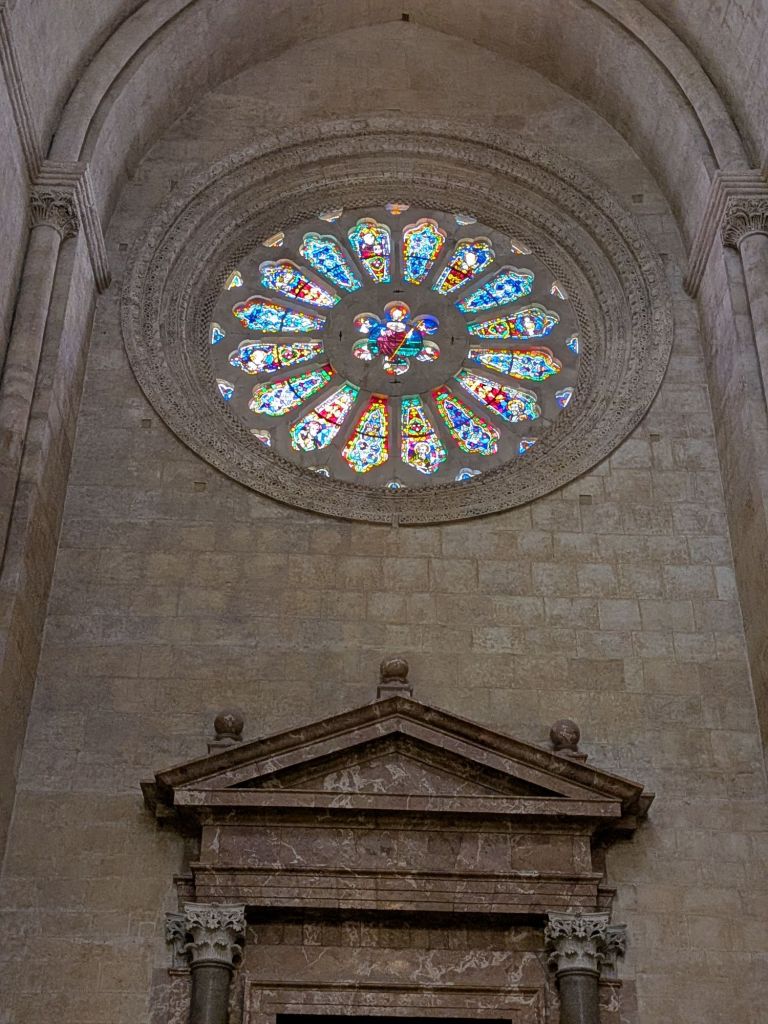
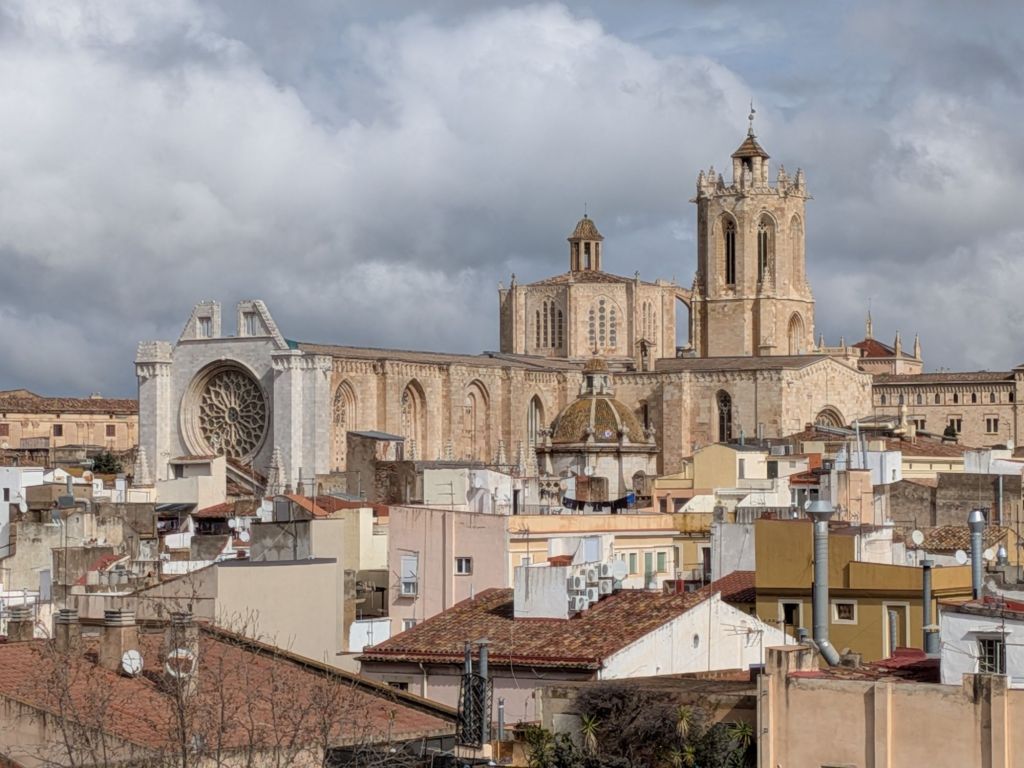
Words fail – and I know K wants to do a long post on this – but here to be getting on with is the largest rose window in Catalunya:
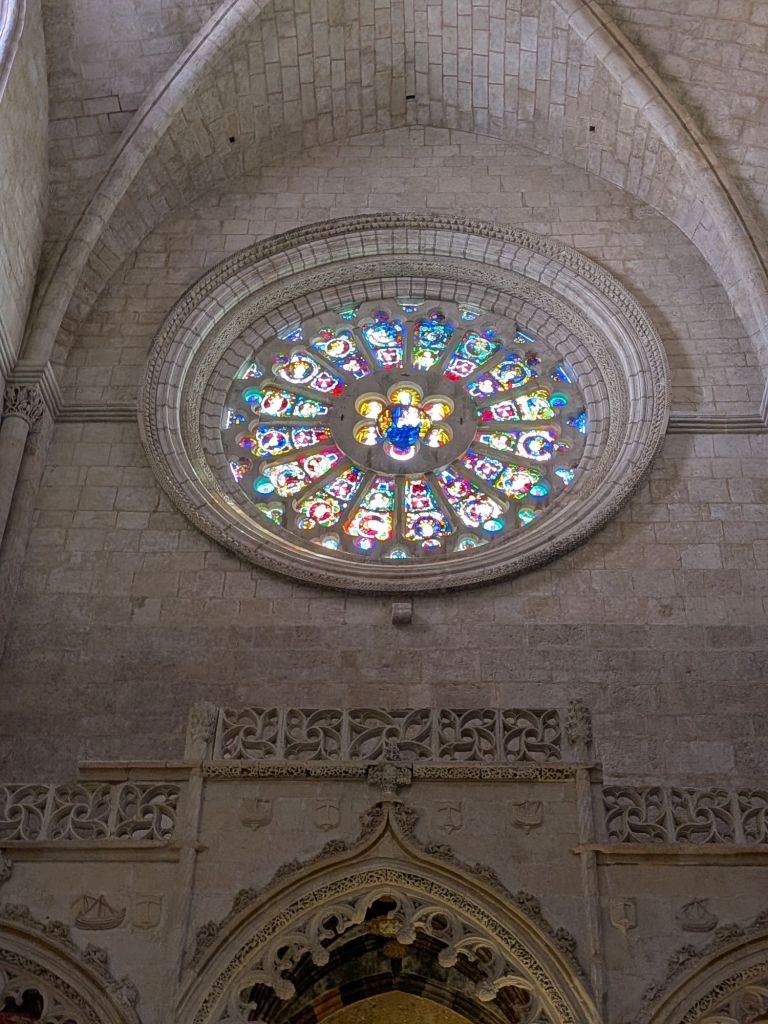
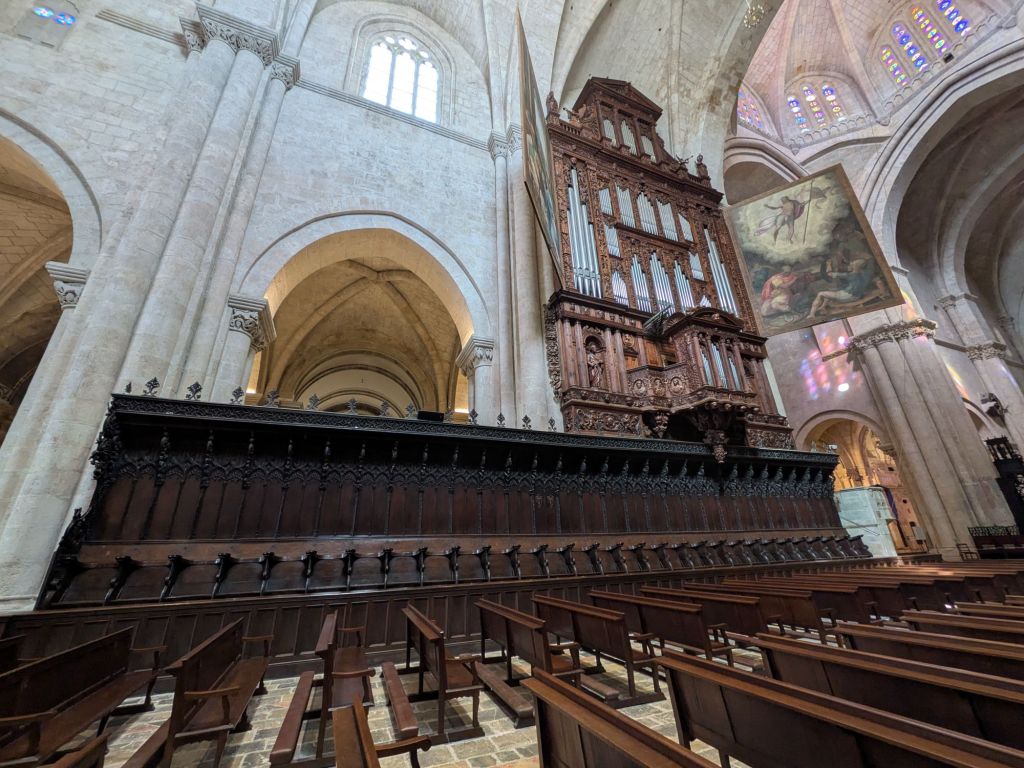
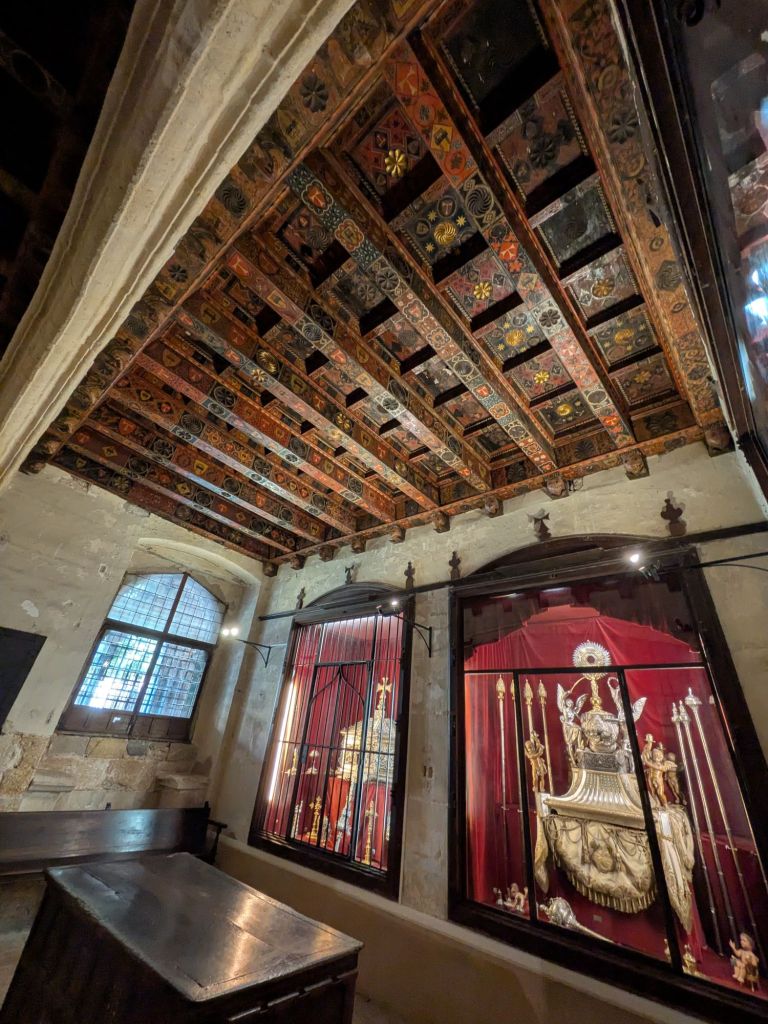
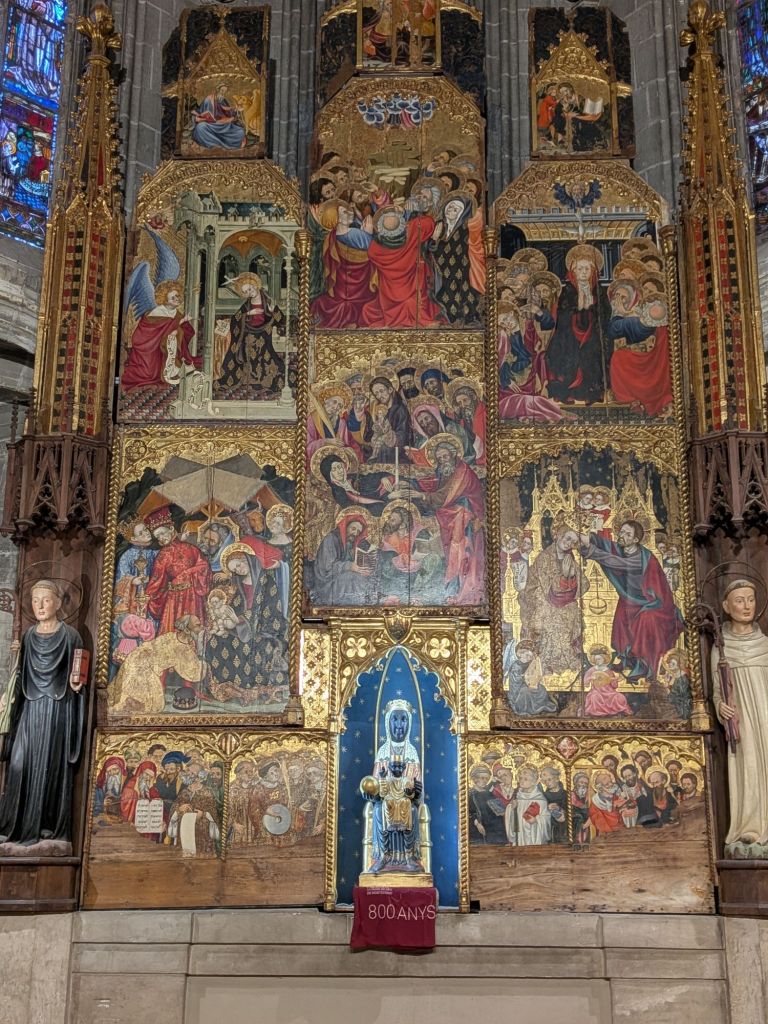
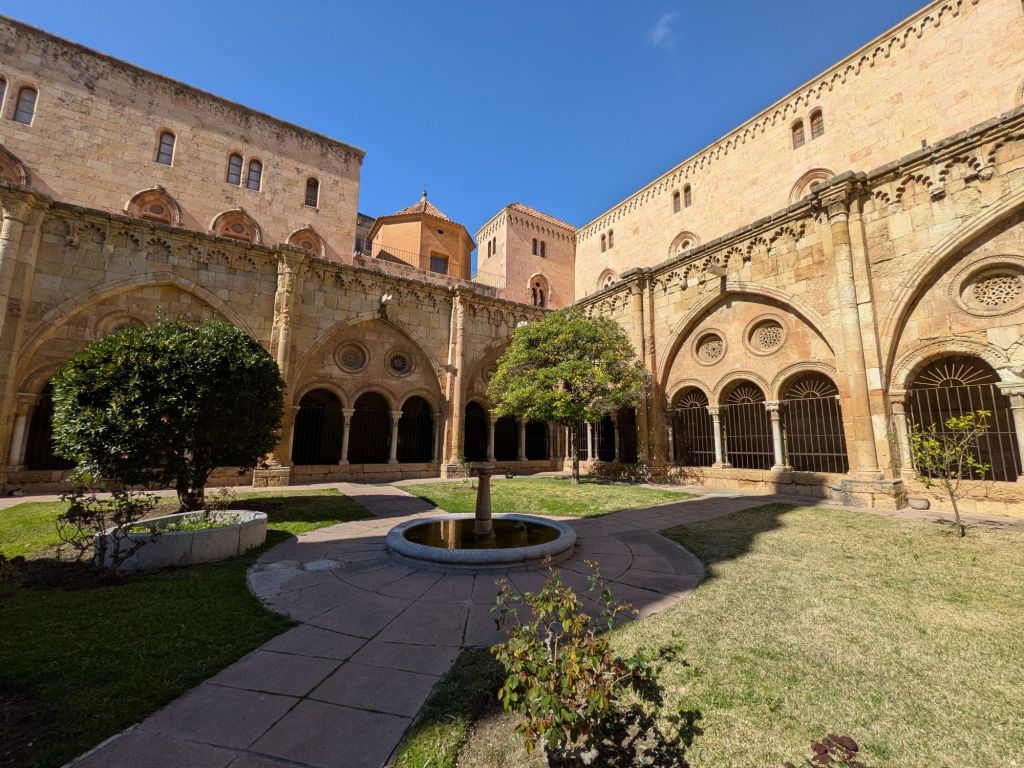
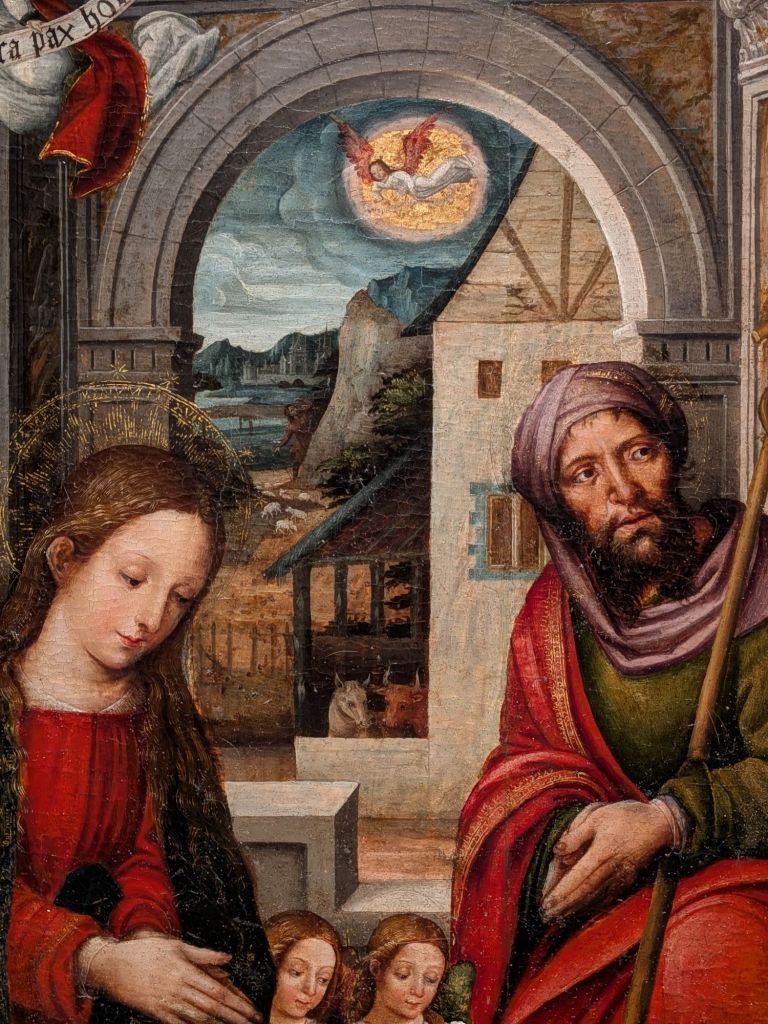
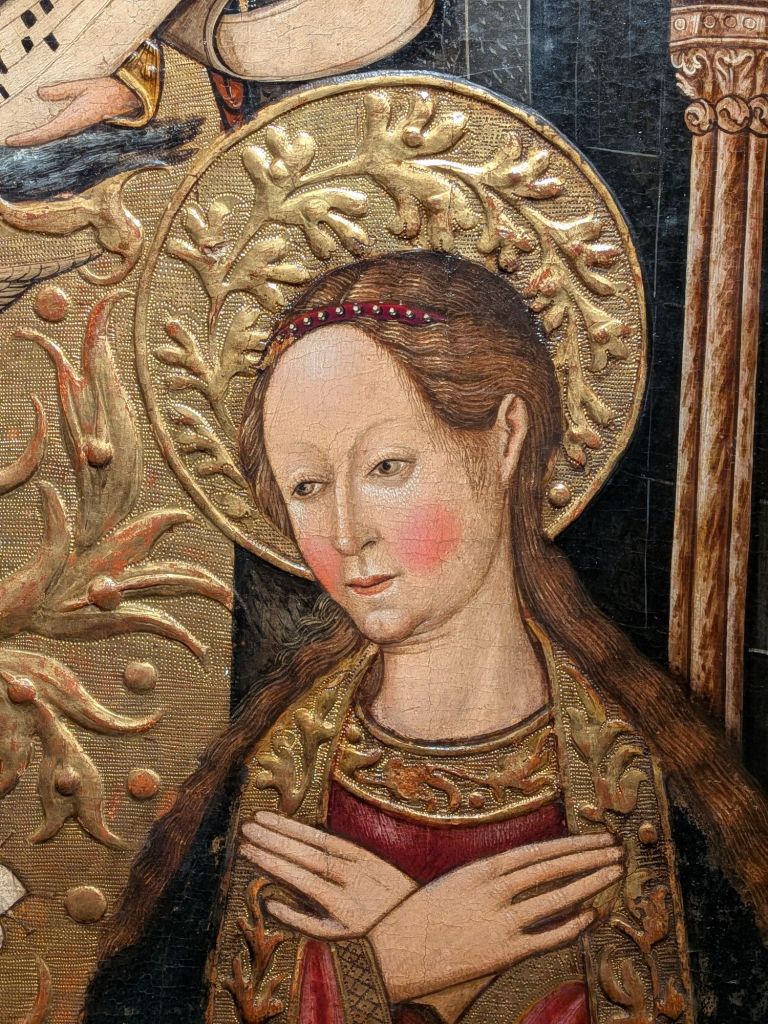
And here’s another one (of about six), plus the vast C15 choir stalls and organ, a C14 coffered ceiling in the treasury, an unbelievably beautiful and well preserved 1510-ish altarpiece in one of more than a dozen side chapels, and the lovely, sun-warmed cloisters:
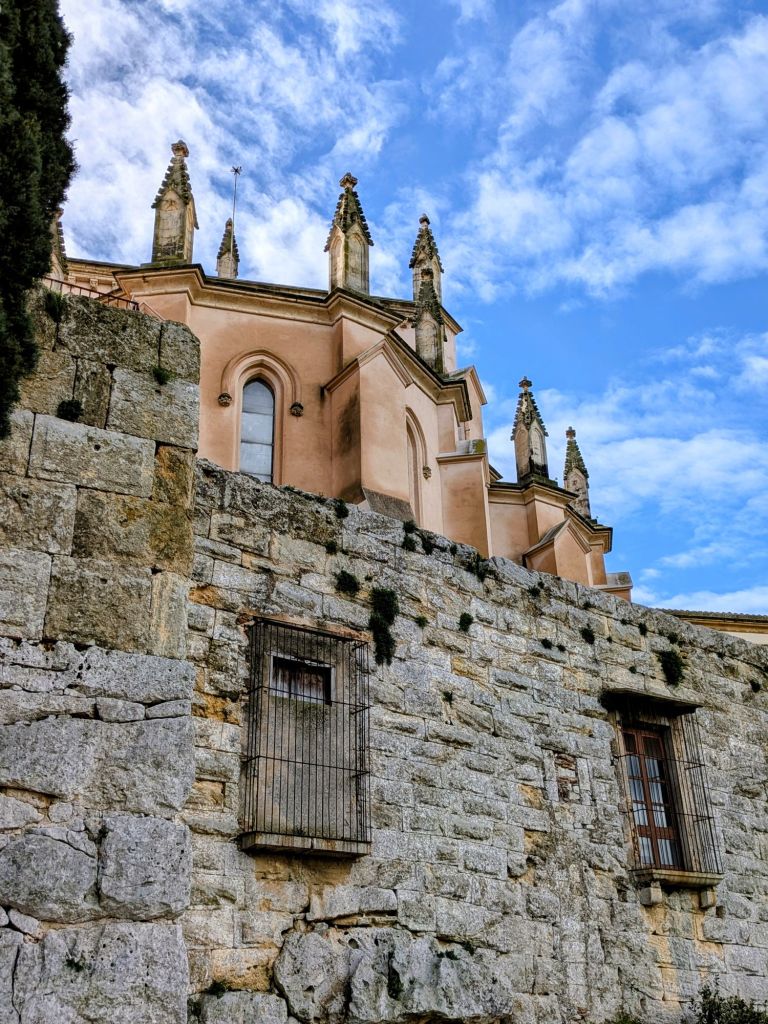
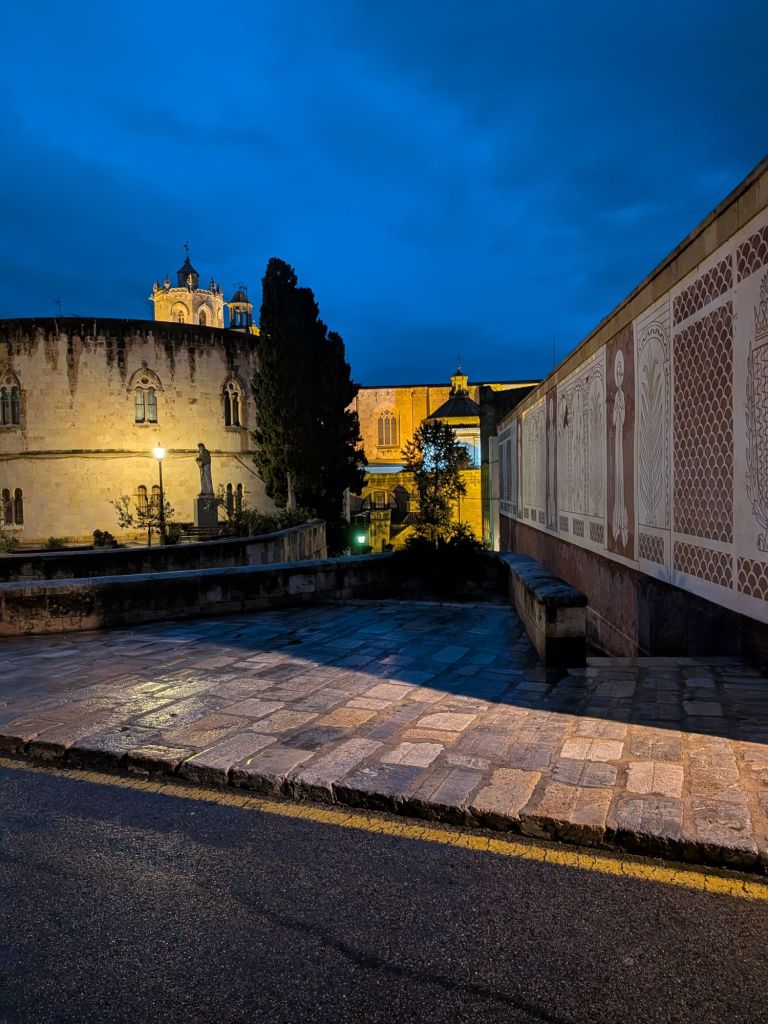
These pictures only scratch the surface of what isn’t so much a cathedral as a huge, rich, labyrinthine complex – all on the spot where the Roman forum once stood.
After about two hours we were seriously hungry and in need of a break, but then we discovered a whole section we’d missed, and we couldn’t bear to leave.
Then we realized we hadn’t yet seen the museum, and almost didn’t bother, which would have been a serious mistake:
We thought we’d have plenty of time, given that we covered a lot of ground yesterday and that many places are regularly closed on Mondays. Hah.
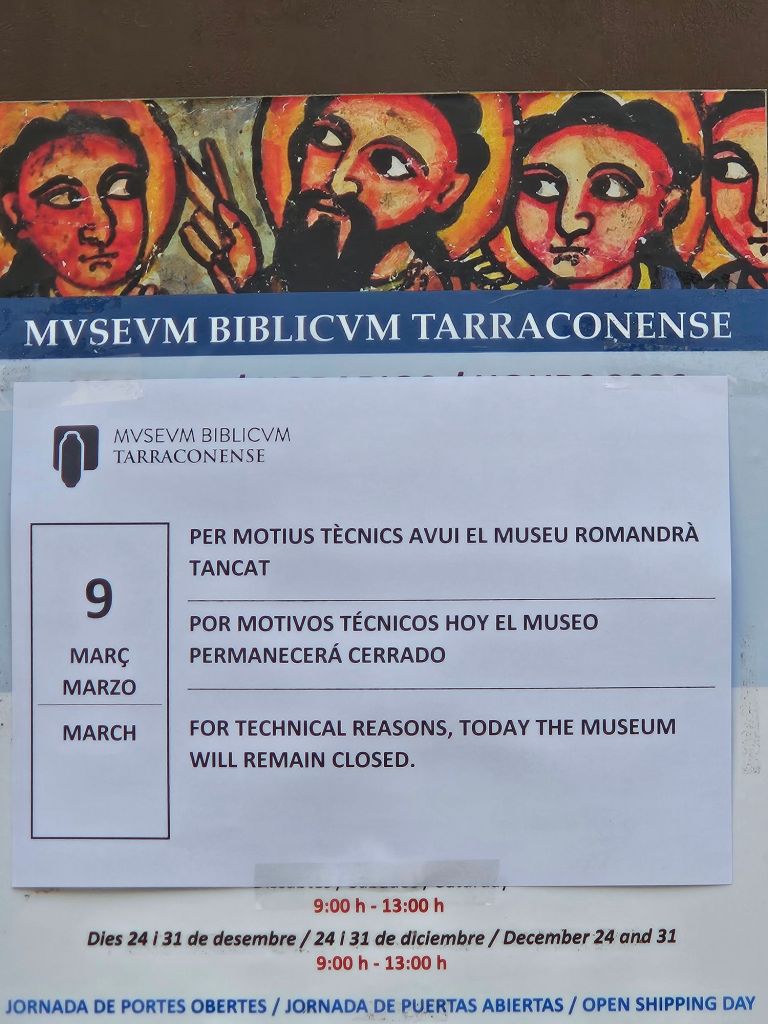
First stop, the Biblical Museum. Sign on the door:
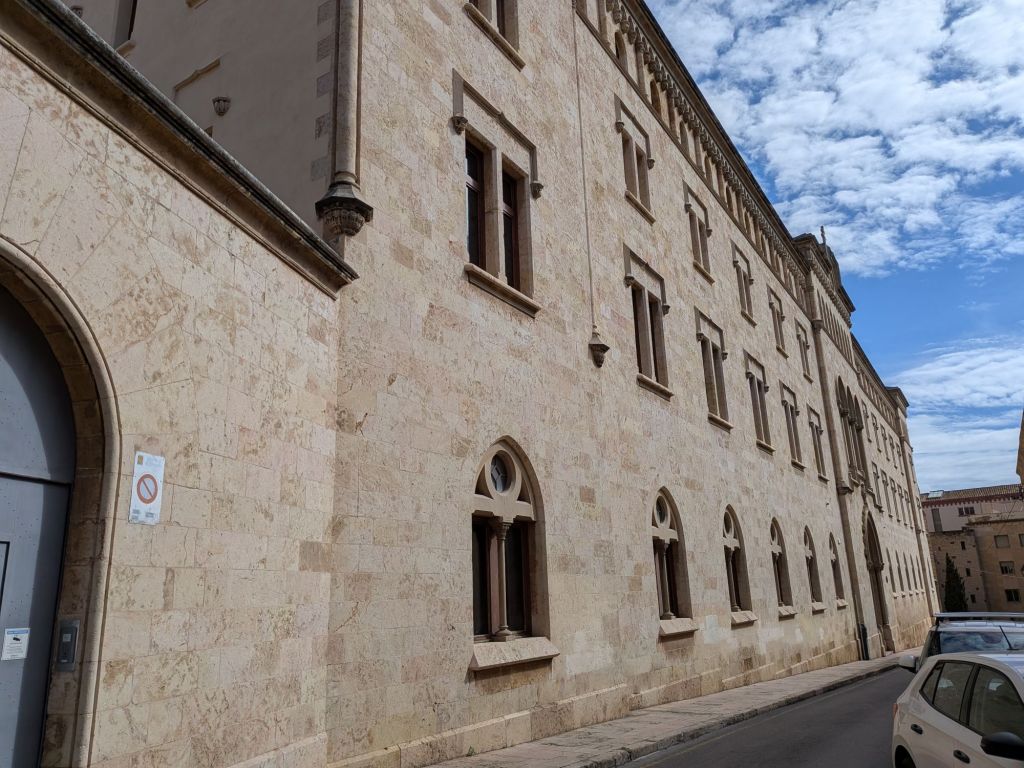
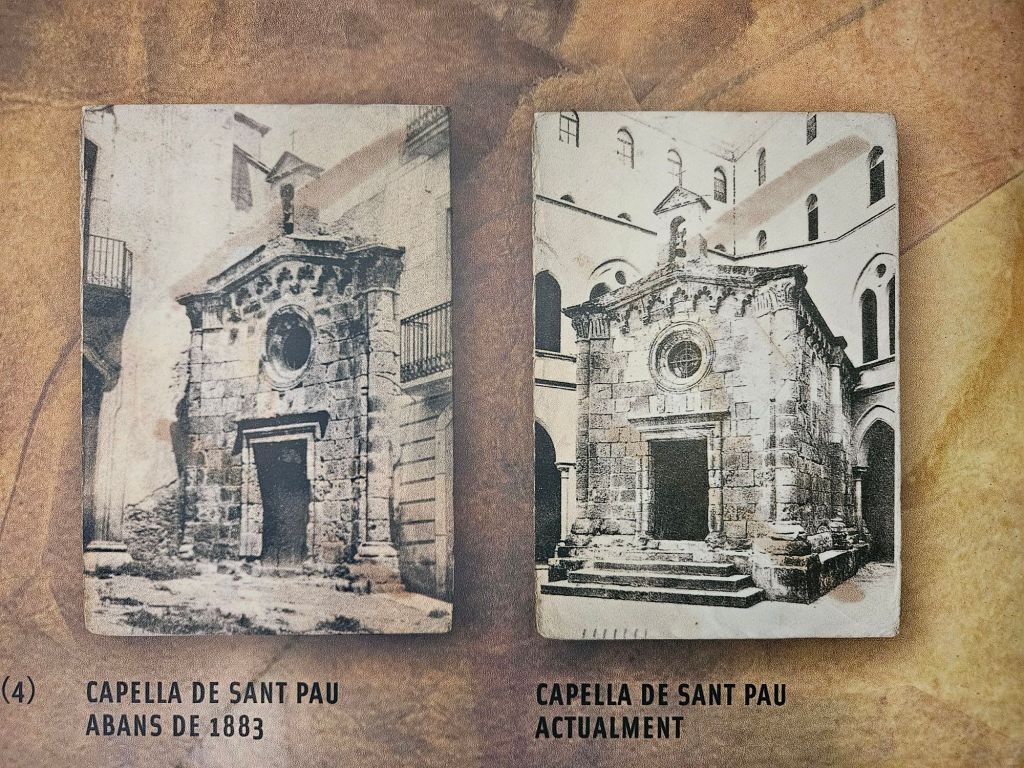
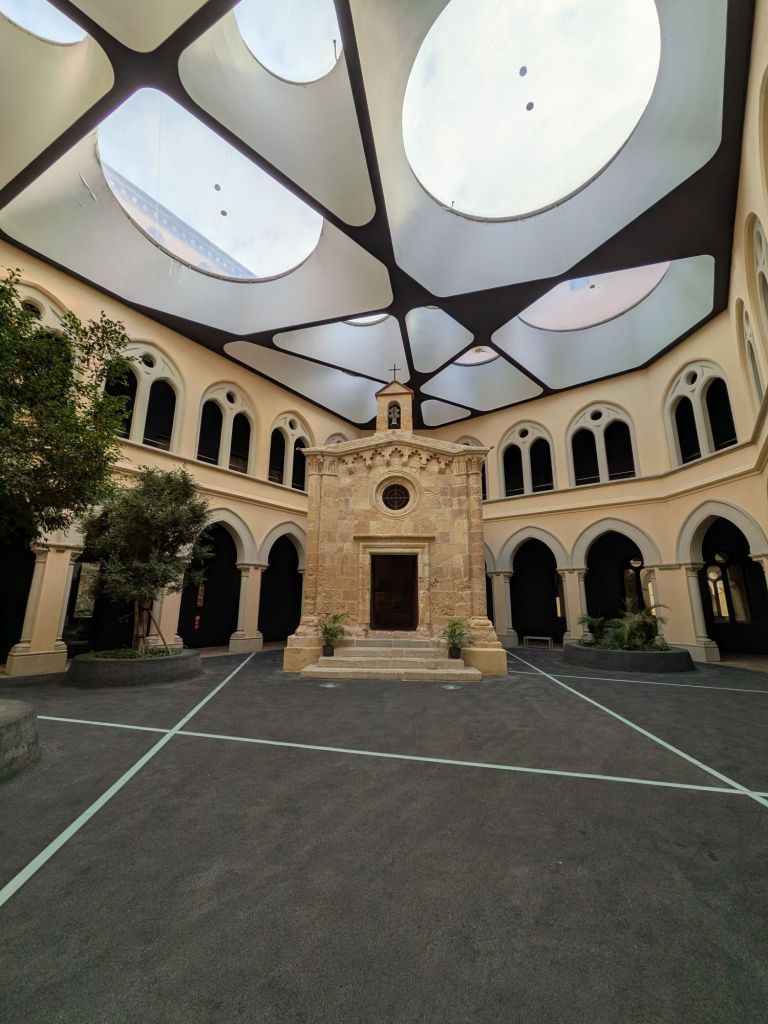
So that stop was fast. Up the street to the Chapel of St. Pau (Paul). We’re expecting a small 13th century chapel, but find a huge imposing building instead. Turns out it is the former seminary, built in the 1880s around the chapel, in a mix of Gothic and Renaissance styles that manage to be imposing and wonderfully elegant. (Hard to capture though because the surrounding streets are so narrow.)
The seminary itself ceased operations in the late 1960s and the building, extensively renovated between 2008 to 2012, now houses the cultural center of the diocese.
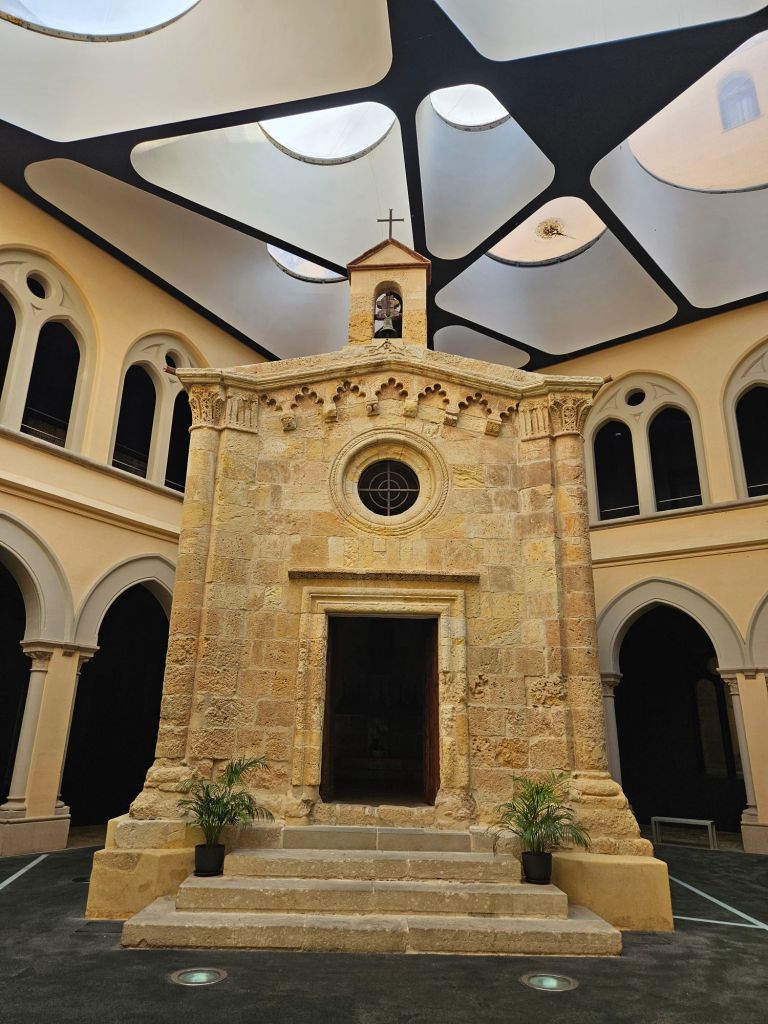
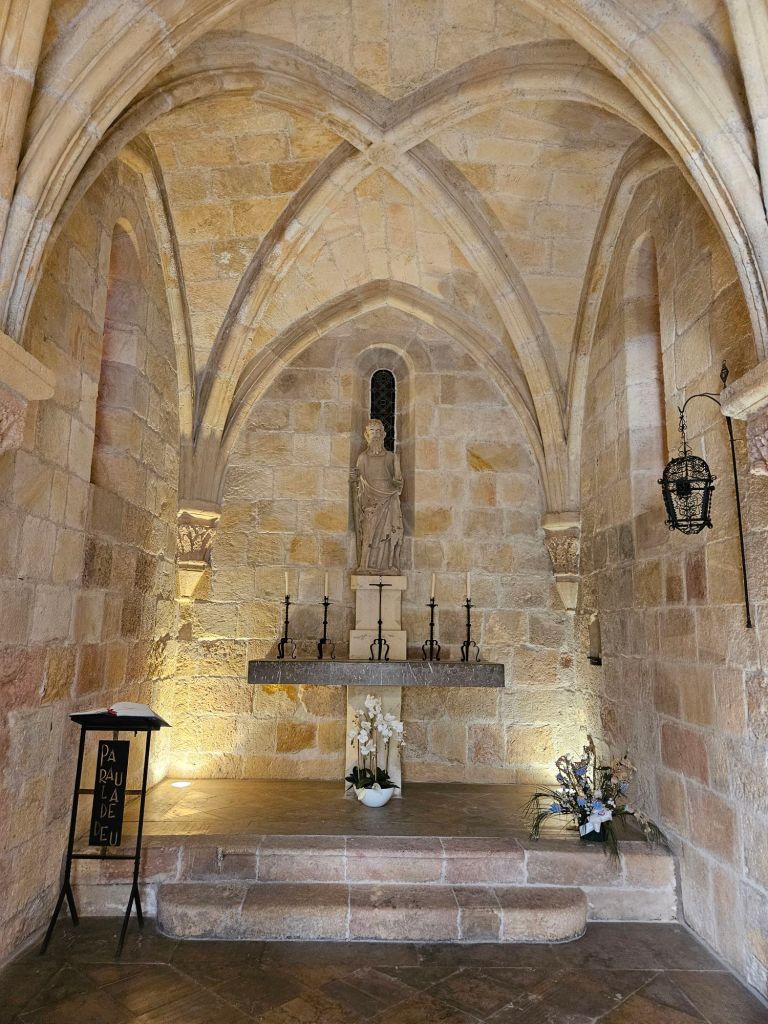
The chapel dates from the 13th century, after the end of the Muslim era, and was built as a satellite to the main cathedral (that’s another post). It adjoined the medieval hospital. Not only were two versions of the C. 18 building built around it, but in 2012 the whole courtyard was enclosed in ultra-modern style. The combination is like nothing we’ve ever seen.
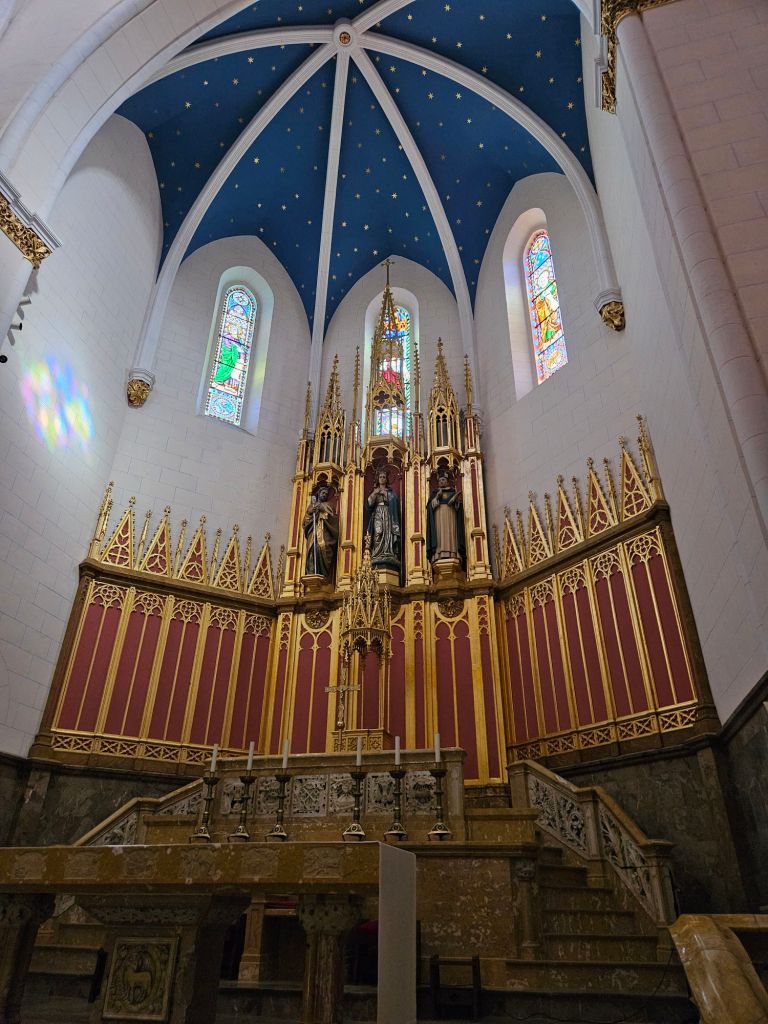
The chapel exteriorThe chapel interiorAn illustration showing how the chapel was integrated into the original seminary walls and uncovered during the most recent renovations.C13, C18, C21
The Seminary itself was a unexpected bonus, even if we were chastised, over a nearly unintelligible PA system, for going up the stairs to see the exhibits on the second floor. (In our defense, the lights were on, there was no signage, and we could see more exhibits on the upper gallery.)
Because the old chapel was not enough, there was also a new chapel in the seminary.
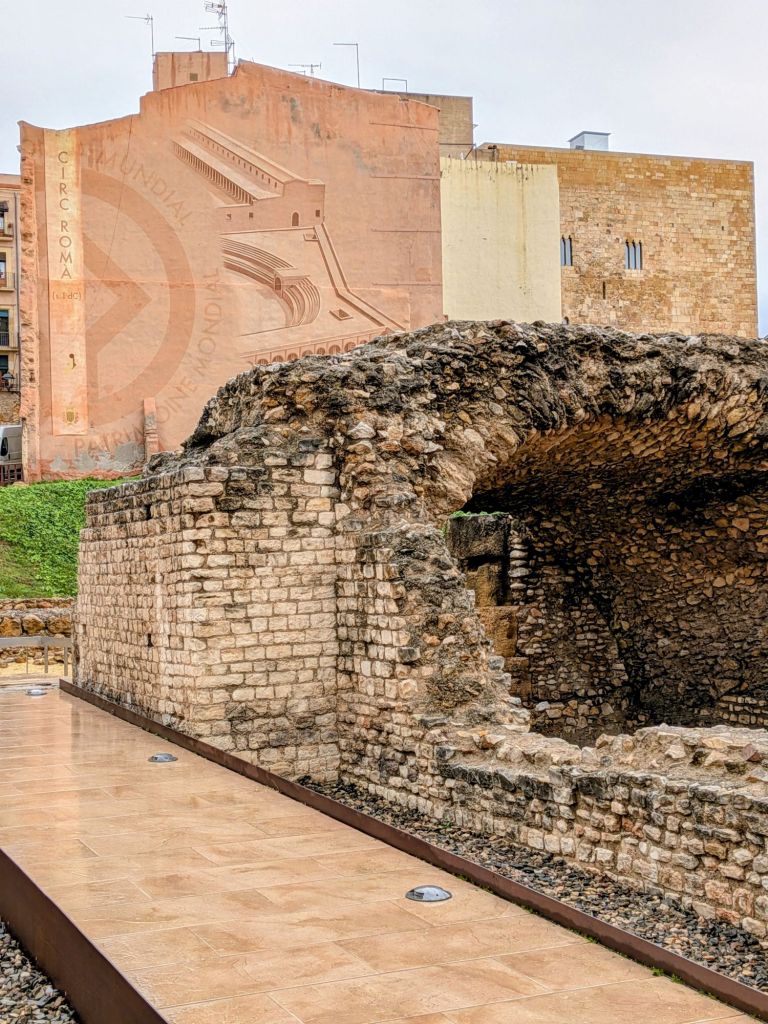
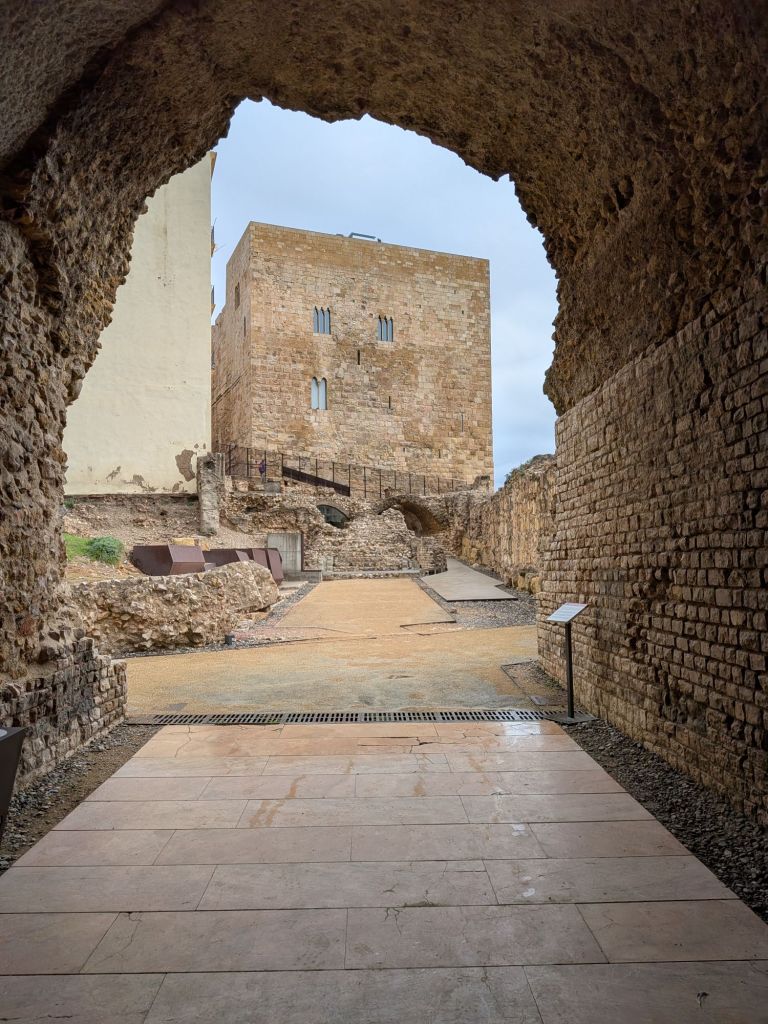
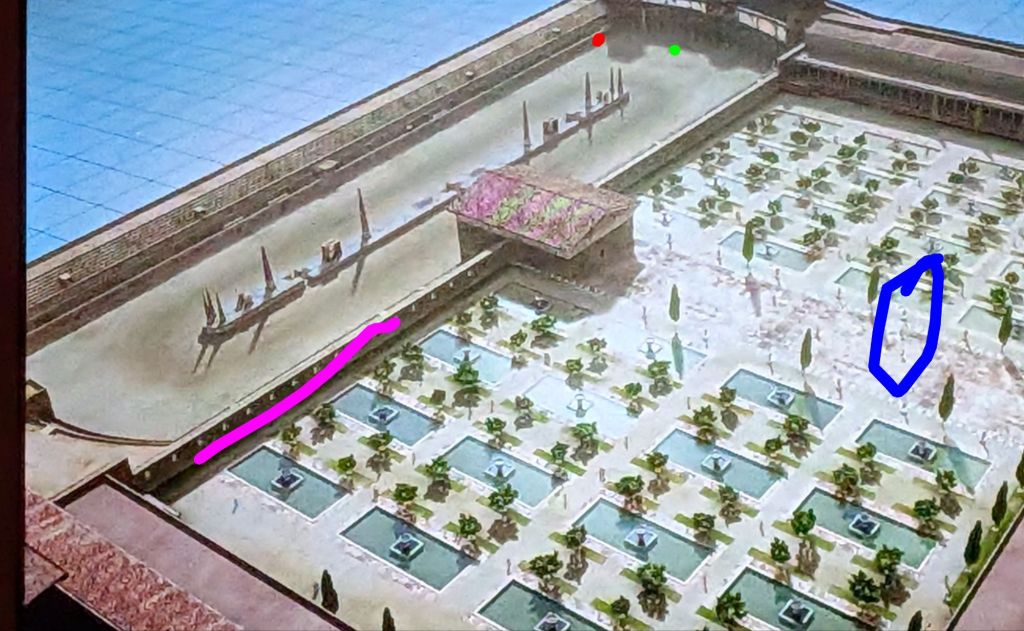
Eastern end of the chariot stadium – see the handy plan on the wall behind, in which you can just (at bottom) see the arches of which this was one.
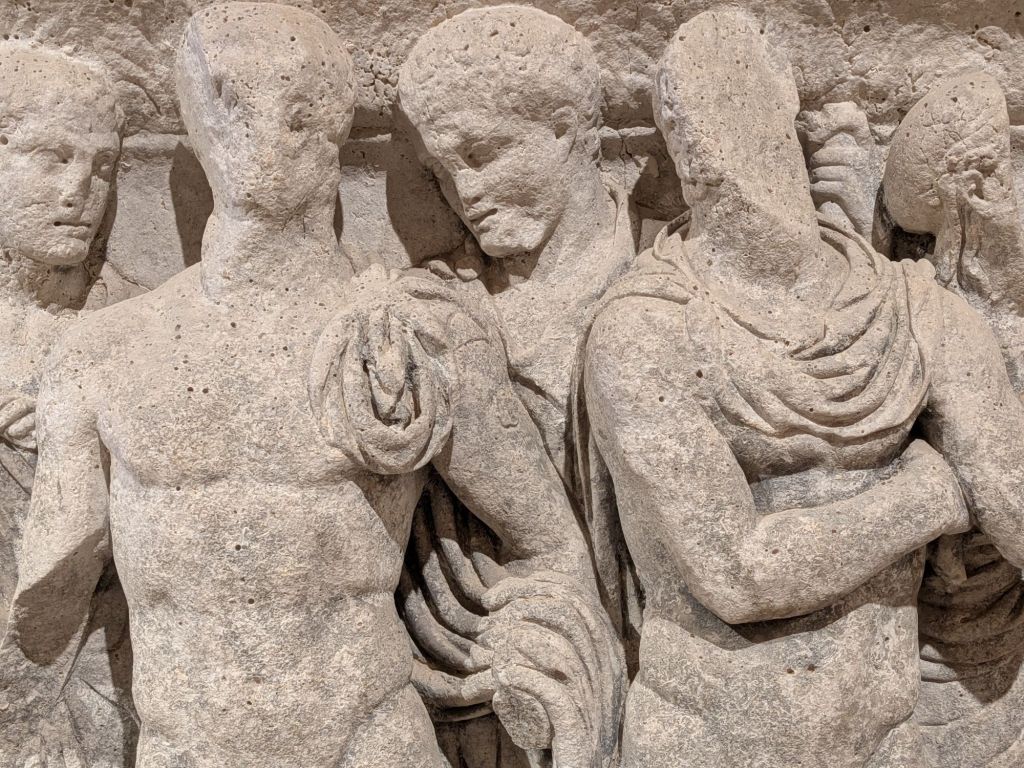
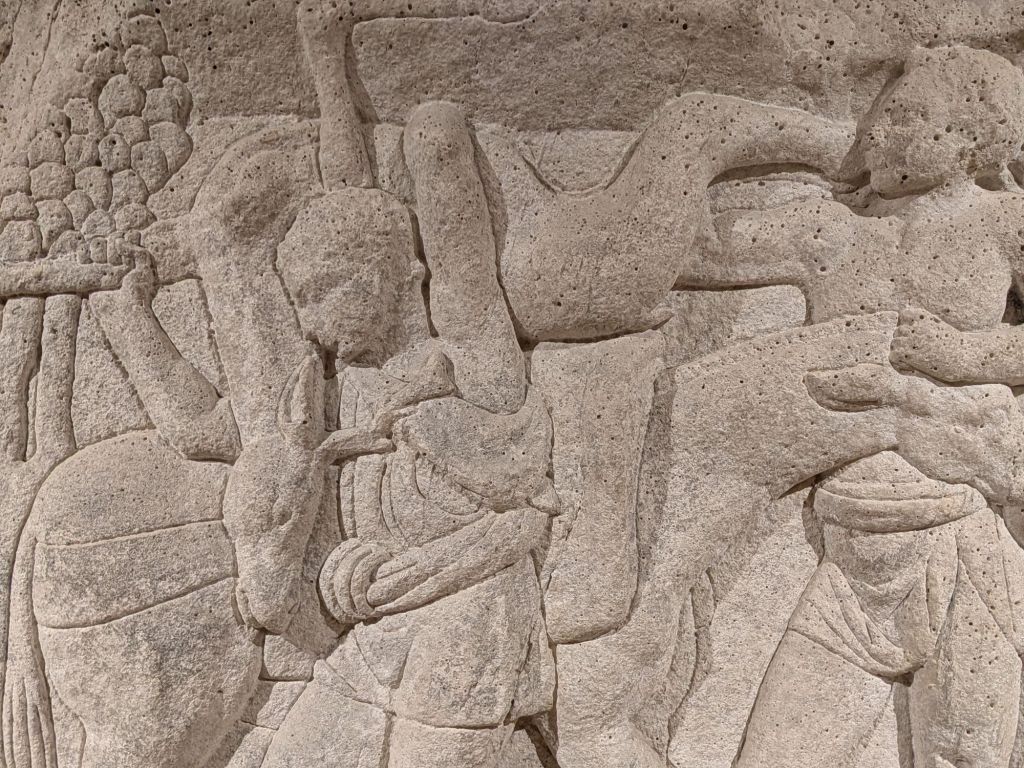
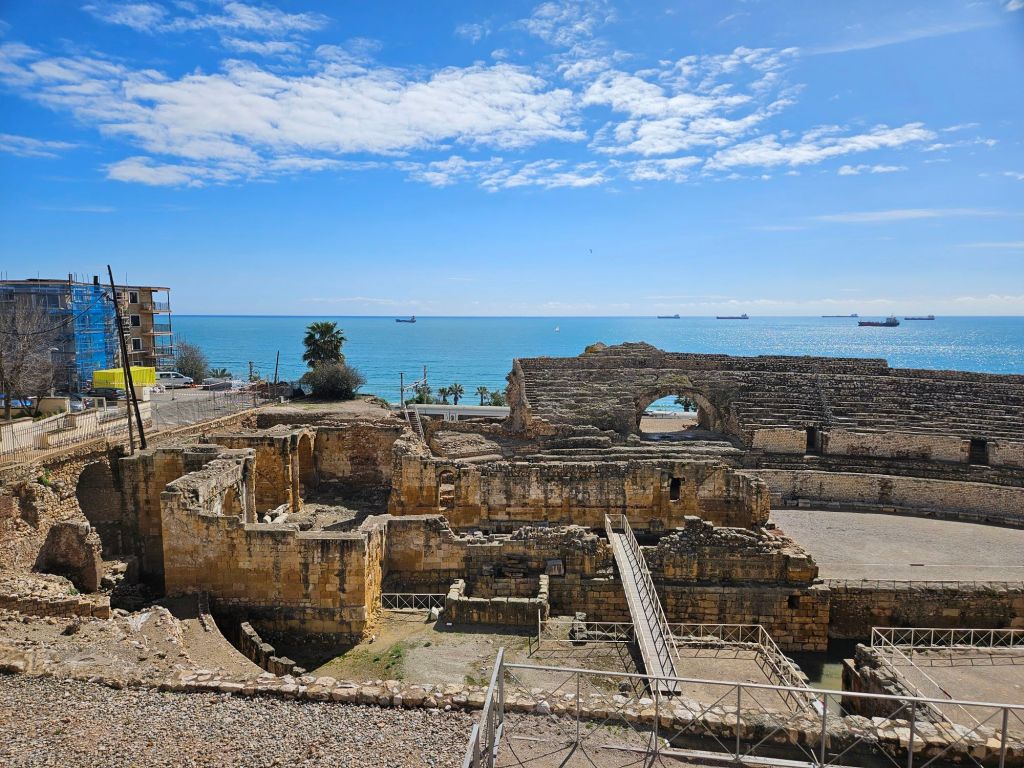
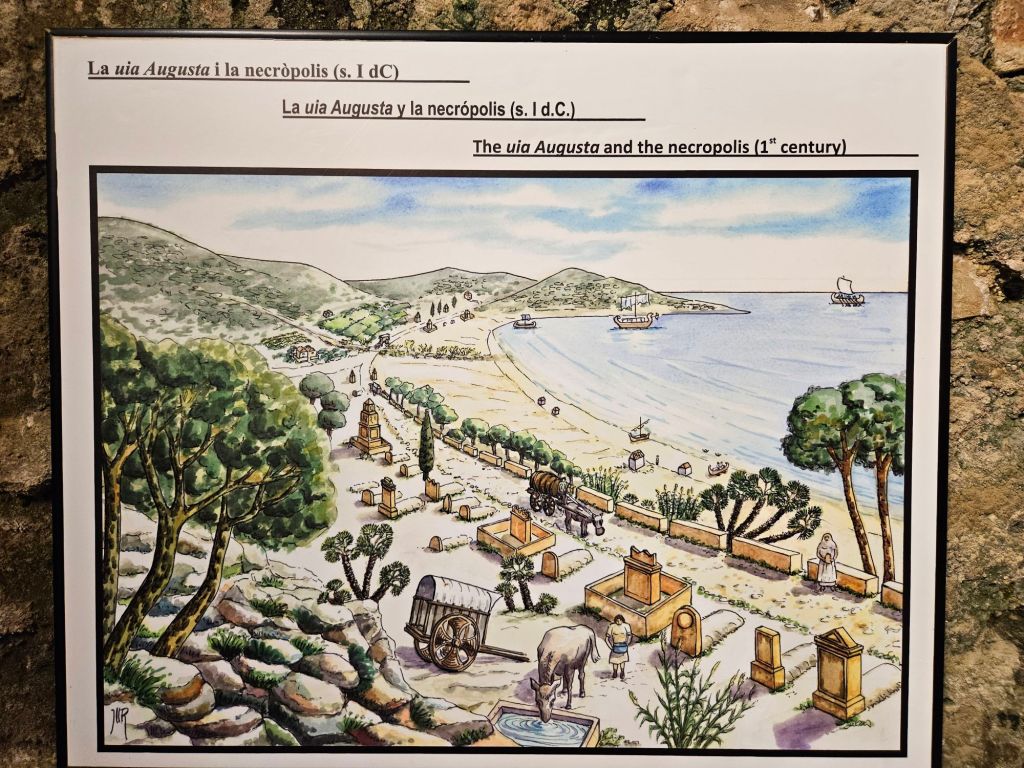
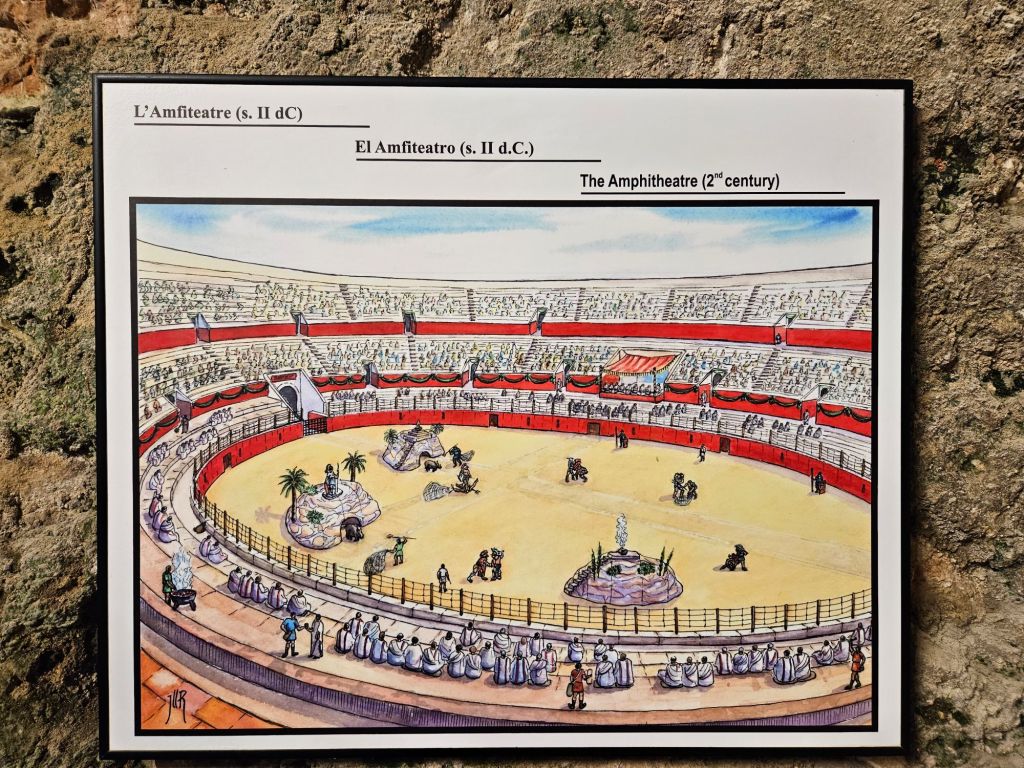
Tarraco – as the lads from Italy called it – was a major settlement by the first century; what remains of it is the largest set of Roman ruins on the Iberian peninsula. See K’s earlier post for the anfiteatro (location, location, location).
Y mucho más: the entrance to the ruins (above) is the beginning of a clockwise circuit within and around the entire city wall. Some of the major stops:
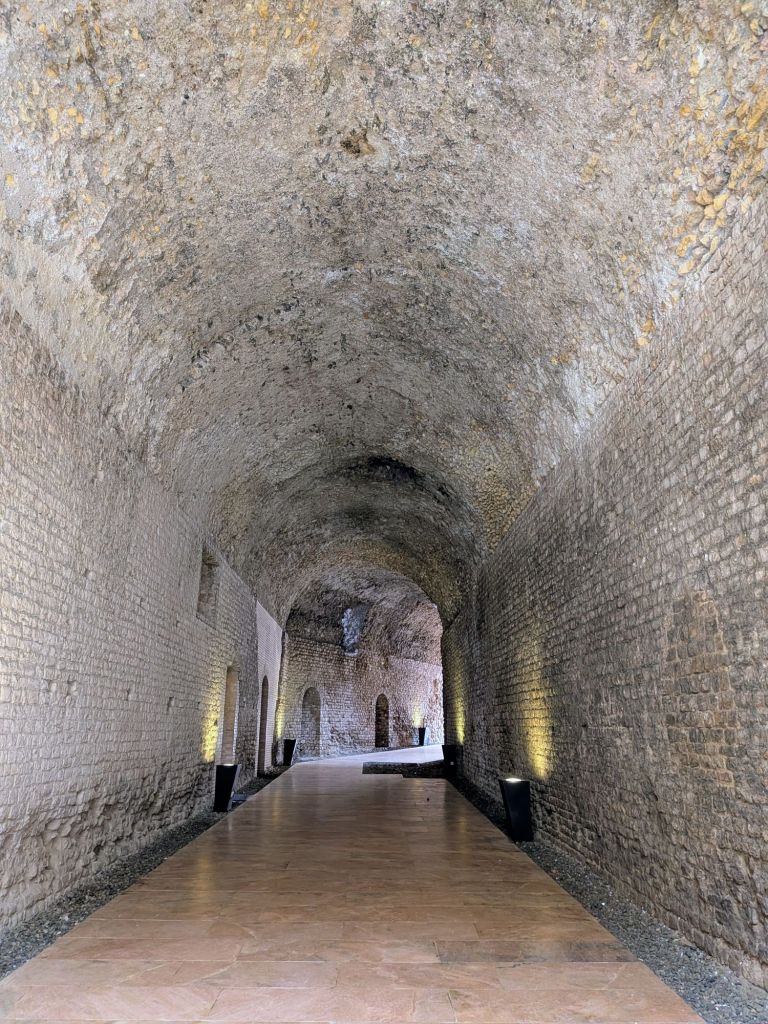
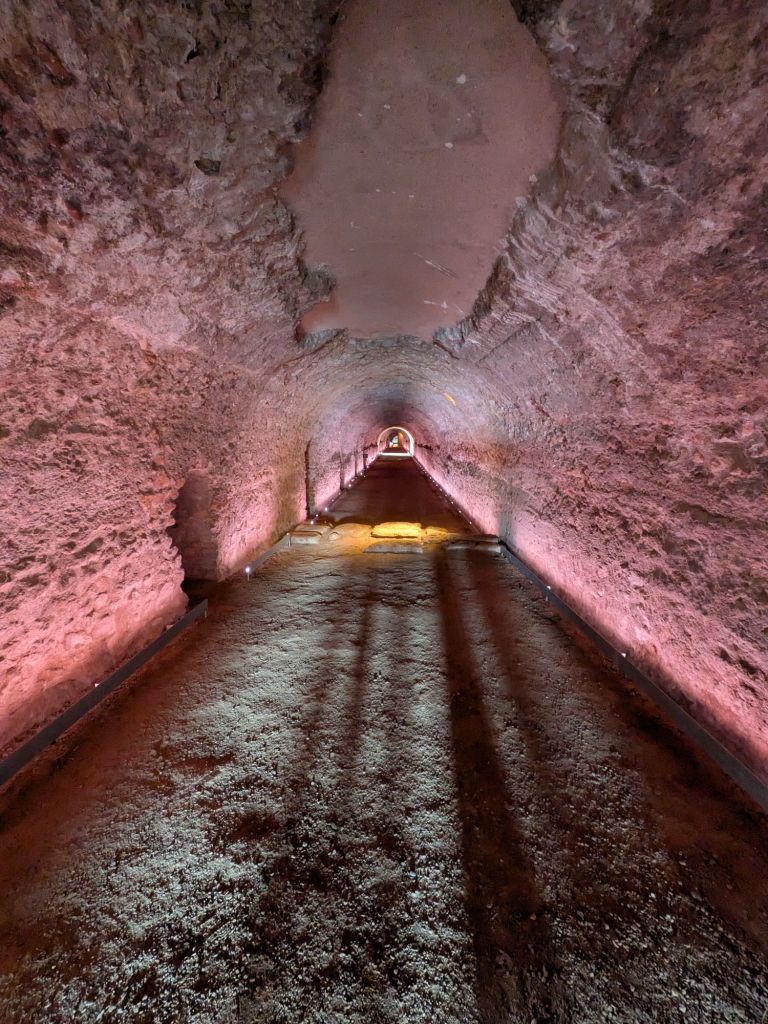
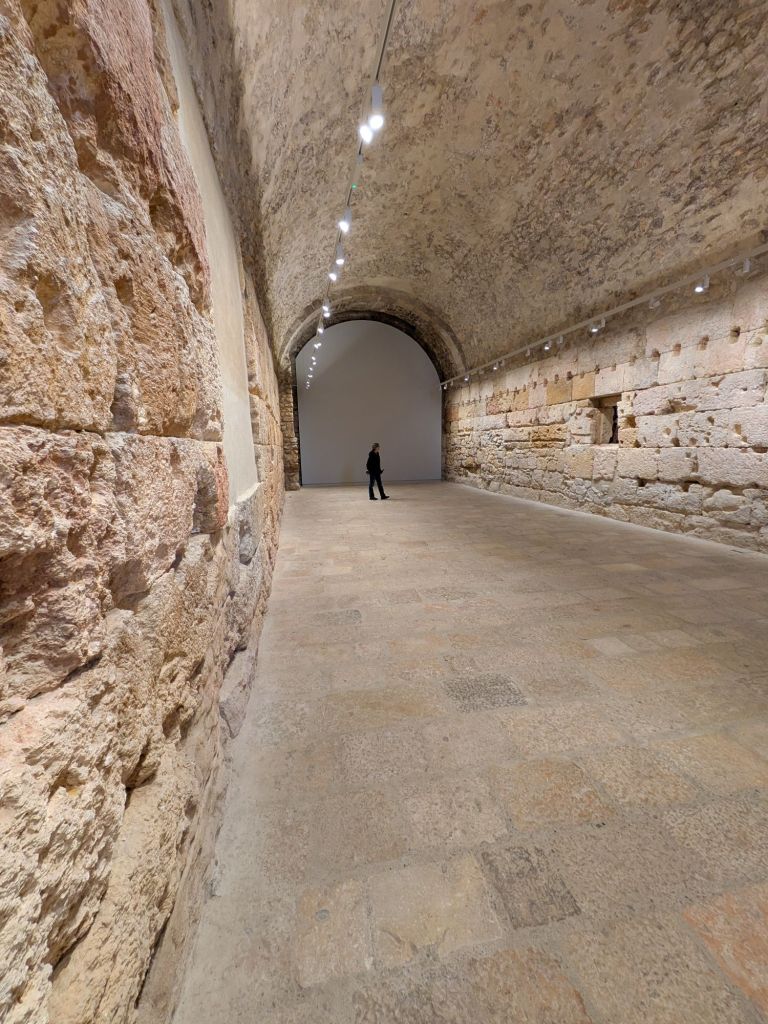
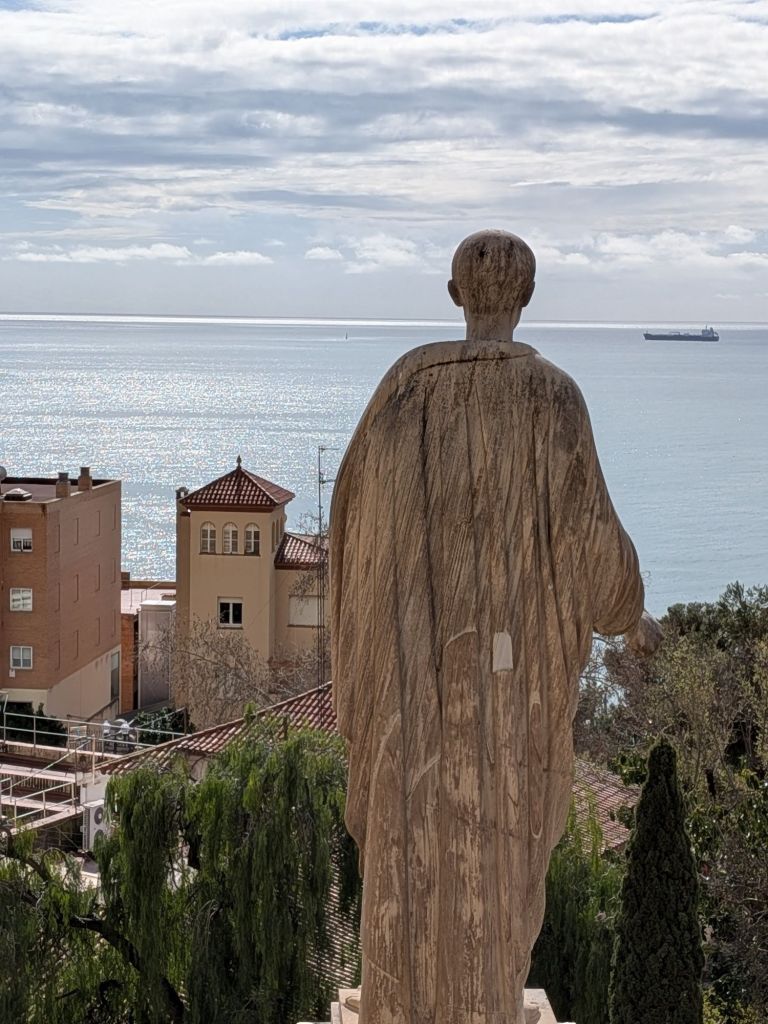
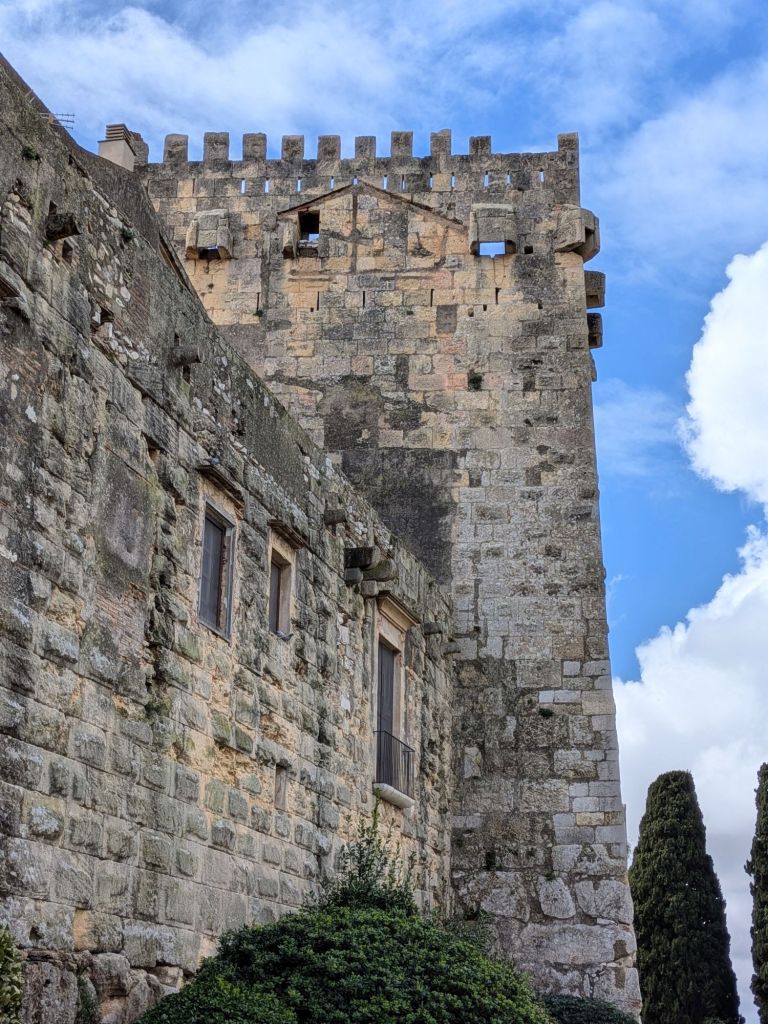
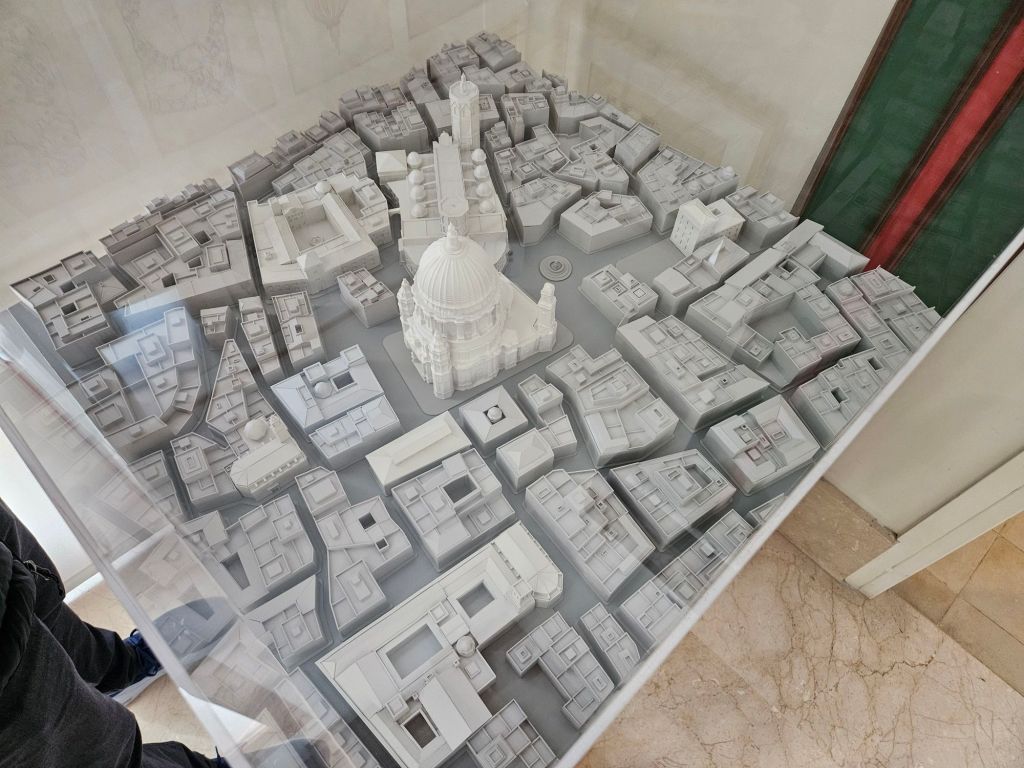
Tunnel under the eastern endEnormously long tunnel under the stands along north side – used for chariots, then as a rubbish pit for centuries, then re-excavated.Medieval tower built on ruins of a Roman one, with huge galleries, sarcophagi, and great views over the cityOctavian, aka Augustus Caesar, enjoying a smirk and a view of the Med after defeating Tony and Cleo at ActiumA model of Tarraco showing where the Roman stadium and forum were in relation to the current cathedral (blue circle), long tunnel shown above (pink), modern town hall (green dot) and our apartment (red dot).Walls on west side. This tower is mainly Muslim, 1100- ish, but the wall – 12 m high and 3 m thick – is an hodgepodge of Roman, Visigothic and everyone-else elements.
Badly in need of lunch after that. Had to wait for ages, but got a table in the shade of a tree about four o’clock. Ate far too much.
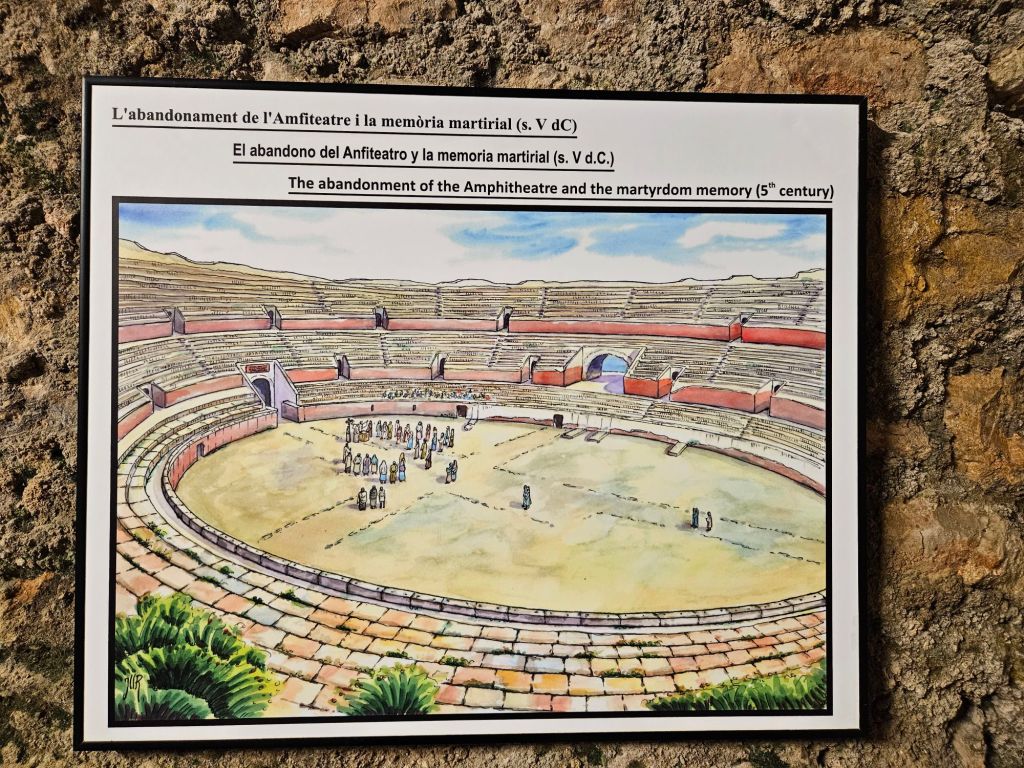
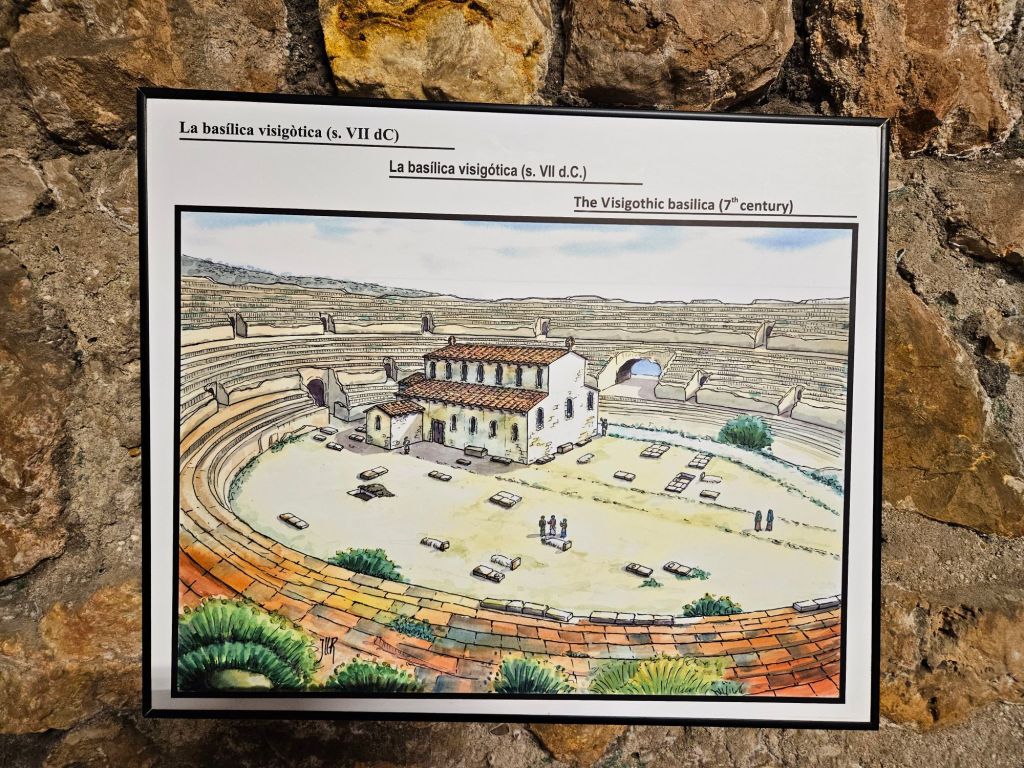
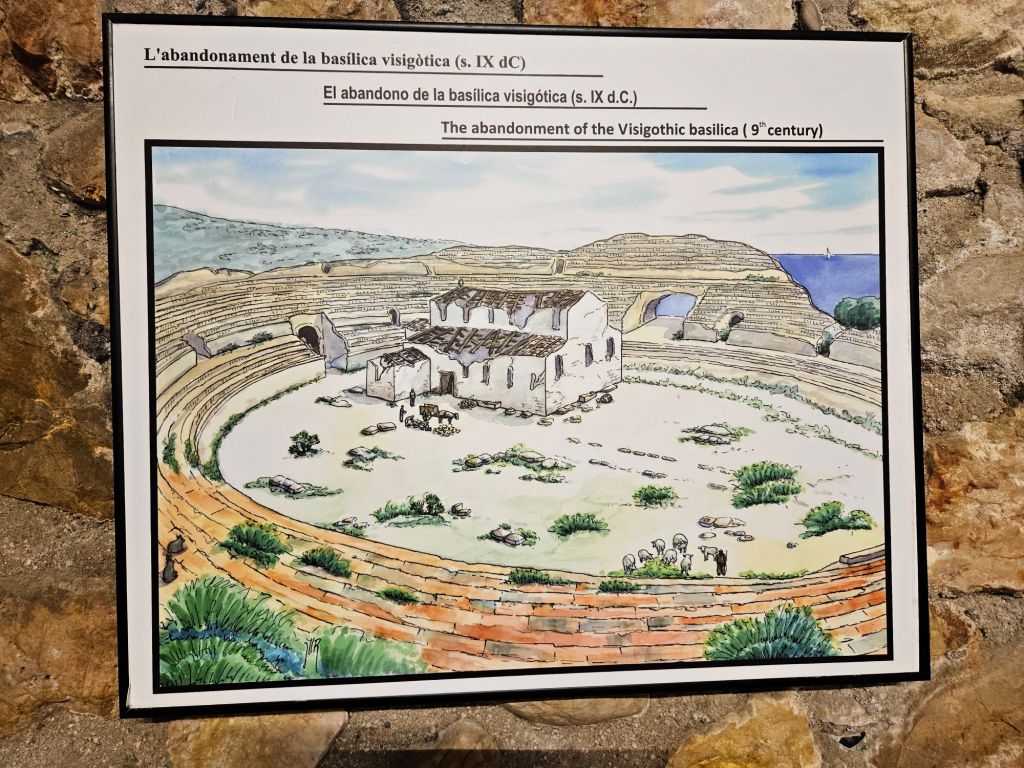
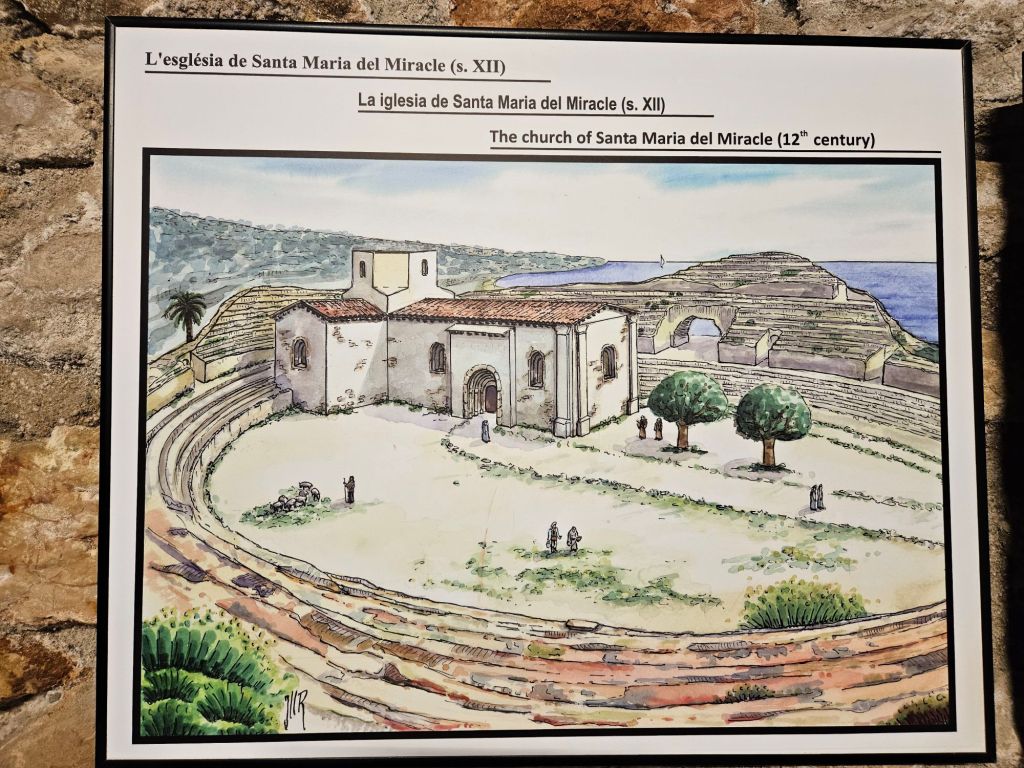
Visited the ruins of the Roman amphitheater (c.150 después de Cristo) in Tarragona today. Visible within are the remains of two separate churches built approximately 600 (the Visigoths, after the fall of the Empire) and 1300 (Christians rebuilding after the Reconquista). So many layers of history.
Later dinner–by our standards. At 10:30 the dinner hour was really just beginning.
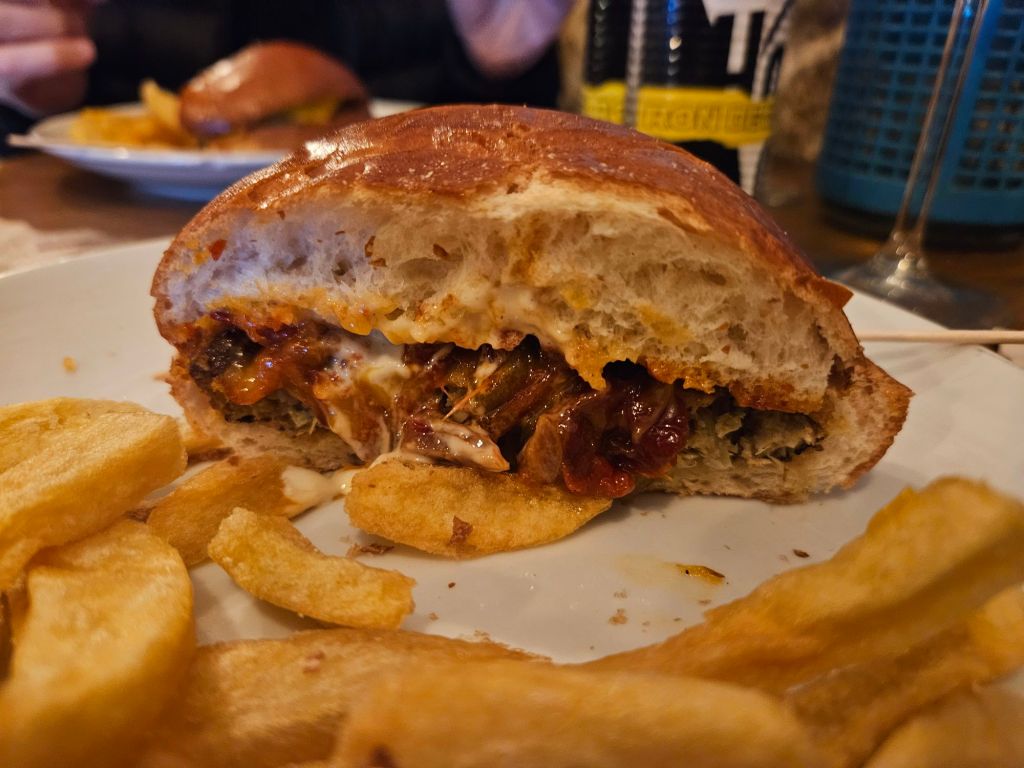
In any event, since we’d had a large late lunch, we decided to split the alcachofa hamburguesa. Best veggie burger I have ever had.
Had to interrogate the owner so I can hopefully recreate this at home. Cook your artichokes in a small amount of water, then finely chop them with their cooking liquid (so as to not lose any flavor). Add some soft chickpeas (to bind it together), along with olive oil, salt, and pepper to taste. Sear the patties on a hot plancha. Serve on a bun with roasted red pepper, aioli, caramelized onion, and a little spicy brava sauce.
The plan, or fantasy, was to wind our way up the coast, stopping to view a couple of spectacular castles clinging to cliffs above the blue Mediterranean.
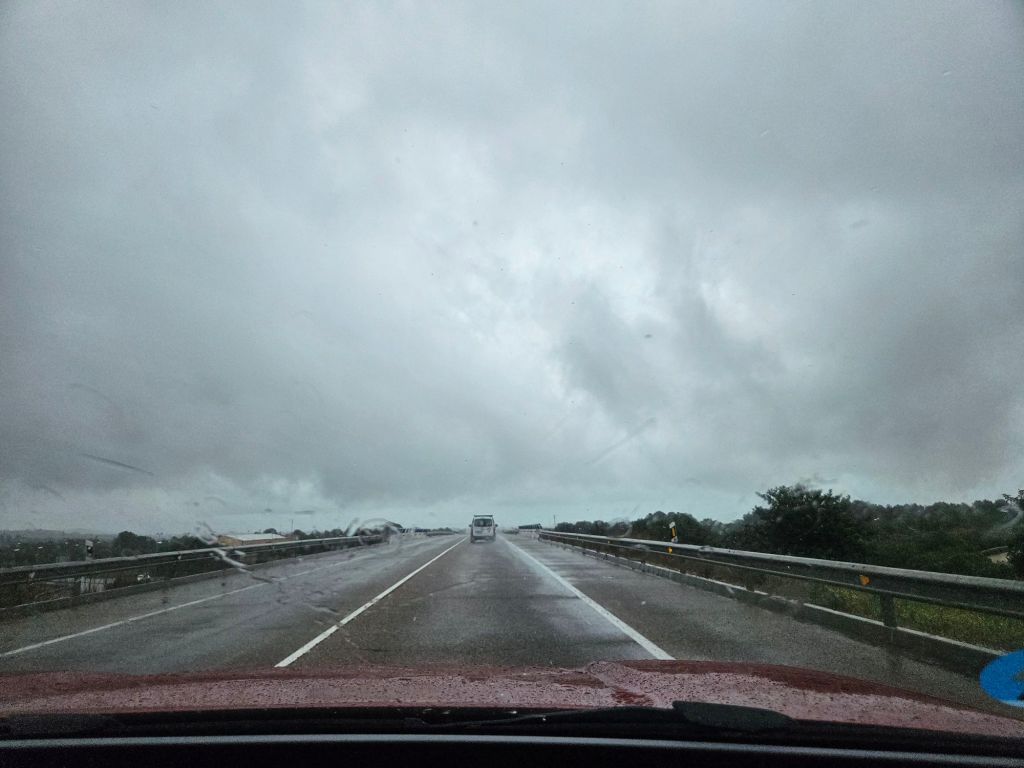
Picked up the rental car, no problem, and it poured with rain all day.
Nice lunch stop at a tiny mom and pop restaurant where about ten Spanish men around one table were engaged in competitive high-decibel conviviality.
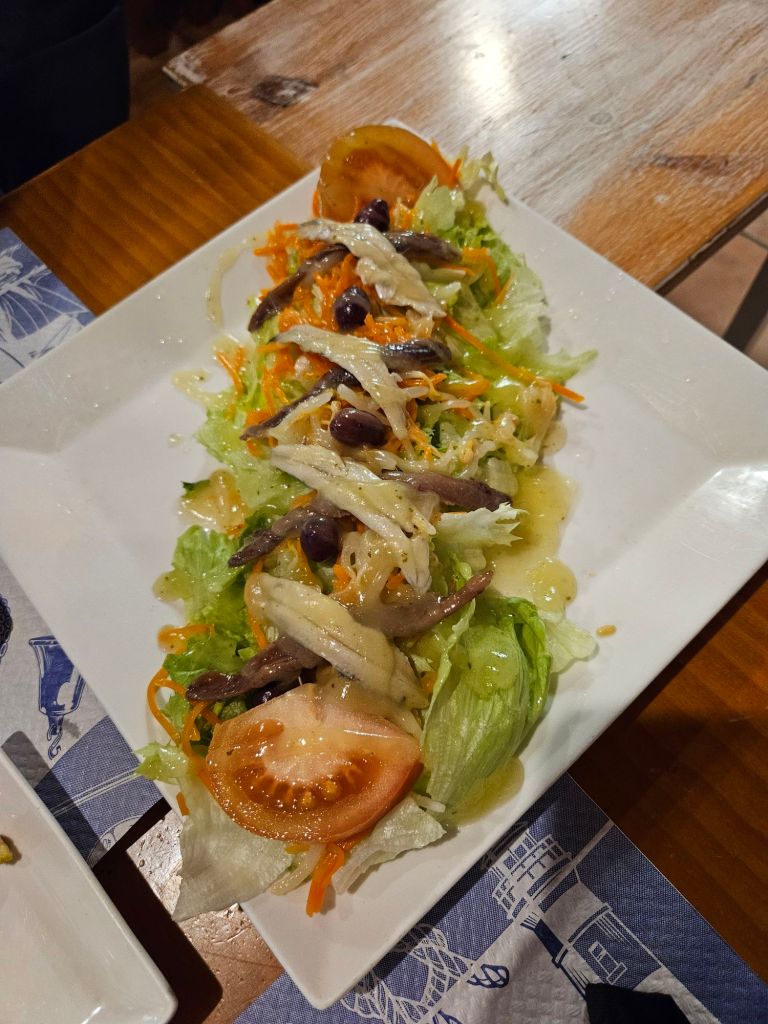
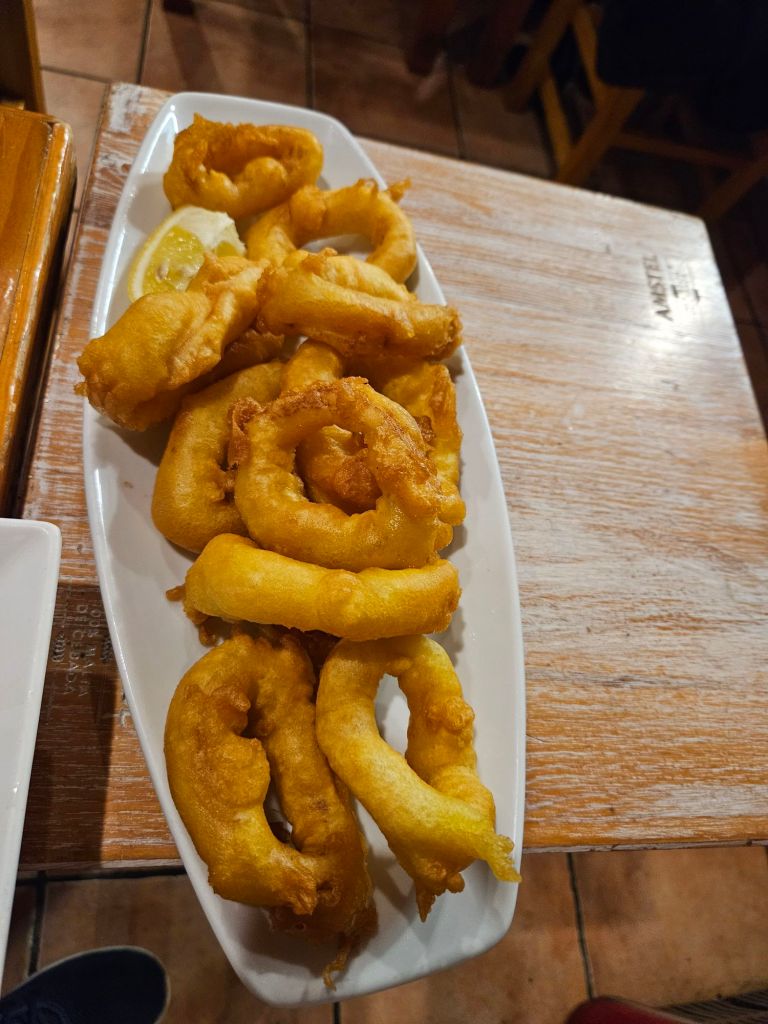
Biggest fried calamari we’ve ever eaten, plus the taverna salad with anchovies and boquerones
Then onward up the autopista at 120 kph under low grey clouds and more rain.
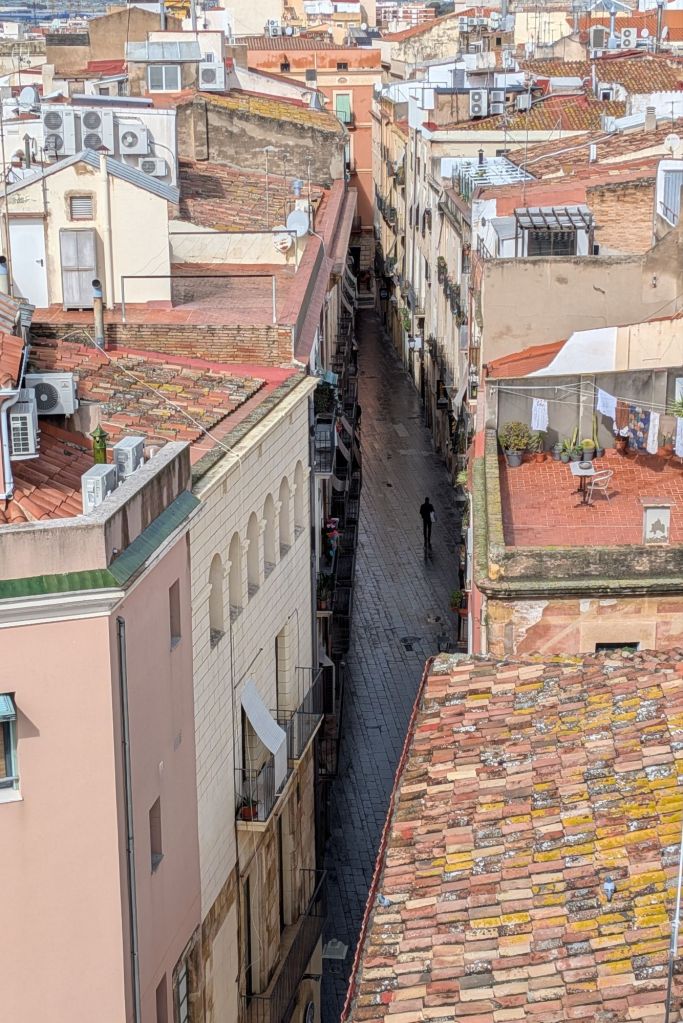
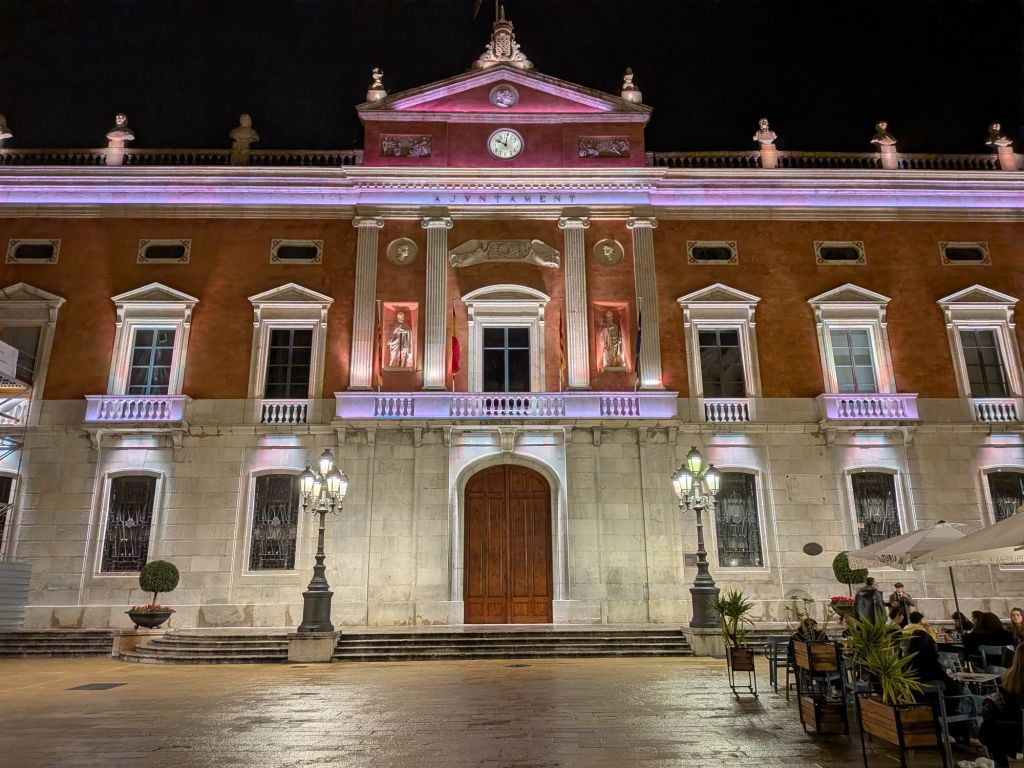
Found our slightly sketchy but brilliantly located apartment. It’s in the taller building at left, overlooking Placa de la Font, the central square of old Tarragona.
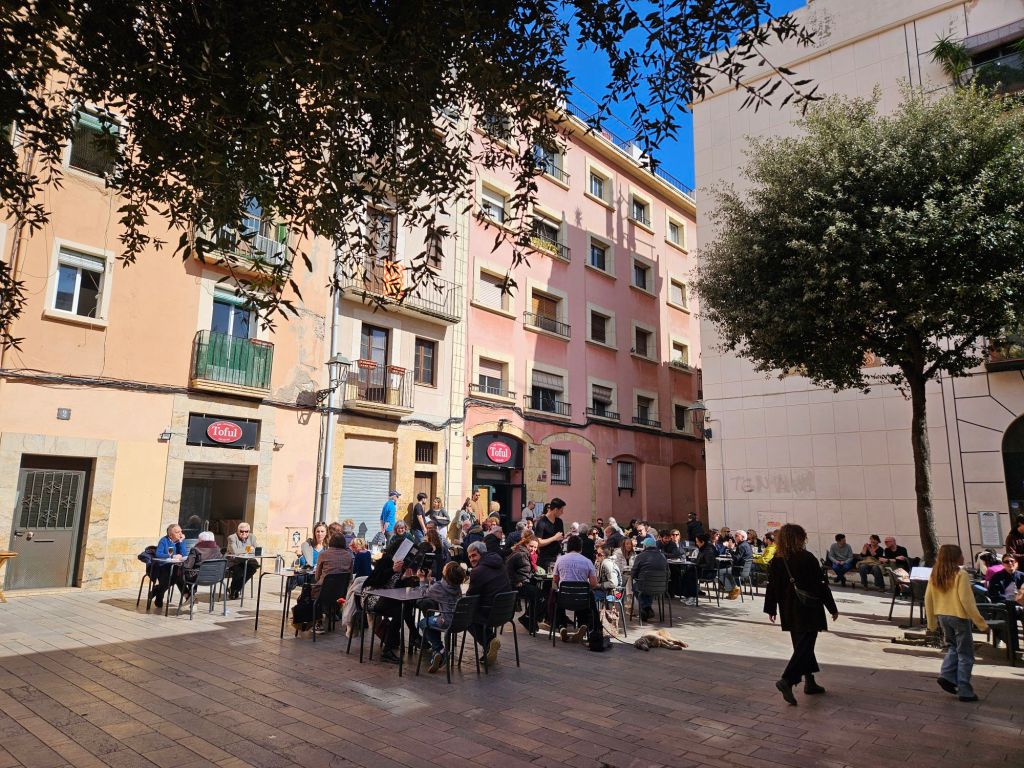
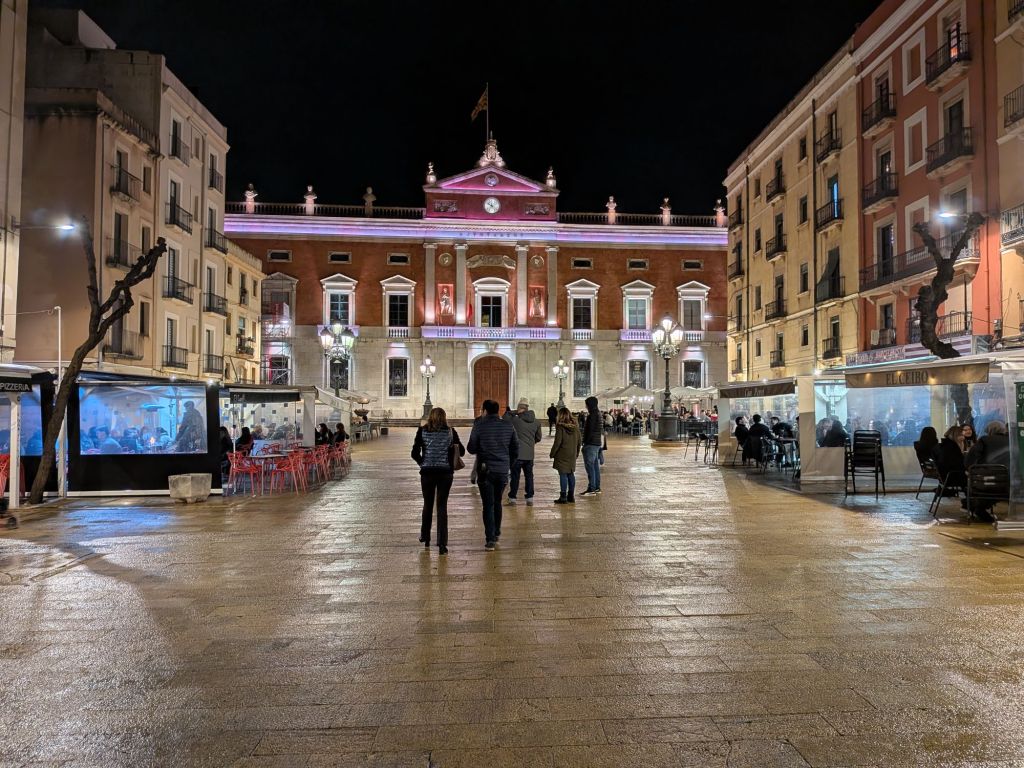
The Placa is now dominated by the lovely C.19 town hall – and brave people seated under heaters at a dozen or more outside restaurants. But 2000 years ago this space was a Roman stadium used for chariot races.
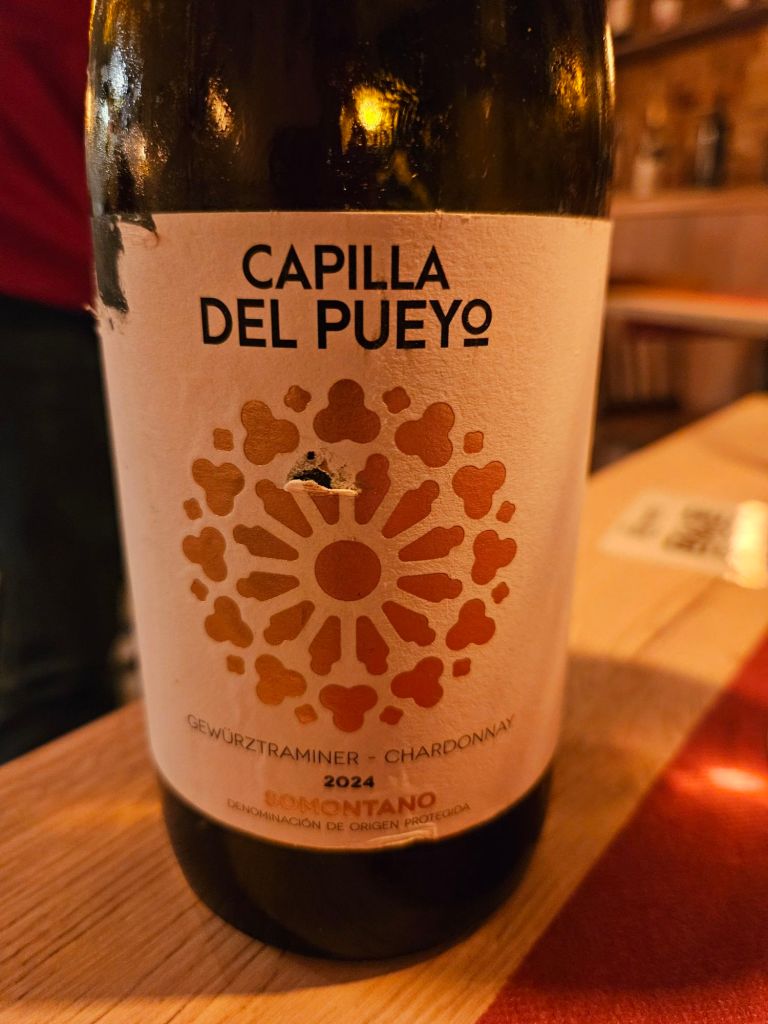
Now drinking wine in a quiet bar around the back of the town hall. K especially taken with her “semi-seco” blend of gewurztraminer and chardonnay.
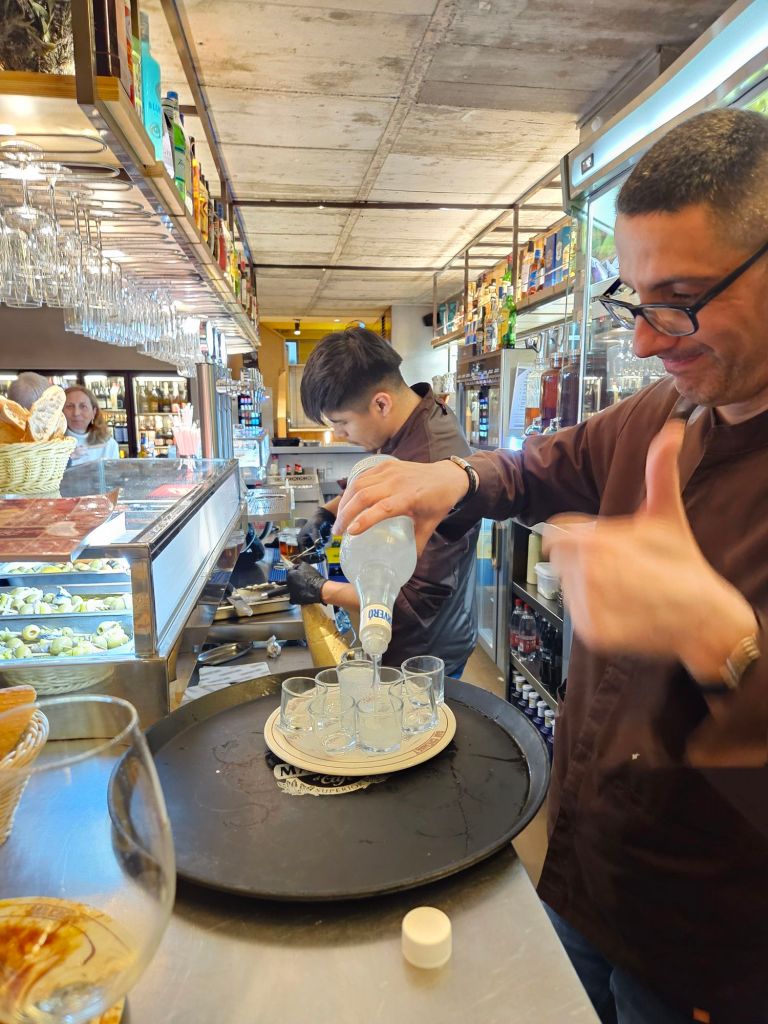
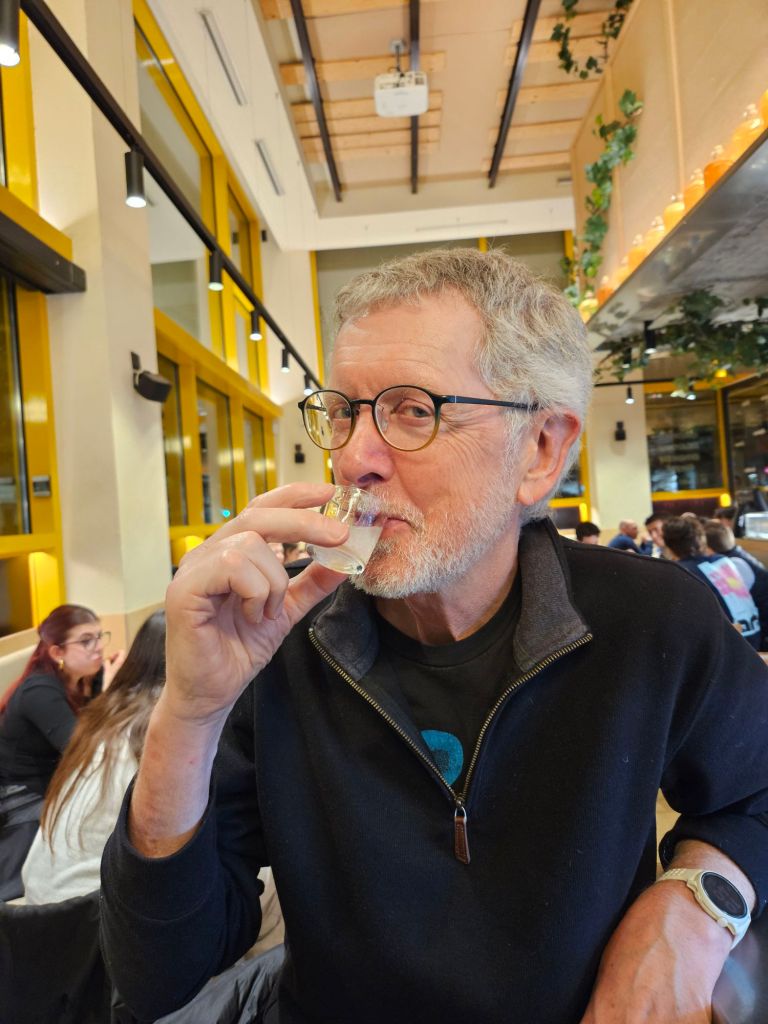
Sitting in a bar, at the bar, eating tapas. Waiter just poured a round of shots from a frozen bottle of some sort of Valencian liquor. As he swung out from behind the bar towards the table of 10 young men, we caught snatches of a song hummed under his breath.
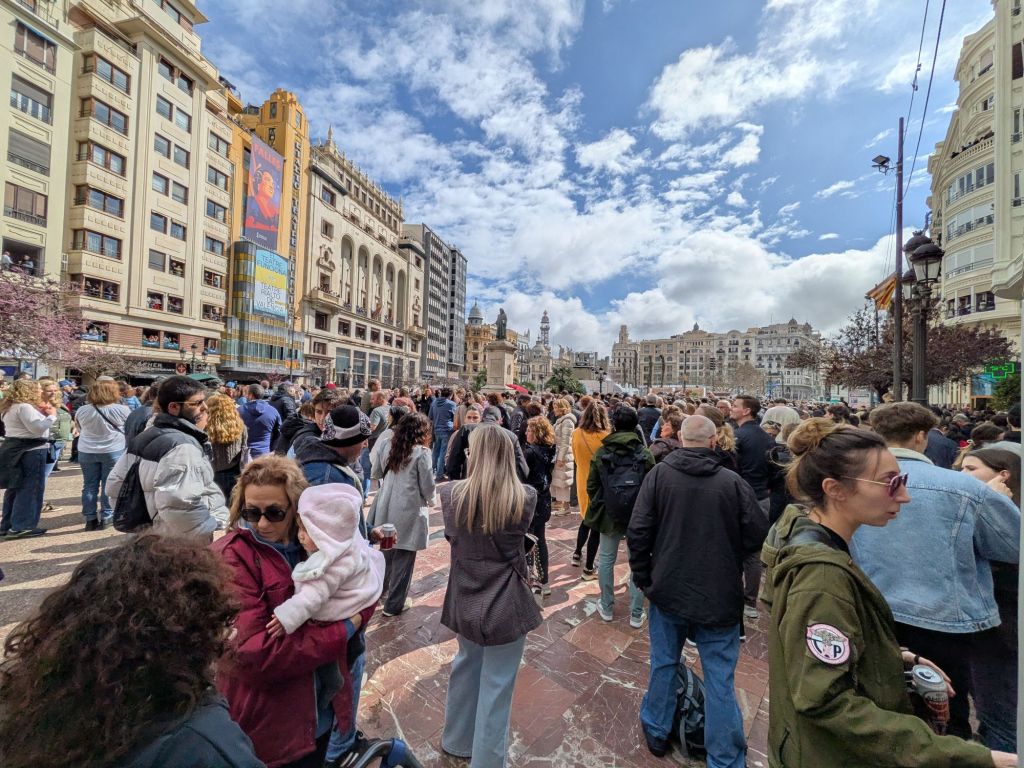
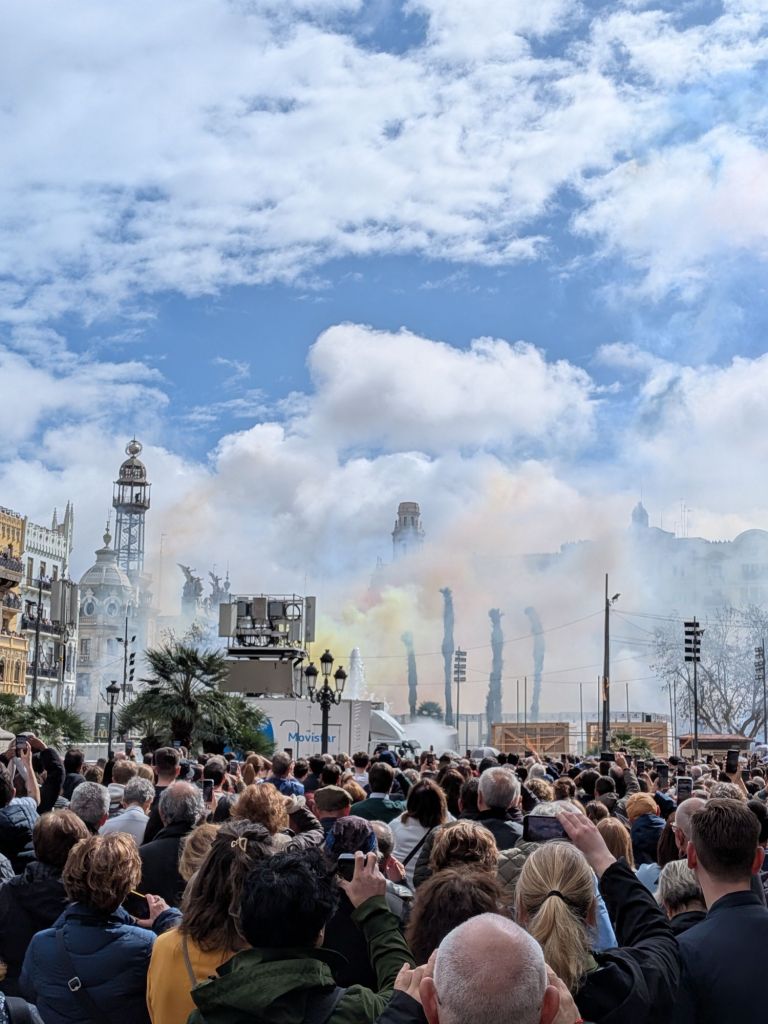
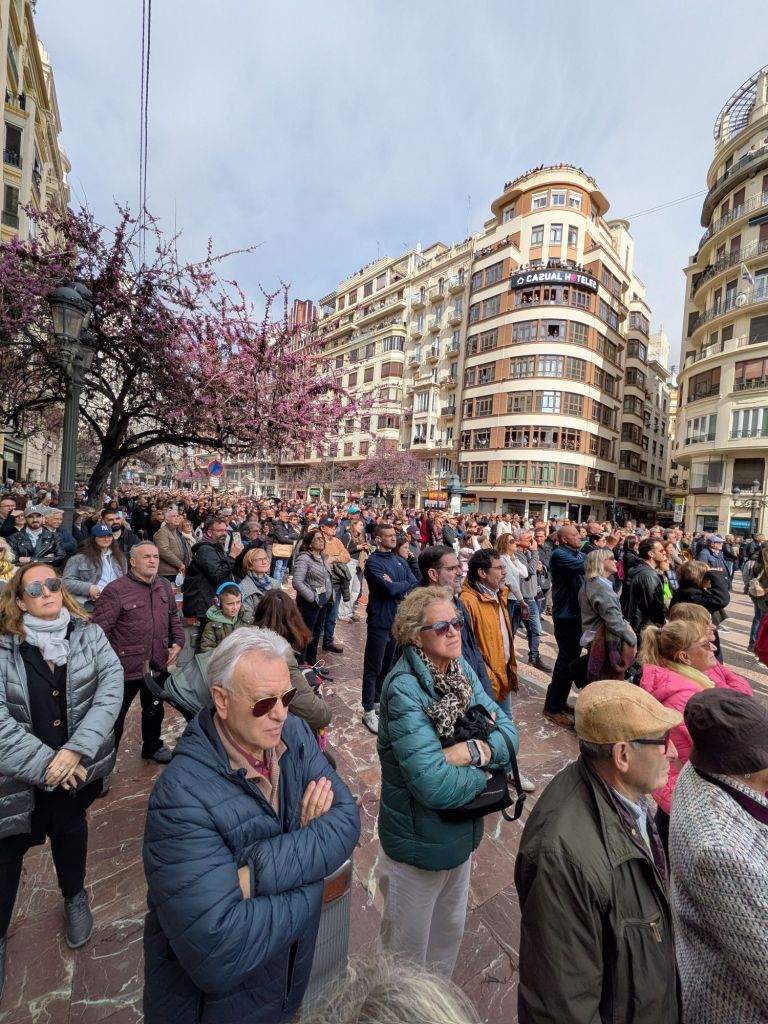
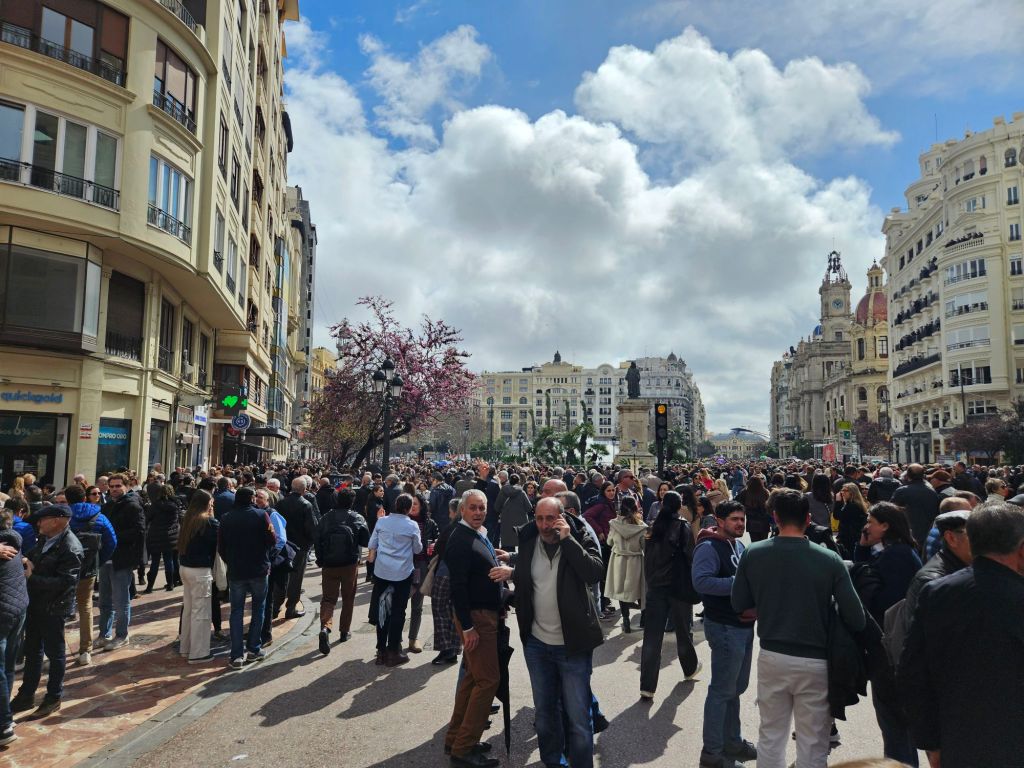
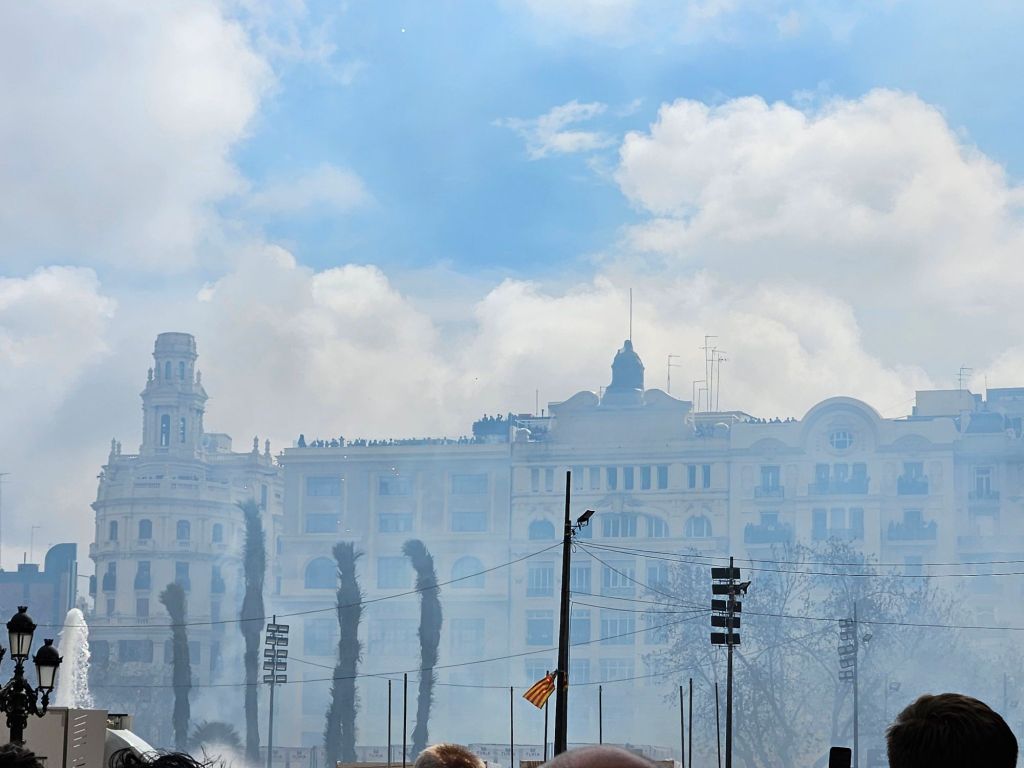
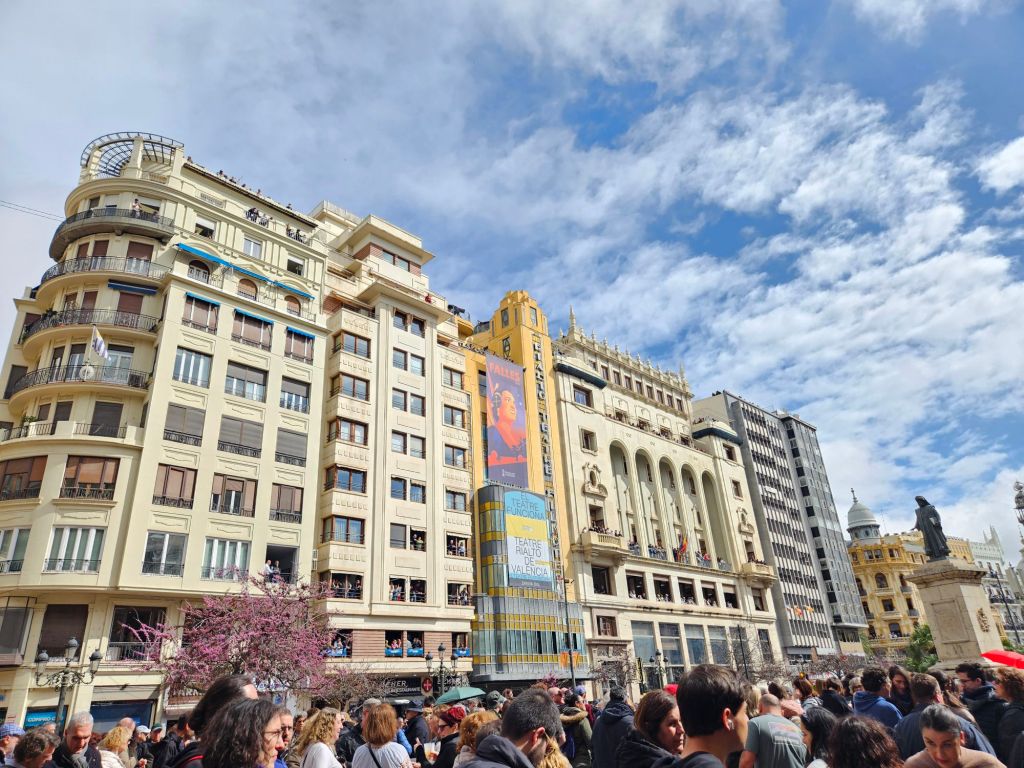
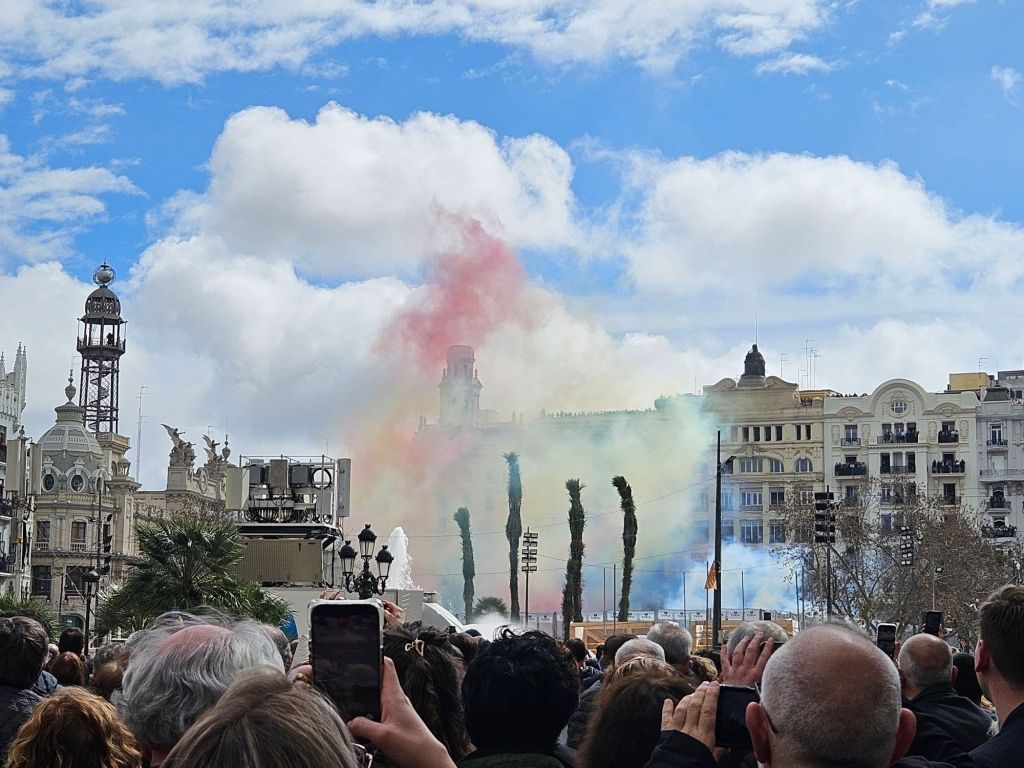
= random daily 2 pm fireworks, just because. The sun is out again, briefly it looks like, and thousands of people have collected in the Plaza de Ayuntamiento. Five minutes of LOUD.
Fireworks here (as part of the Fallas, anyway) are not judged by color but by sound. Done right, you’re supposed to feel the ground tremble.
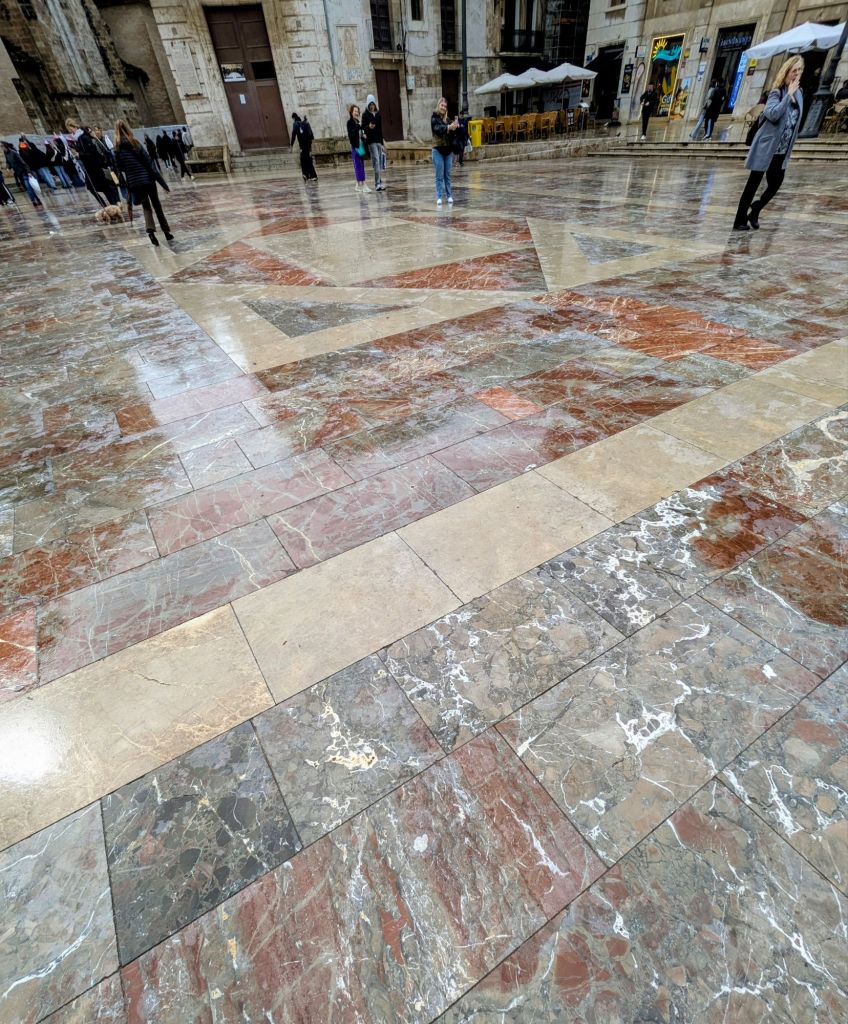
Right next to the Catedral, on Placa de la Verge (beautiful stone, wet from the rain) –
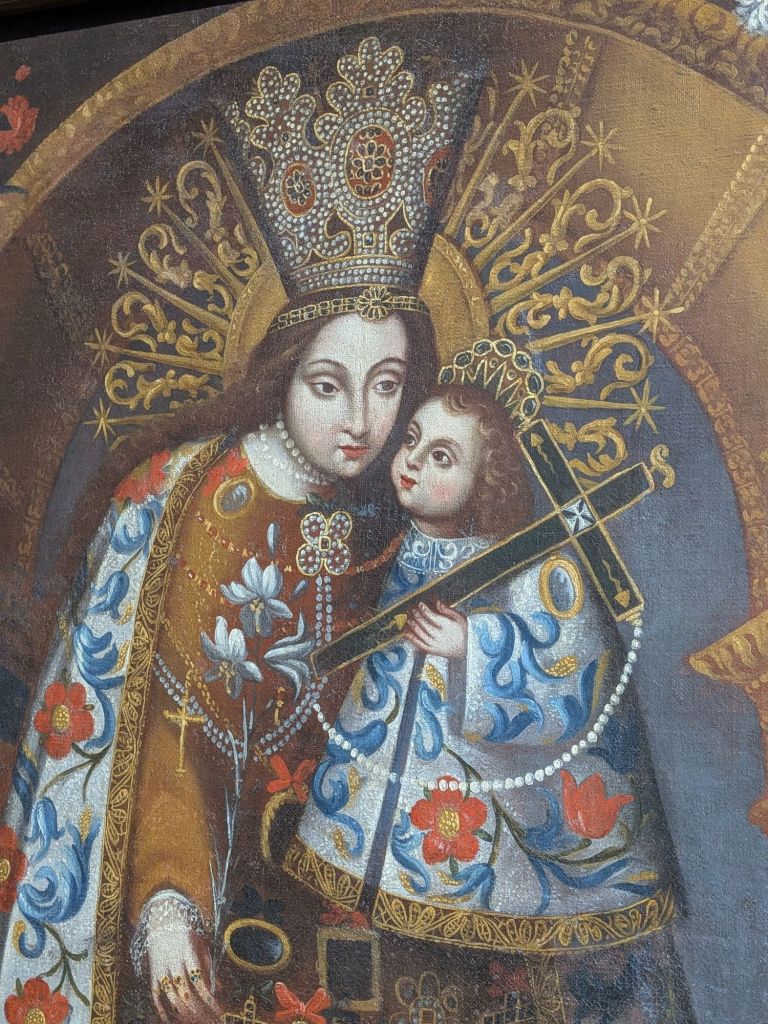
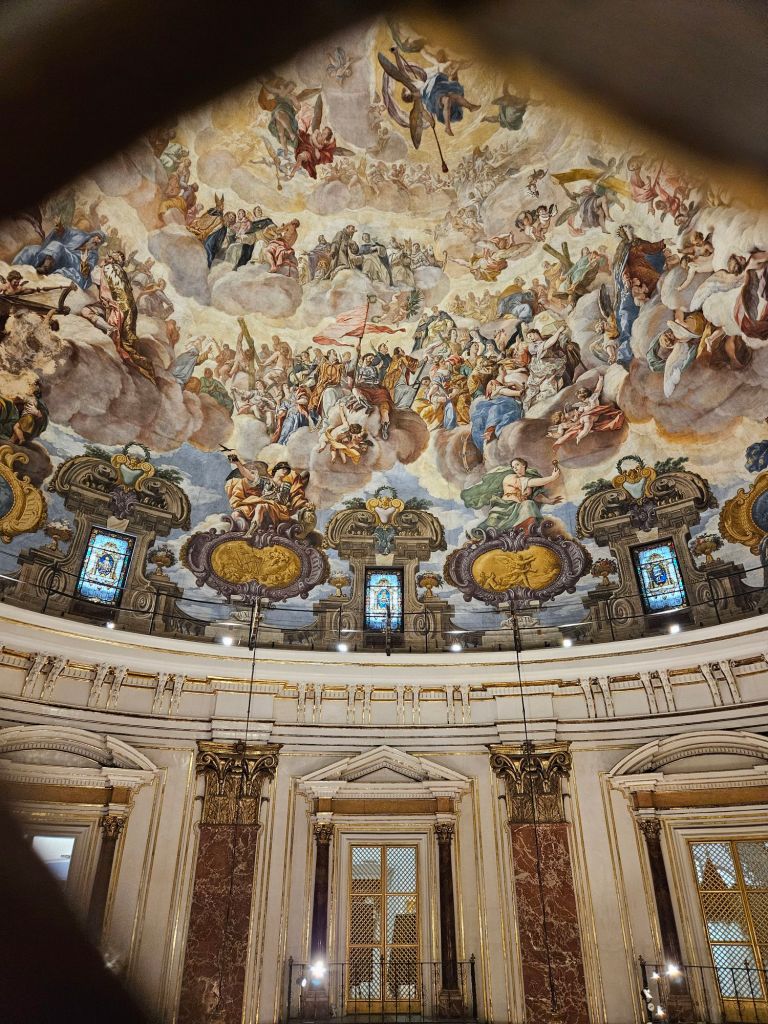
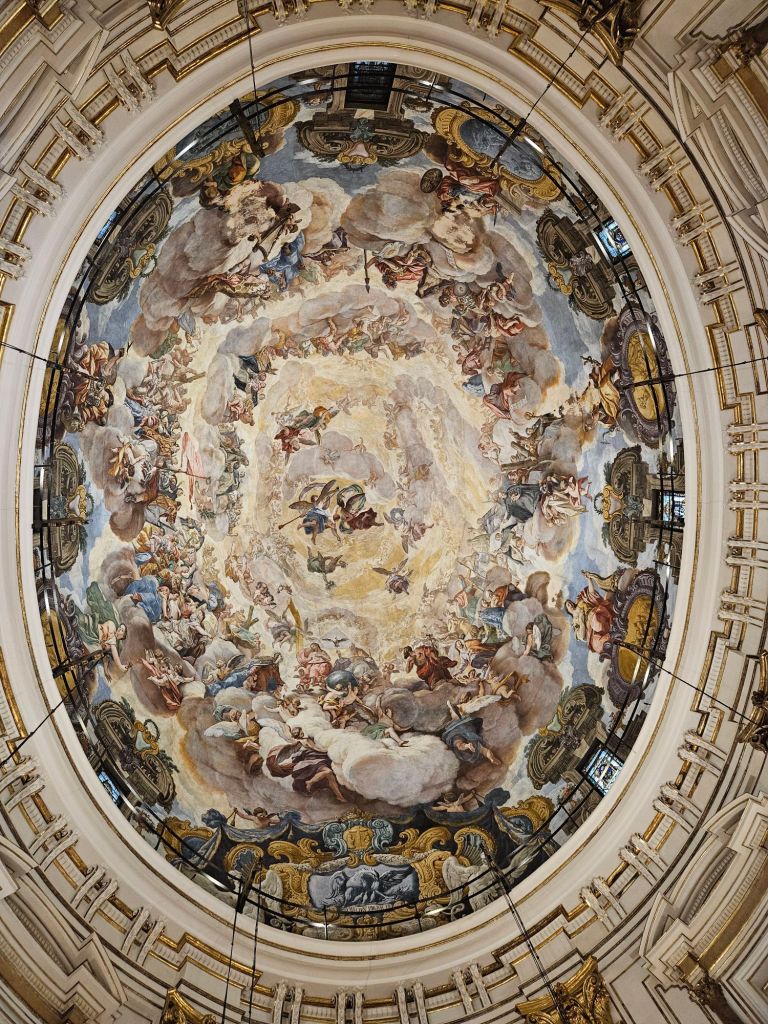
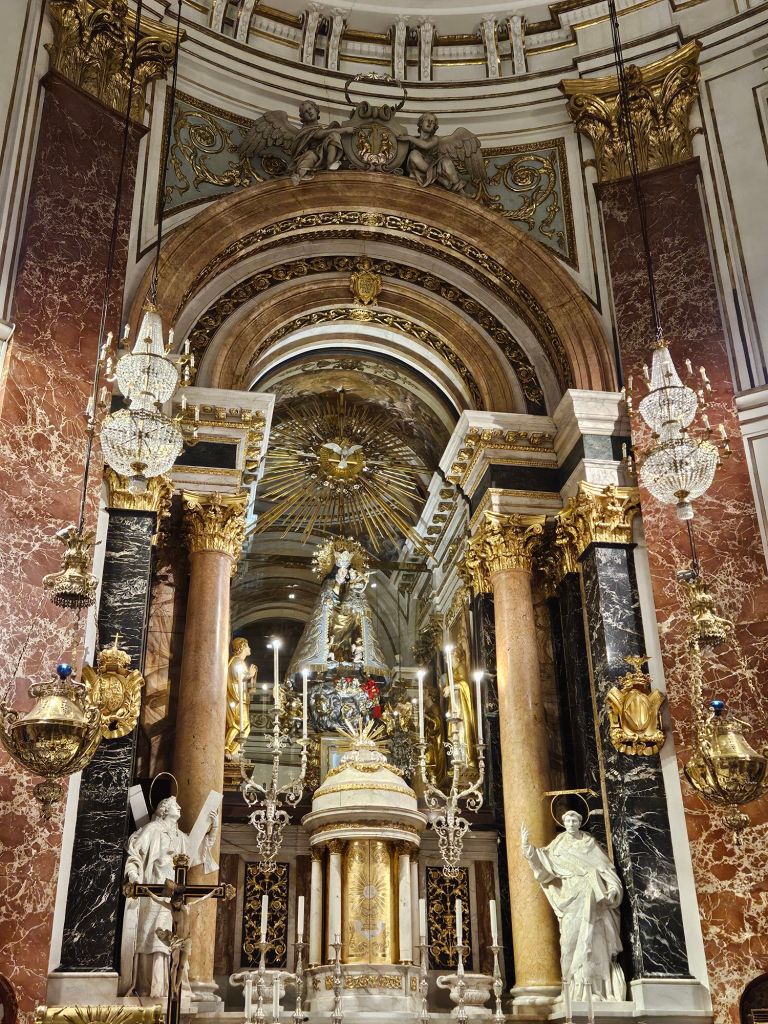
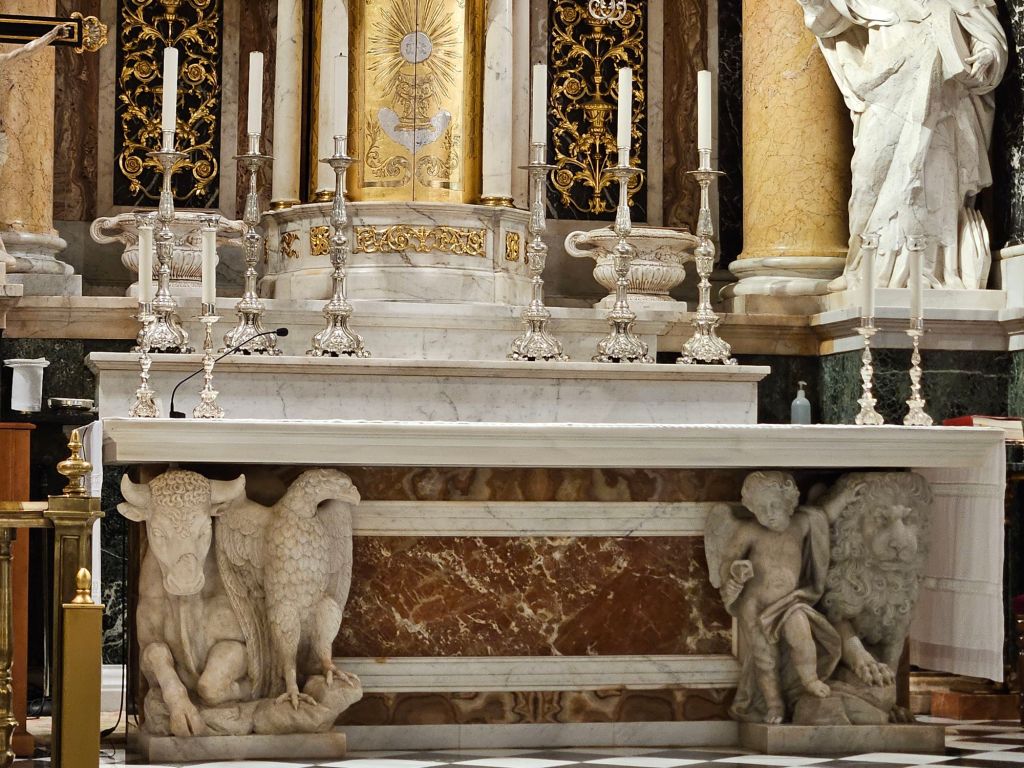
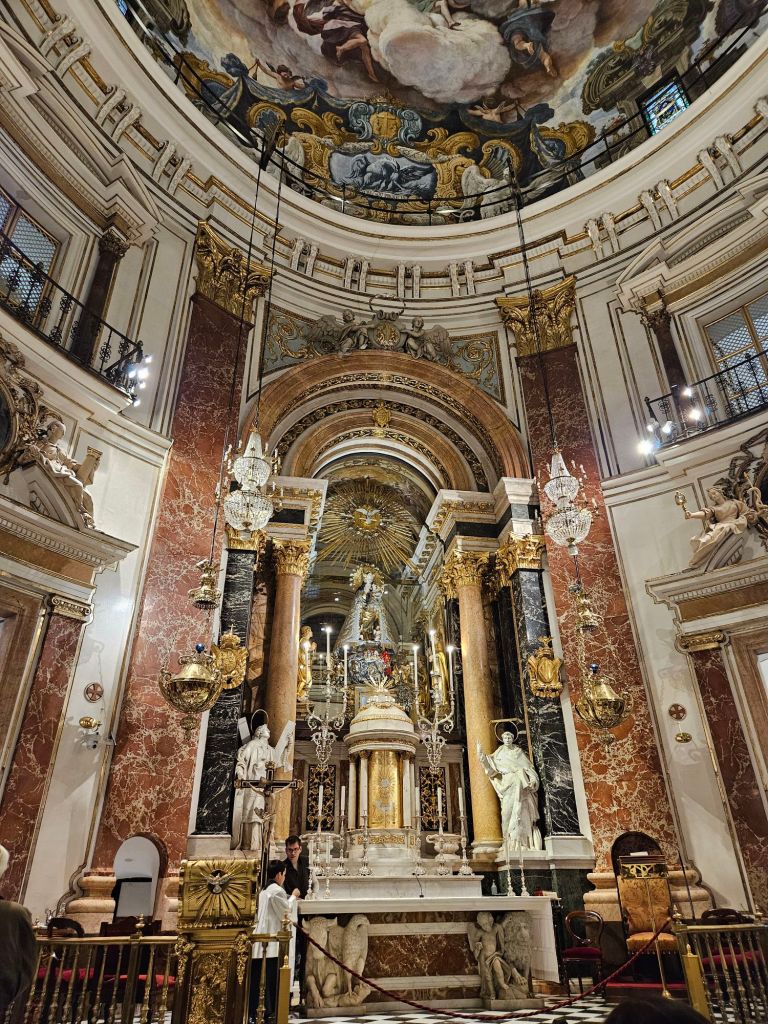
is the Basilica de la Mare de Déu dels Desamparats. That’s Valènciano for Mother of God of the Dispossessed. She is a key figure in Valencian Catholic identity.
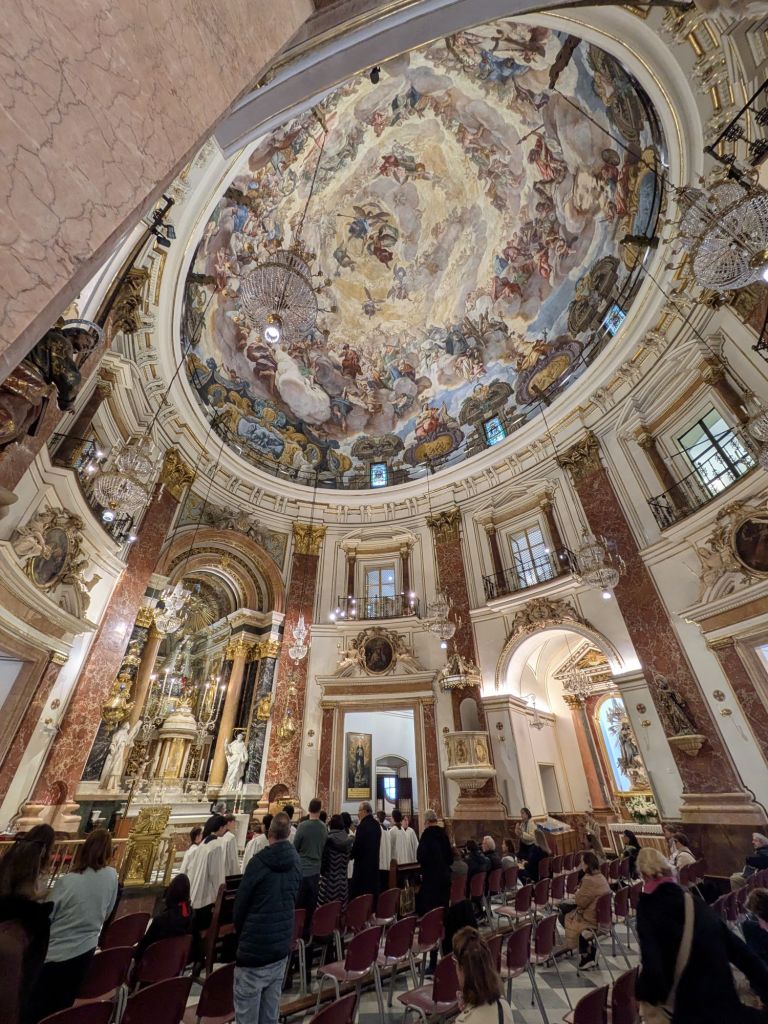
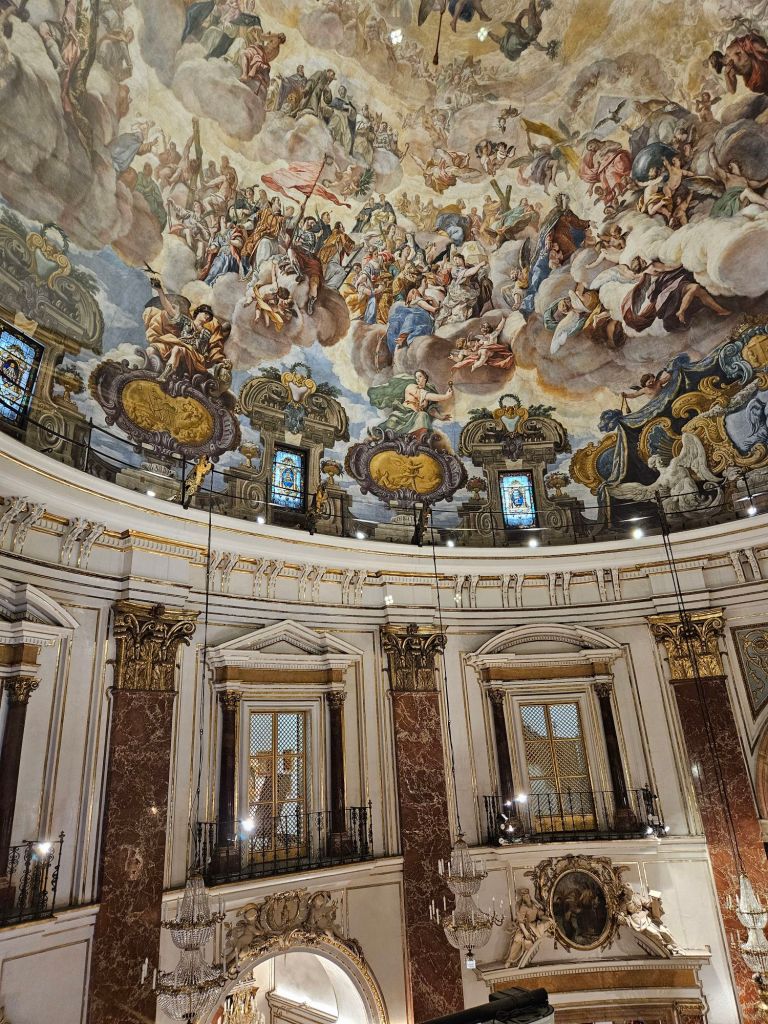
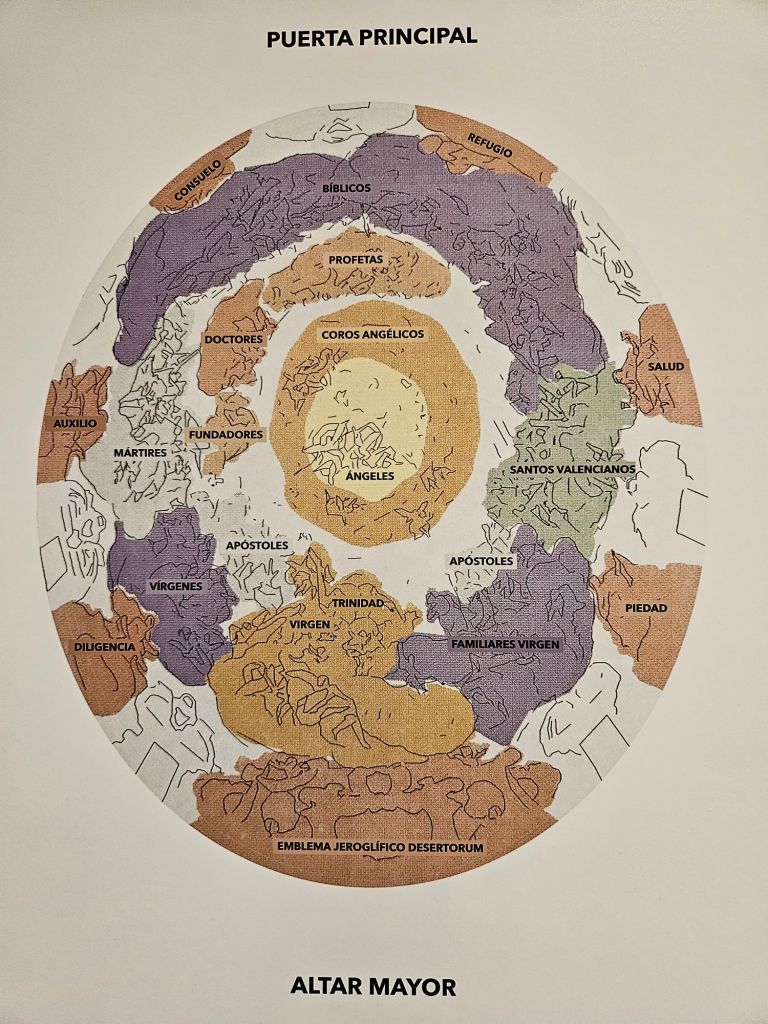
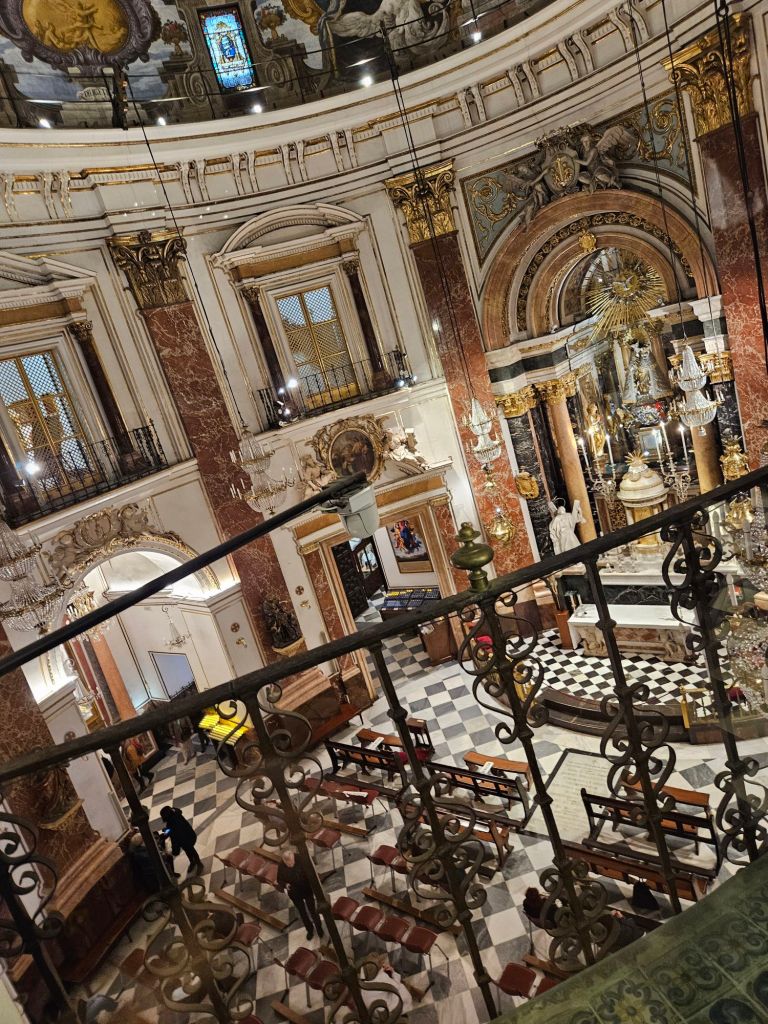
The bascilica is (at the risk of understatement) a chapel –
– and we walked in right as a choral mass (sung by the boys choir) was starting:
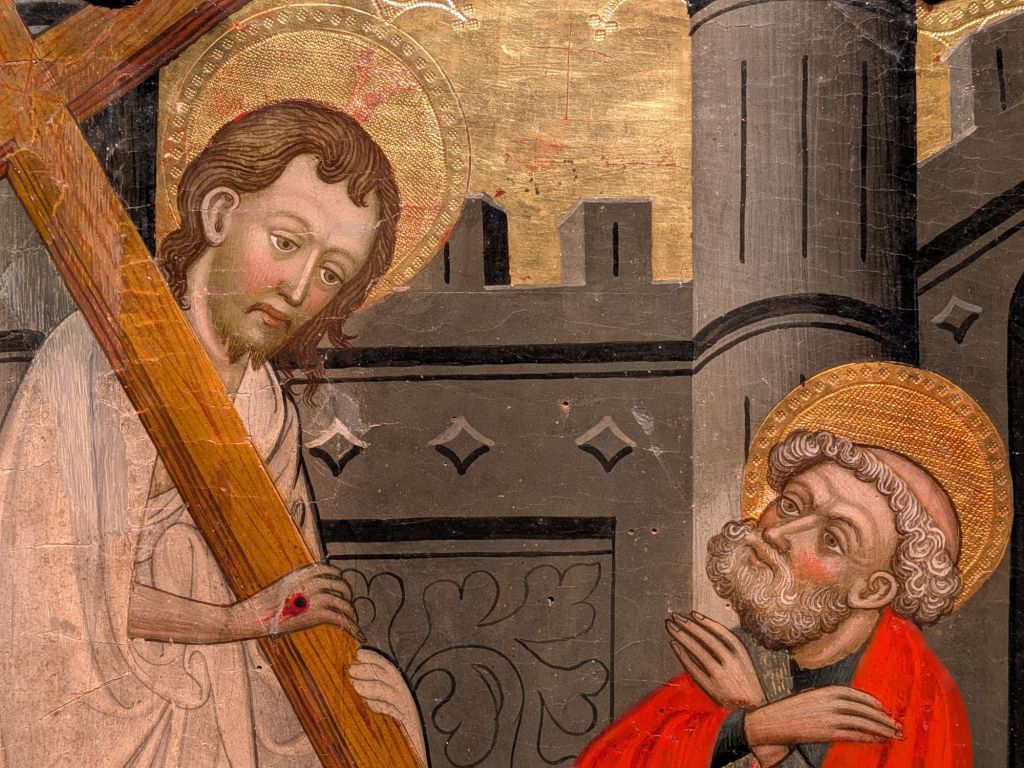
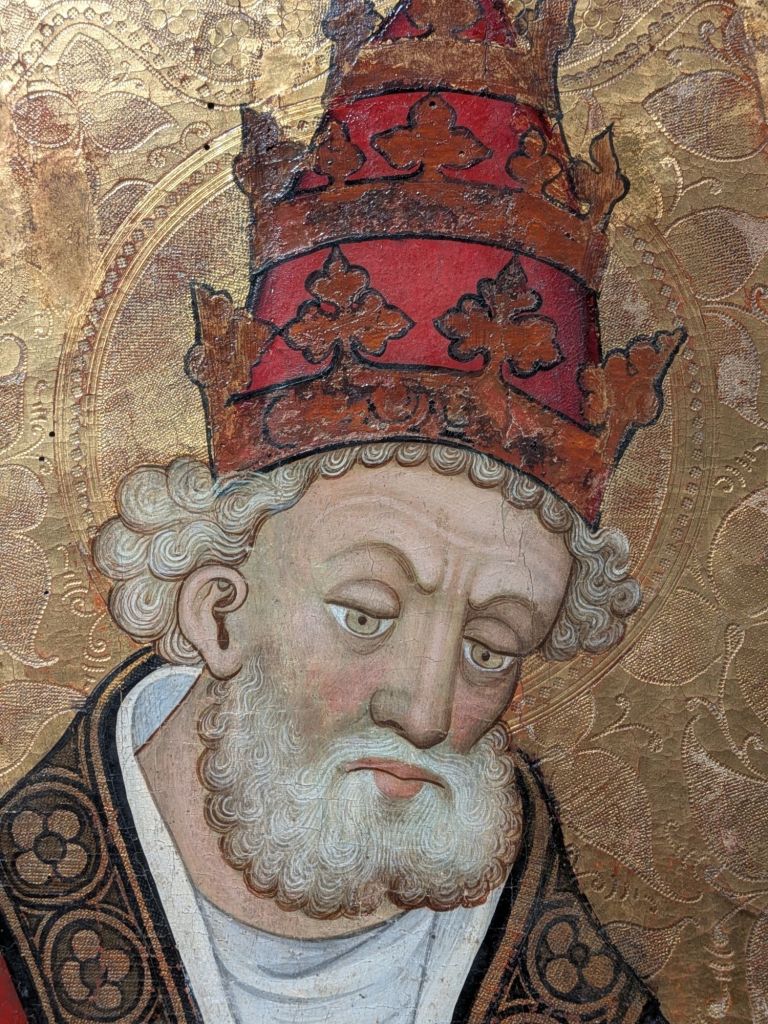
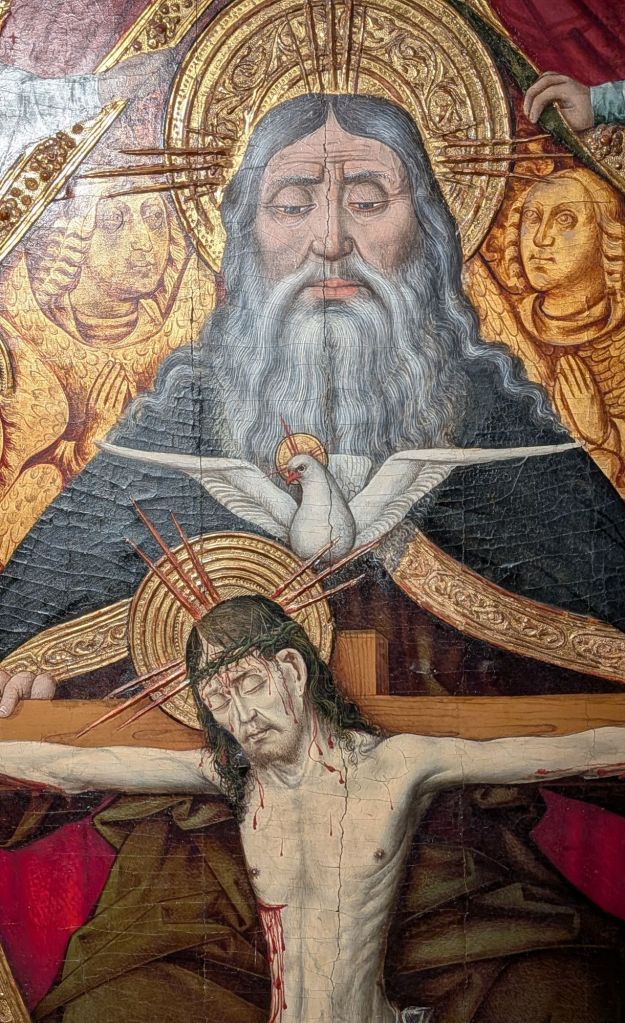
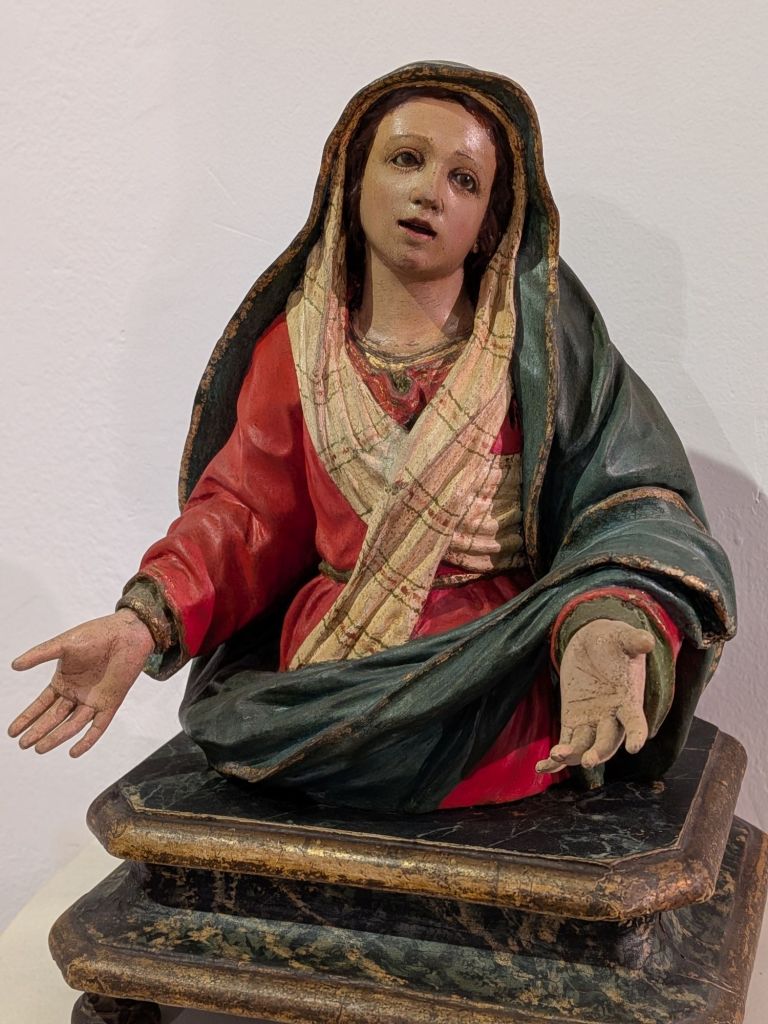
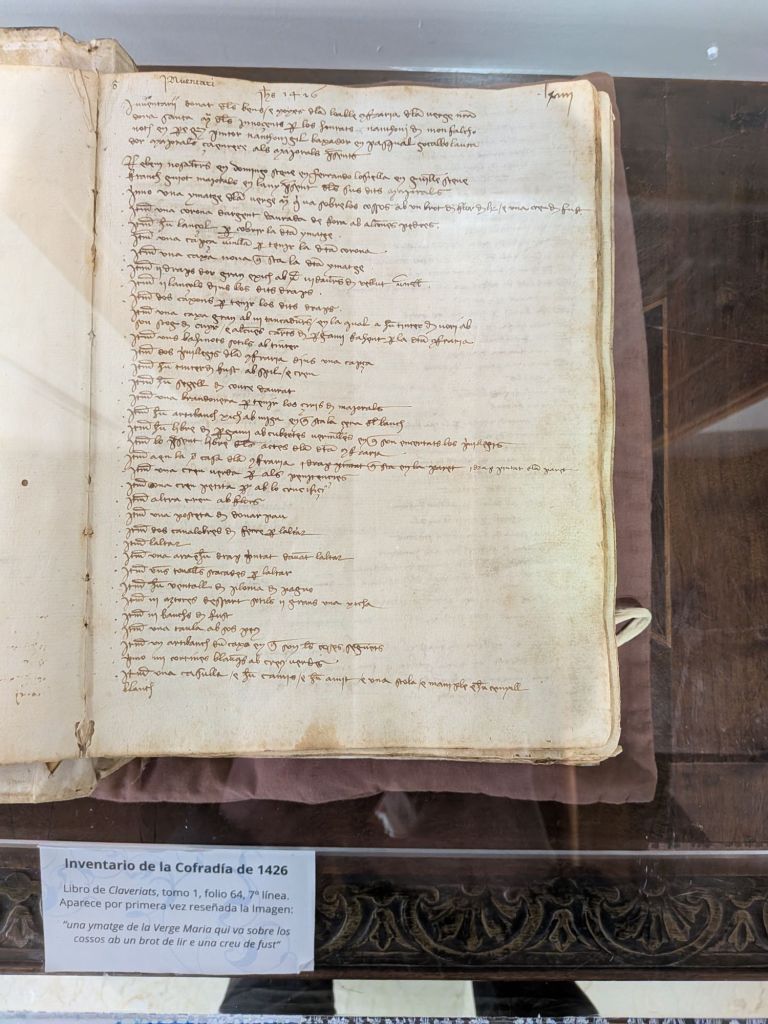
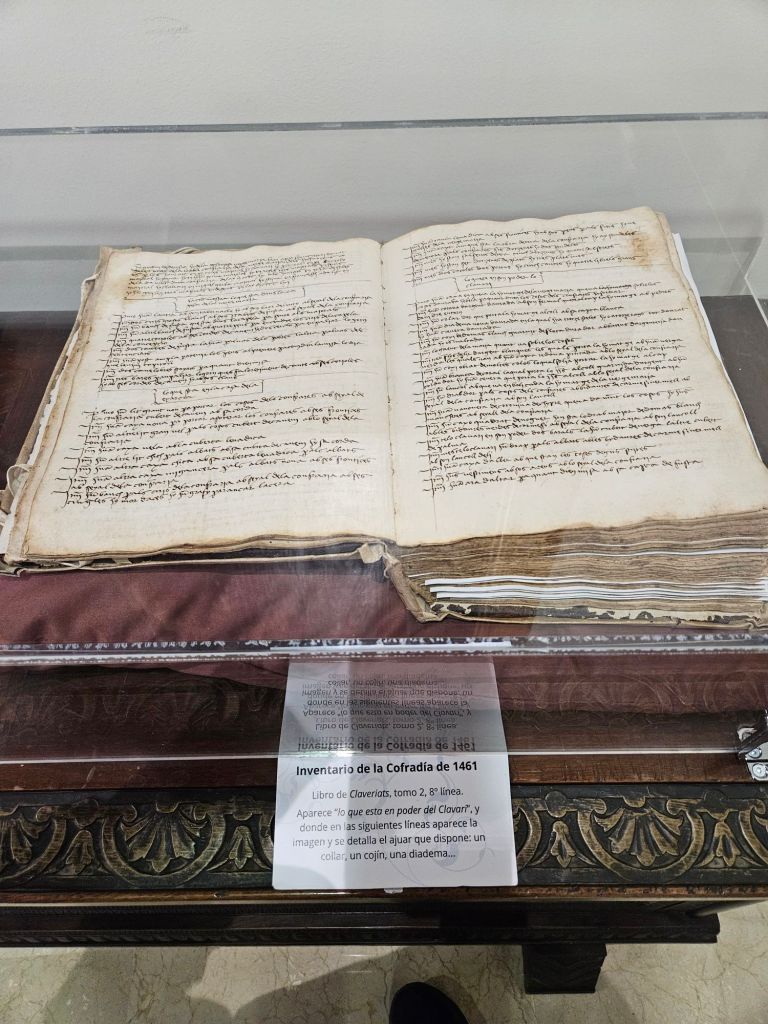
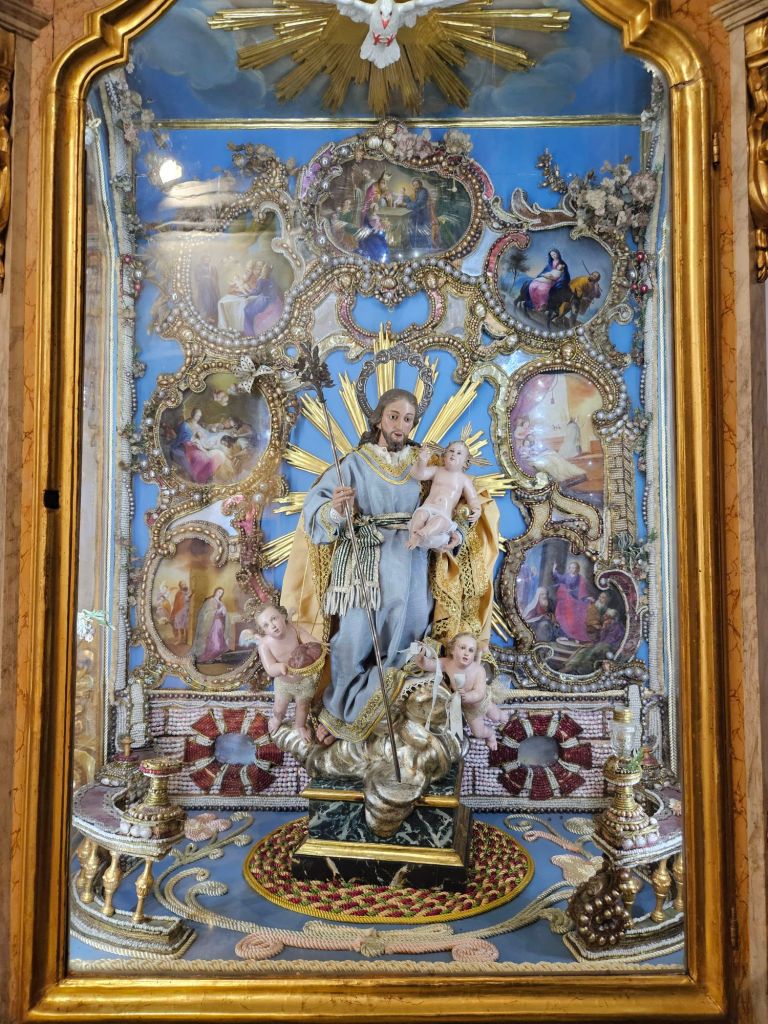
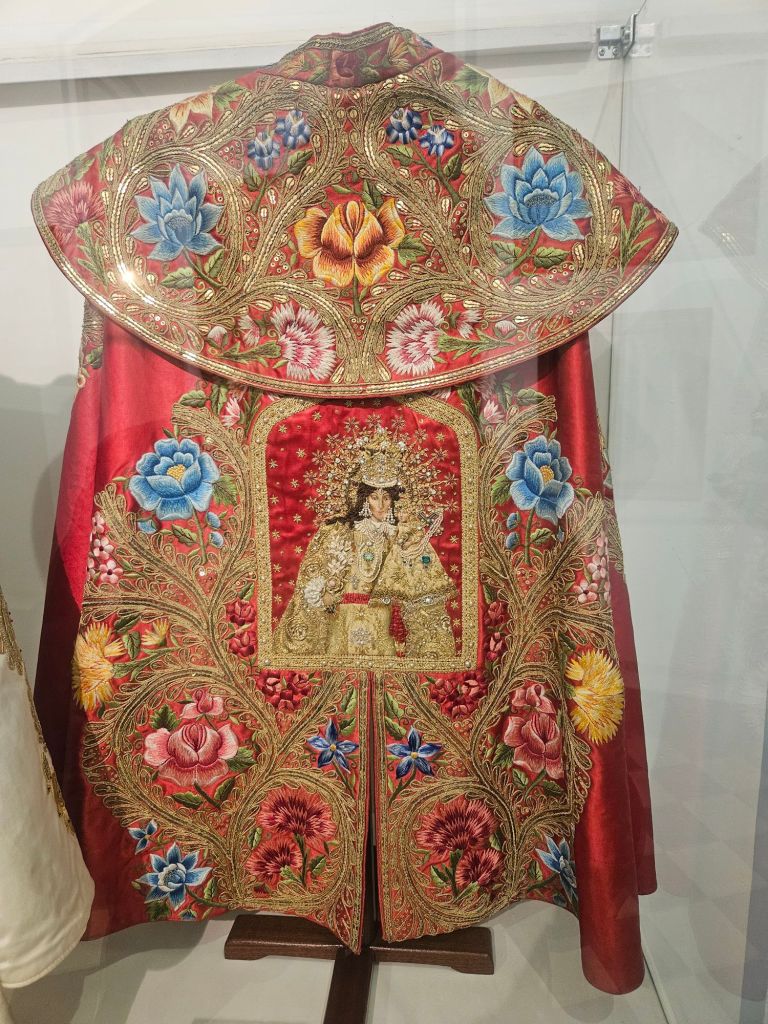
Leaving the church proper and entering through the next door down took us to the museum, which encompasses the entire upper gallery around the chapel. We found ourselves virtually alone with 500 years of manuscripts and art dedicated to the cult:
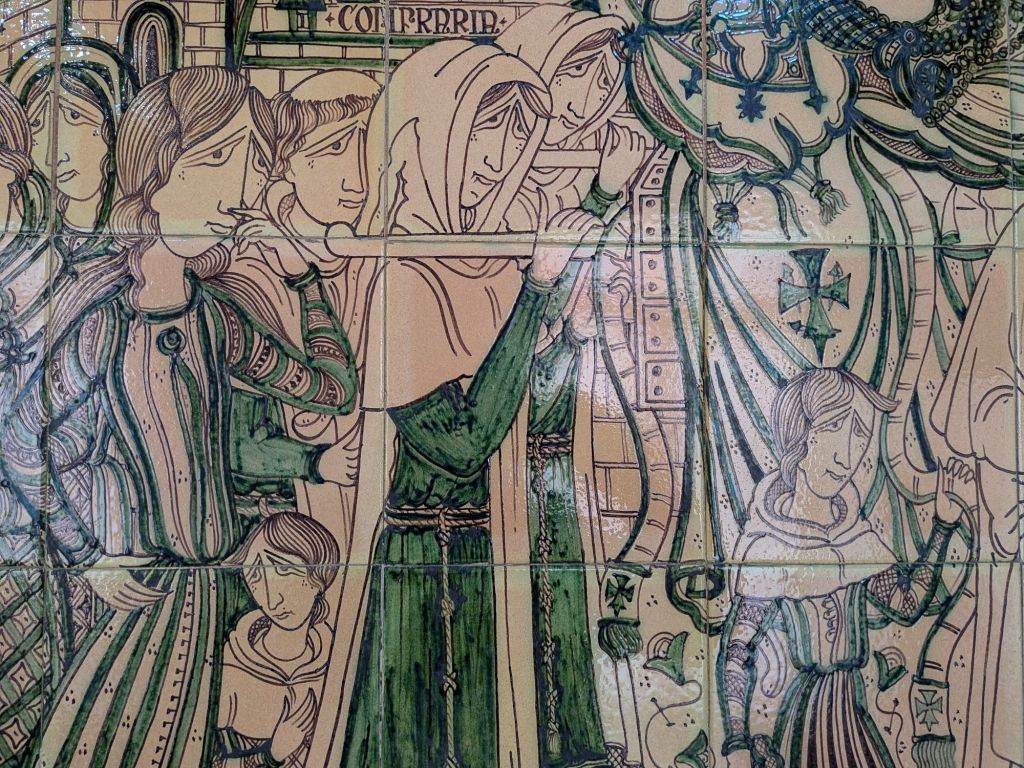
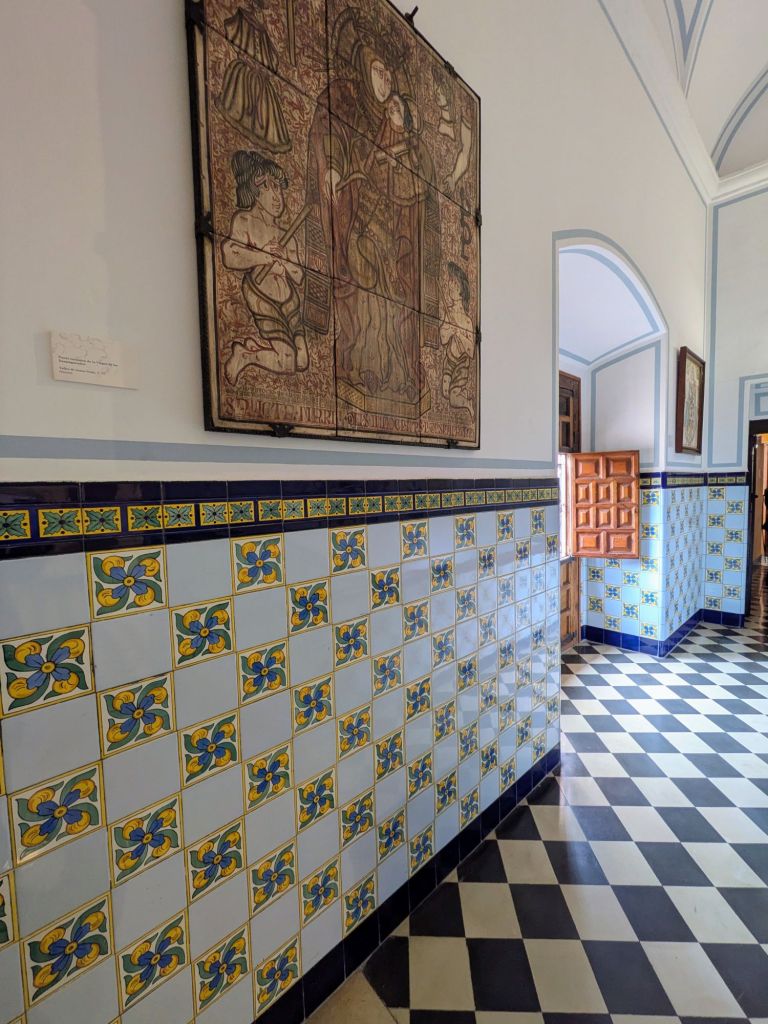
A hidden gem. This is very typical Valencian tile work in one of the upper corridors:
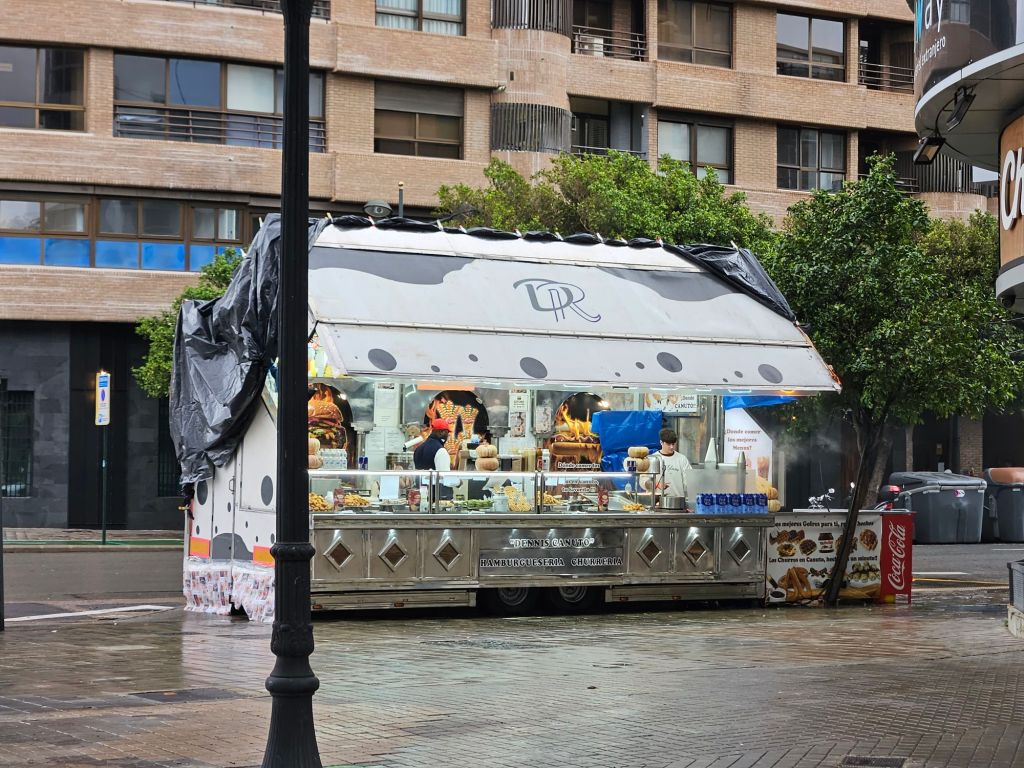
Seemingly overnight the city has sprouted buñuelo stands everywhere you turn. Buñuelos are a fried doughnut made (at least in theory) from dough made with squash (calabacín). I suspect that in practice they’re made with the same 50 kilo bags of powdered mix as the churros the stalls also sell.
We tried a few from “our” bakery and decided they were chewy and interesting, but thought maybe they would be better freshly fried. We decided to try a few more from the stand outside a church, for comparison purposes (really, for research only), but noticed that the health inspector, large digital thermometer in hand, was in the process of shutting them down. Oops. Dodged one there?
 Kerry & Richard in Spain (mostly) 2026