It takes a village

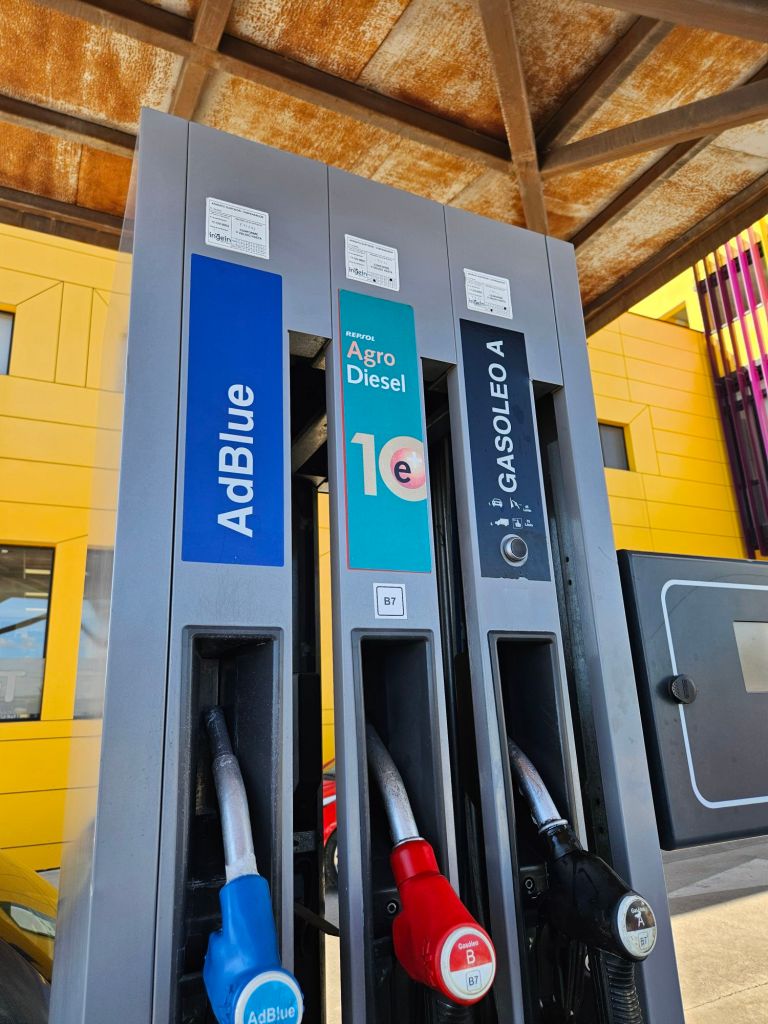
First time needing to fill the rental car. Big truck in the way at the pump, so went to the next one. Could not figure out payment system, but a nice man helped us with the pre-pay. Gracias, gracias…  and thank goodness gasóleo nozzles are the wrong size for gasolina cars. Switched back to first (gasolina) pump. Different nice man helped here, but this pump wouldn’t work even then. Woman from office came out and fixed it.

Now have, surprise, two identical €60 charges on the credit card. As travel screw ups go, pretty minimal.

And so to the coast and Gandia – or actually the satellite community of Daimus, which was probably once a charming fishing village but is now part of the solid cliff of white hotels and apartment buildings that line the Spanish coast from Barcelona to the Portuguese border so that people like me can drink English beer and end up looking like a lobster.
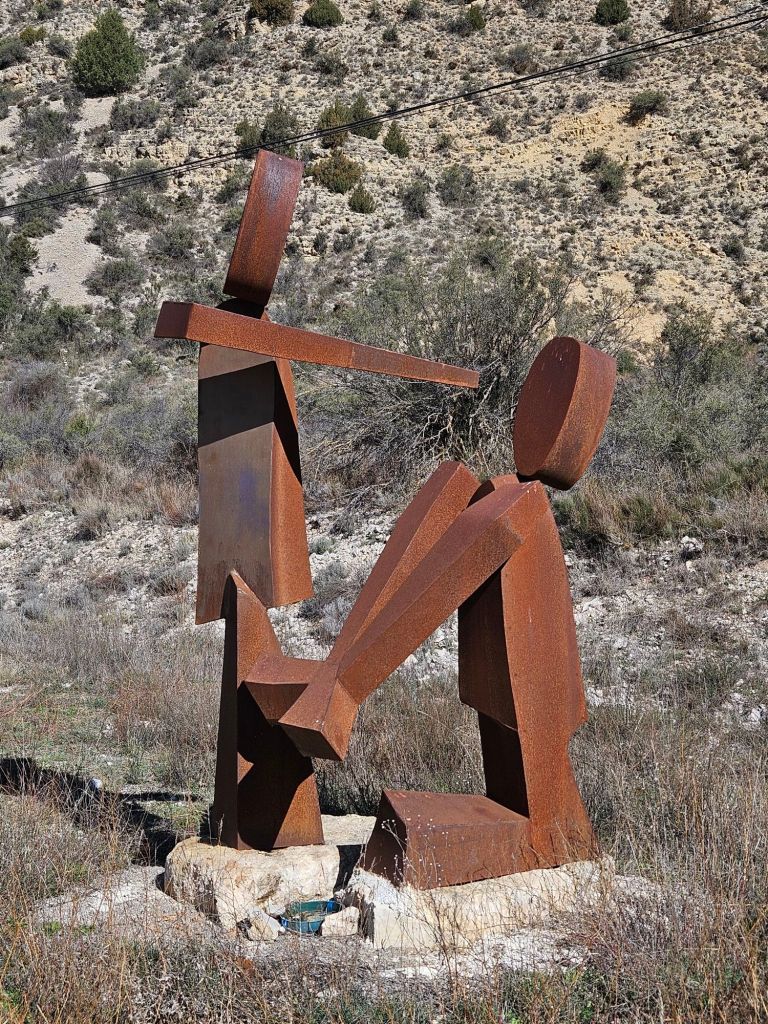
Los fusilados

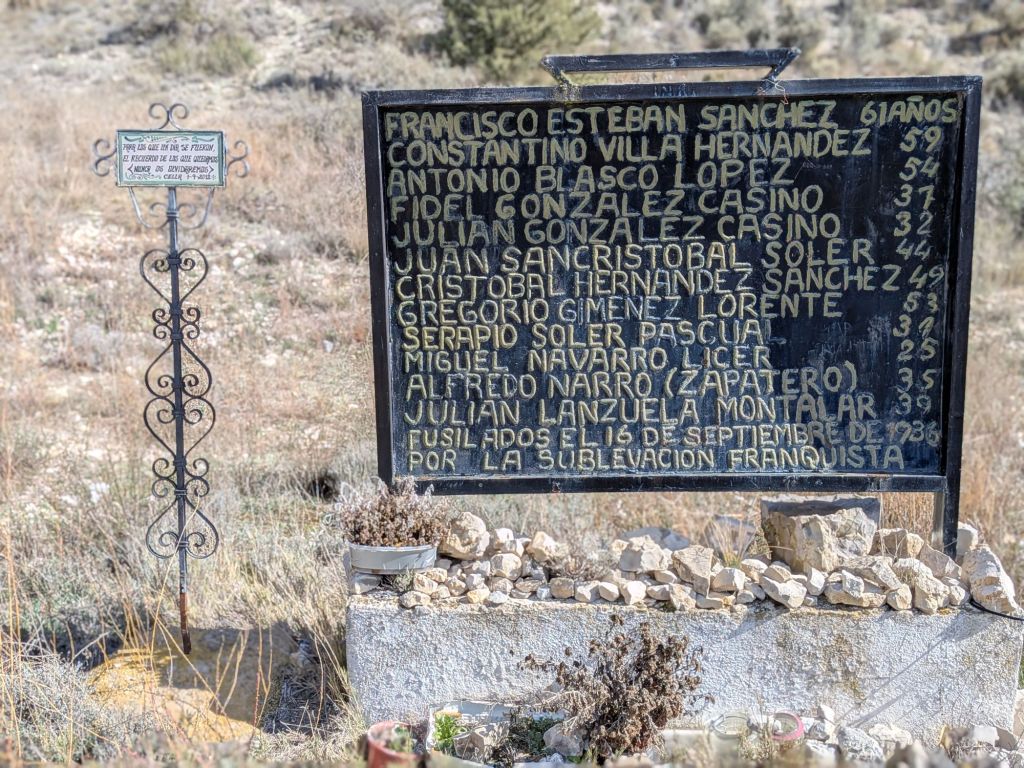
Having grown up with the not unreasonable idea that Orwell’s Homage to Catalonia is one of the key books of the 20th century, I had meant to do my homework on the Spanish Civil War before coming to this area – but I did not. The guide at Albarracín’s cathedral mentioned casually that the war had almost destroyed the town, culturally and economically. This morning, not far out on our drive back to the coast, I noticed a marker that led to a moving and brutally frank iron memorial.
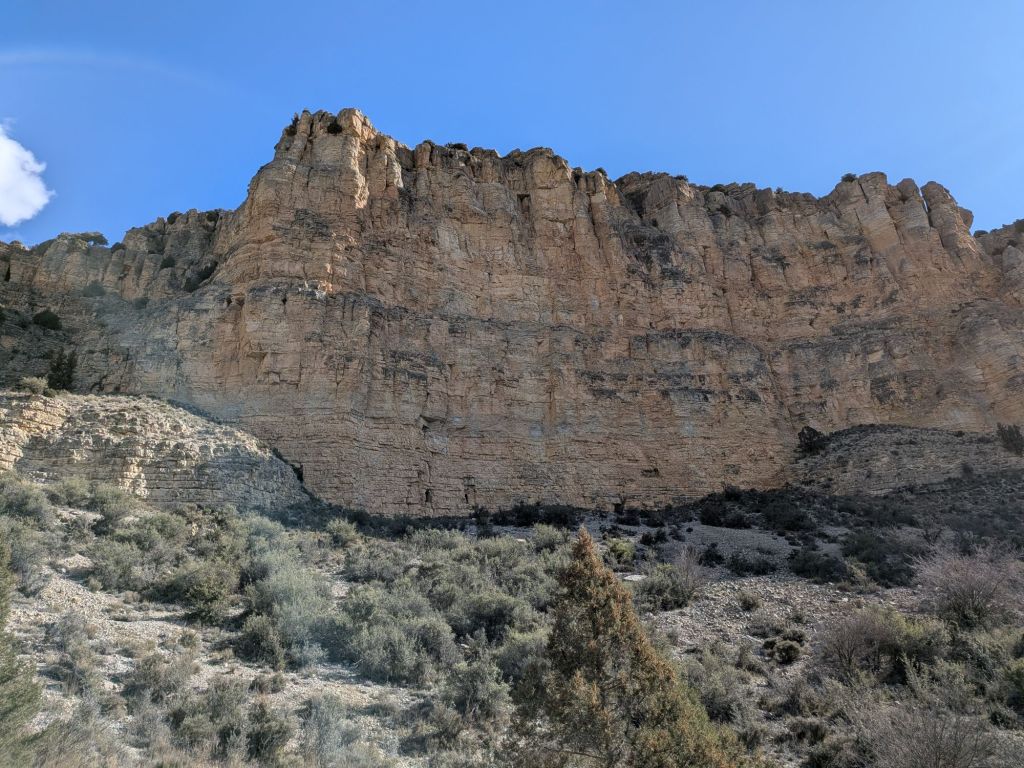
Here under a high cliff on Sept 16 1936, just as the war was beginning, the Francoists executed twelve local men, all from the same small village. All are buried here in a mass grave.

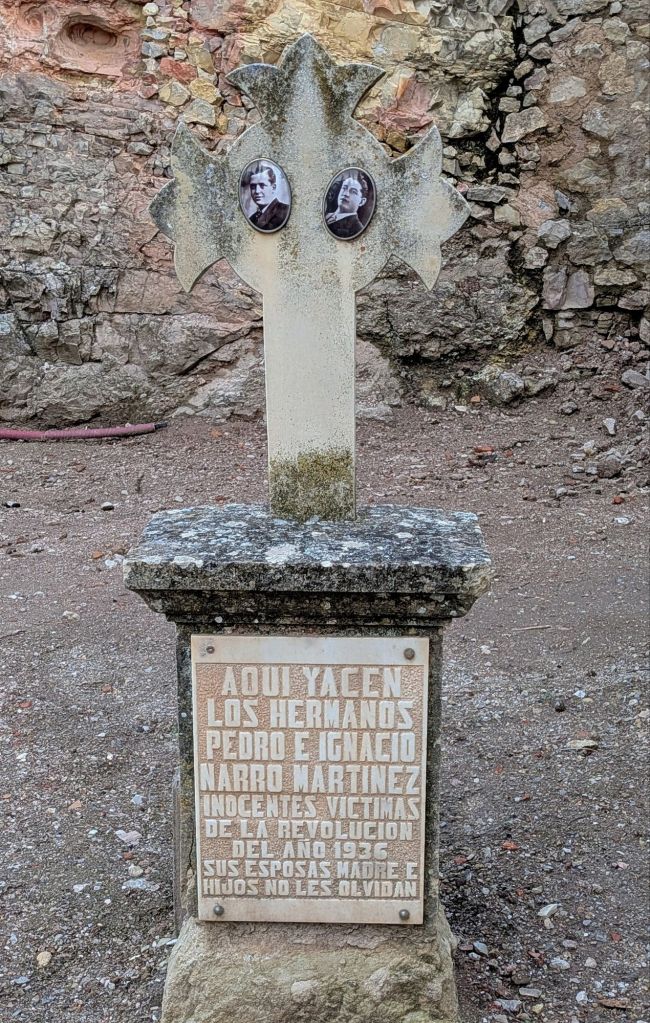
The previous day, in one of Albarracín’s cemeteries, I’d come across this:

It was unclear whether the brothers Pedro and Ignacio Martinez were inocentes victimas of the Francoists or the Republicans. 90 years on, a raw wound still.

Art that lasts

Thursday morning in Albarracín (our only full day here) I wanted to make sure we checked off the museum and cathedral – but no, K insisted on dragging us 10 k out of town to see some alleged Neolithic rock art.

It was magical.

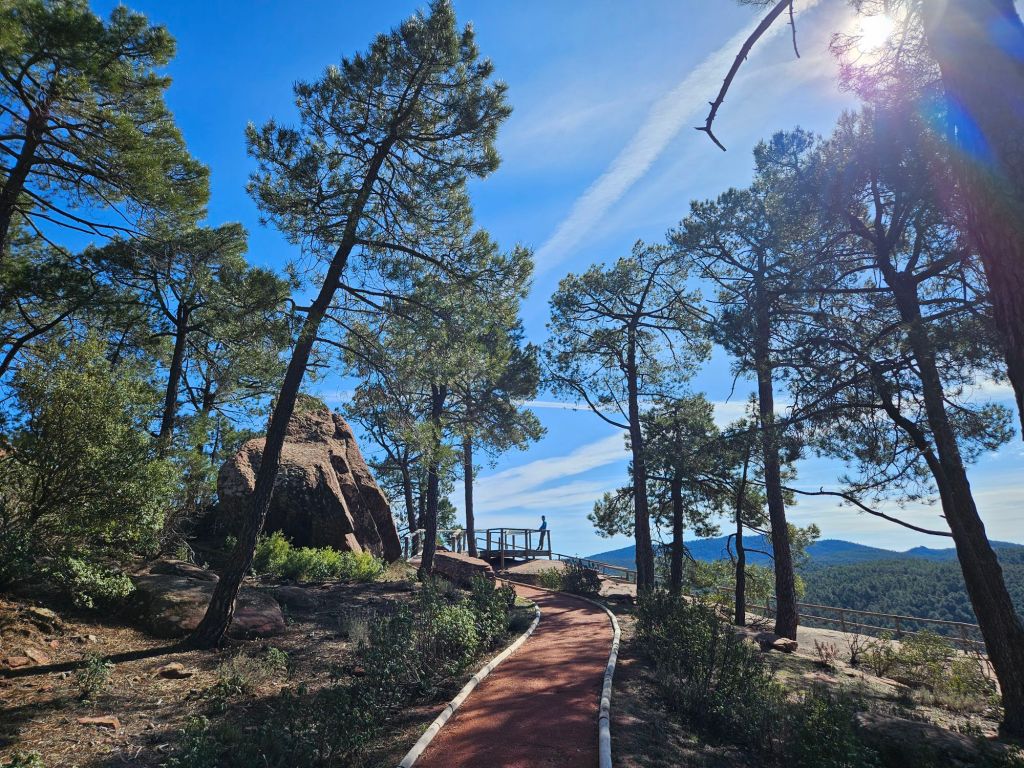
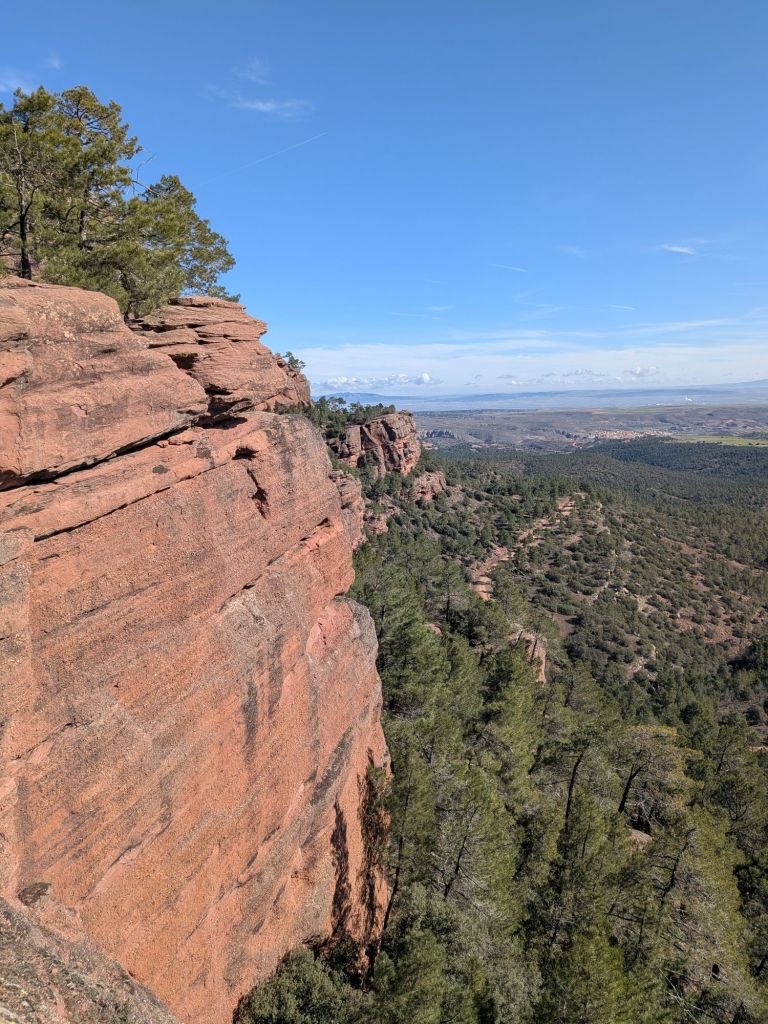
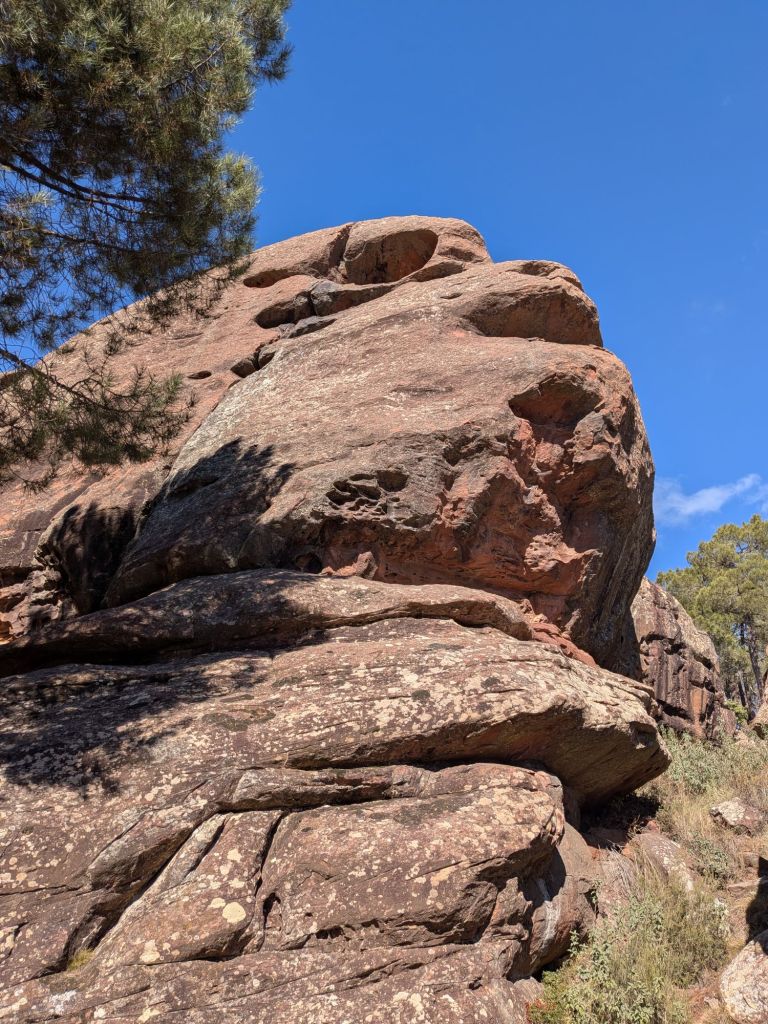
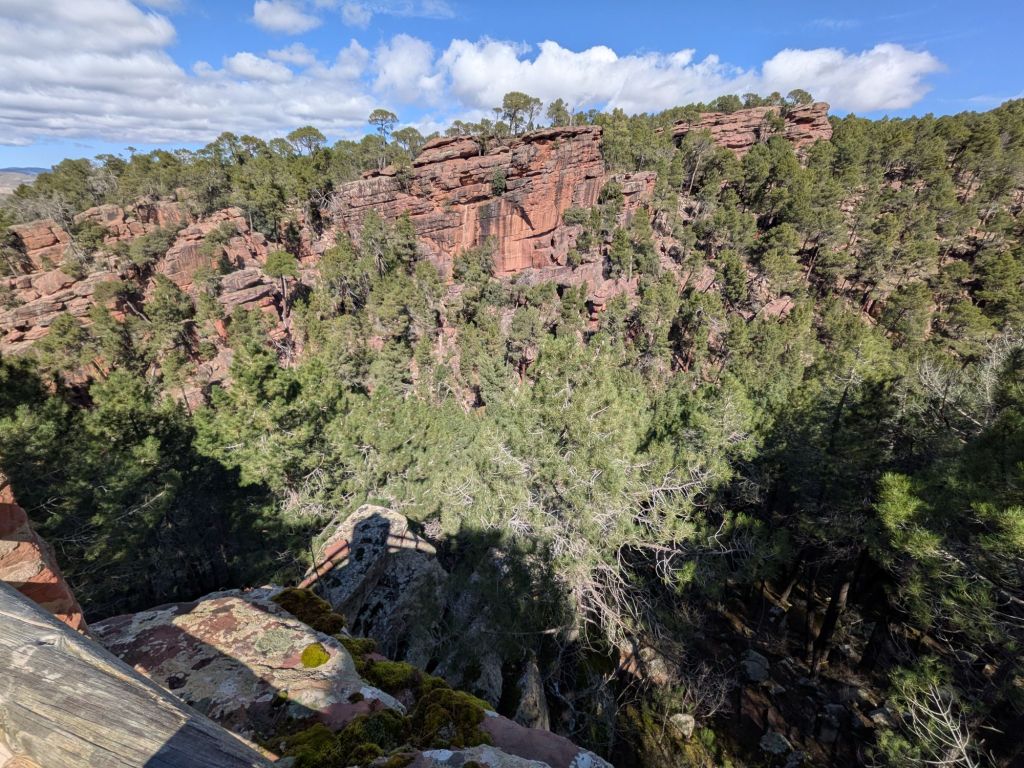
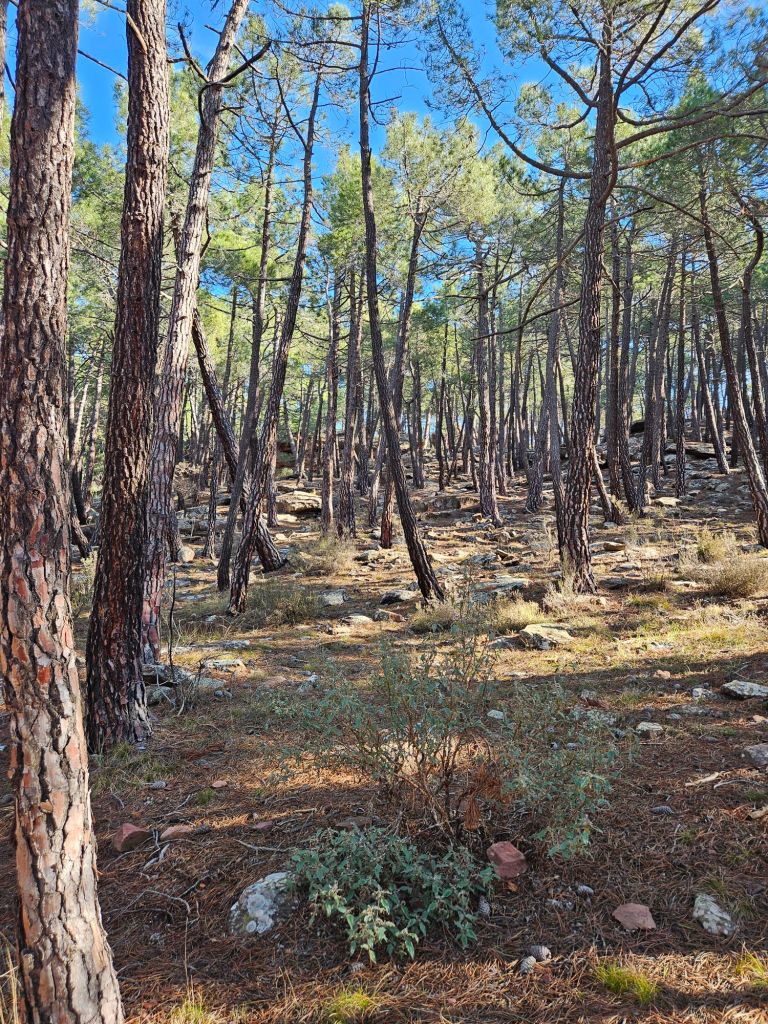
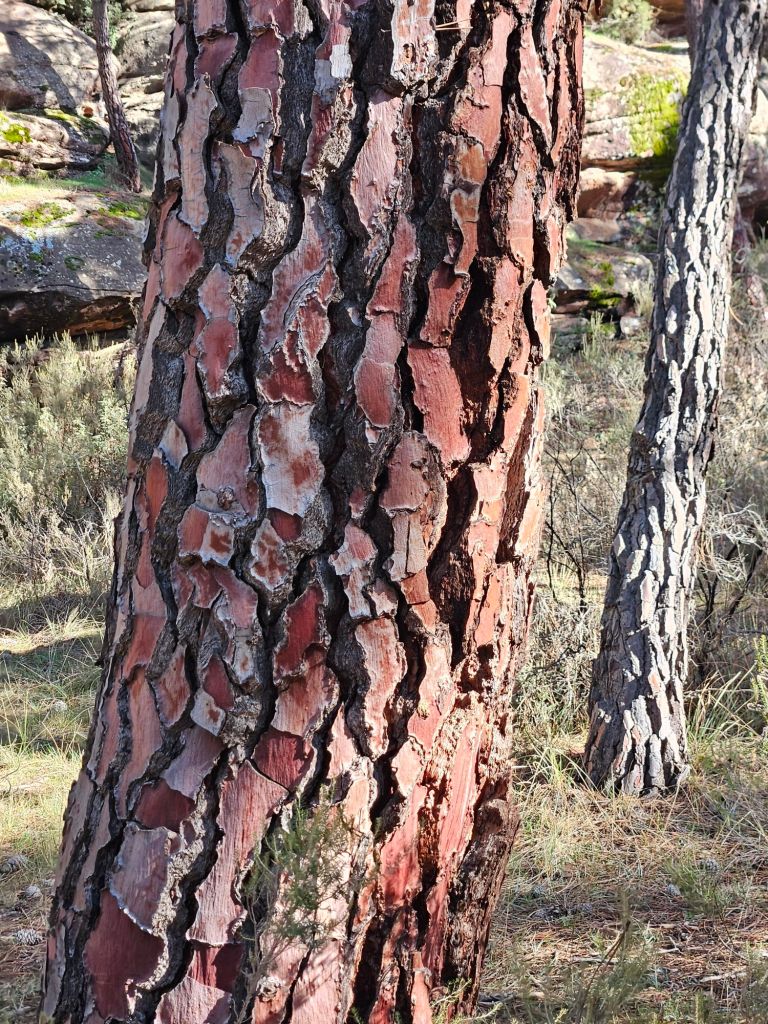
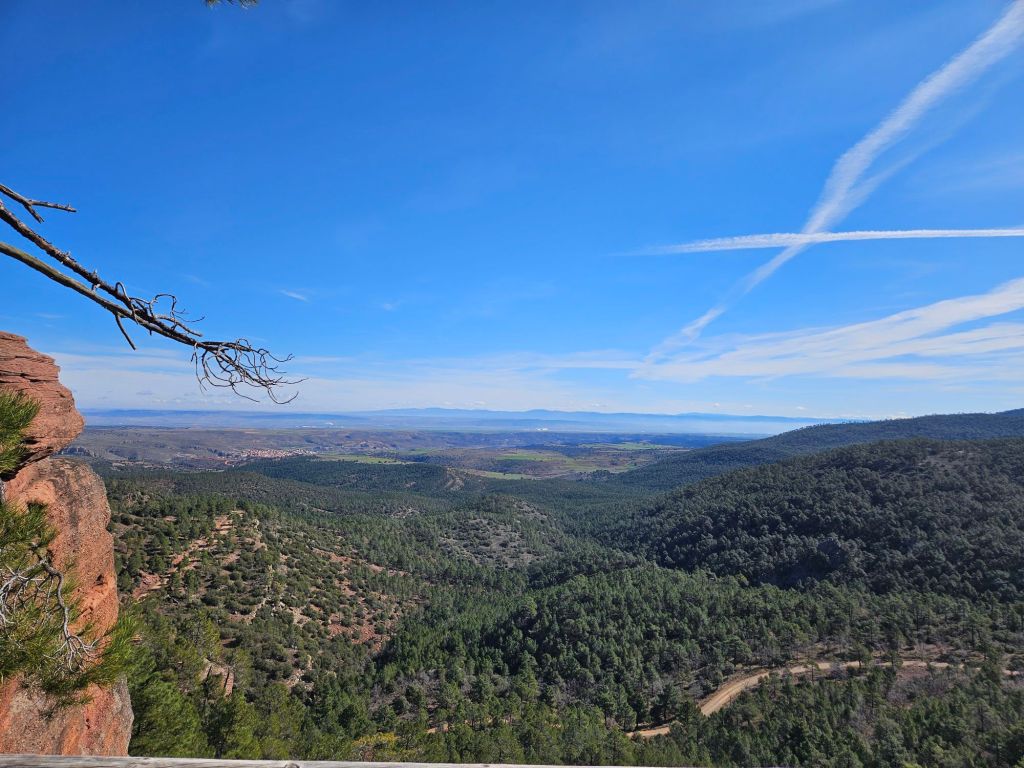
Actually the most magical part was being completely alone, on a cool  sunny morning, in the silence a dry Mediterranean pine forest, with great layer cakes of red rock, abundant birdsong, and 50-mile views from a mirador:

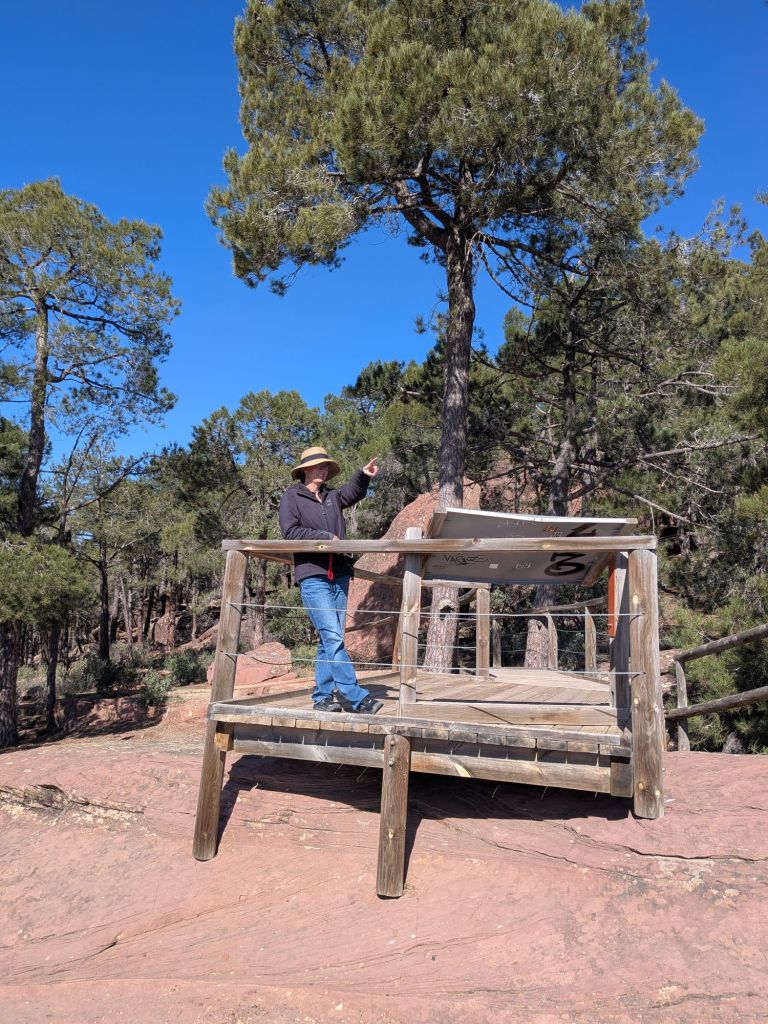
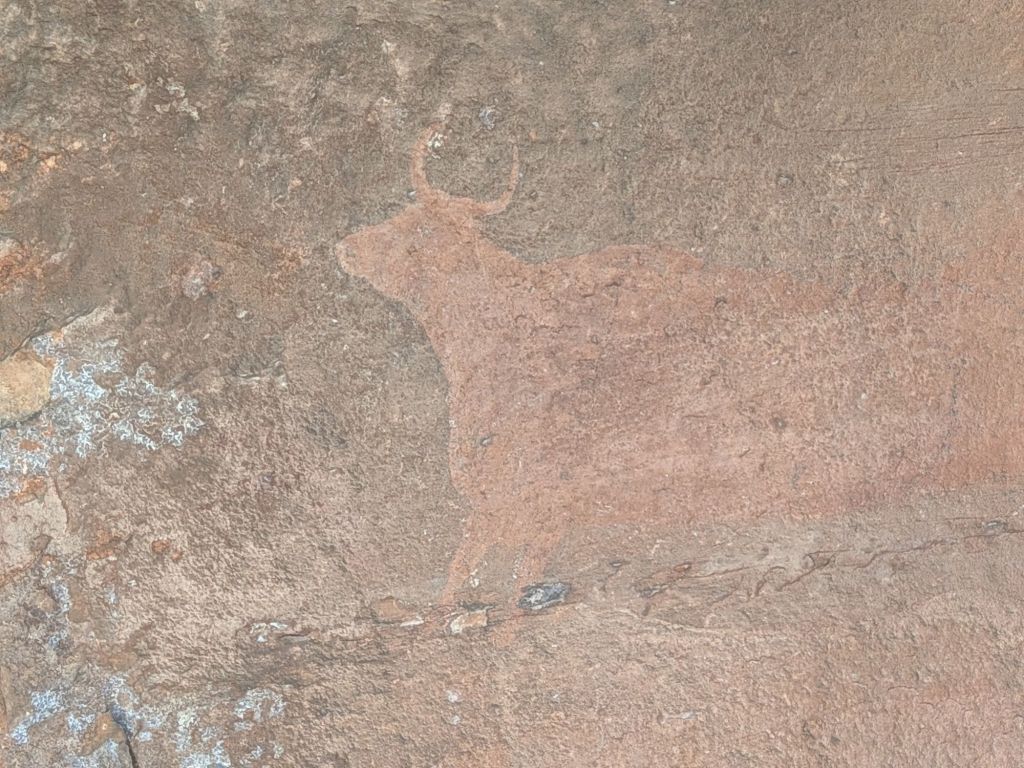
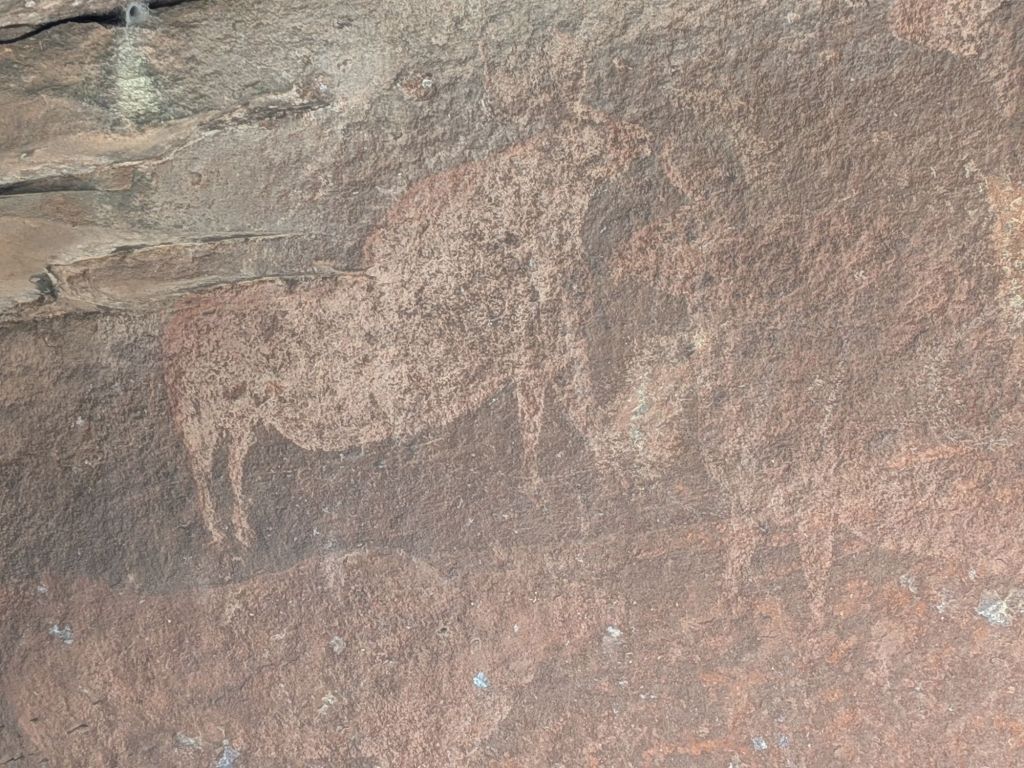
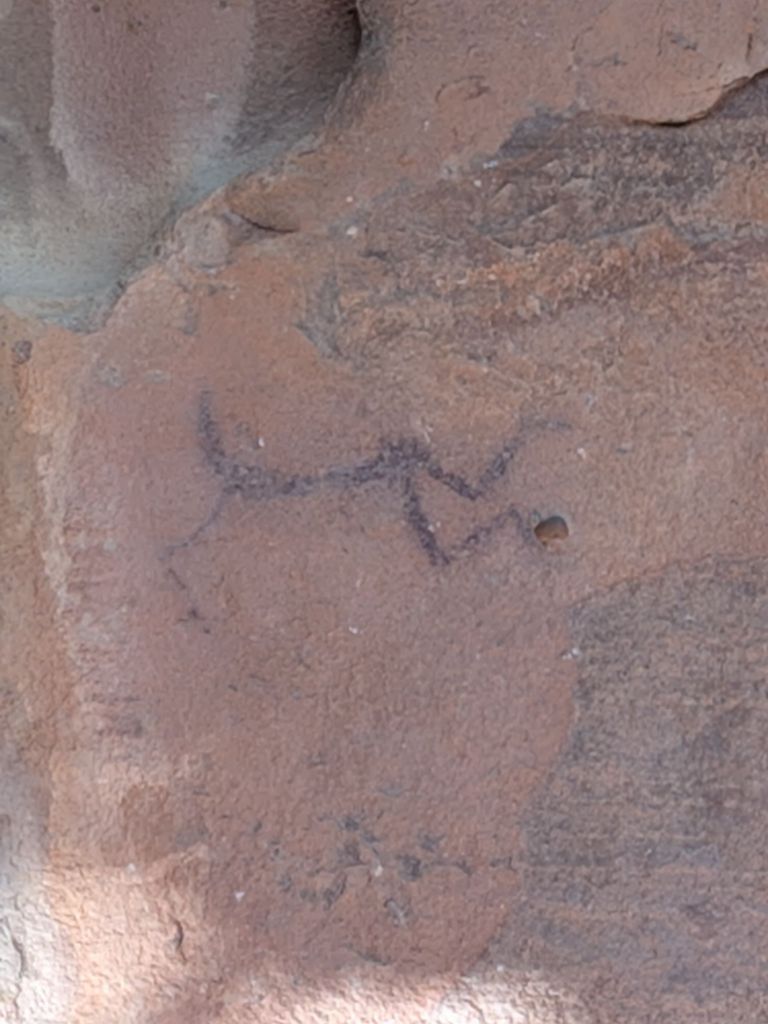
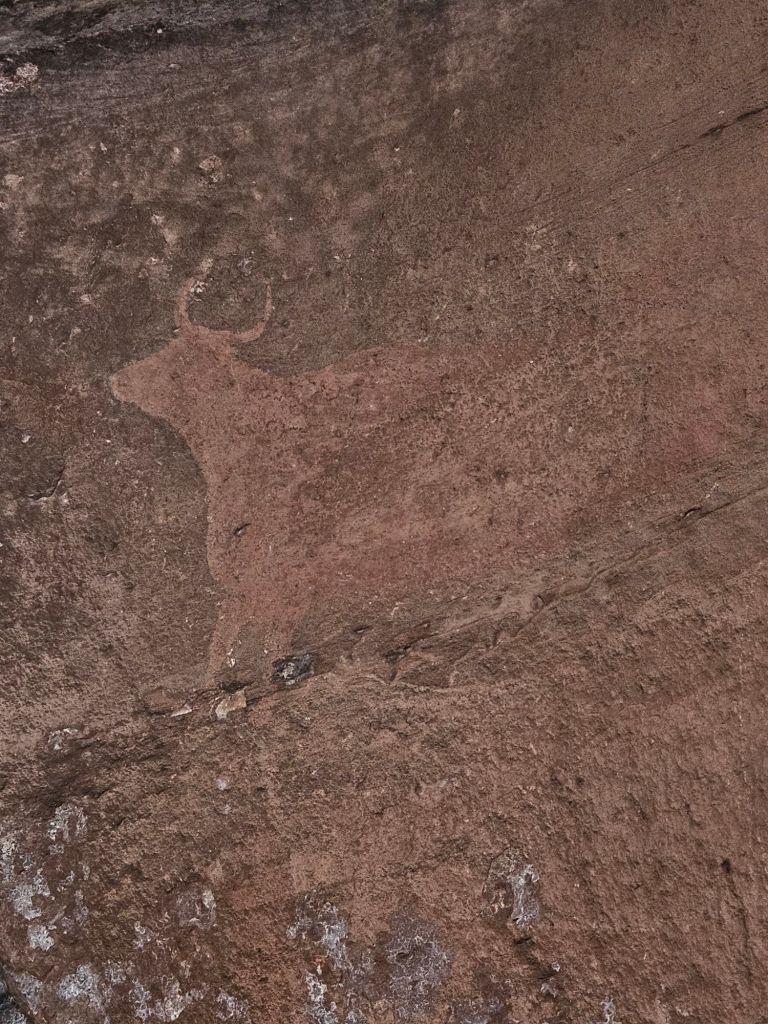
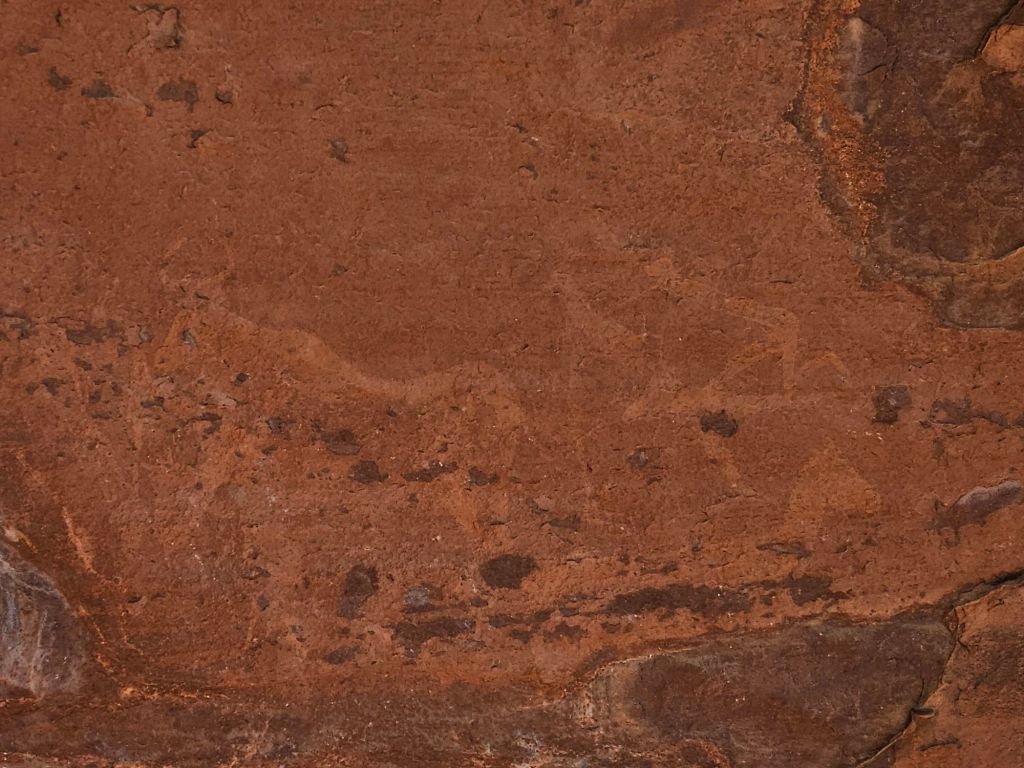
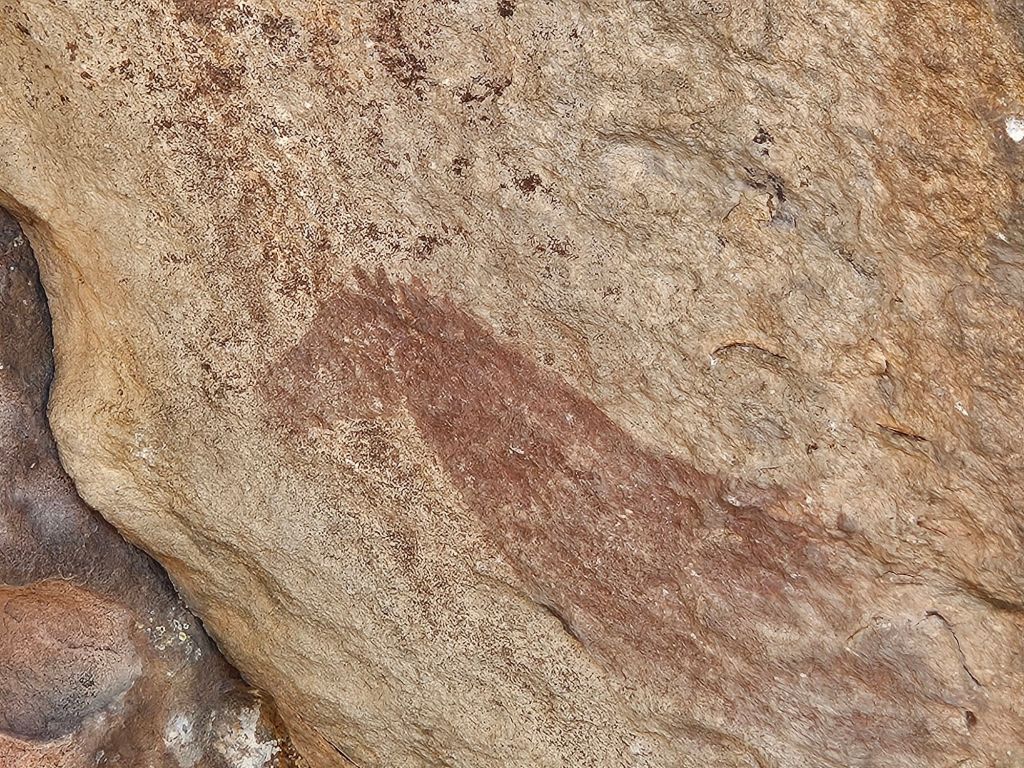
But the rock art, dated to between 4000 and 7000 years old, was pretty cool too, if mostly very hard to see:

Extra pics from K

El castillo de Morella

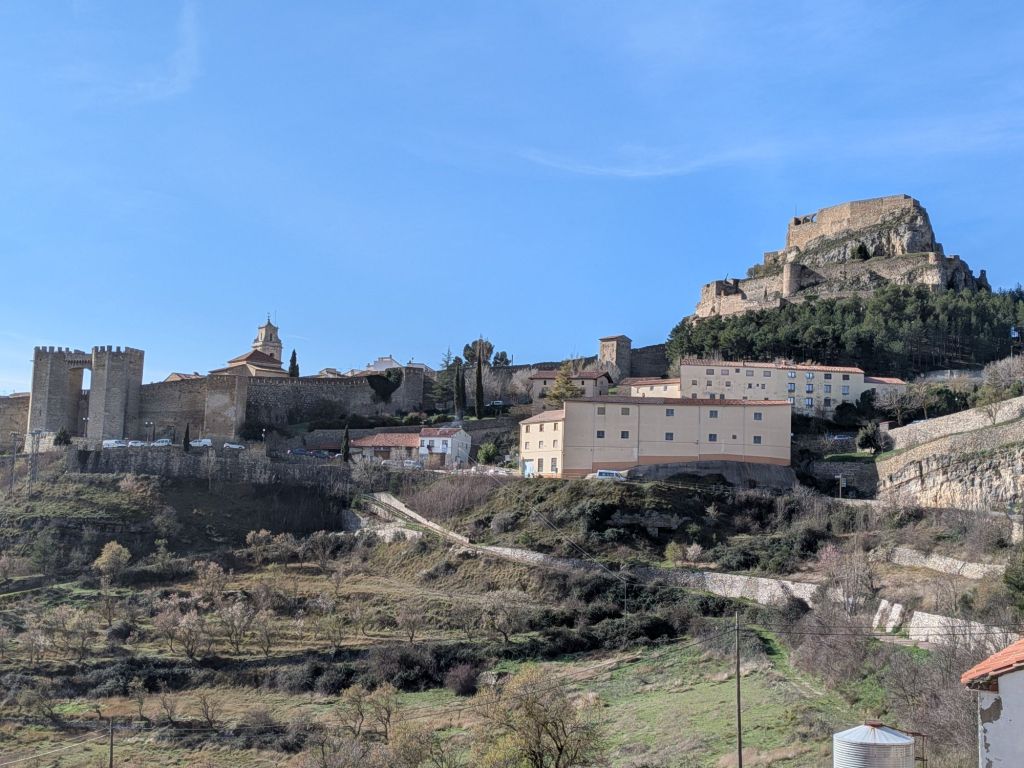
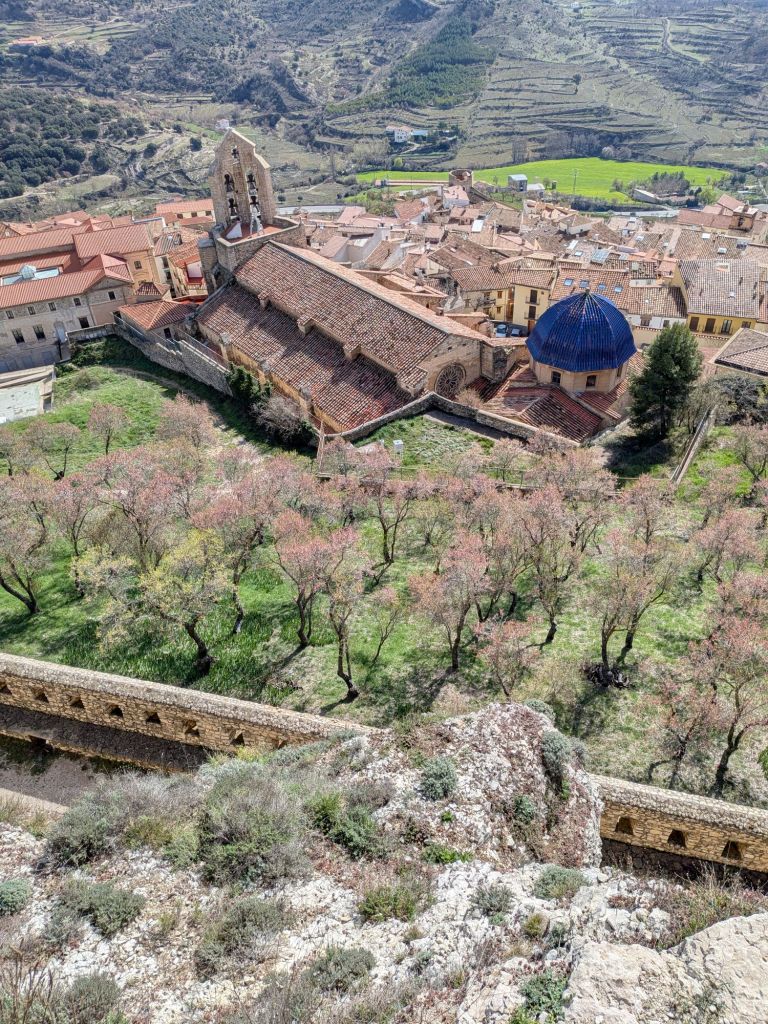
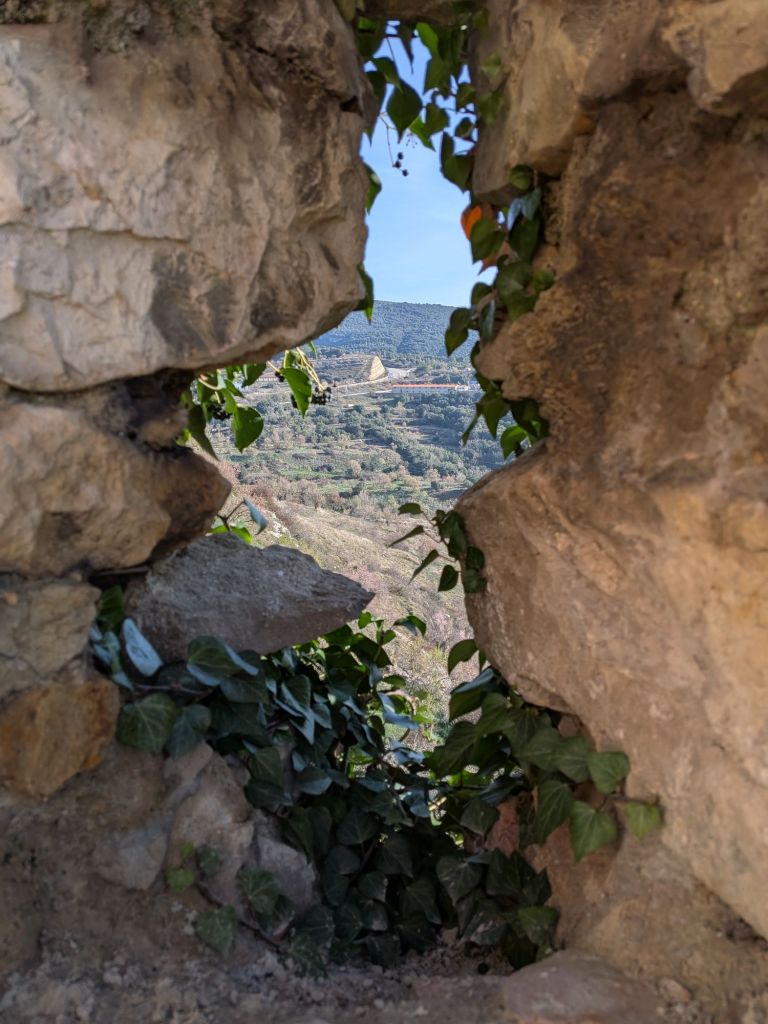
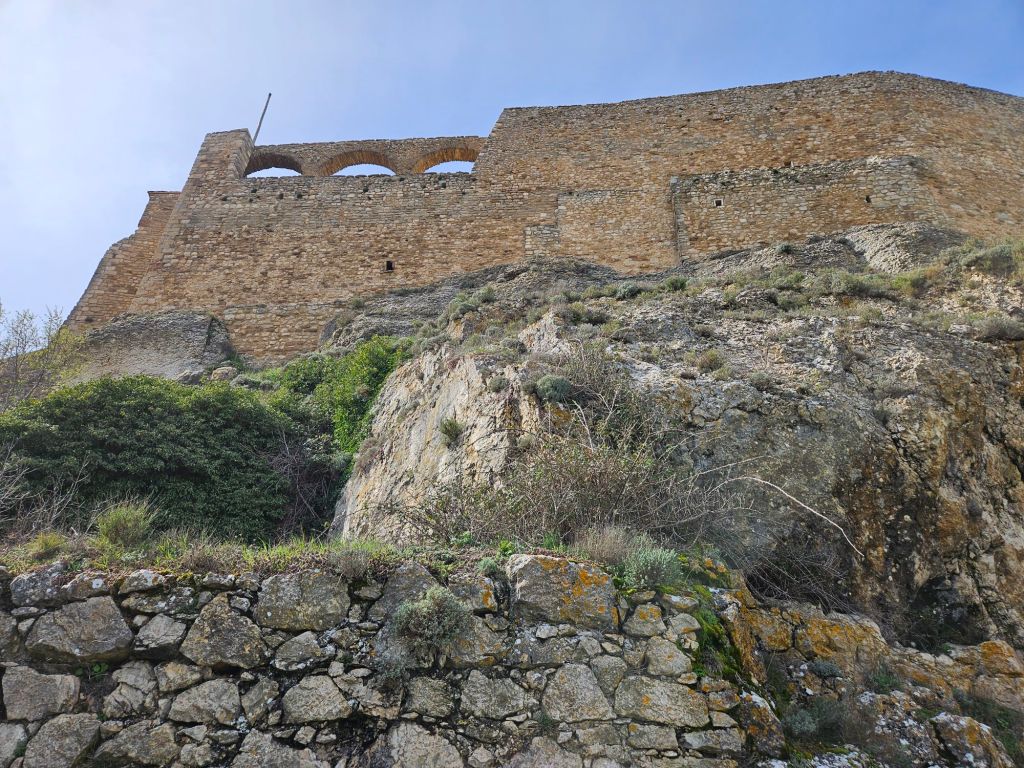
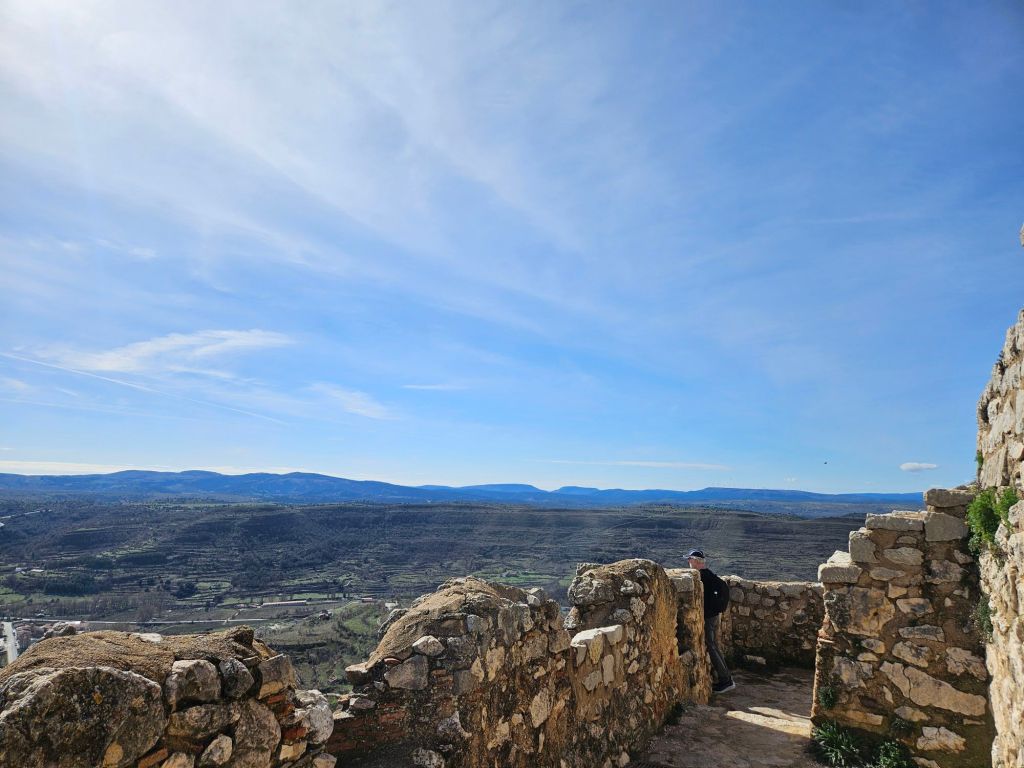
The “prettiest village in Spain” claim has some stiff competition in my experience, but Morella is certainly impressive. After our lovely, rural-feeling morning circumnavigation, we paid €5 at a little gate and climbed to the top. Gorgeous view down onto the rooftops – red Terra Cotta for nearly everything except the occasional blue dome (signifying prosperity) for the churches.

100 or so steep, steep steps to the top. Much of what’s left is C15; of that, quite a bit was torn down in the C18 to make way for cannons when the Spanish were defending themselves against the French.

A Roman ‘pyramid’

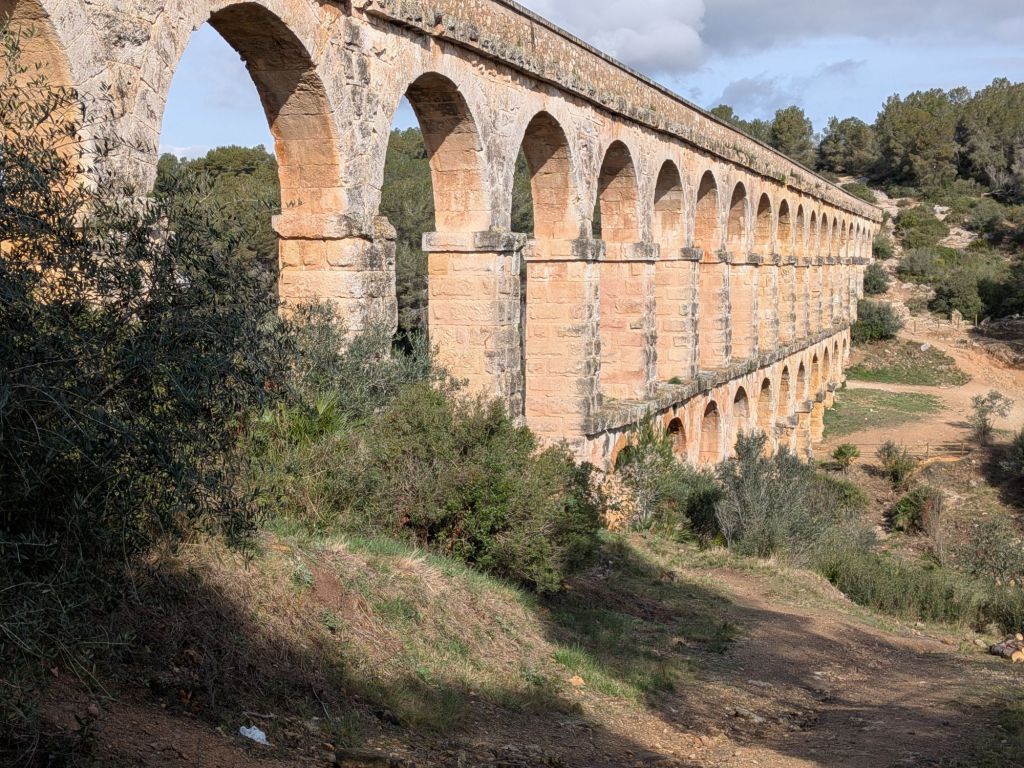
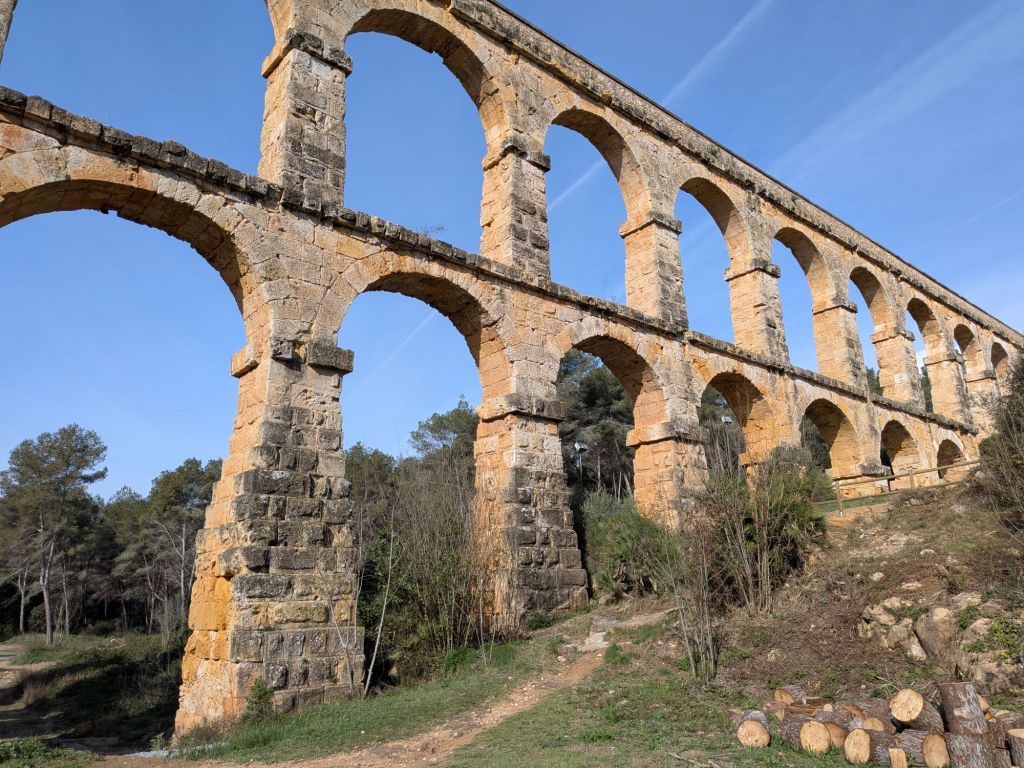
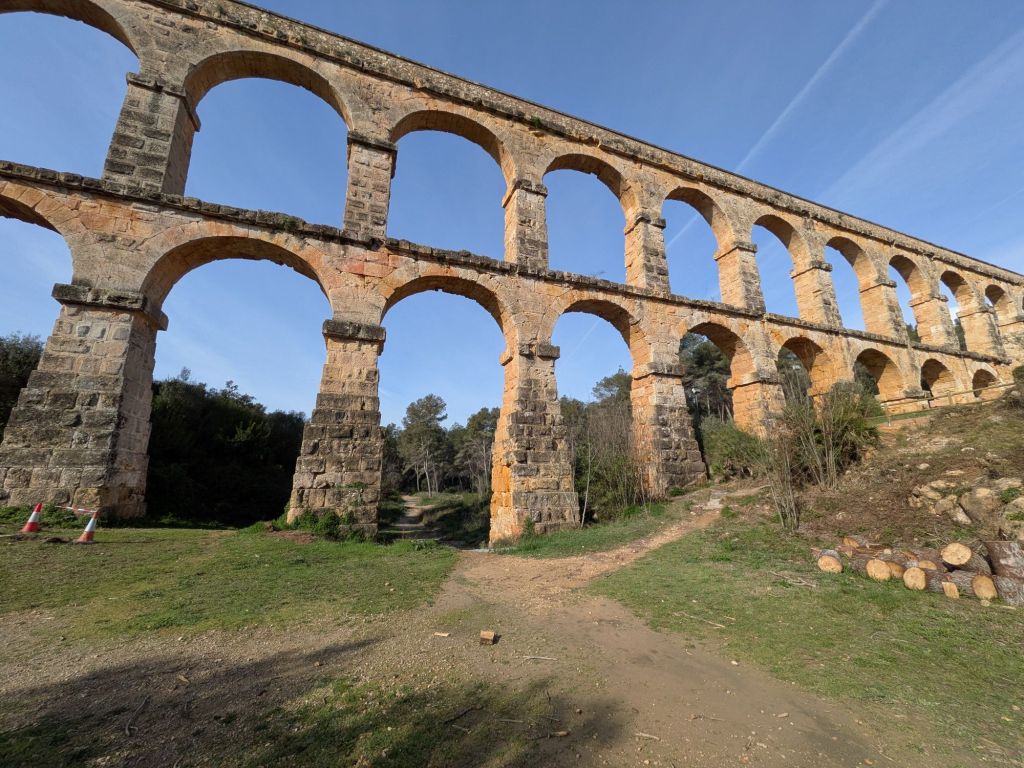
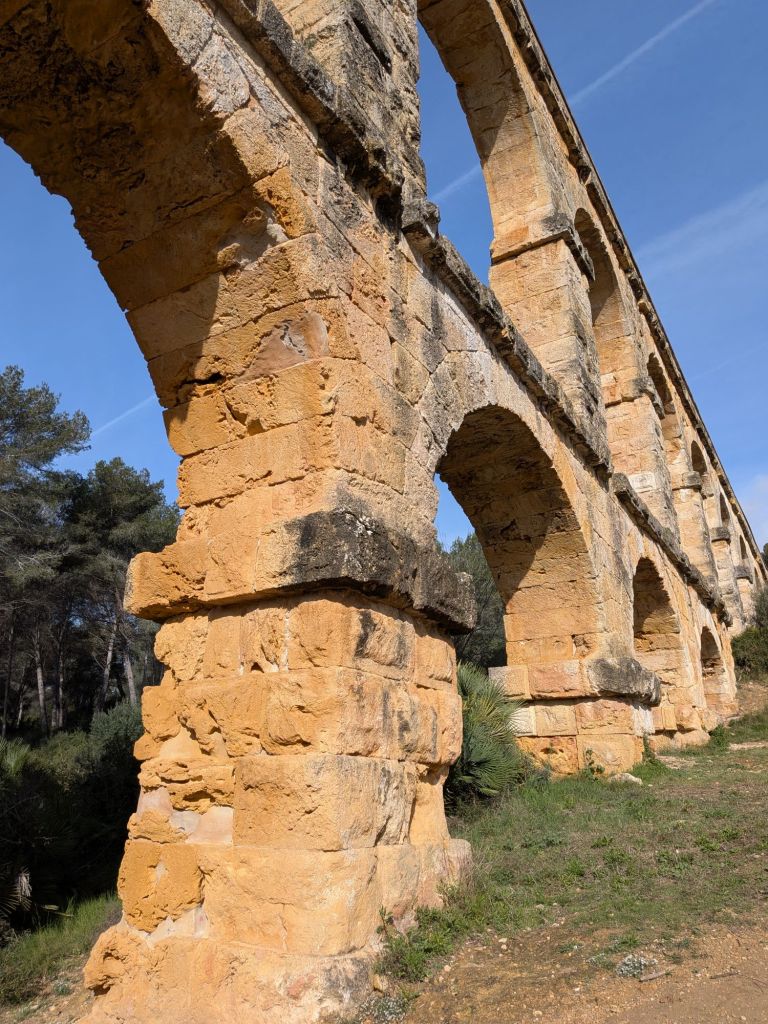
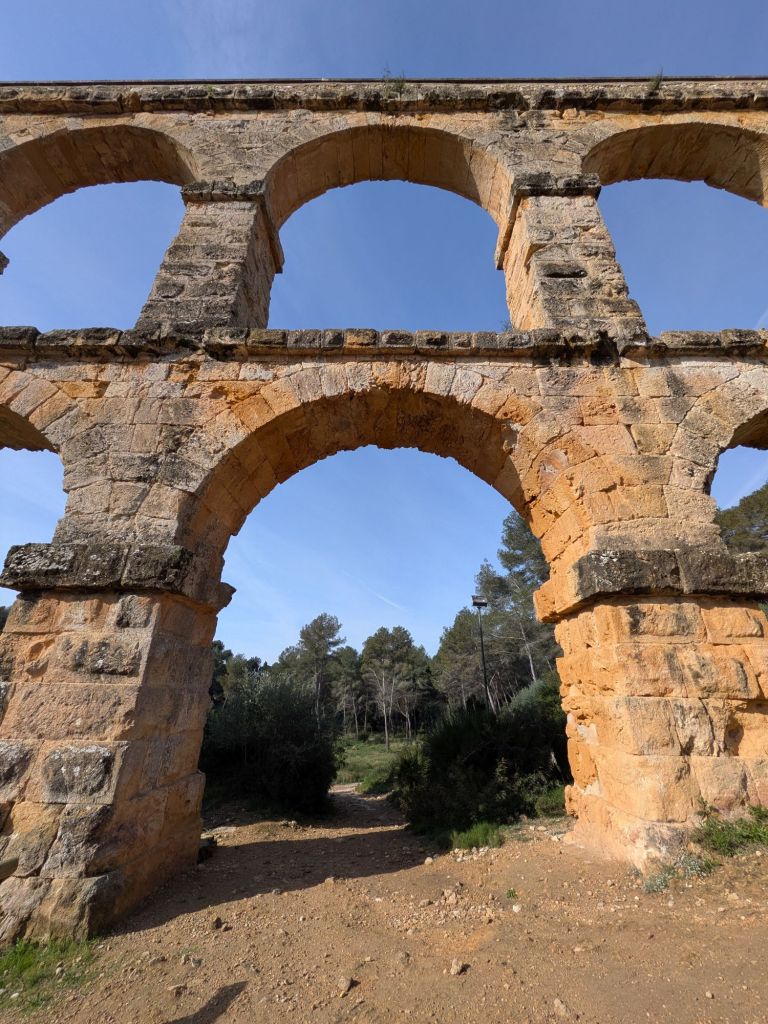
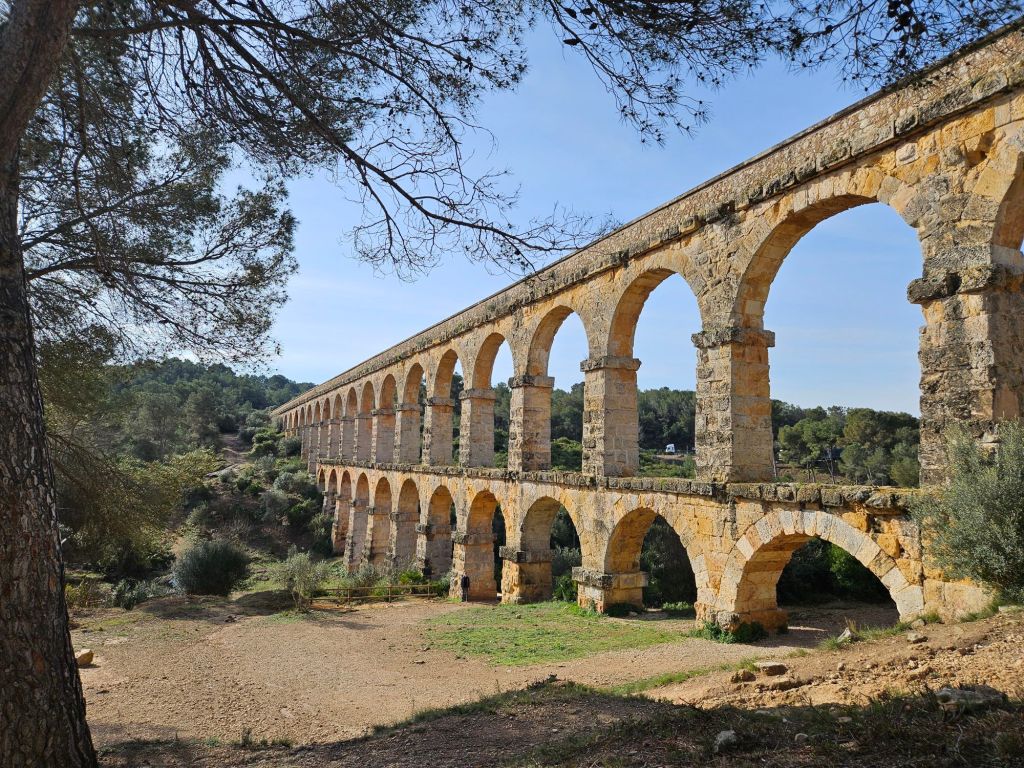
On leaving Tarragona, for a trip through the mountains of Catalunya and Aragón, the first order of business is to stop at the Ferreres Viaduct.

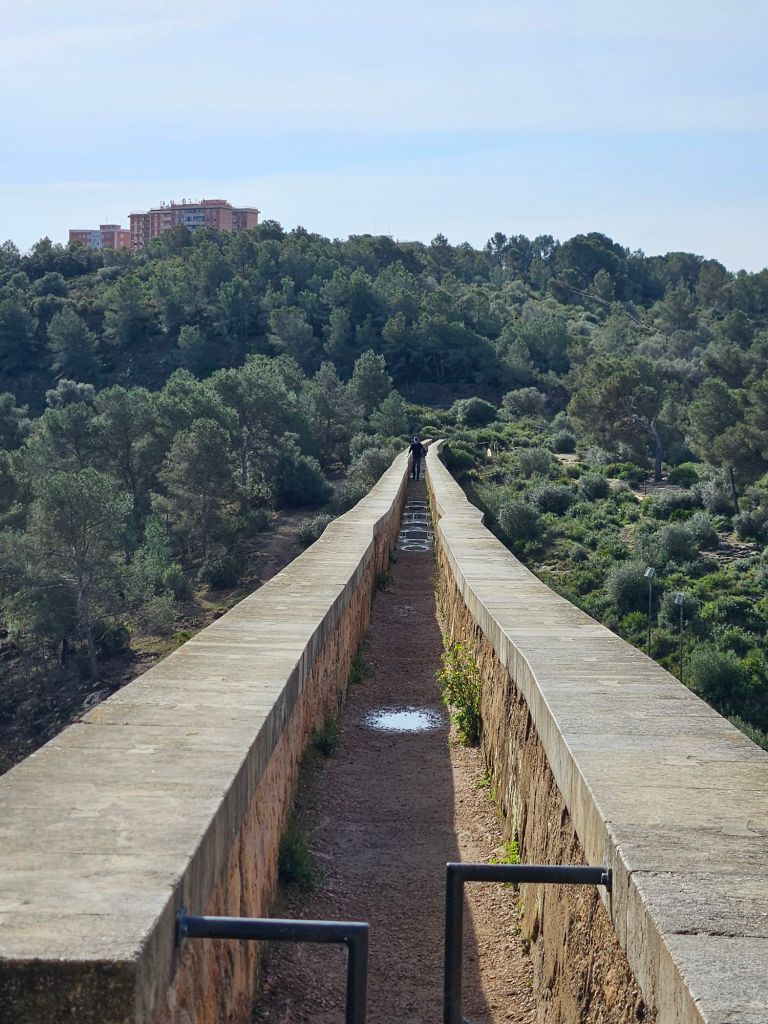
The top channel and parapet has been repaired – I saw a lone jogger cross it and so took the hint and walked across myself – but the rest is pretty much as it would have been in the 1st Century. A sign board shows what it might have looked like half- complete, with massive scaffolding and block-and-tackle machinery in place, but still the whole thing is hard to believe. You understand why the people who came along in the 5th-7th centuries might have believed in a vanished race of giants. The board had a proud quote from a Roman aqueduct inspector, Fronti, to the effect that “our pyramids are actually useful.”

K here. Below is a pic with R underneath for scale.

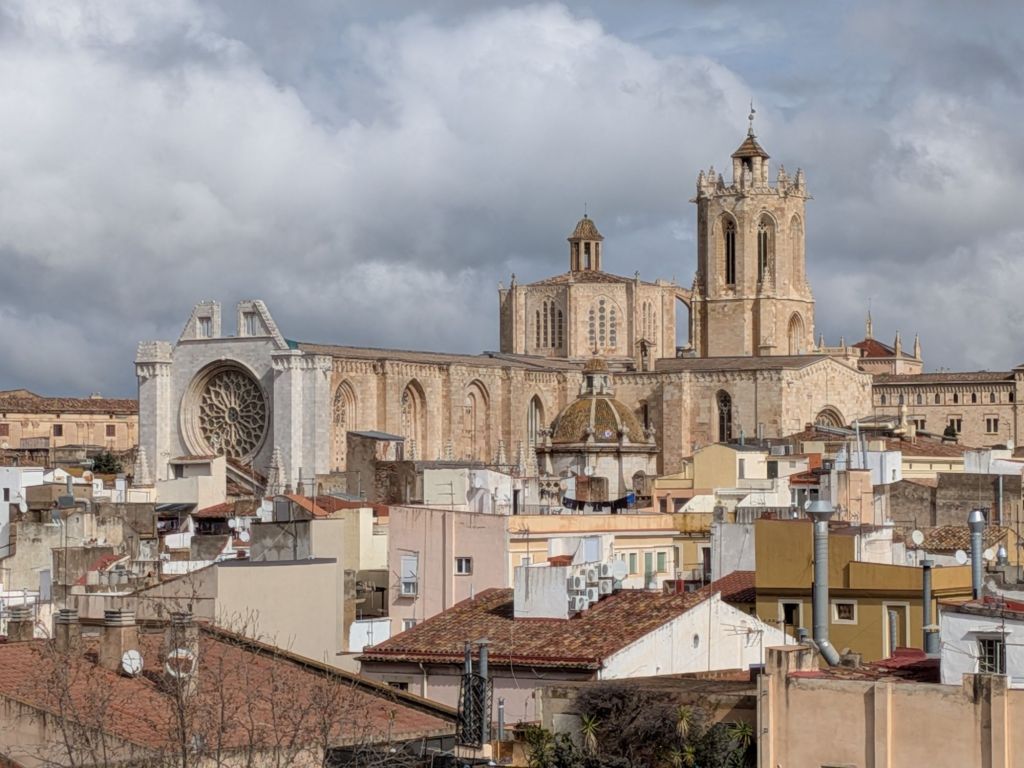
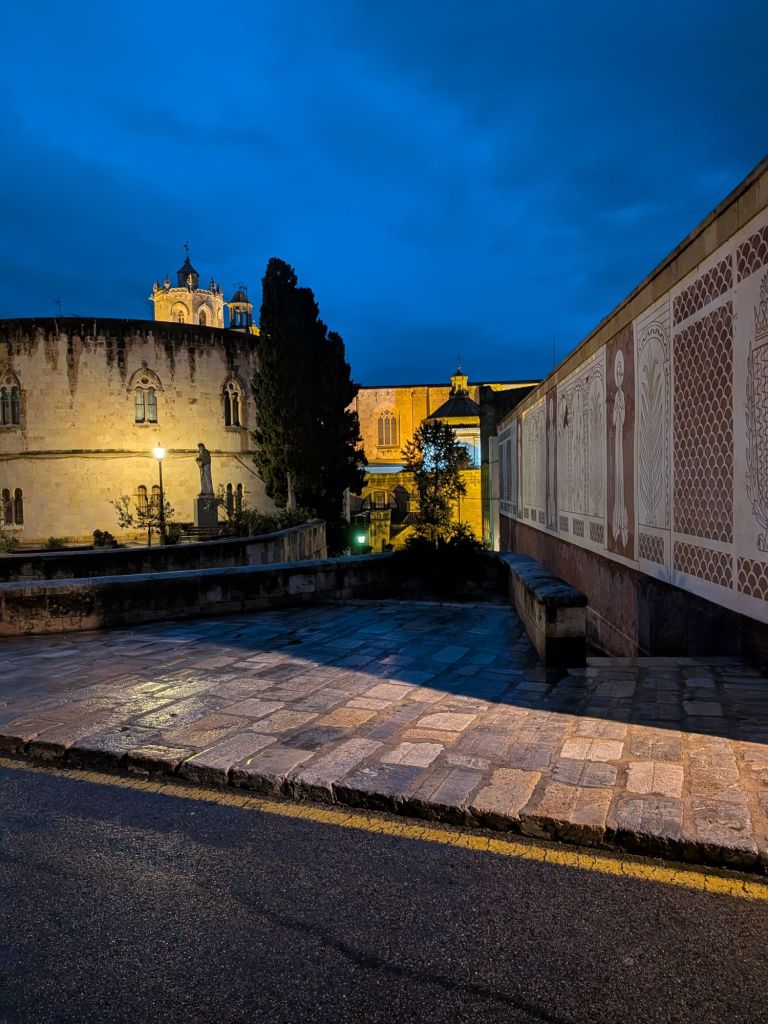
Catedral de Tarragona

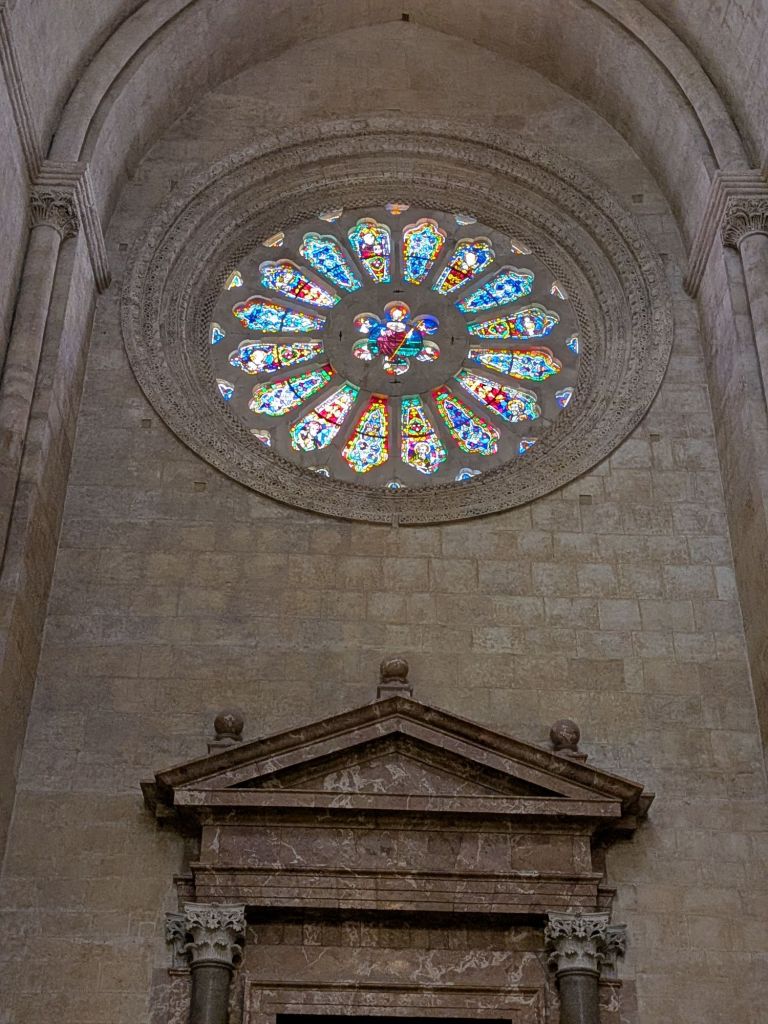
Words fail – and I know K wants to do a long post on this – but here to be getting on with is the largest rose window in Catalunya:

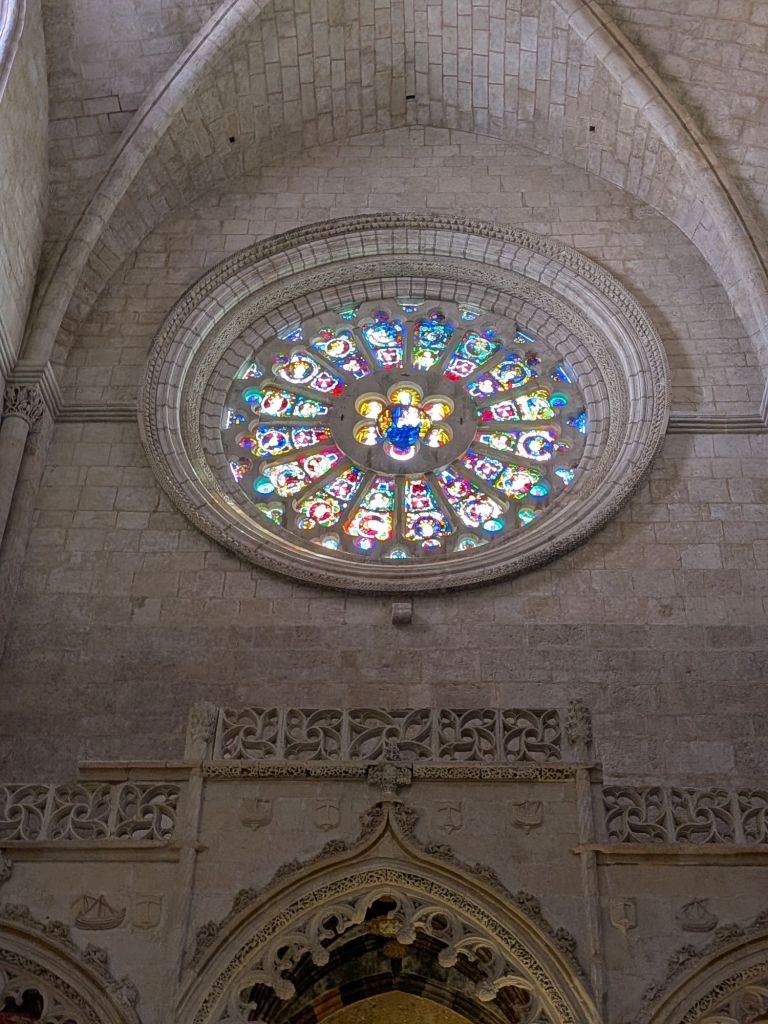
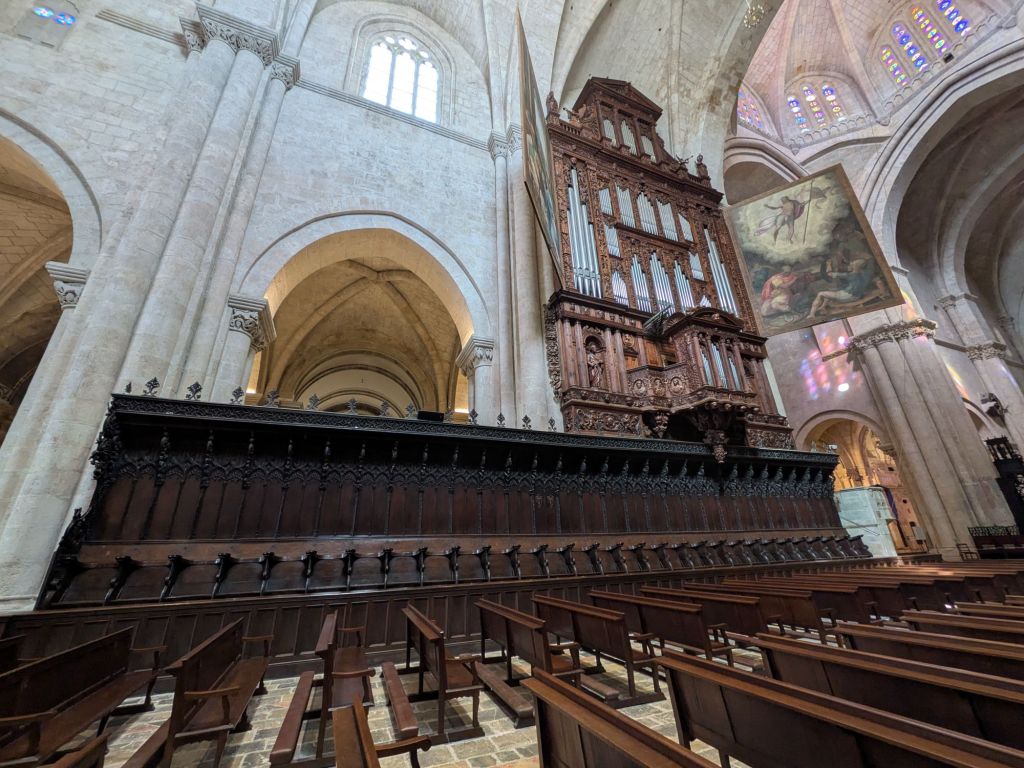
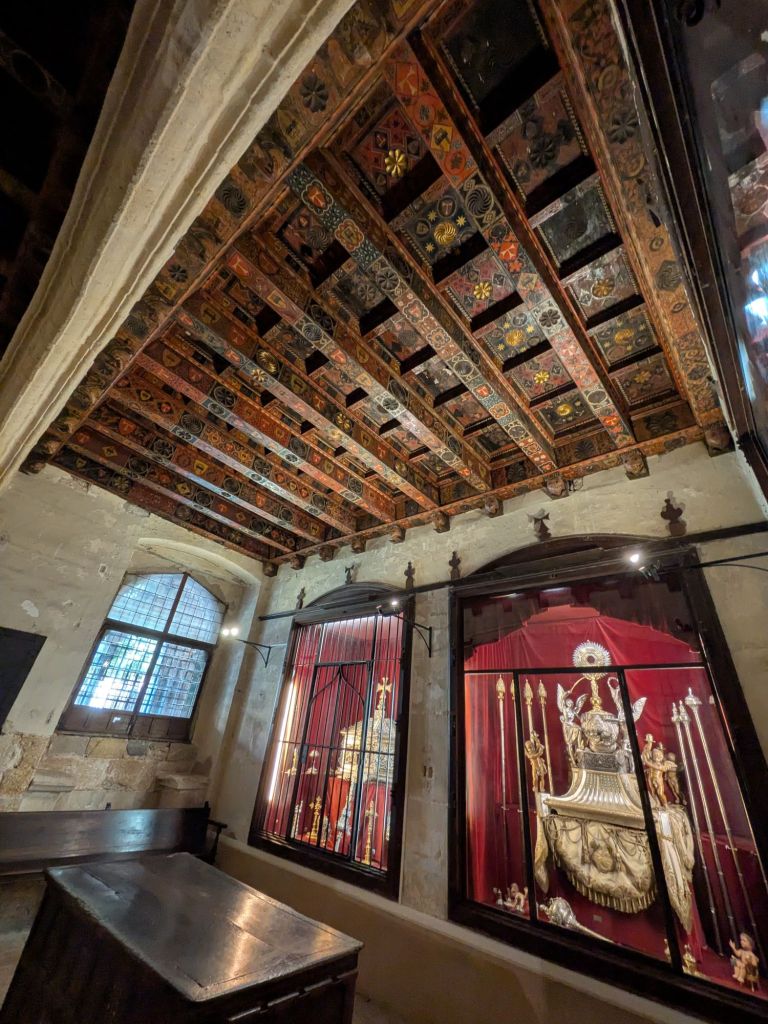
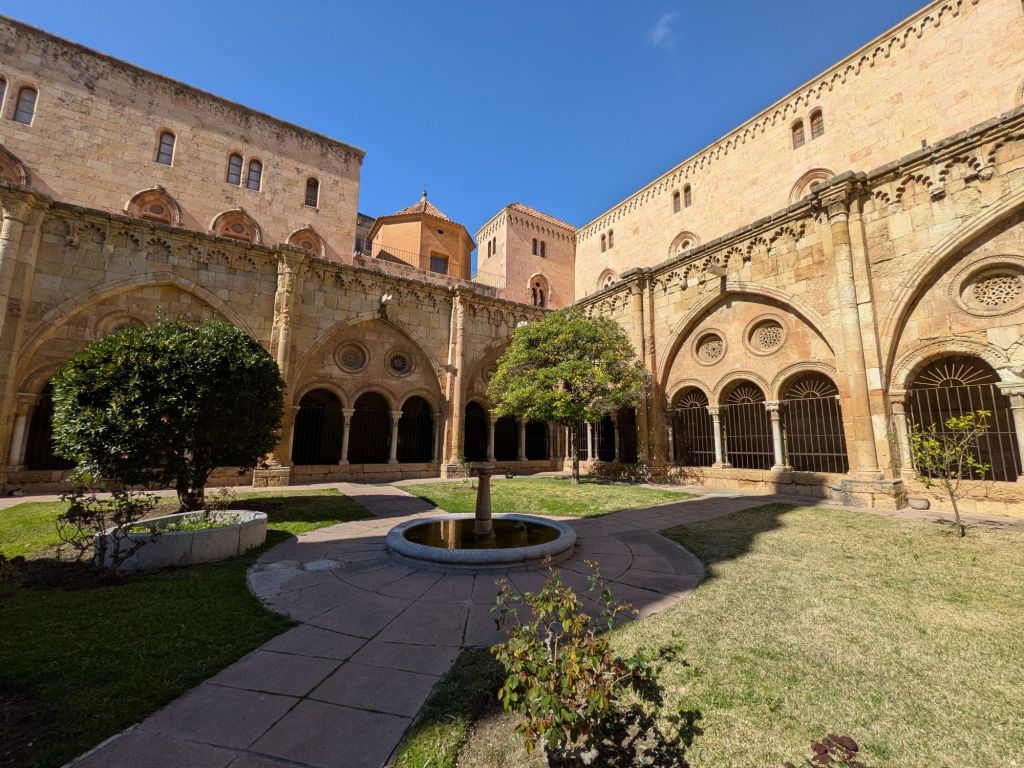
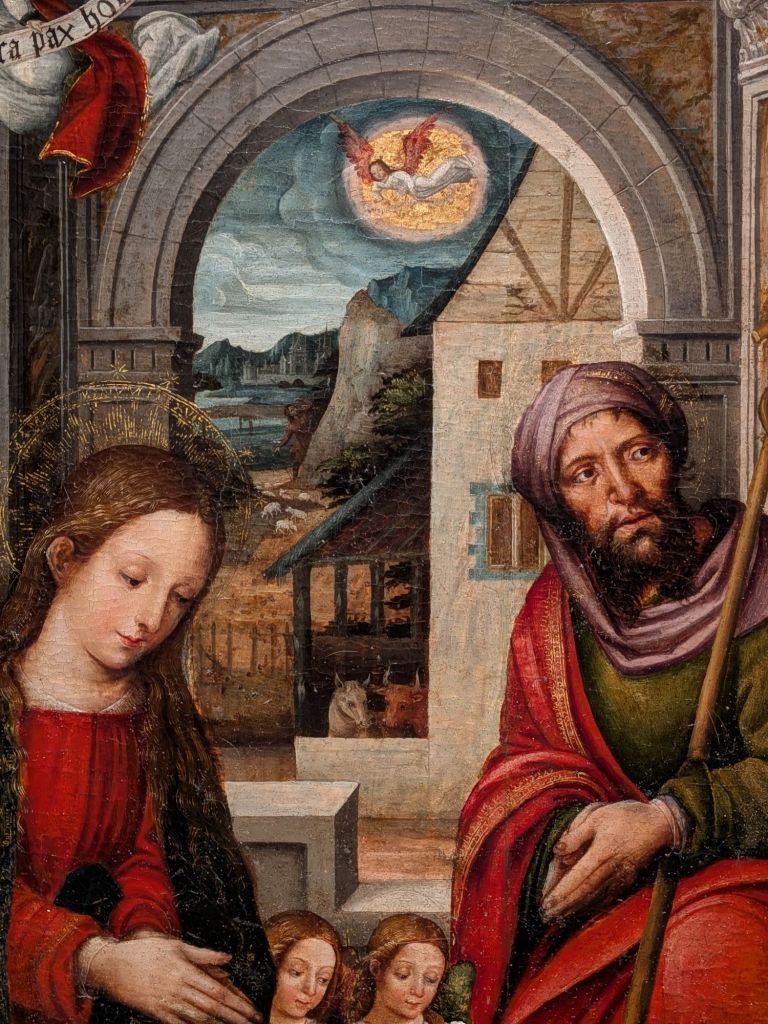
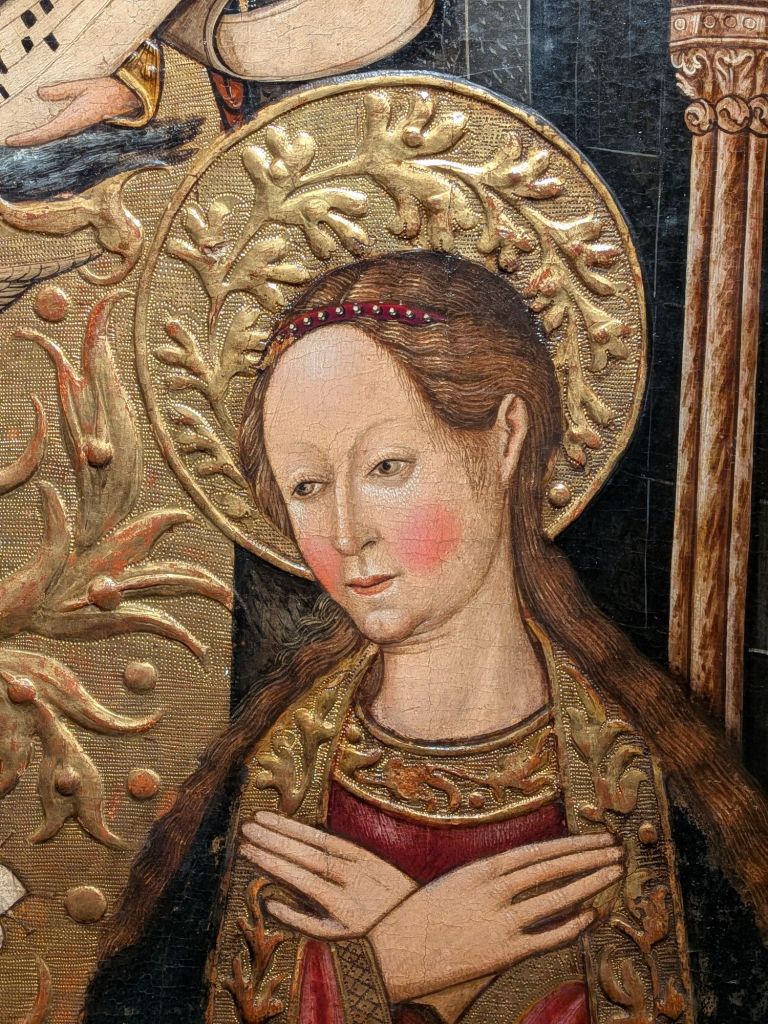
And here’s another one (of about six), plus the vast C15 choir stalls and organ, a C14 coffered ceiling in the treasury, an unbelievably beautiful and well preserved 1510-ish altarpiece in one of more than a dozen side chapels, and the lovely, sun-warmed cloisters:

These pictures only scratch the surface of what isn’t so much a cathedral as a huge, rich, labyrinthine complex – all on the spot where the Roman forum once stood.

After about two hours we were seriously hungry and in need of a break, but then we discovered a whole section we’d missed, and we couldn’t bear to leave.

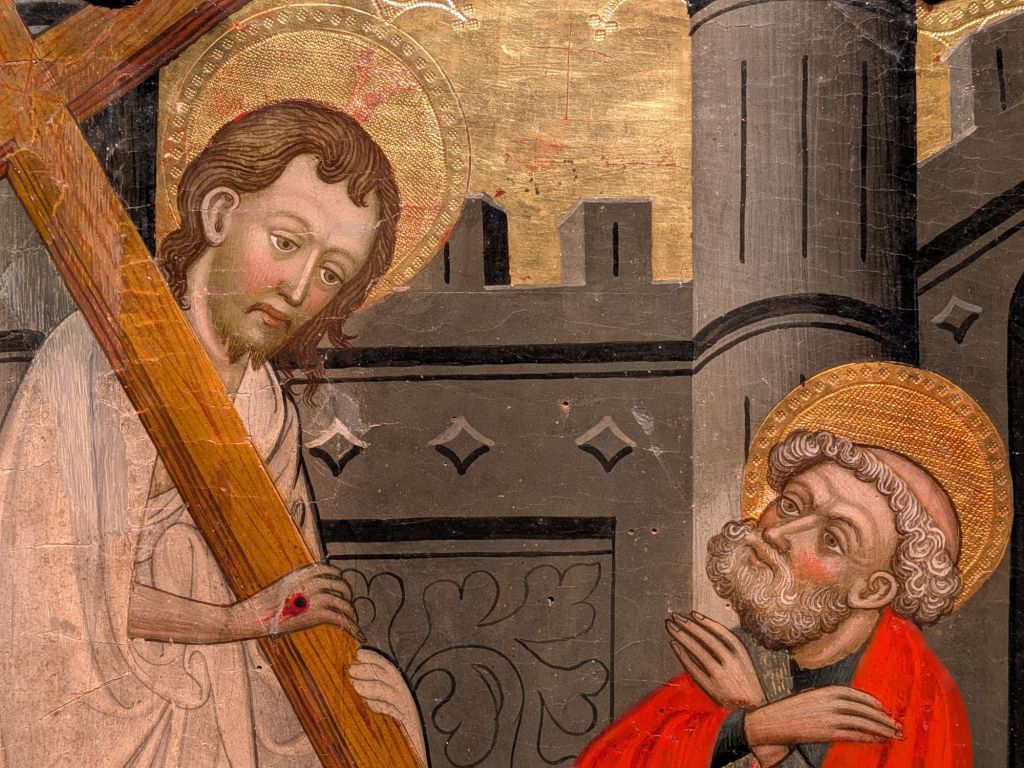
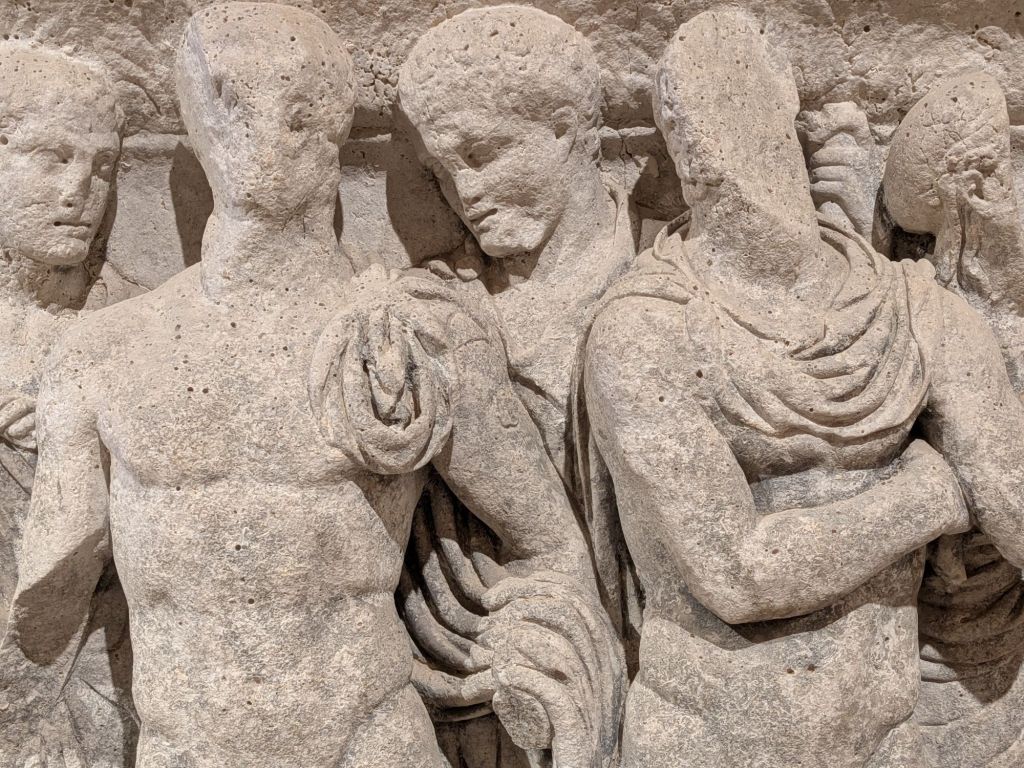
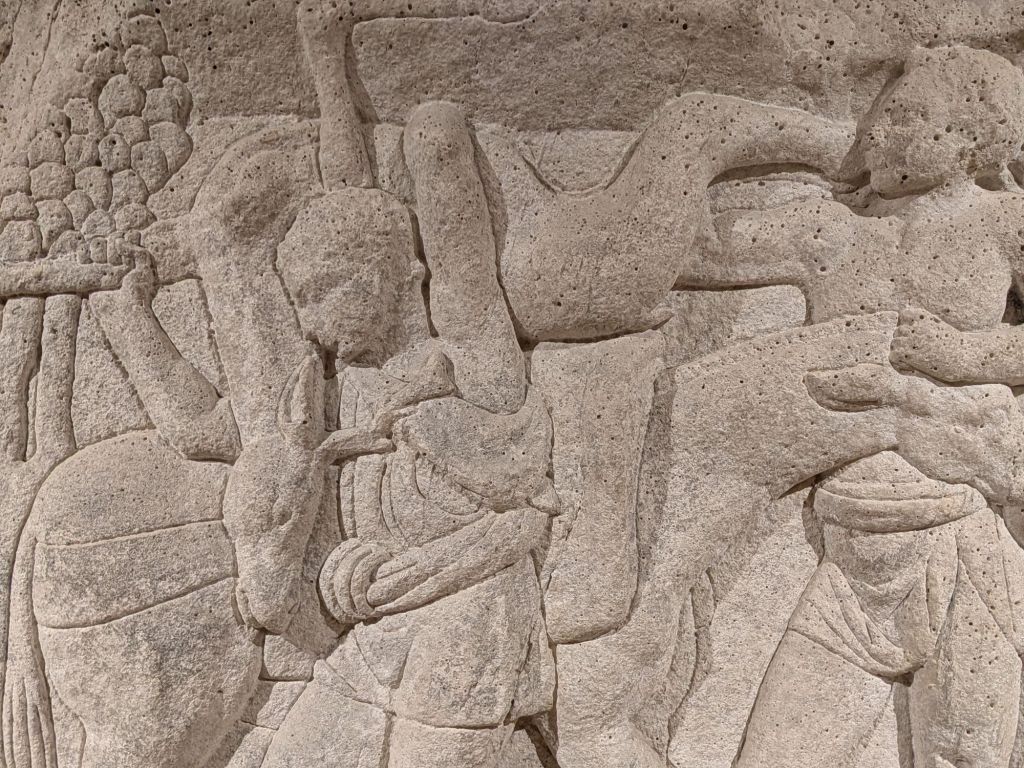
Then we realized we hadn’t yet seen the museum, and almost didn’t bother, which would have been a serious mistake:

More really old stuff

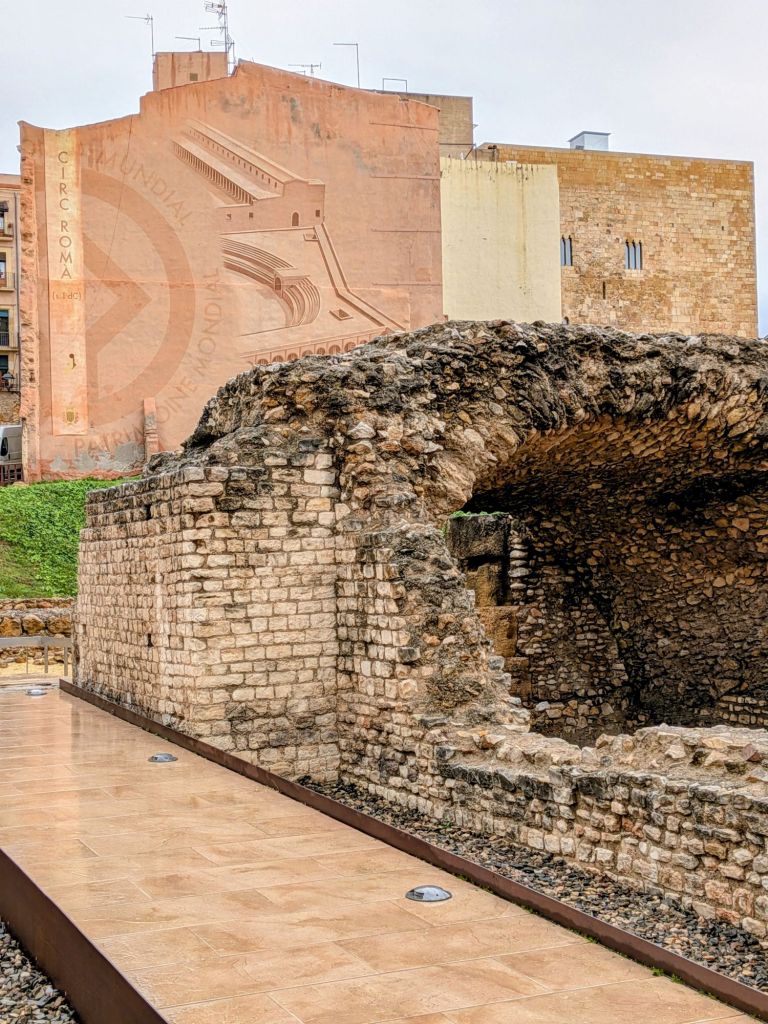
Eastern end of the chariot stadium – see the handy plan on the wall behind, in which you can just (at bottom) see the arches of which this was one.

Tarraco – as the lads from Italy called it – was a major settlement by the first century;  what remains of it is the largest set of Roman ruins on the Iberian peninsula. See K’s earlier post for the anfiteatro (location, location, location).

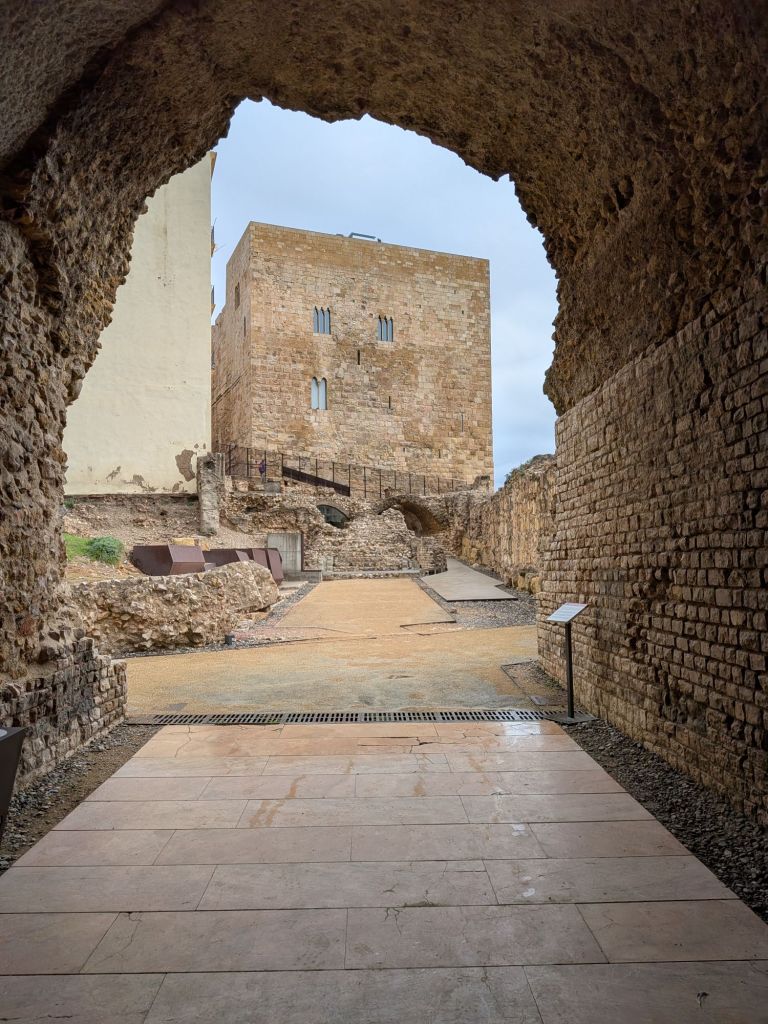
Y mucho más: the entrance to the ruins (above) is the beginning of a clockwise circuit  within and around the entire city wall. Some of the major stops:

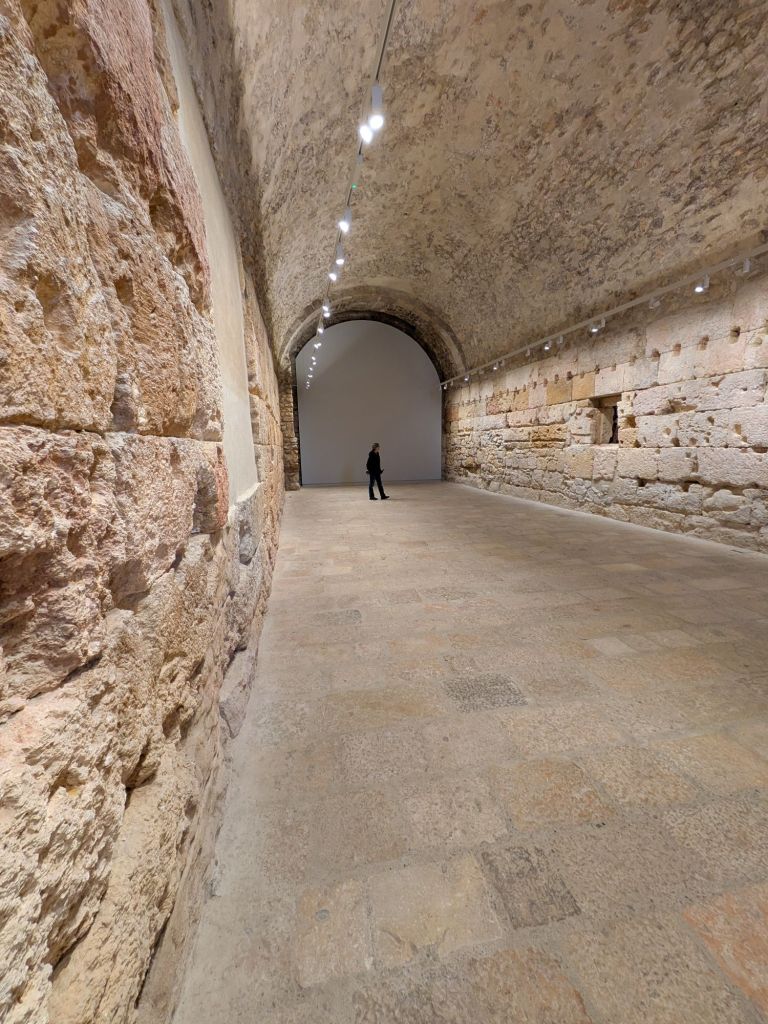
Tunnel under the eastern end

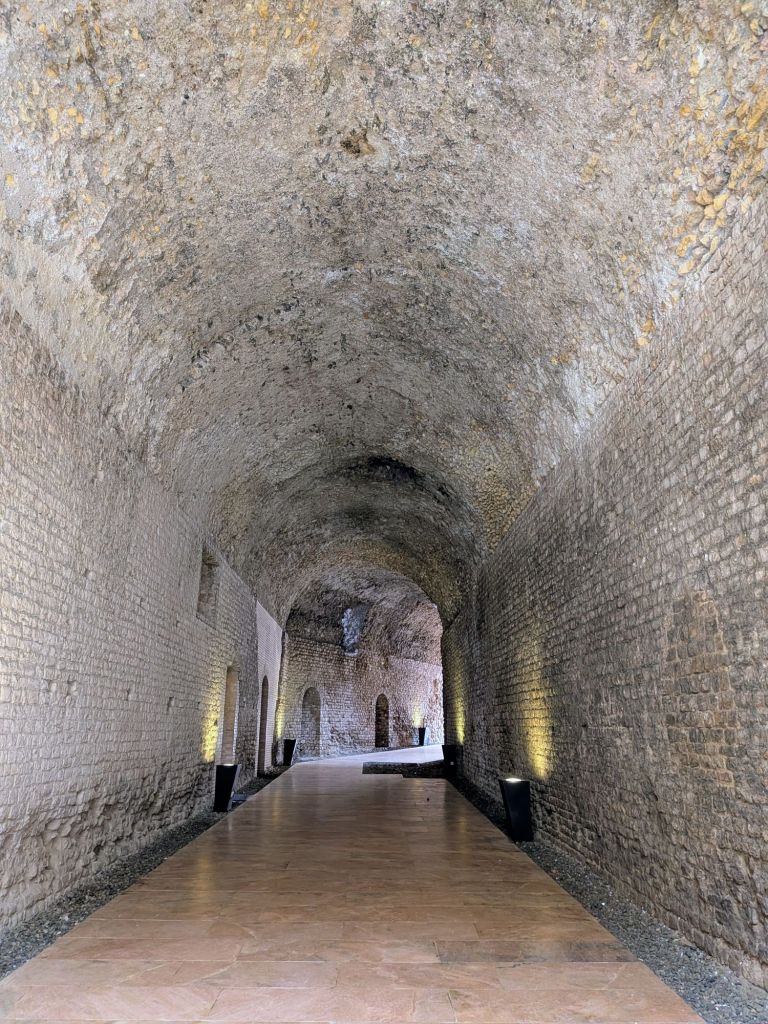
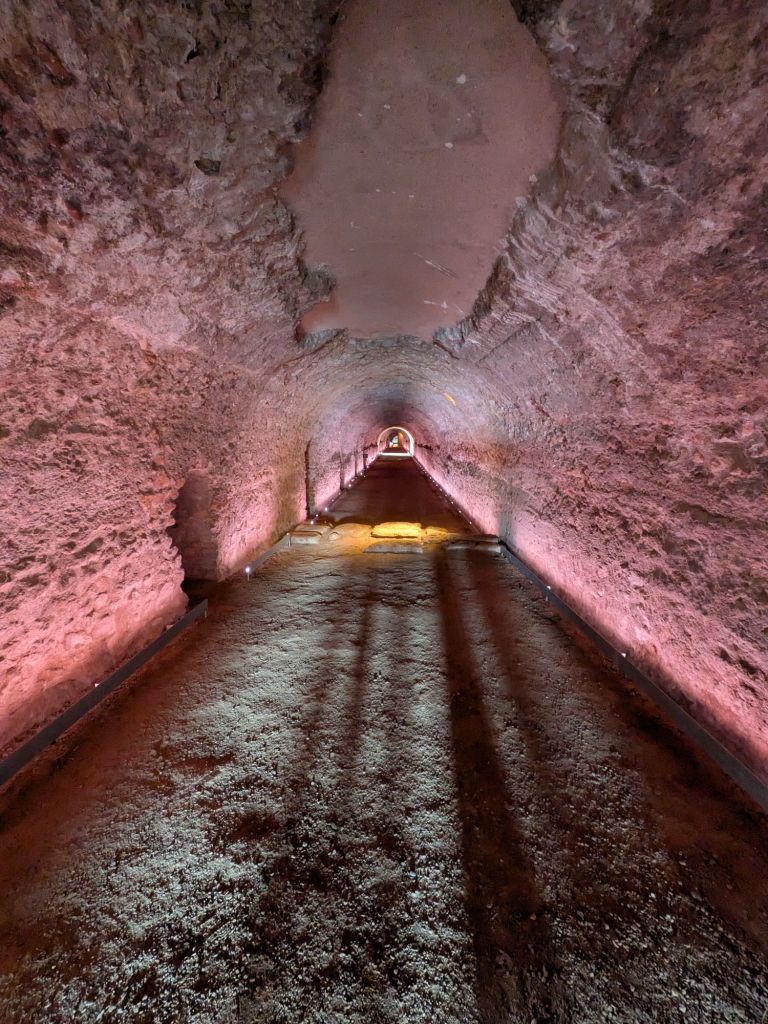
Enormously long tunnel under the stands along north side – used for chariots, then as a rubbish pit for centuries, then re-excavated.

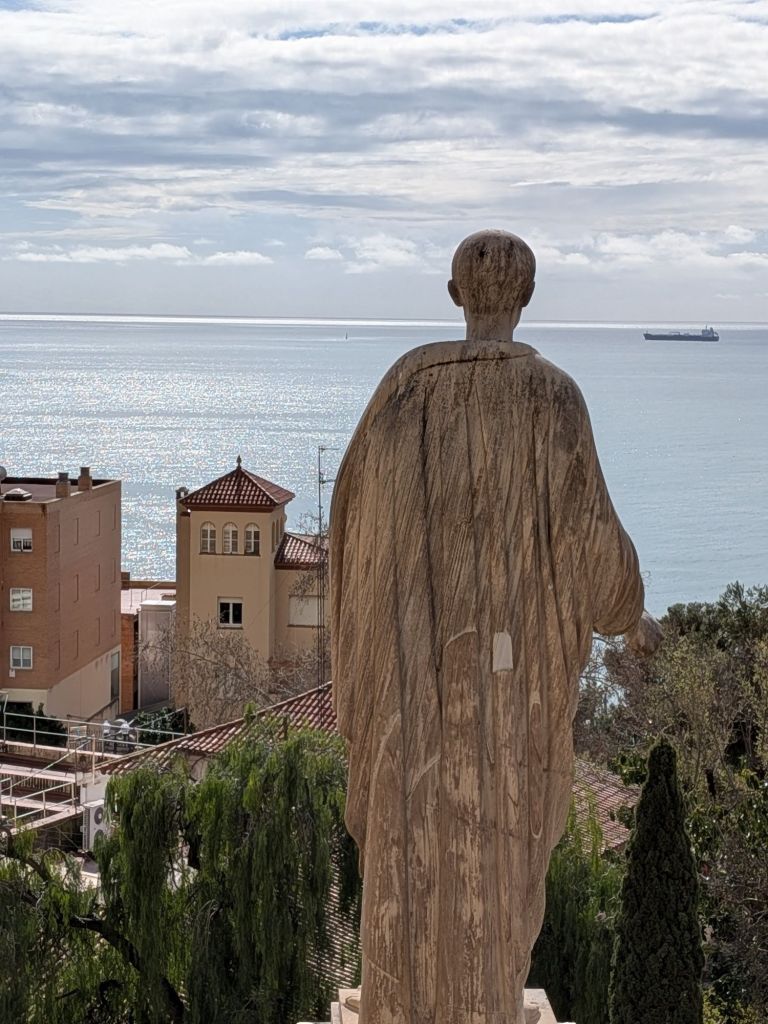
Octavian, aka Augustus Caesar, enjoying a smirk and a view of the Med after defeating Tony and Cleo at Actium
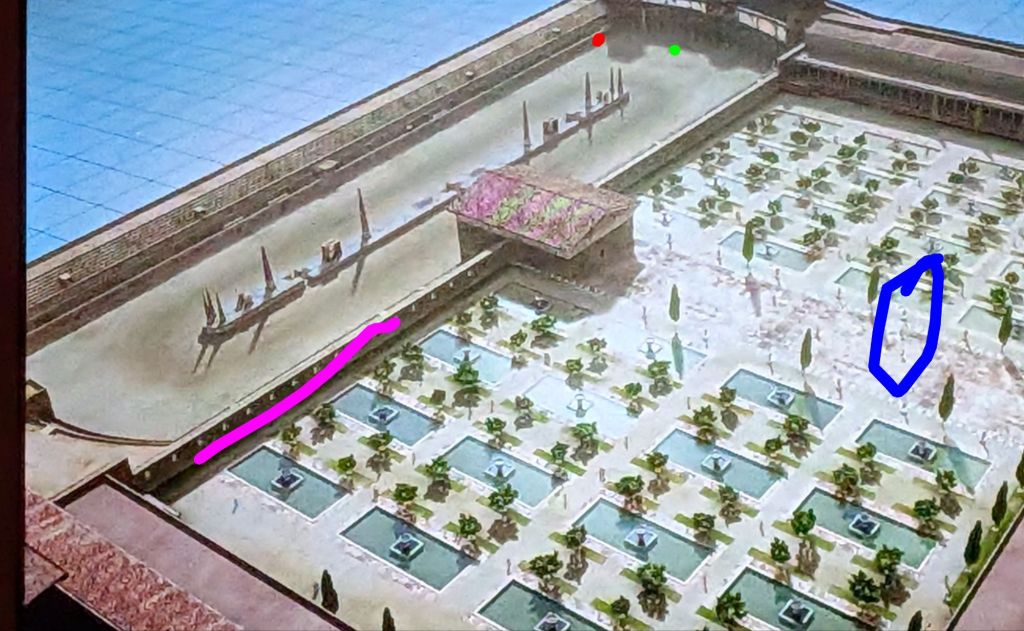
A model of Tarraco showing where the Roman stadium and forum were in relation to the current cathedral (blue circle), long tunnel shown above (pink), modern town hall (green dot) and our apartment (red dot).

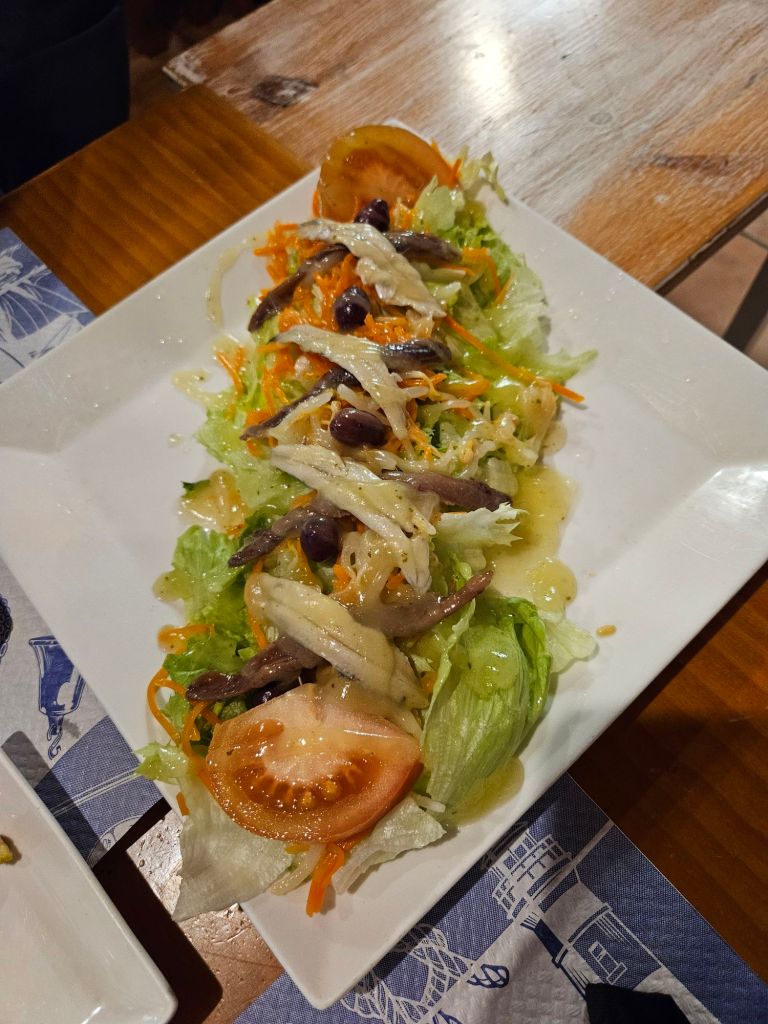
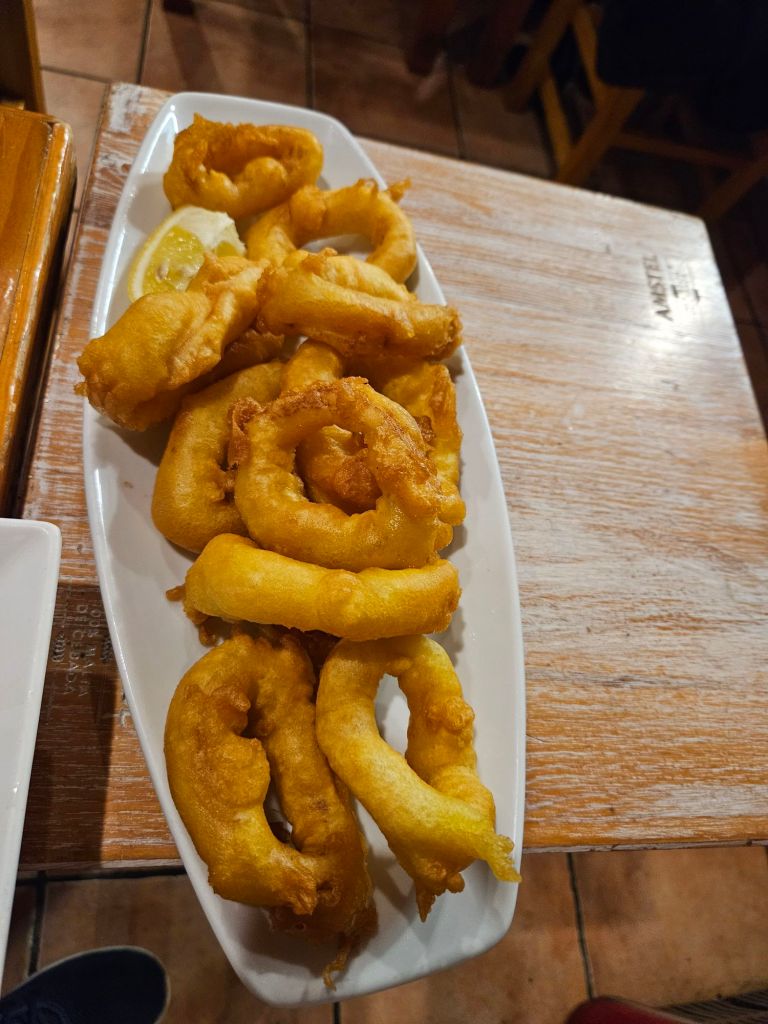
Badly in need of lunch after that. Had to wait for ages, but got a table in the shade of a tree about four o’clock. Ate far too much.

R in bright blue by the door, awaiting our table

In Tarragona

The plan, or fantasy, was to wind our way up the coast, stopping to view a couple of spectacular castles clinging to cliffs above the blue Mediterranean.

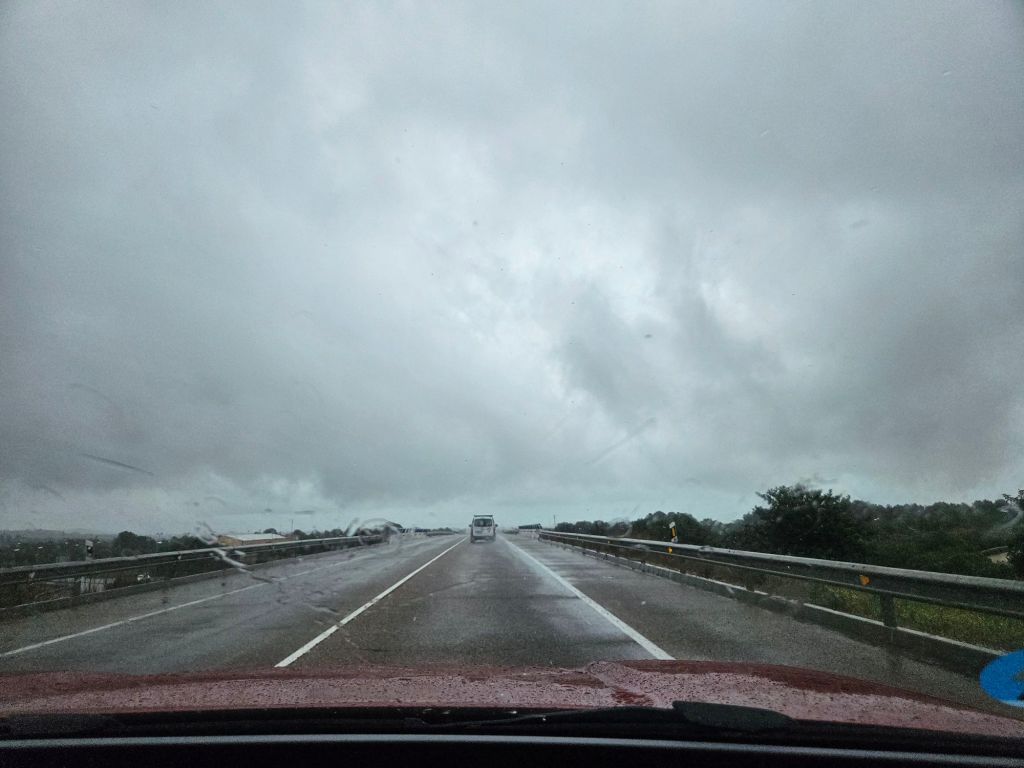
Picked up the rental car, no problem, and it poured with rain all day.

Nice lunch stop at a tiny mom and pop restaurant where about ten Spanish men around one table were engaged in competitive high-decibel conviviality.

Then onward up the autopista at 120 kph under low grey clouds and more rain.

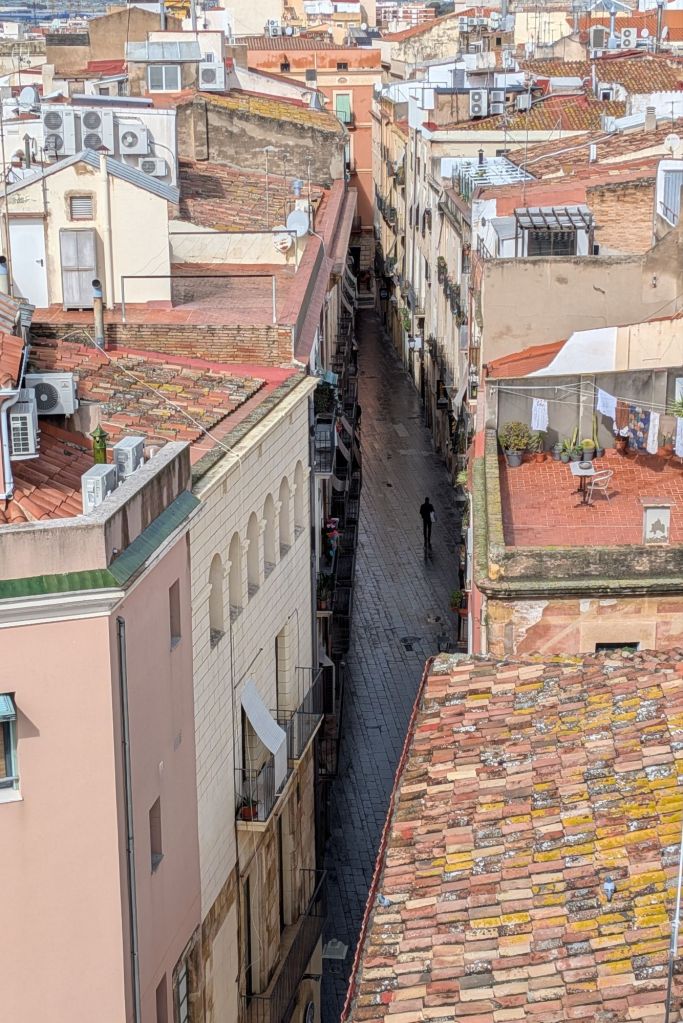
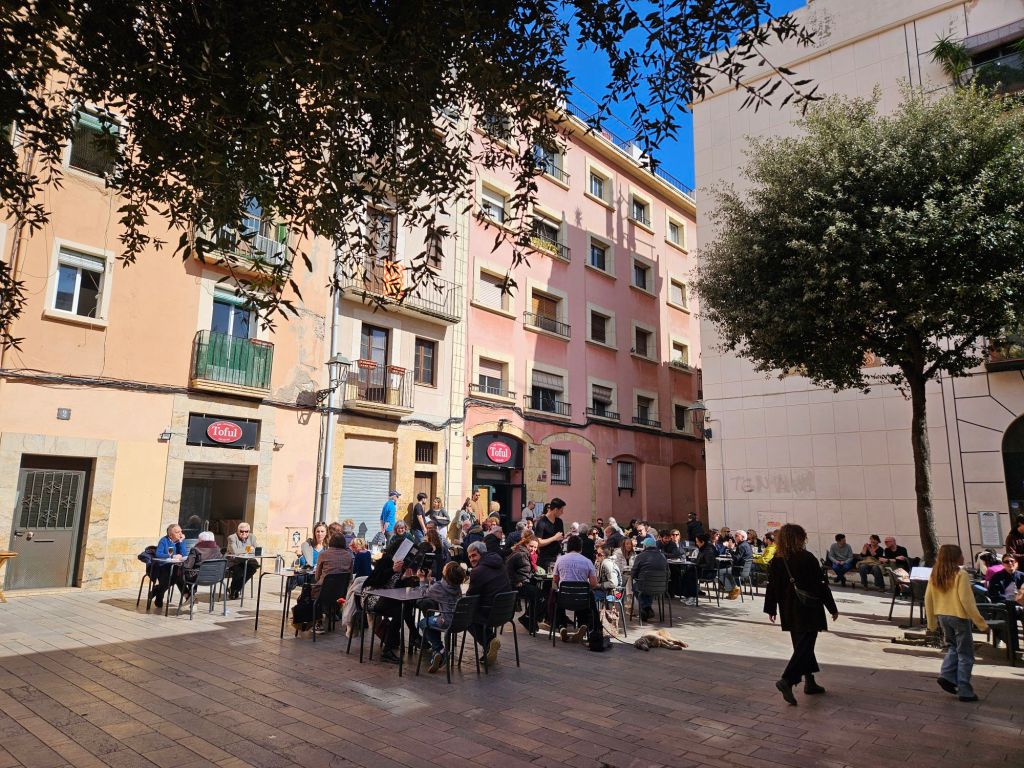
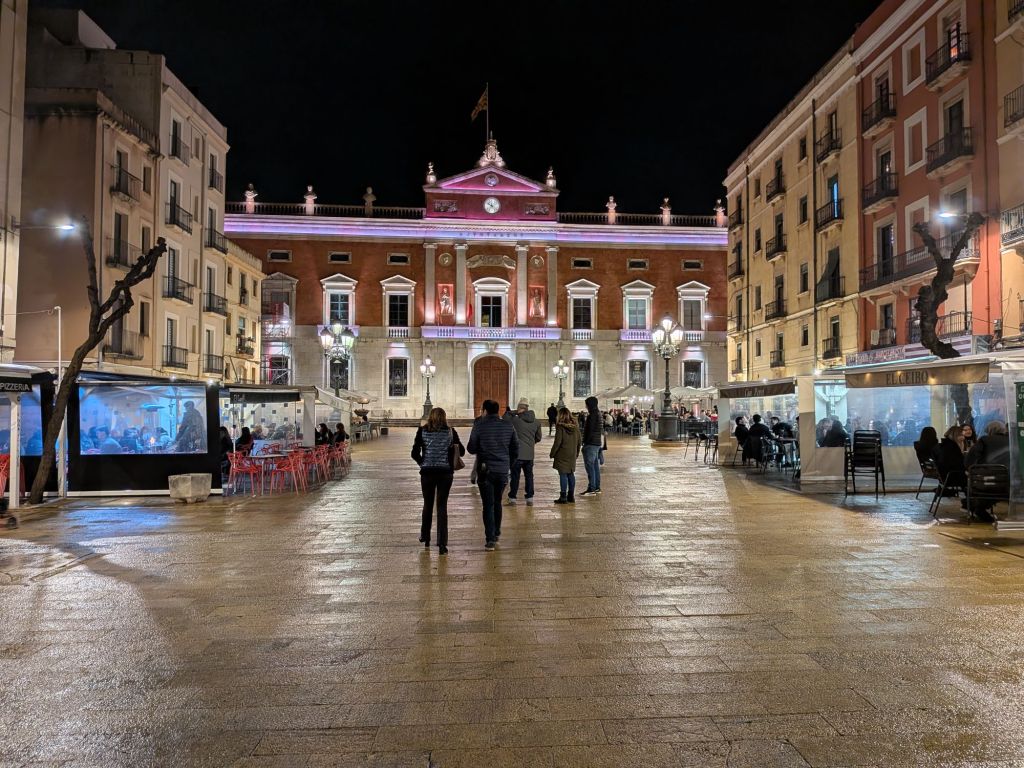
Found our slightly sketchy but brilliantly located apartment. It’s in the taller building at left, overlooking Placa de la Font, the central square of old Tarragona.

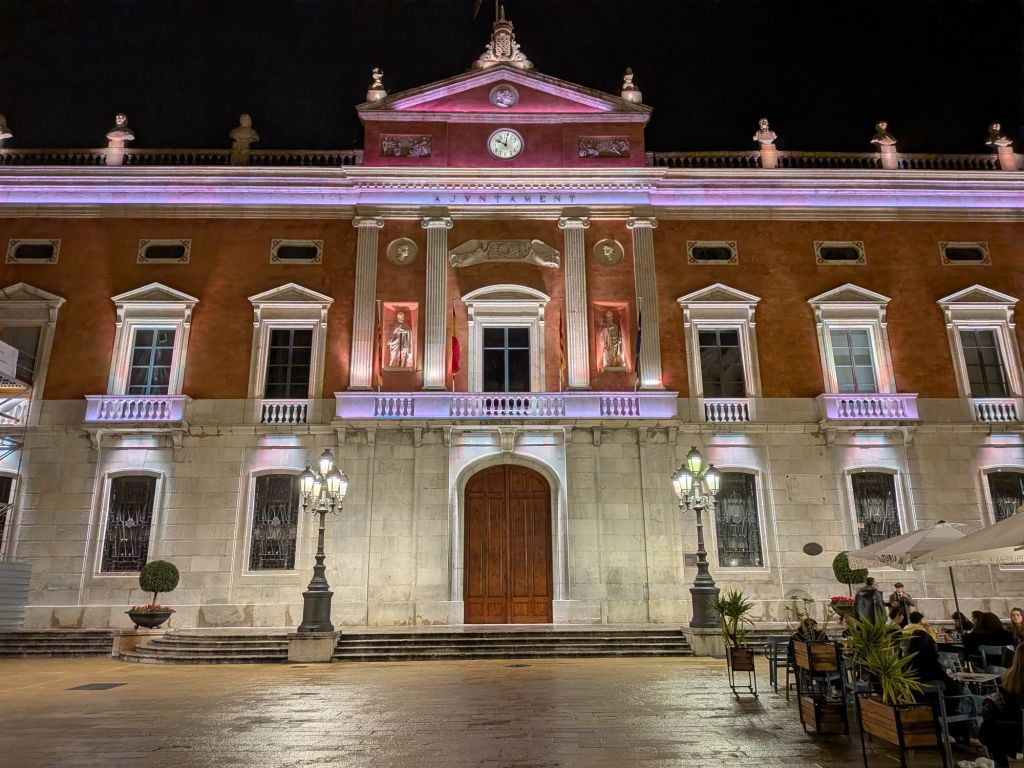
The Placa is now dominated by the lovely C.19 town hall – and brave people seated under heaters at a dozen or more outside restaurants. But 2000 years ago this space was a Roman stadium used for chariot races.

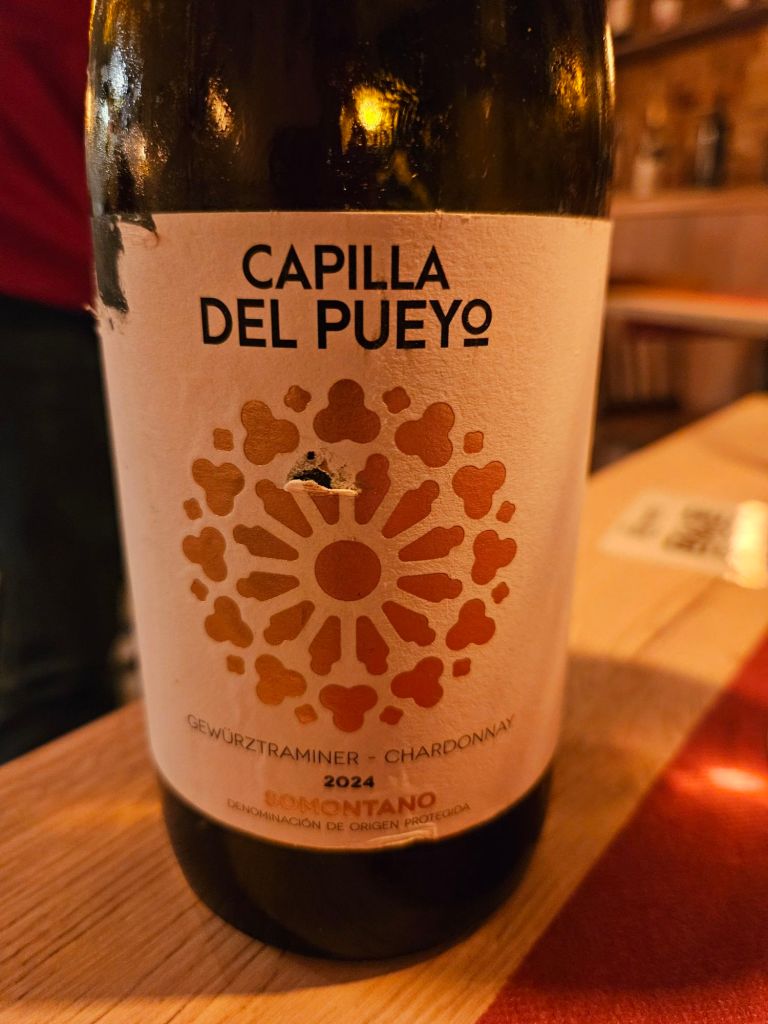
Now drinking wine in a quiet bar around the back of the town hall. K especially taken with her “semi-seco” blend of gewurztraminer and chardonnay.

La Mascleta

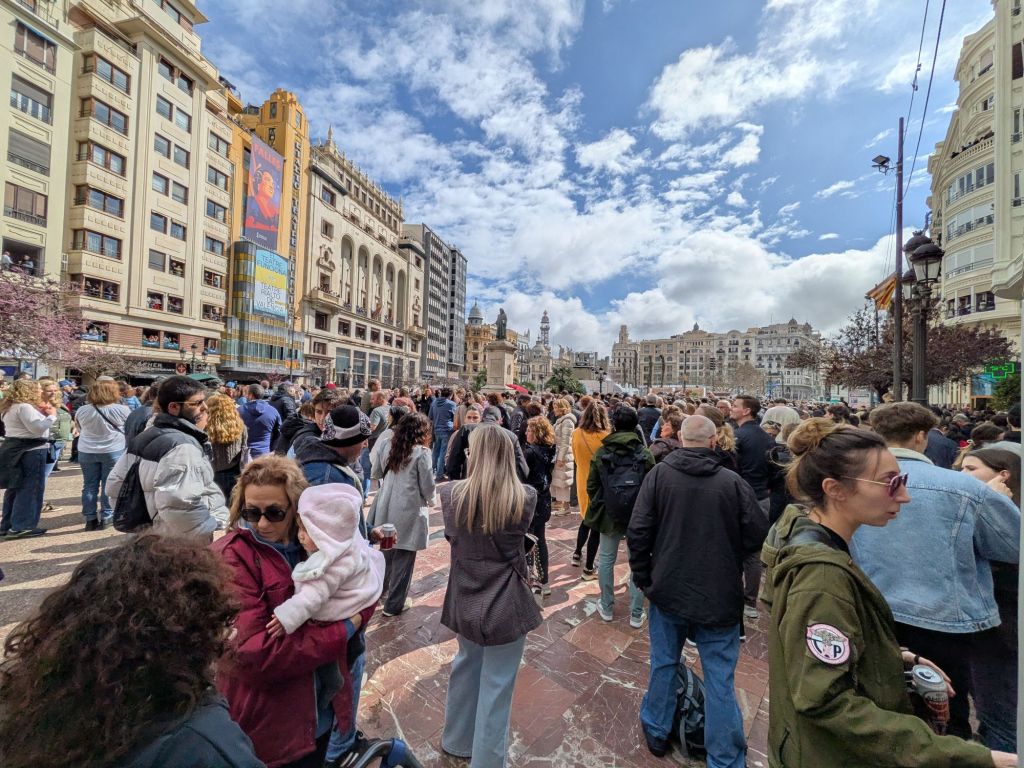
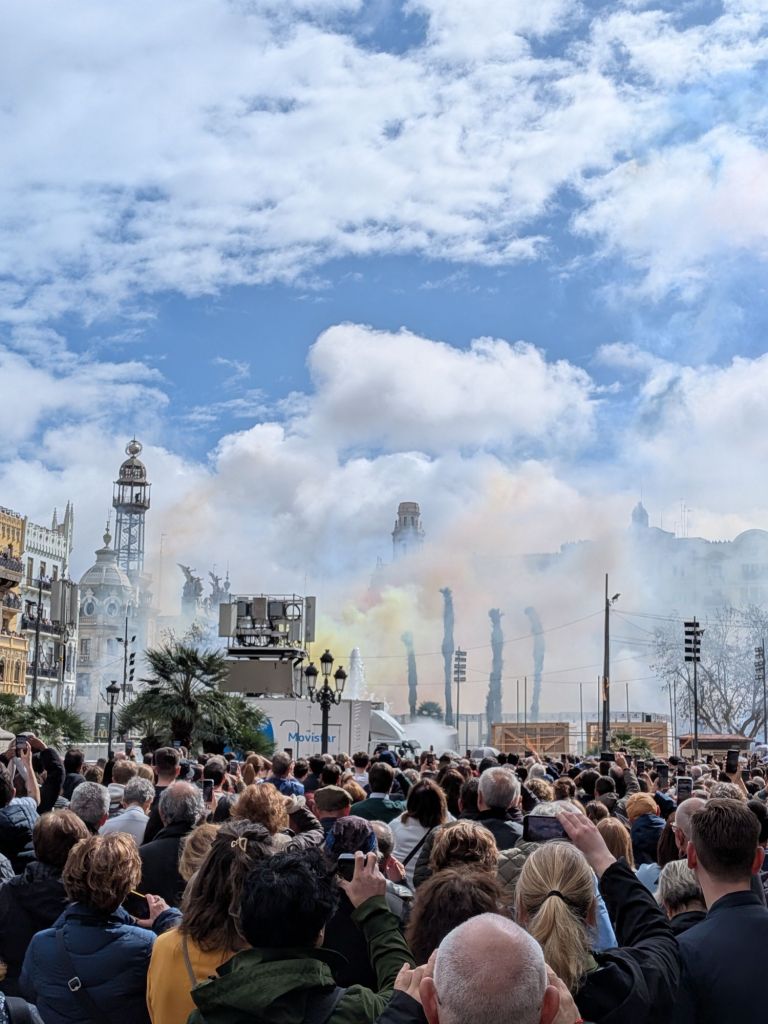
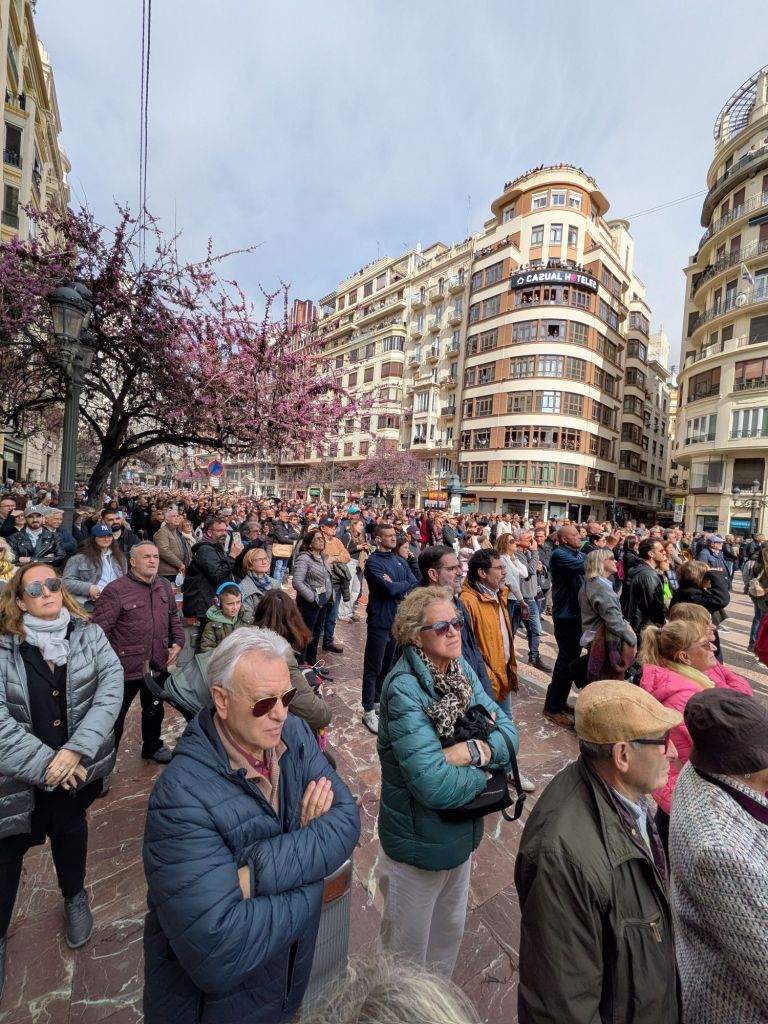
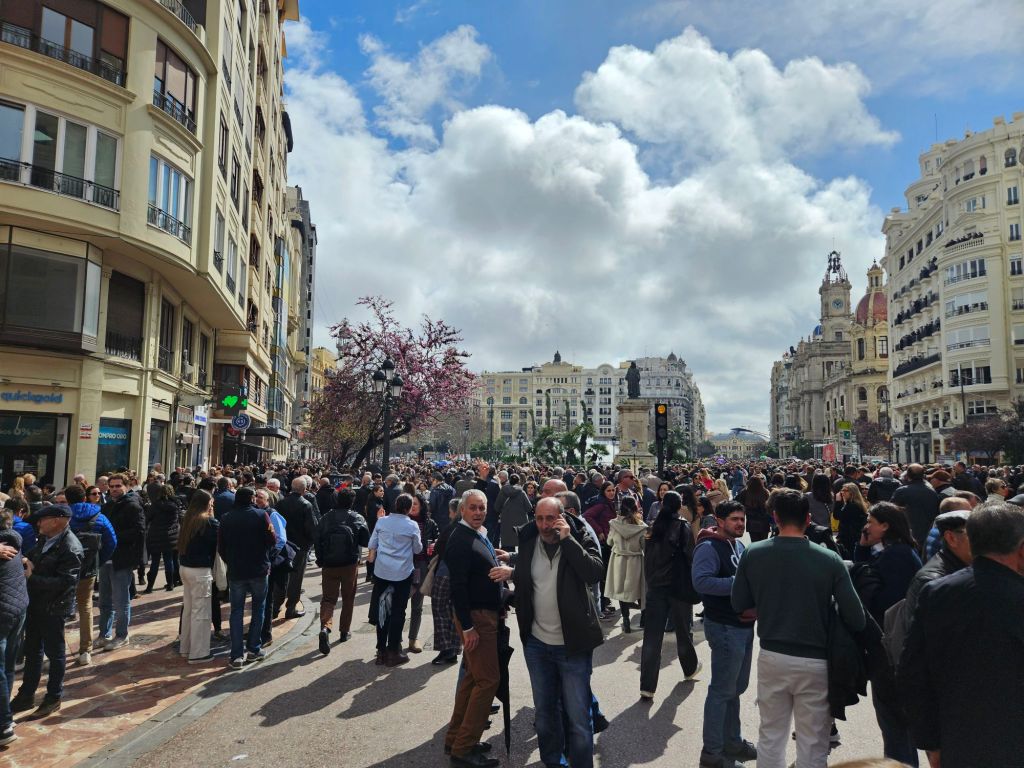
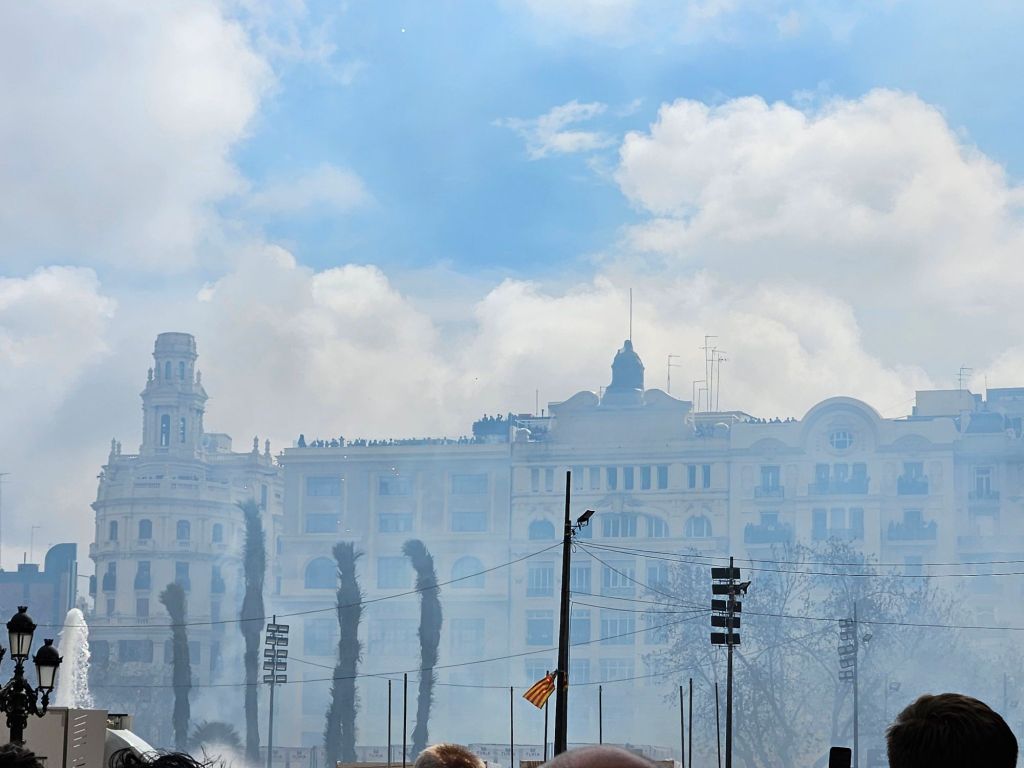
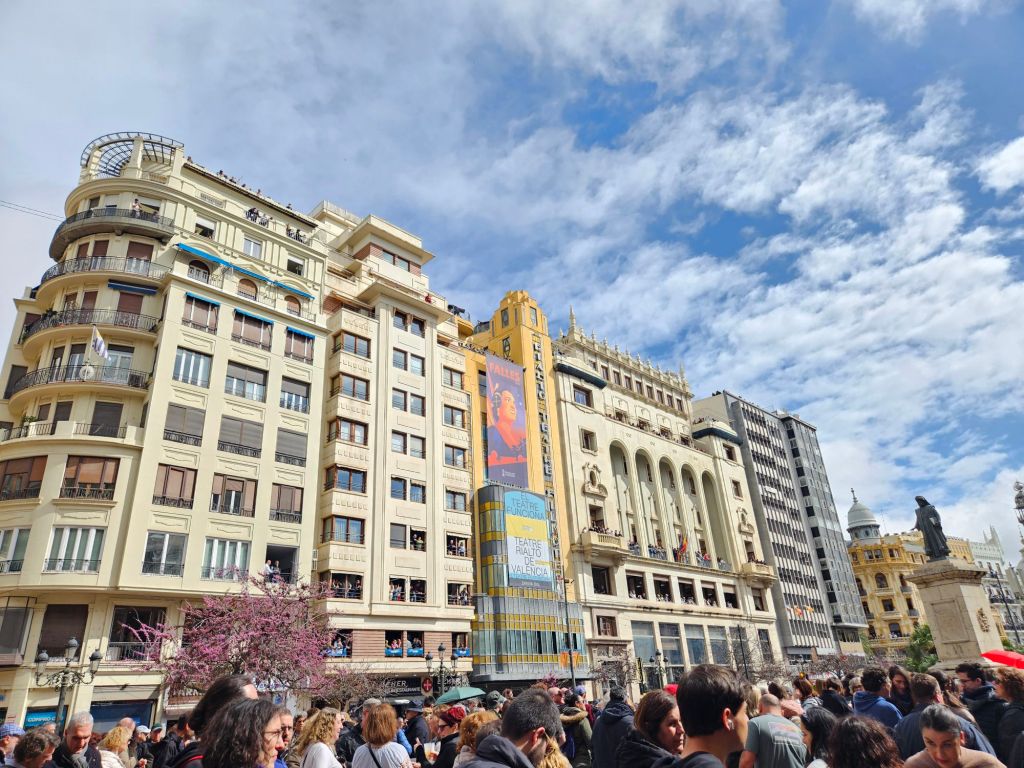
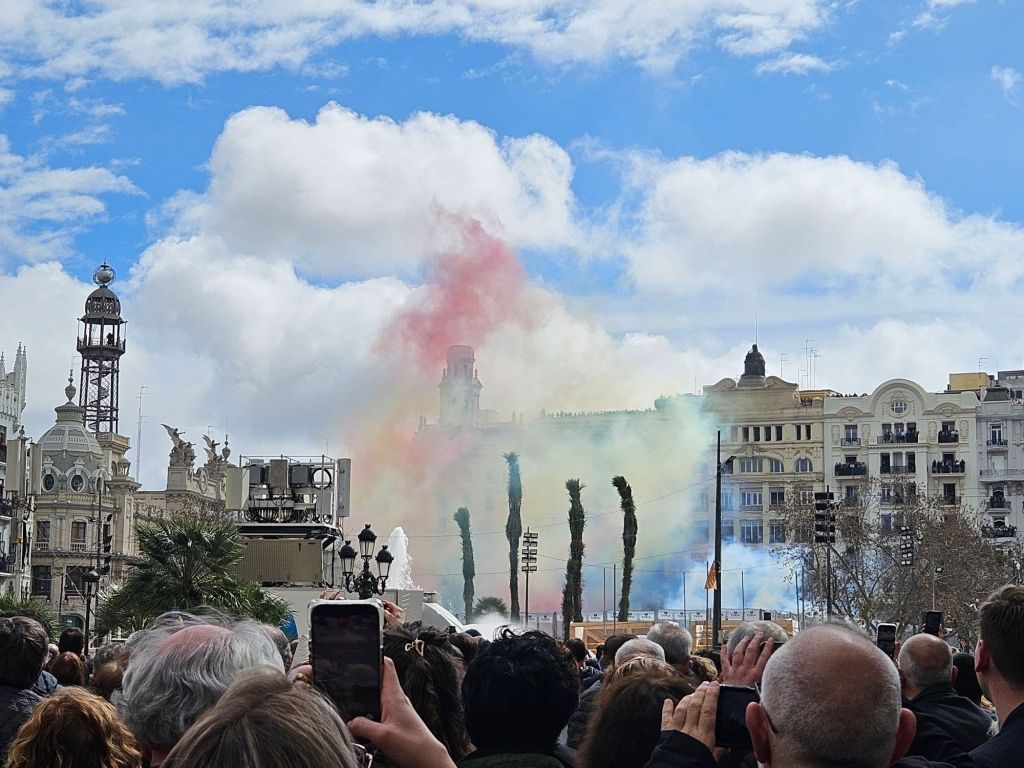
= random daily 2 pm fireworks, just because. The sun is out again, briefly it looks like, and thousands of people have collected in the Plaza de Ayuntamiento. Five minutes of LOUD.

Fireworks here (as part of the Fallas, anyway) are not judged by color but by sound. Done right, you’re supposed to feel the ground tremble. 

The Dispossessed

Virgen de los Desamparados

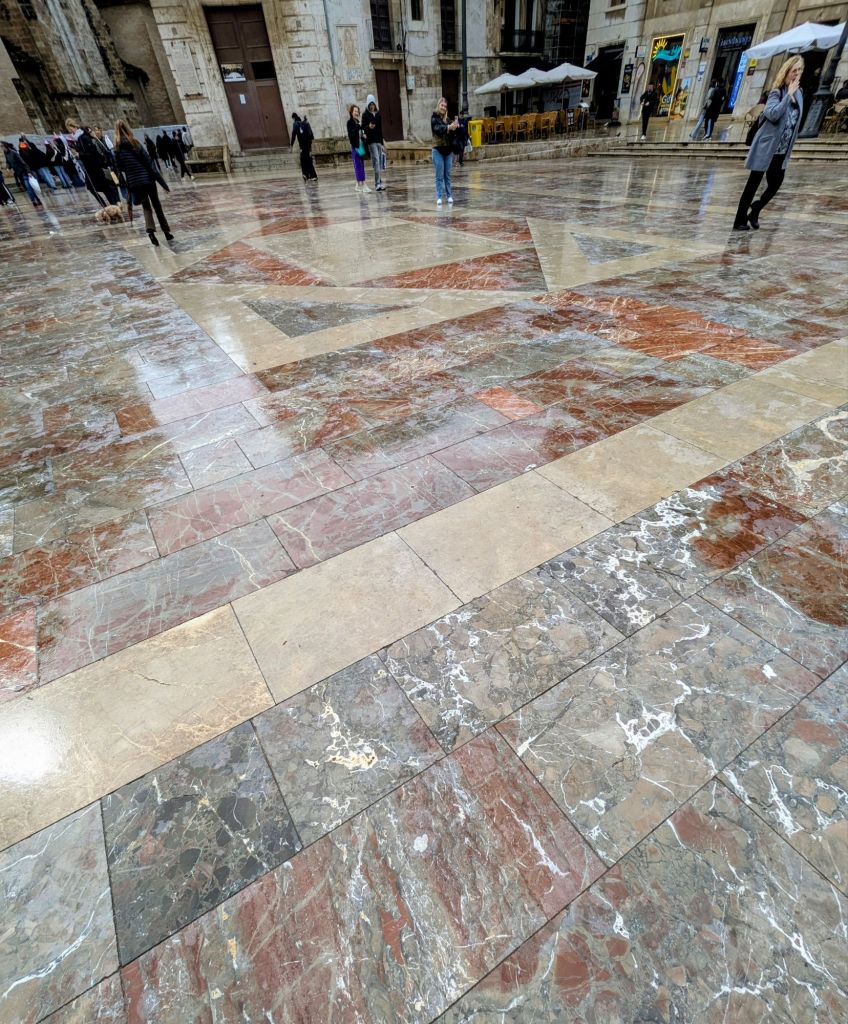
Right next to the Catedral, on Placa de la Verge (beautiful stone, wet from the rain) –

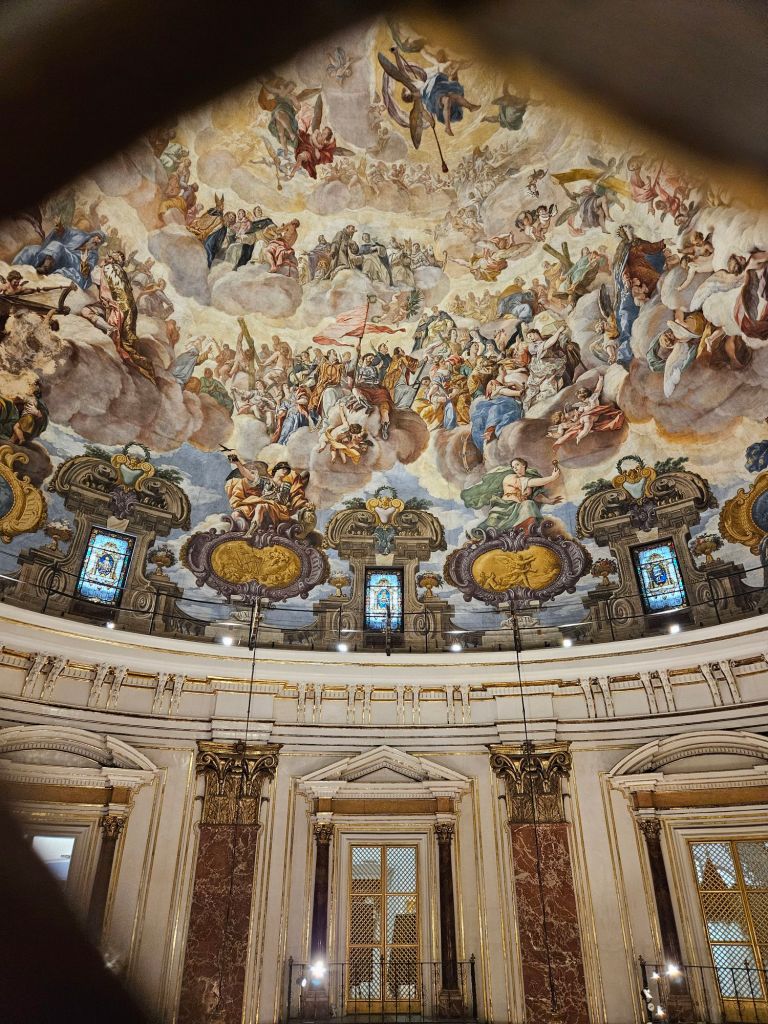
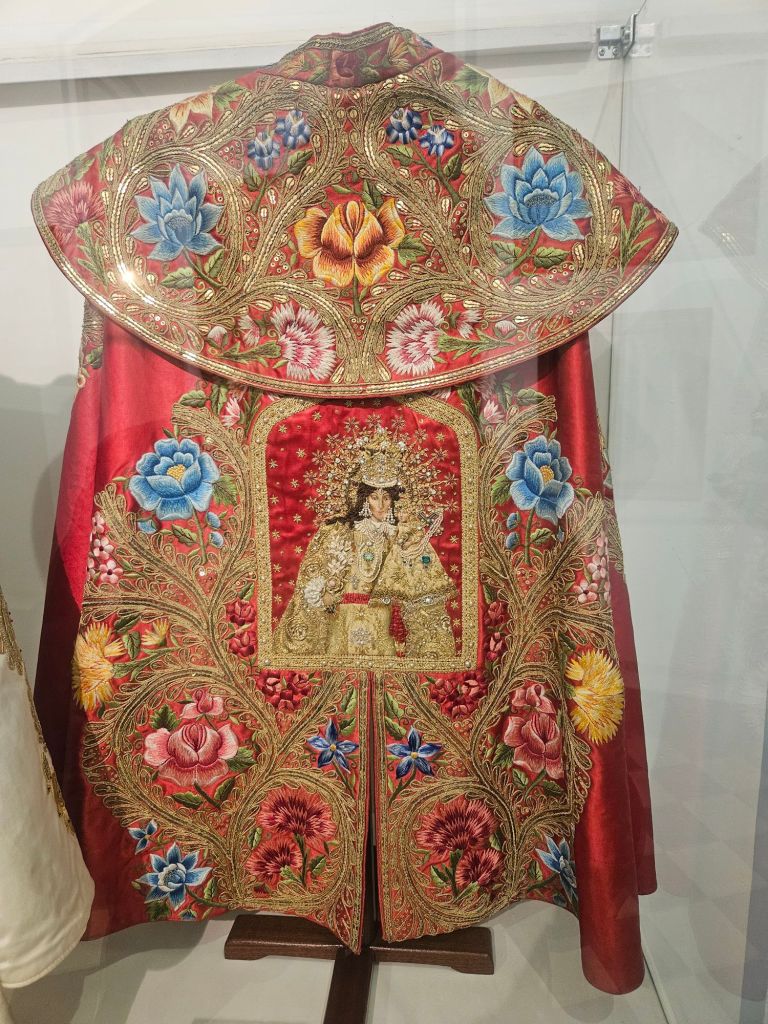
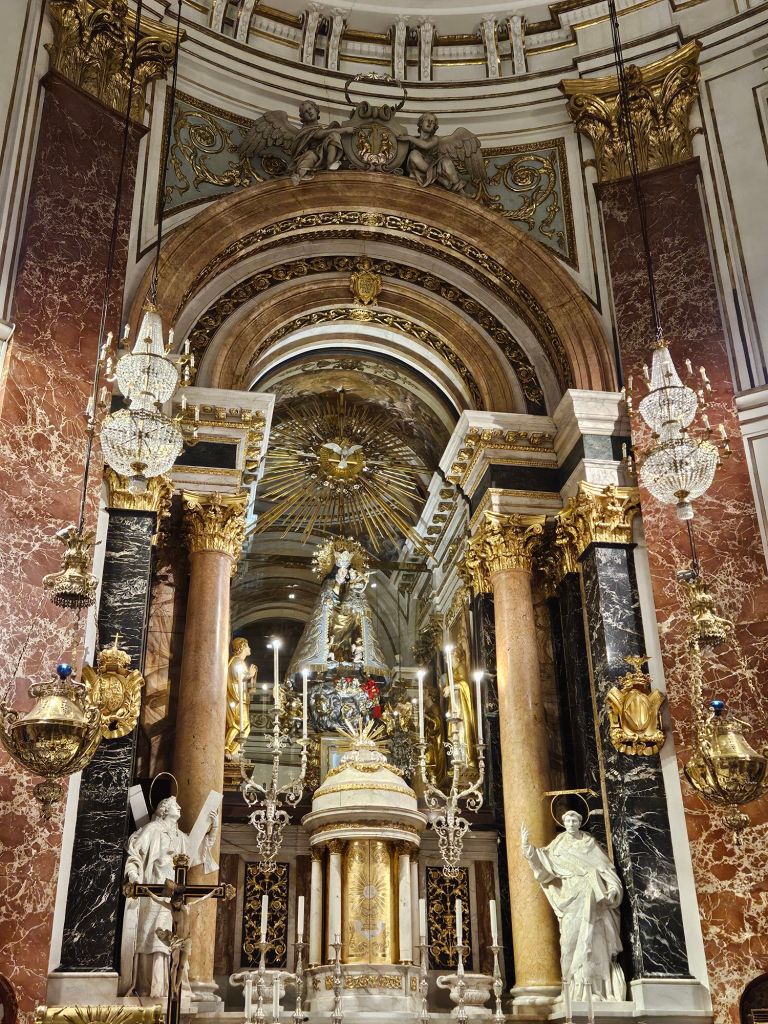
is the Basilica de la Mare de Déu dels Desamparats. That’s Valènciano for Mother of God of the Dispossessed. She is a key figure in Valencian Catholic identity.

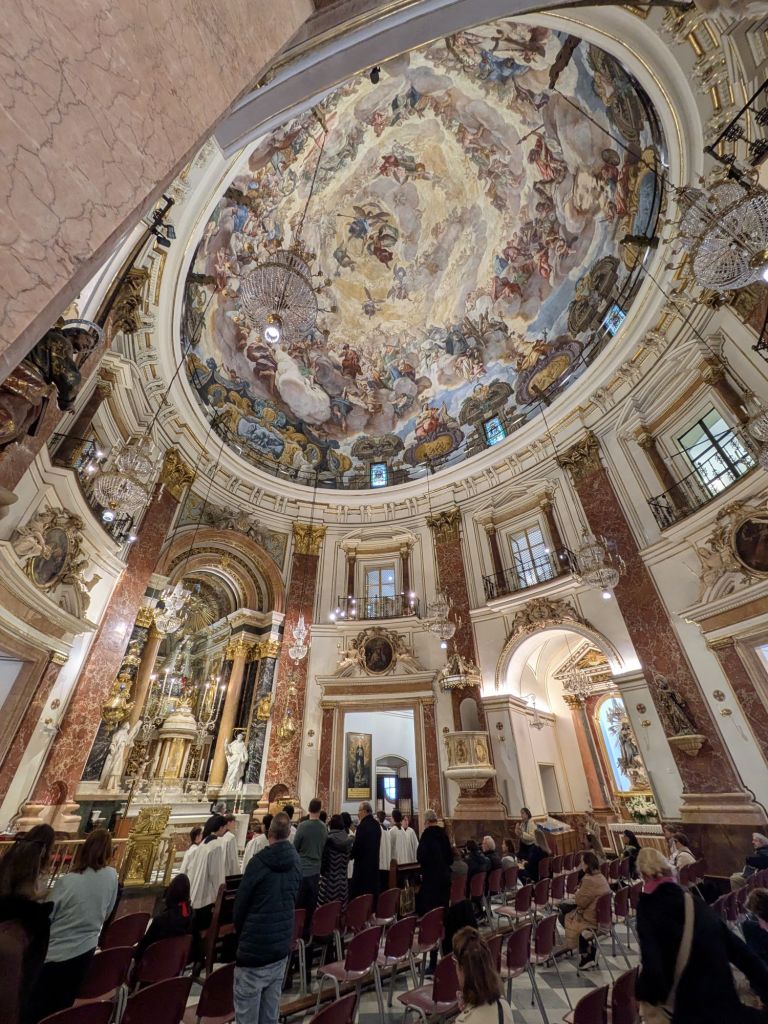
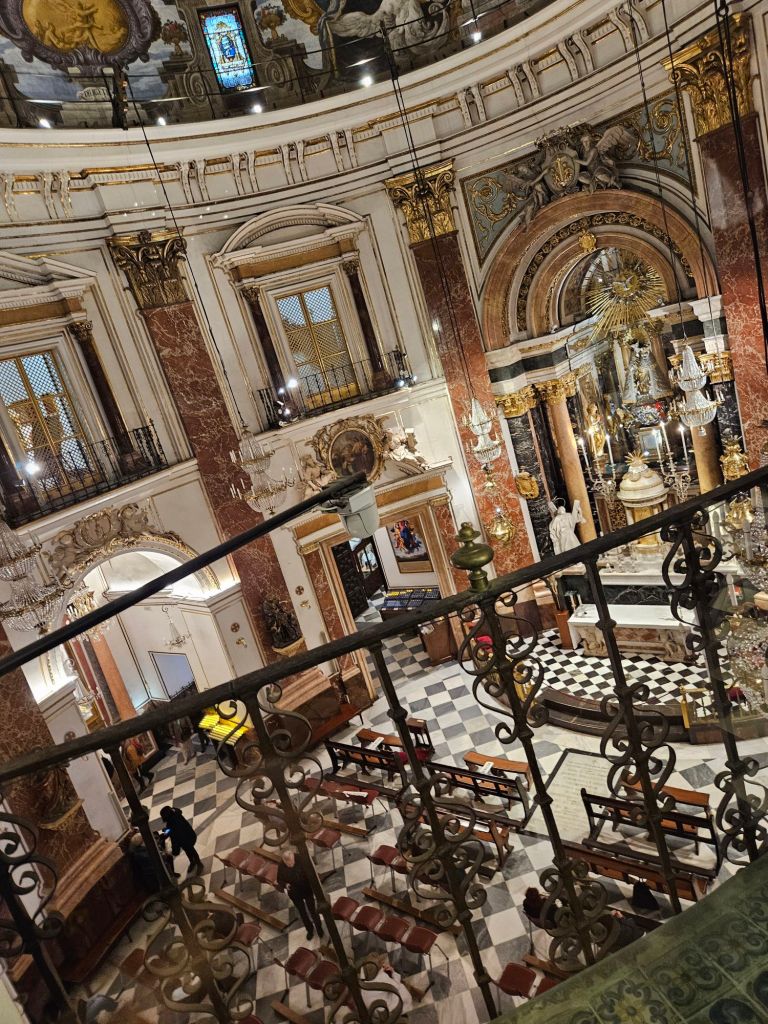
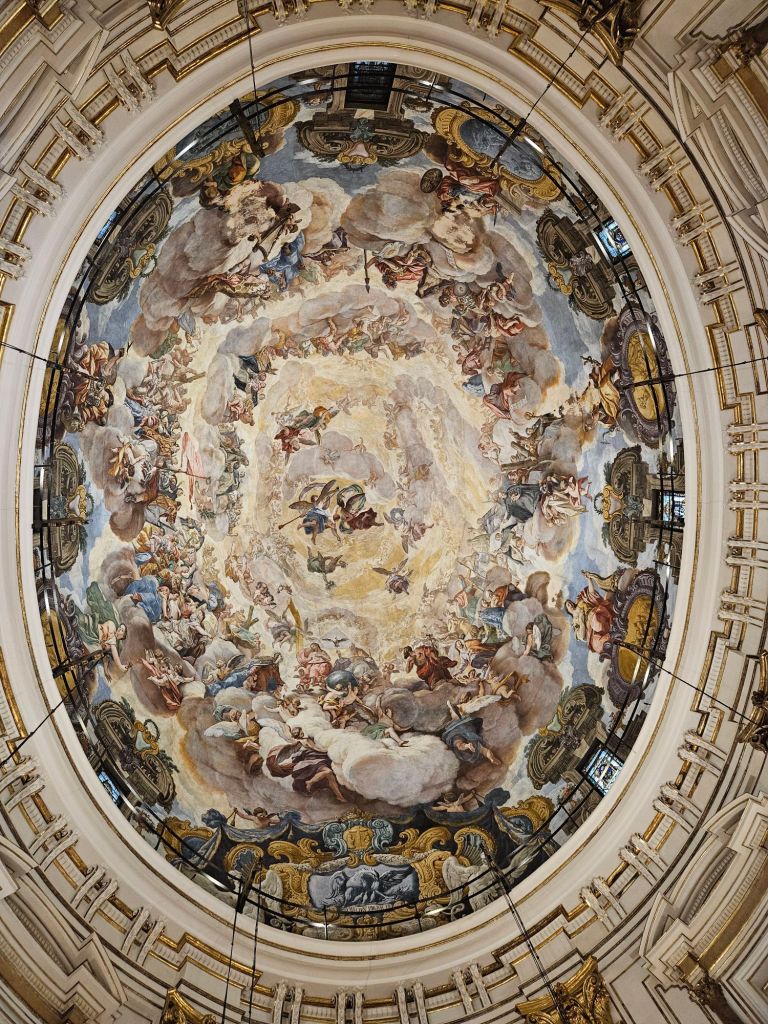
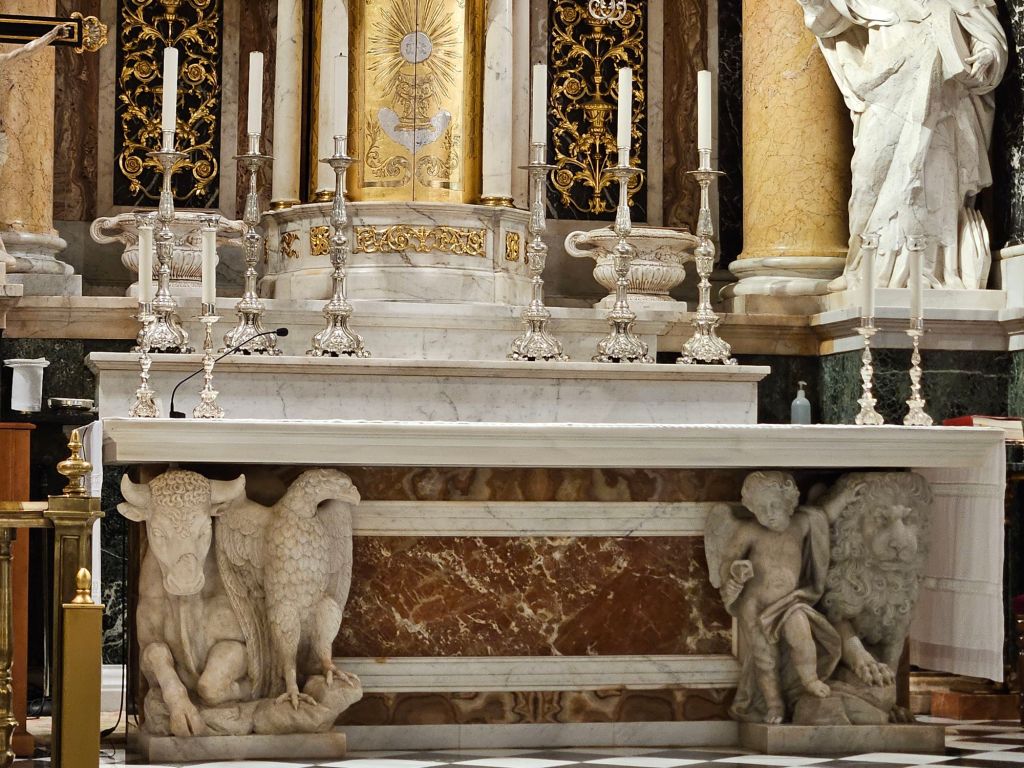
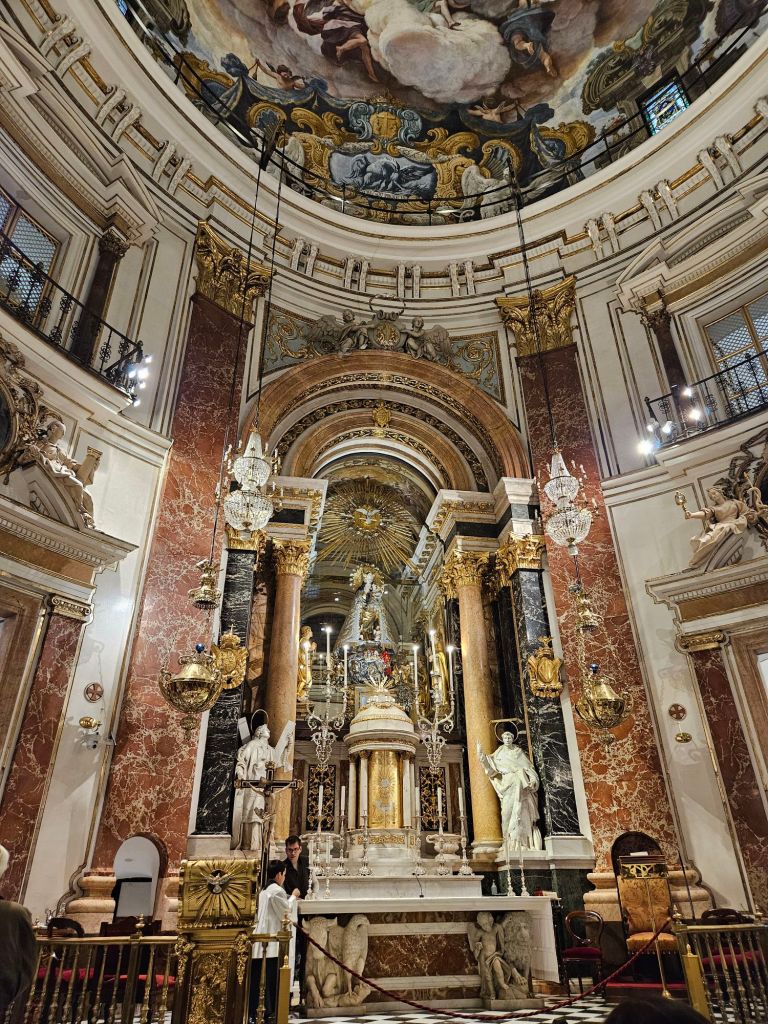
The bascilica is (at the risk of understatement) a chapel –

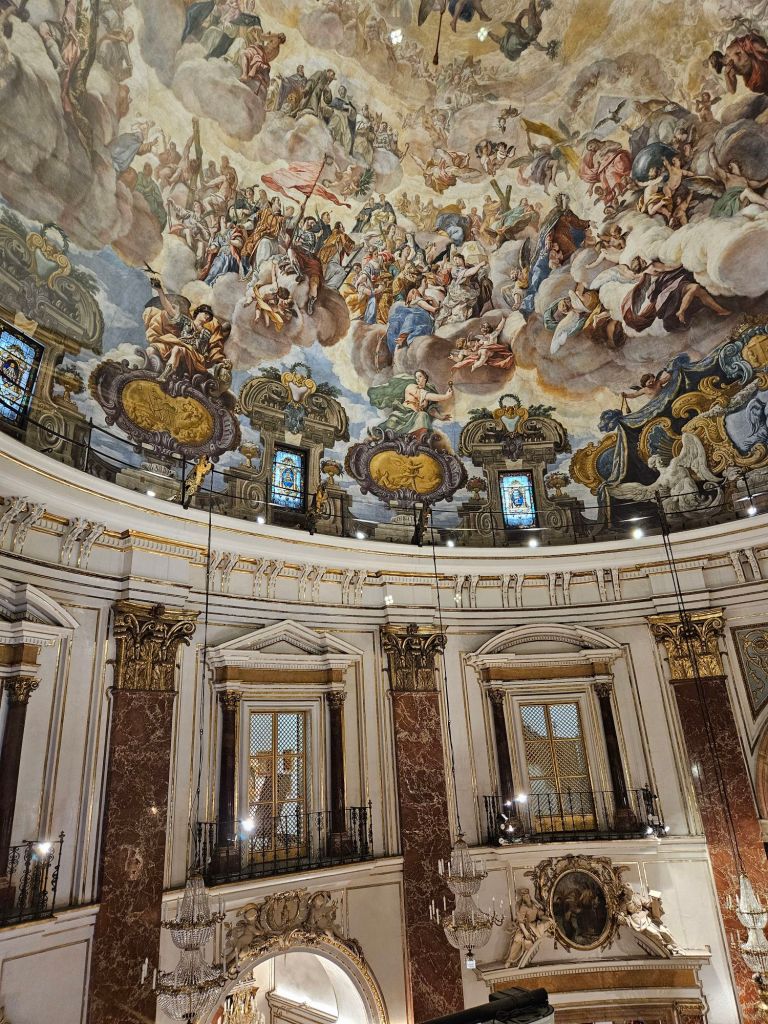
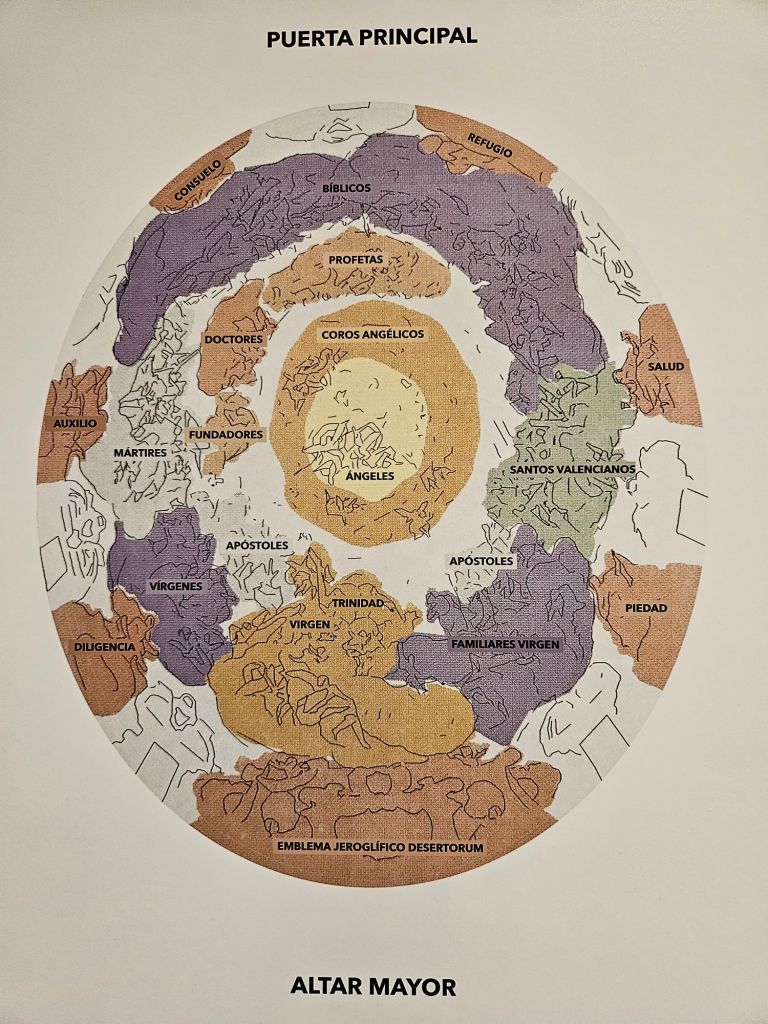
– and we walked in right as a choral mass (sung by the boys choir) was starting:

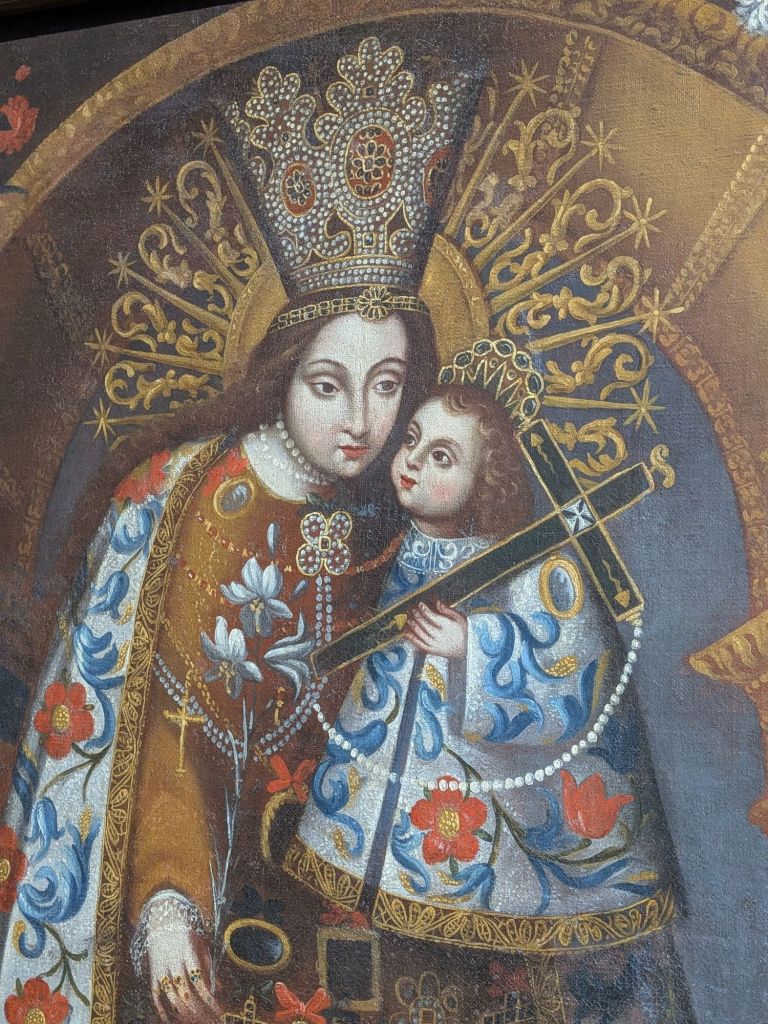
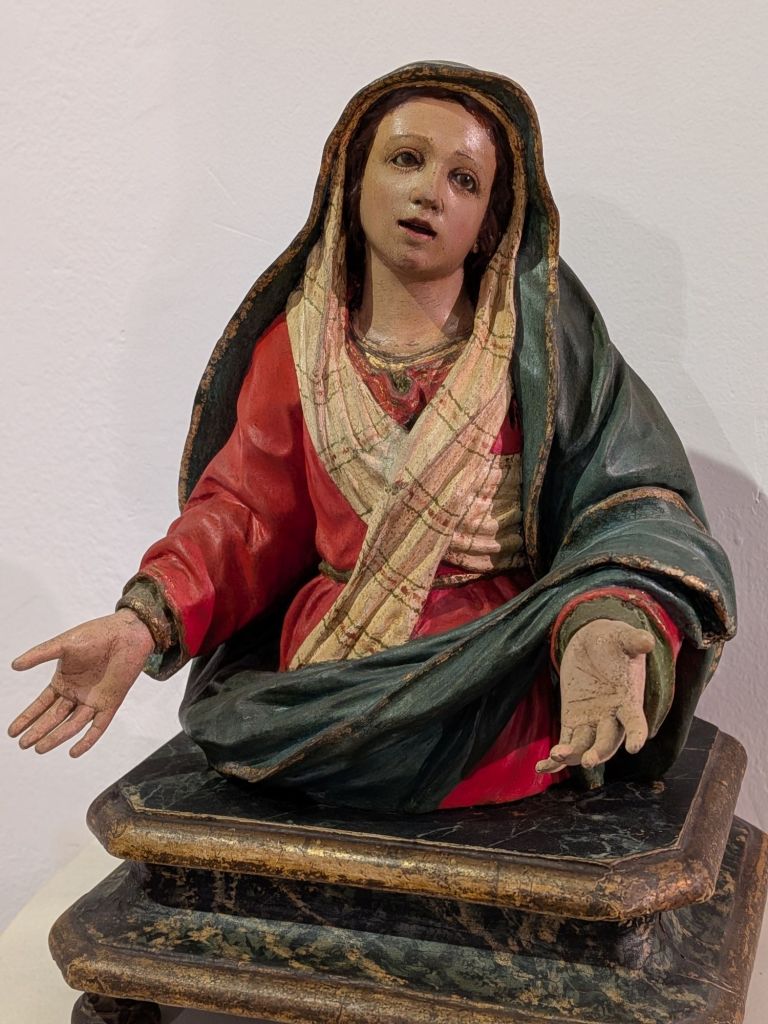
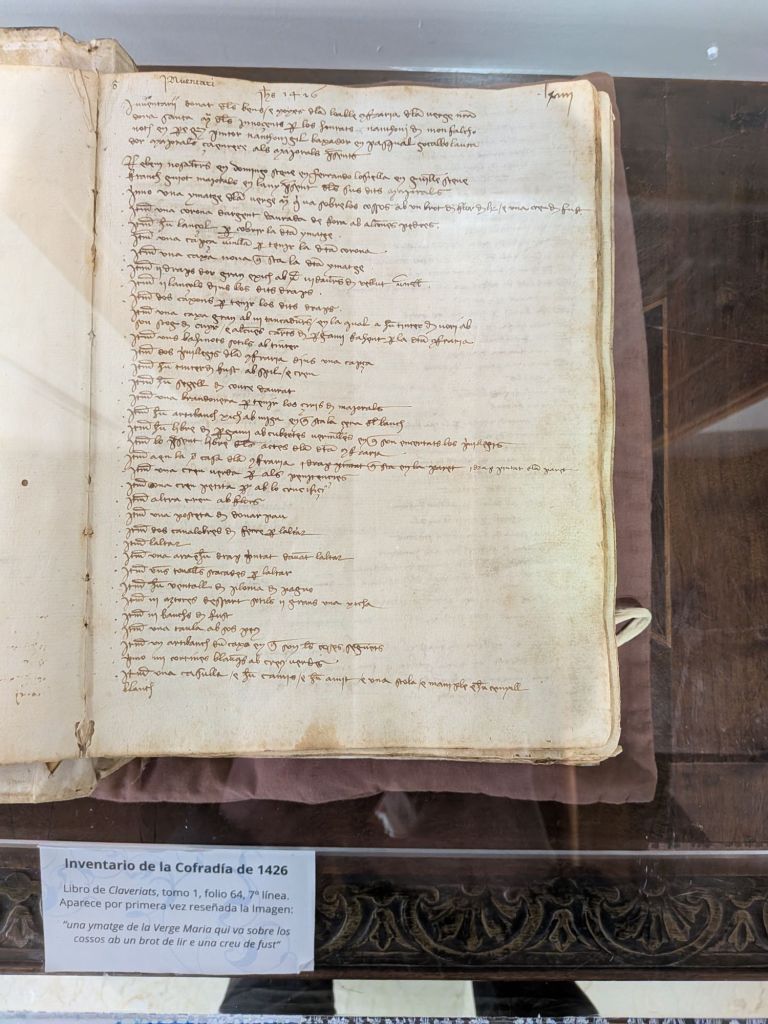
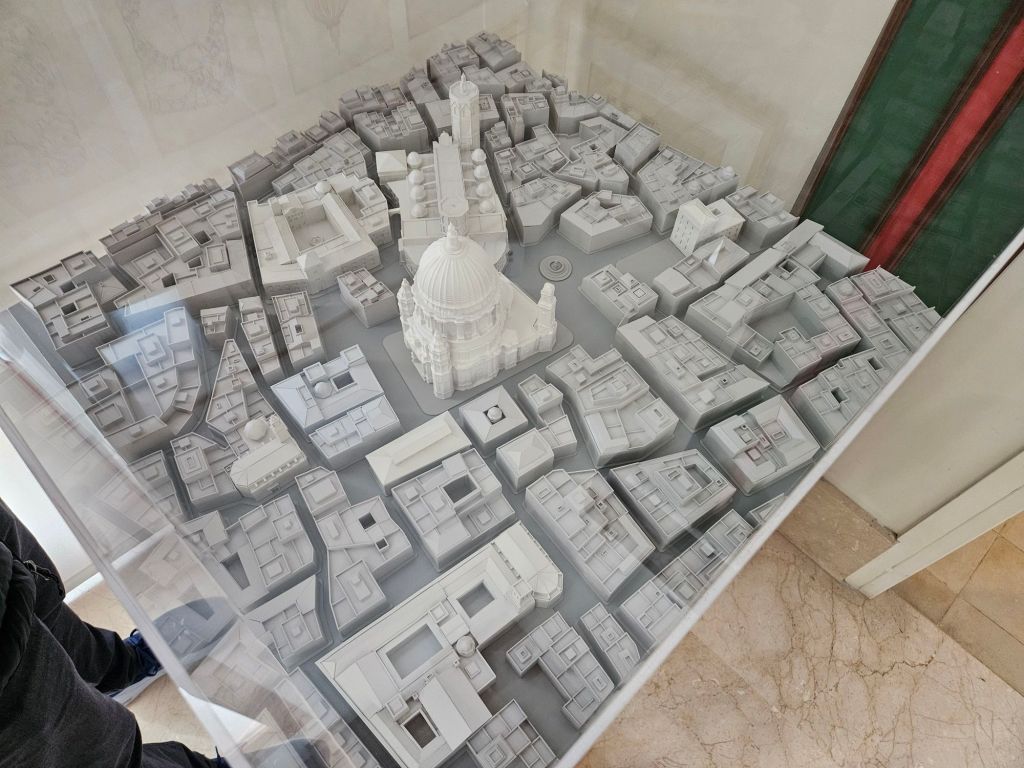
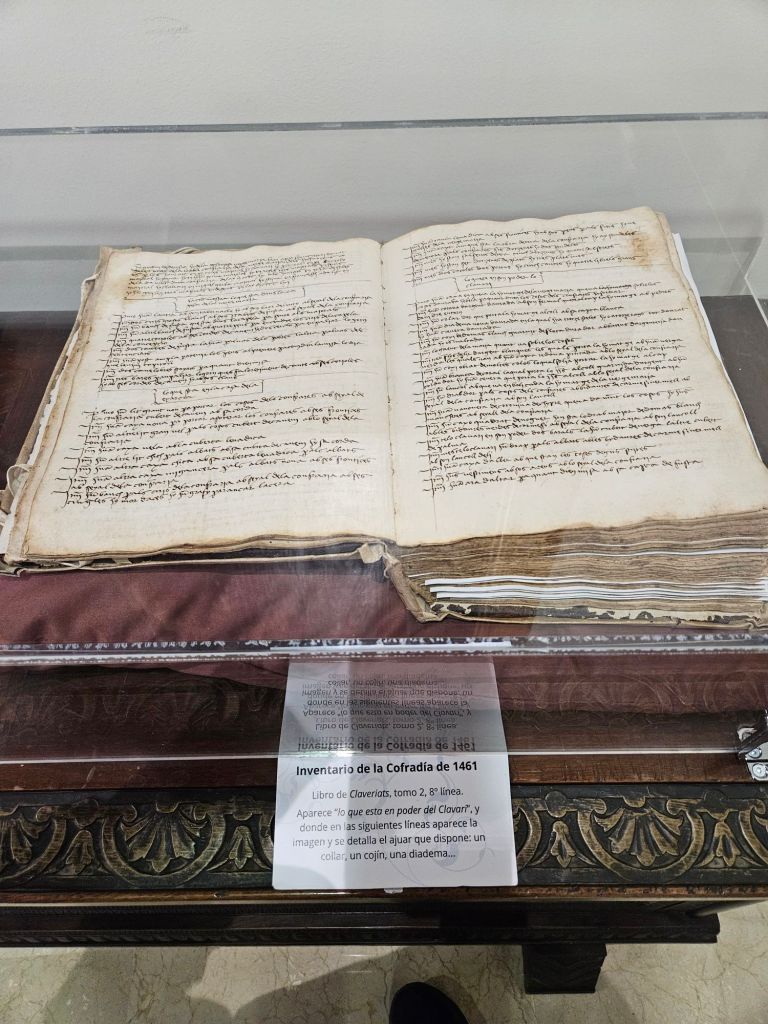
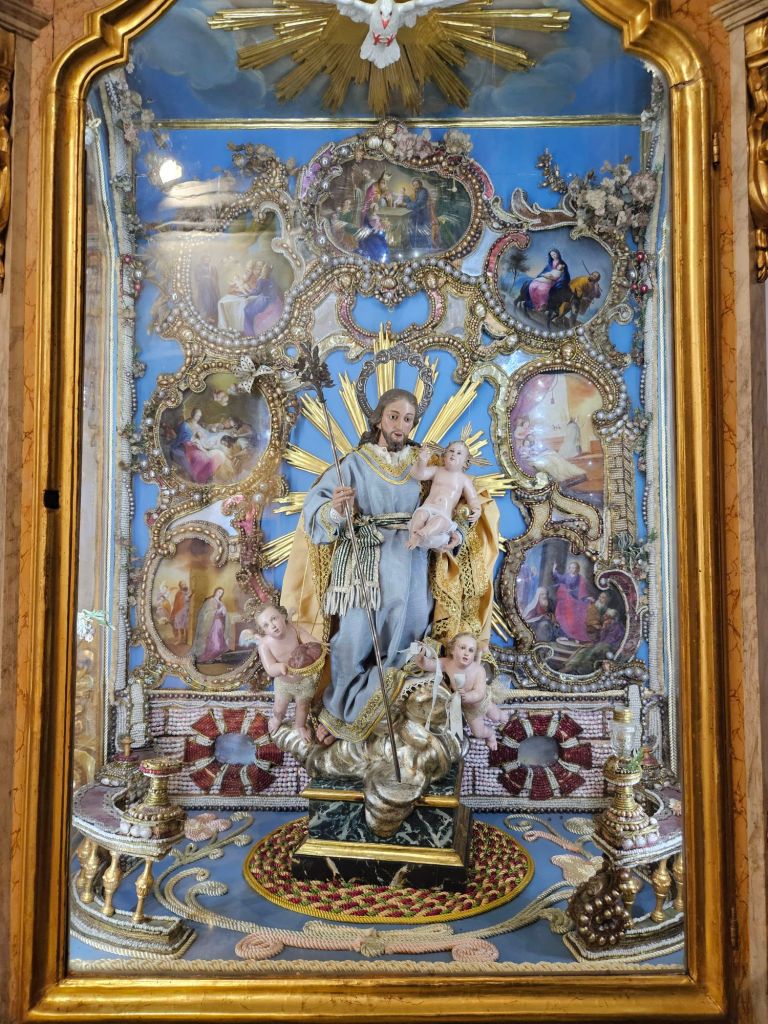
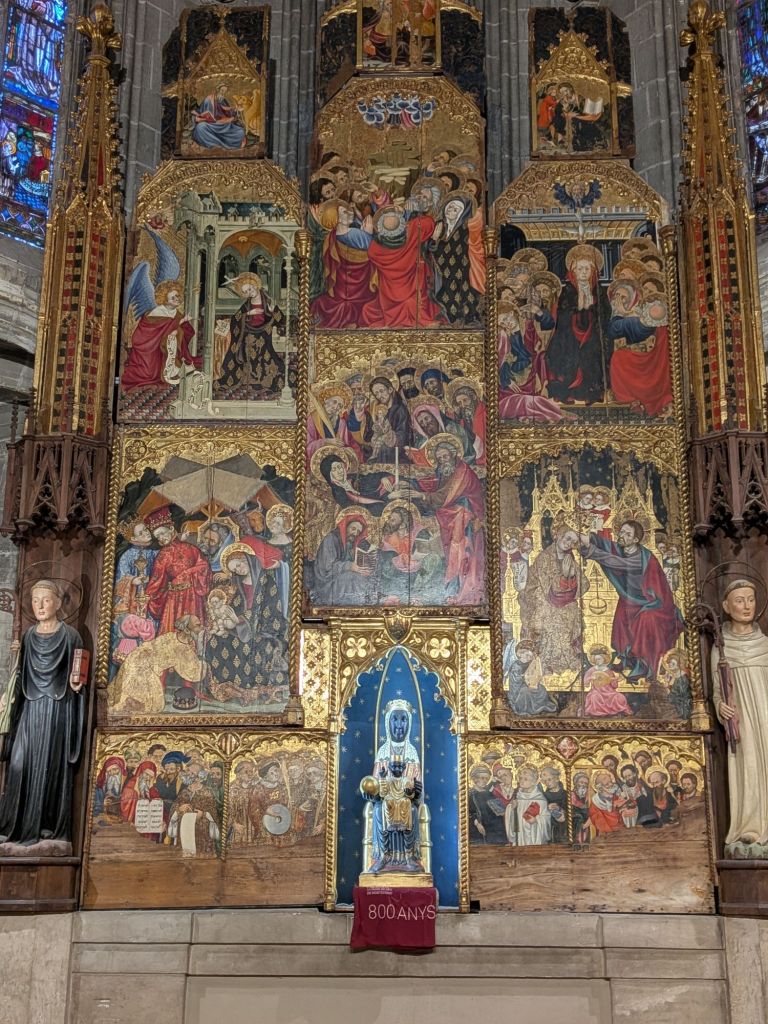
Leaving the church proper and entering through the next door down took us to the museum, which encompasses the entire upper gallery around the chapel. We found ourselves virtually alone with 500 years of manuscripts and art dedicated to the cult:

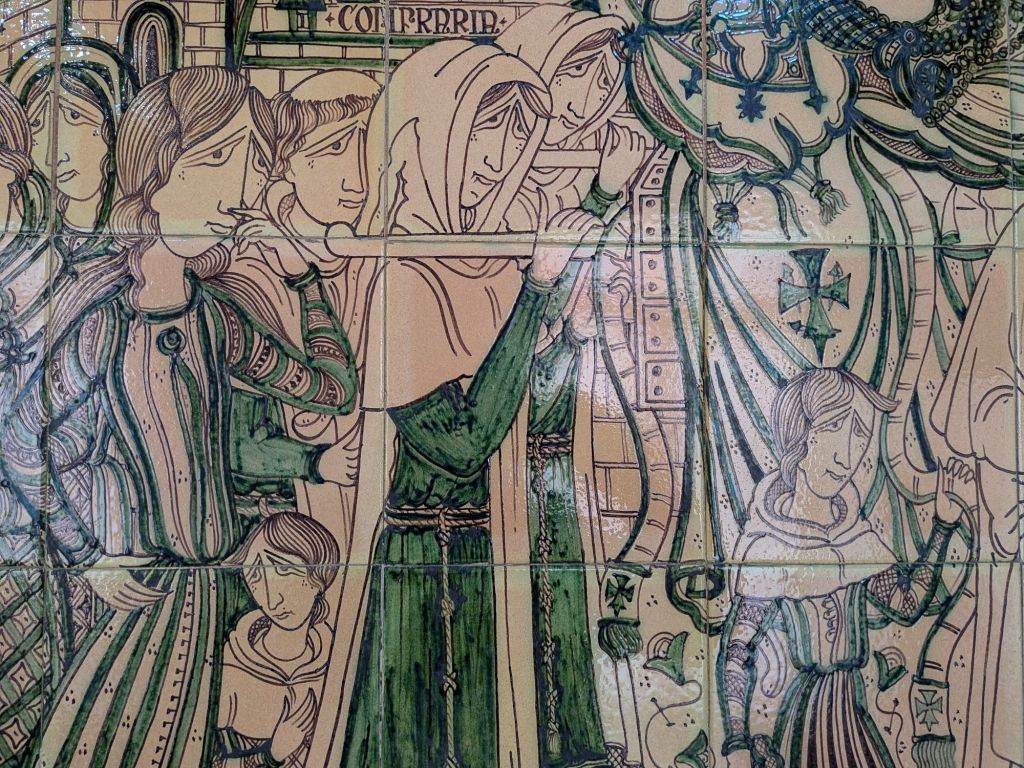
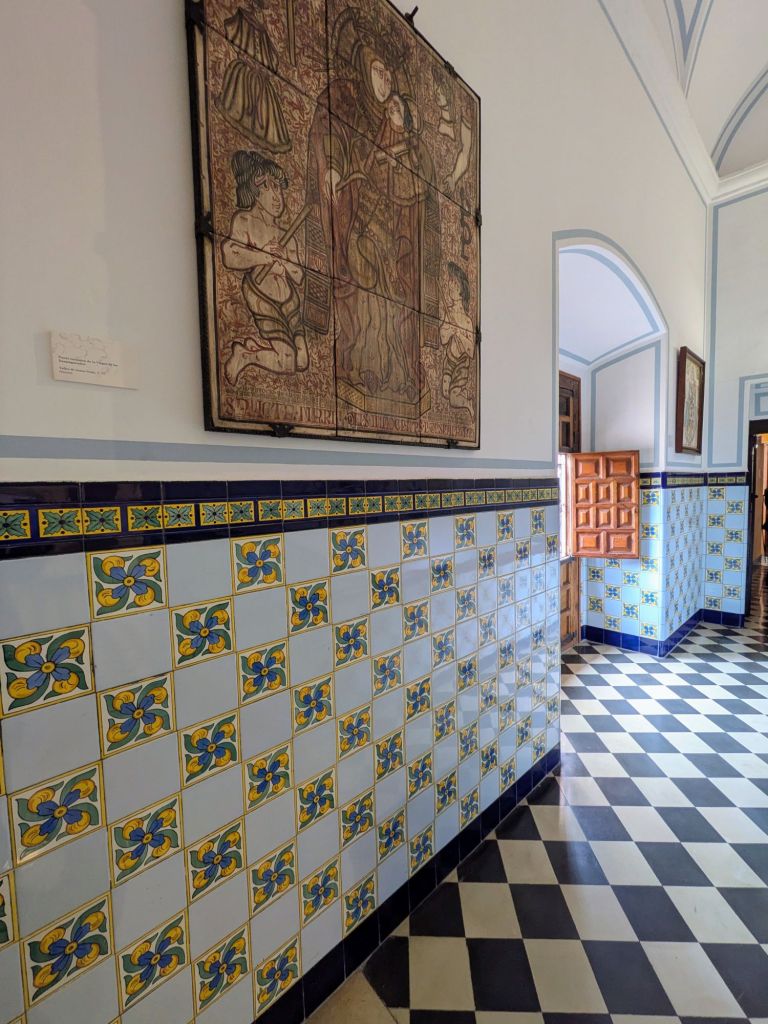
A hidden gem. This is very typical Valencian tile work in one of the upper corridors:

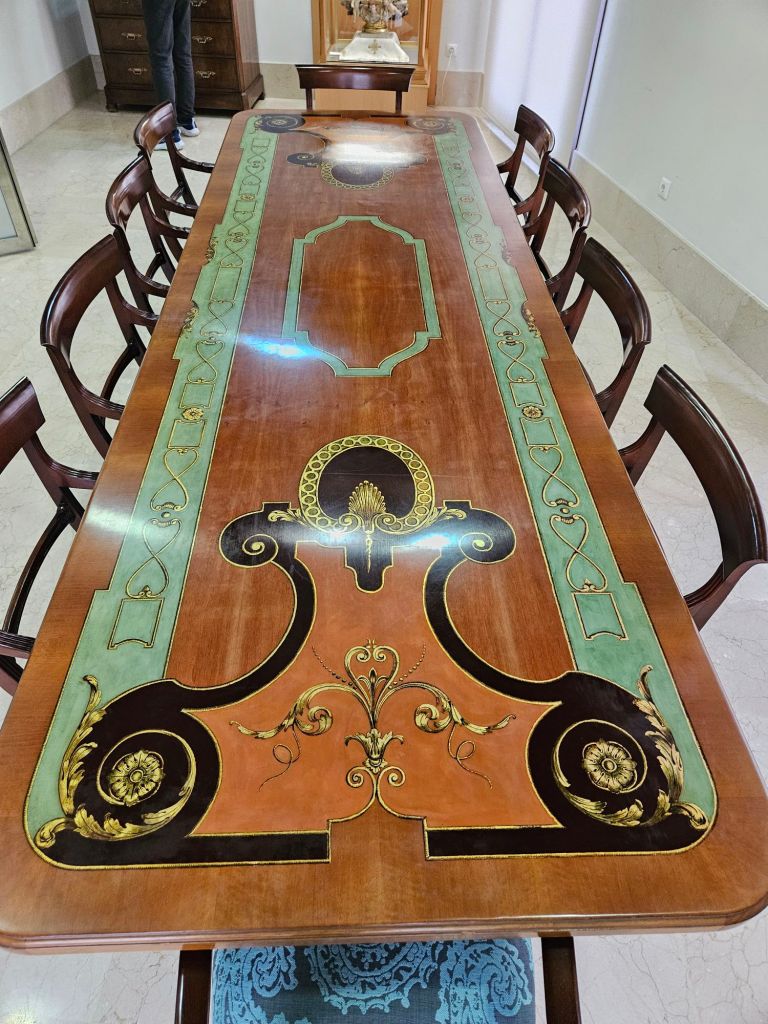
A few more photos from K