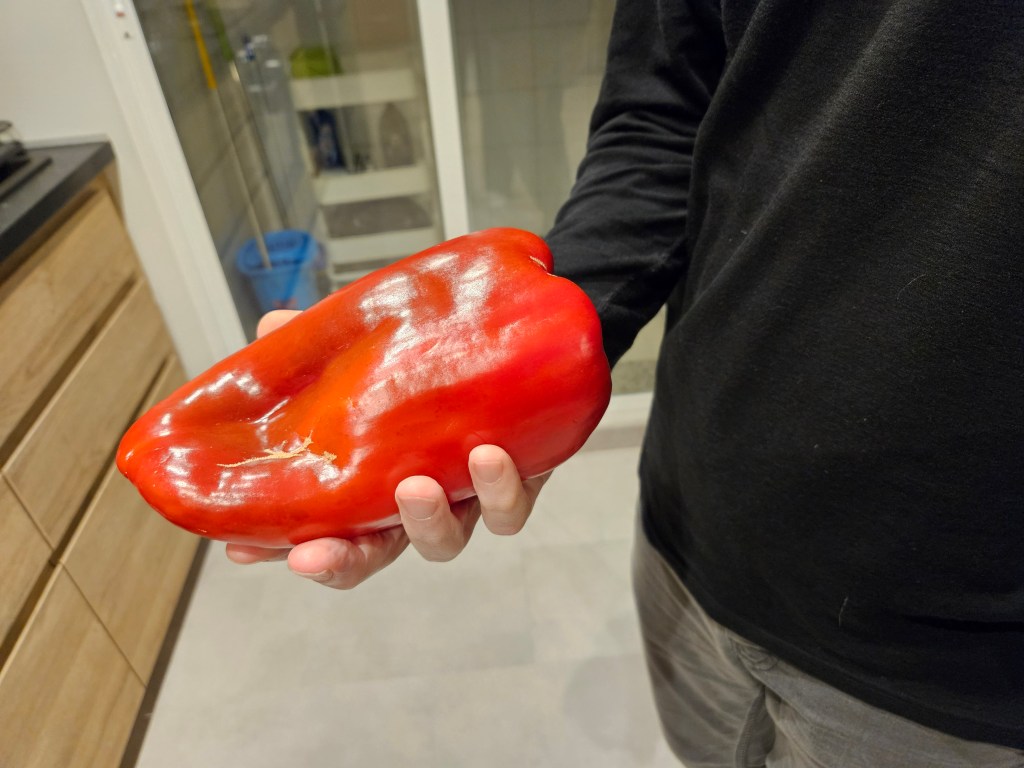
Little memories

Large, reasonably cheap, often excellent menu del dia (= not much choice) lunches, at three or four o’clock.

Groups of five or six young women walking down the street, all with long straight dark hair parted exactly in the middle.

Vale (“bah-ley – literally valid) used ten times and many different ways in one short exchange – Yup, I agree, OK sure, if you insist, so um like, anyway, but in my opinion …

Igualmente used in response to “I hope you have a nice meal / good day / thank you.”

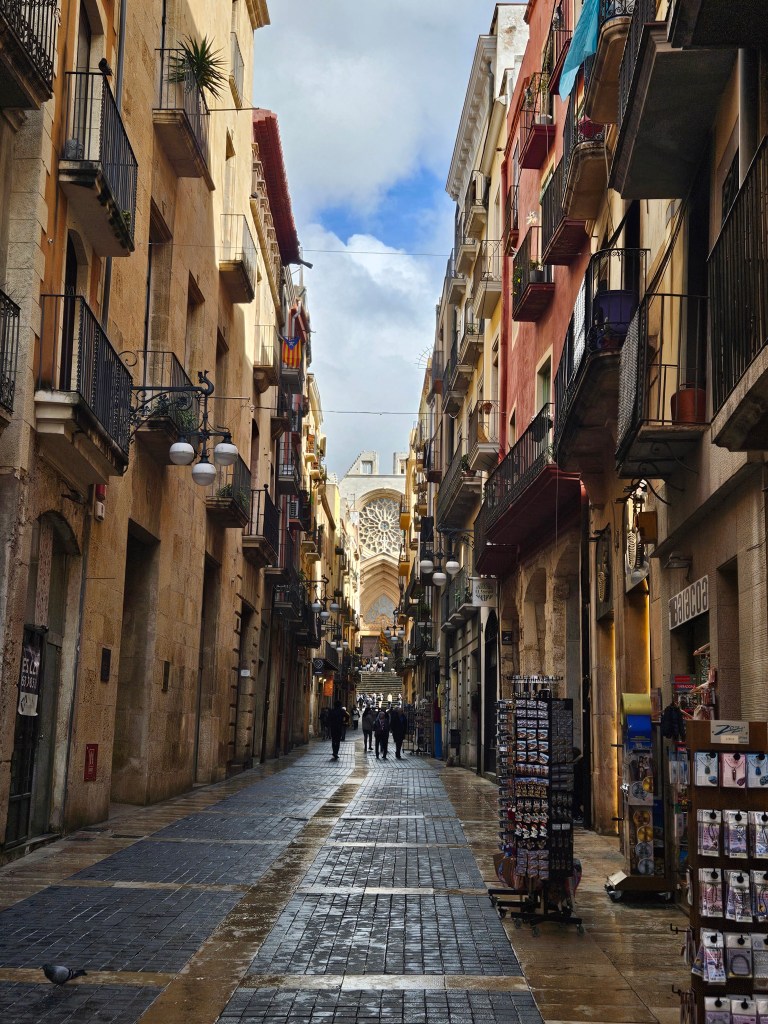
Signs you struggle to read because you yet again started to read the Catalan / Valenciano text by mistake. ¡Bienvenguts!

Men at cafe tables, taking their first cortado at 8 in the morning with a copa of beer or a vaso of red wine.

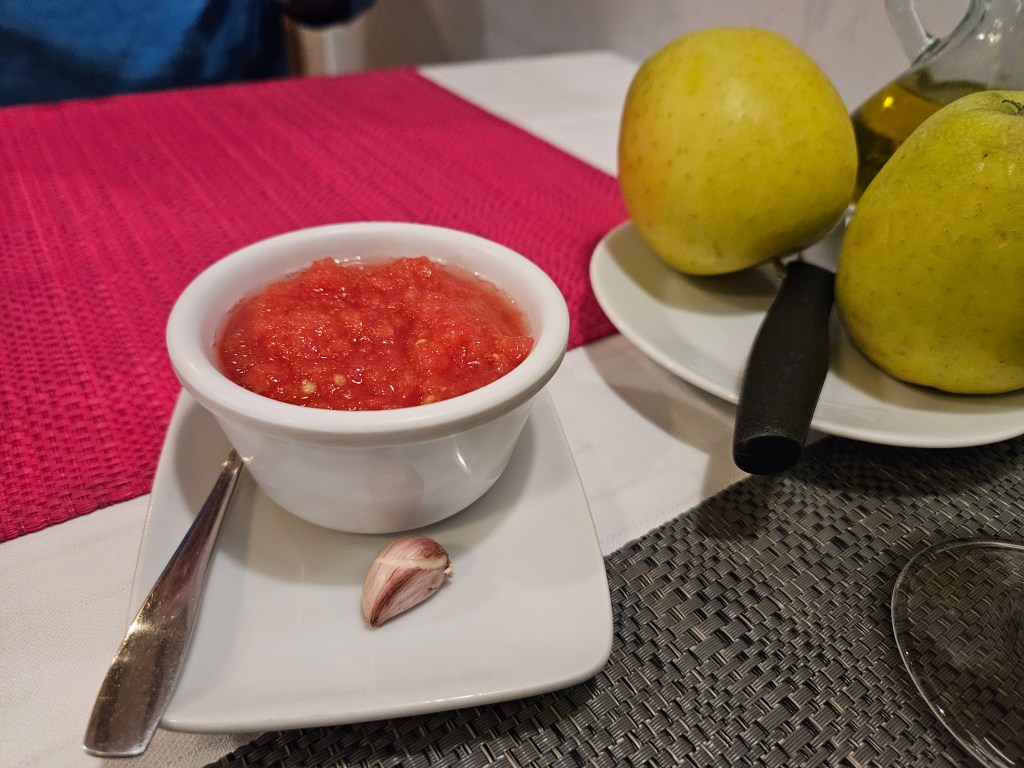
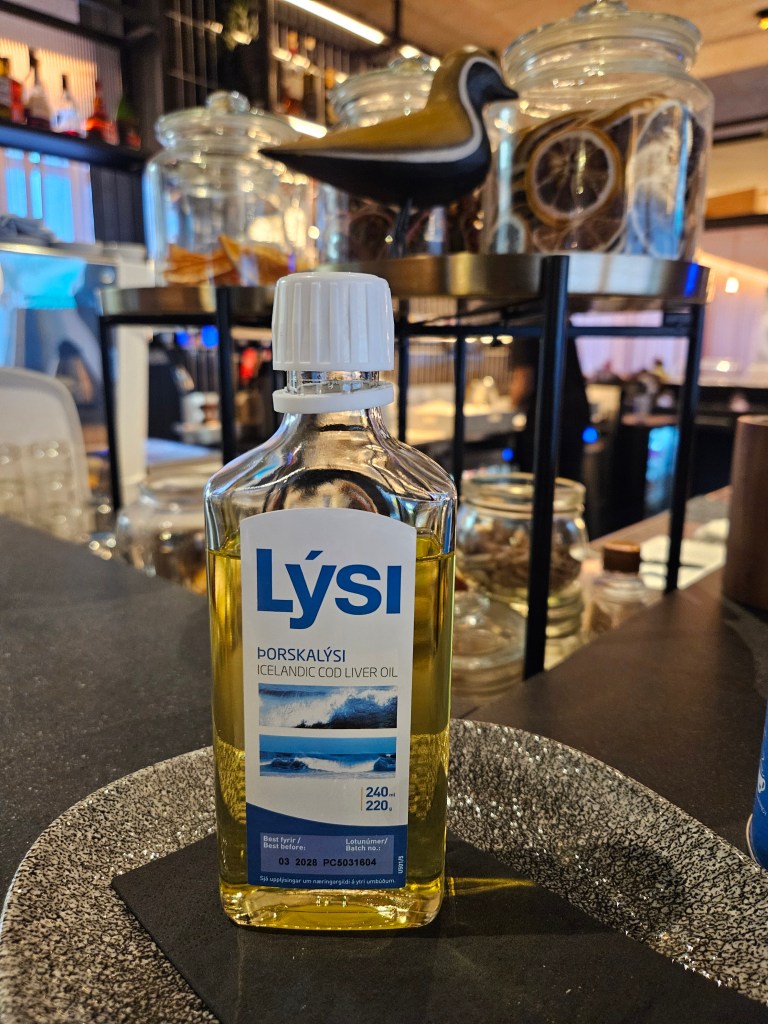
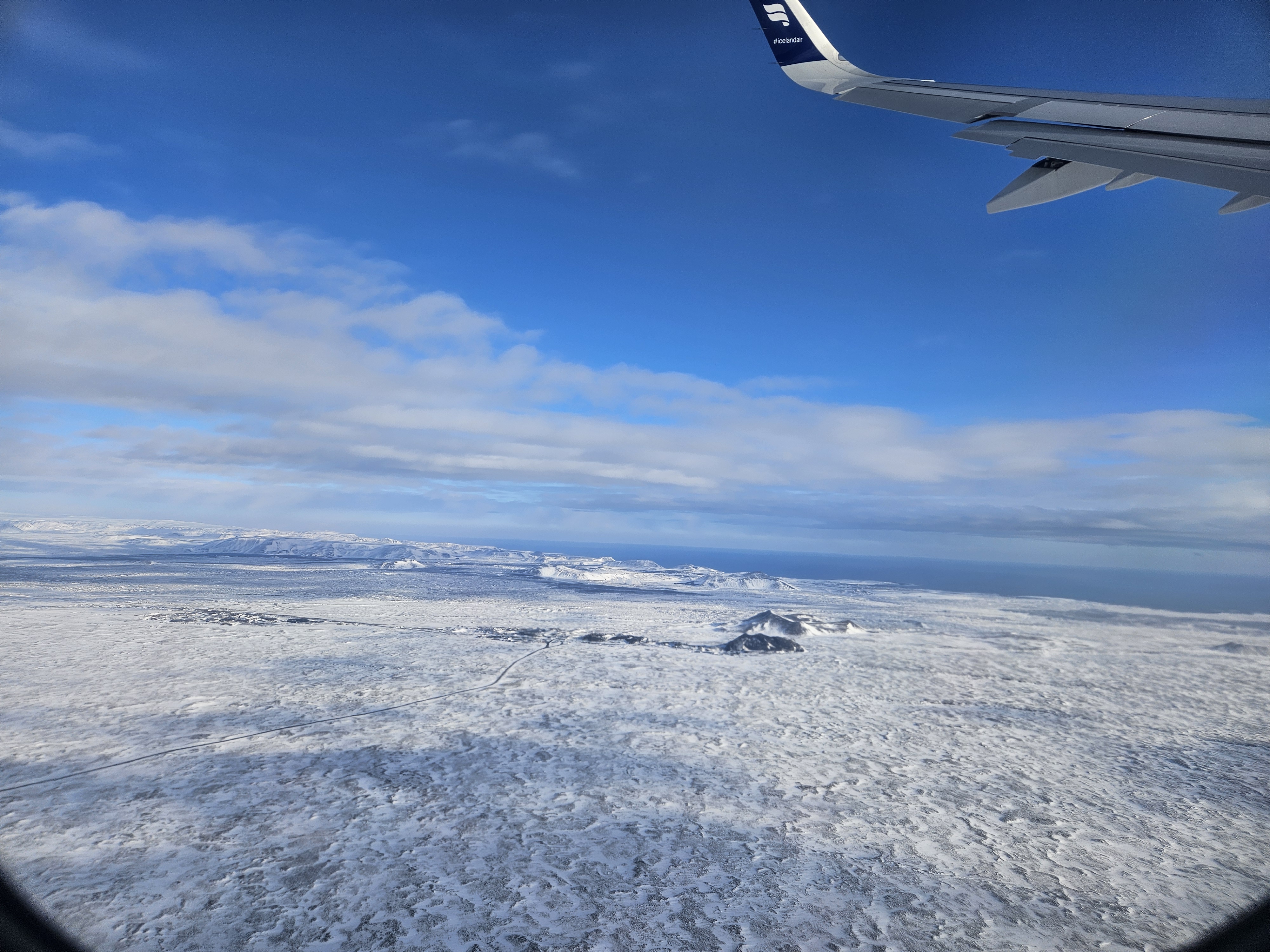
Tomato puree on toast for breakfast in Spain. Cod liver oil on offer for breakfast in Iceland.

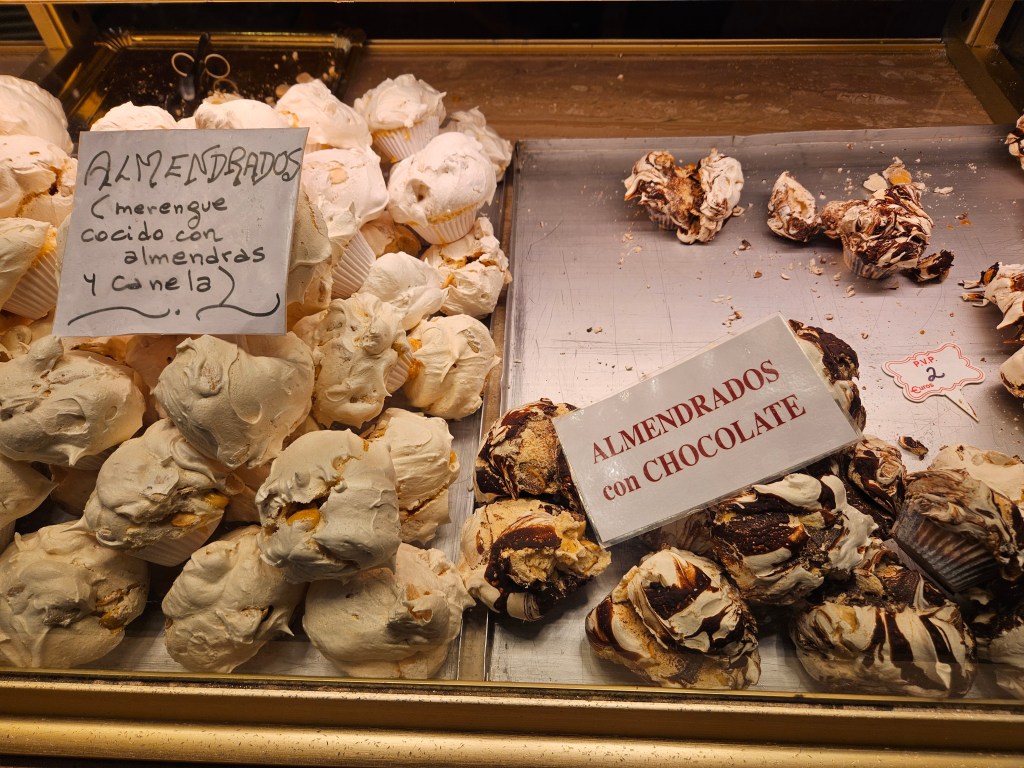
Delicious pastries. Pastries that look delicious but are really only sweet.

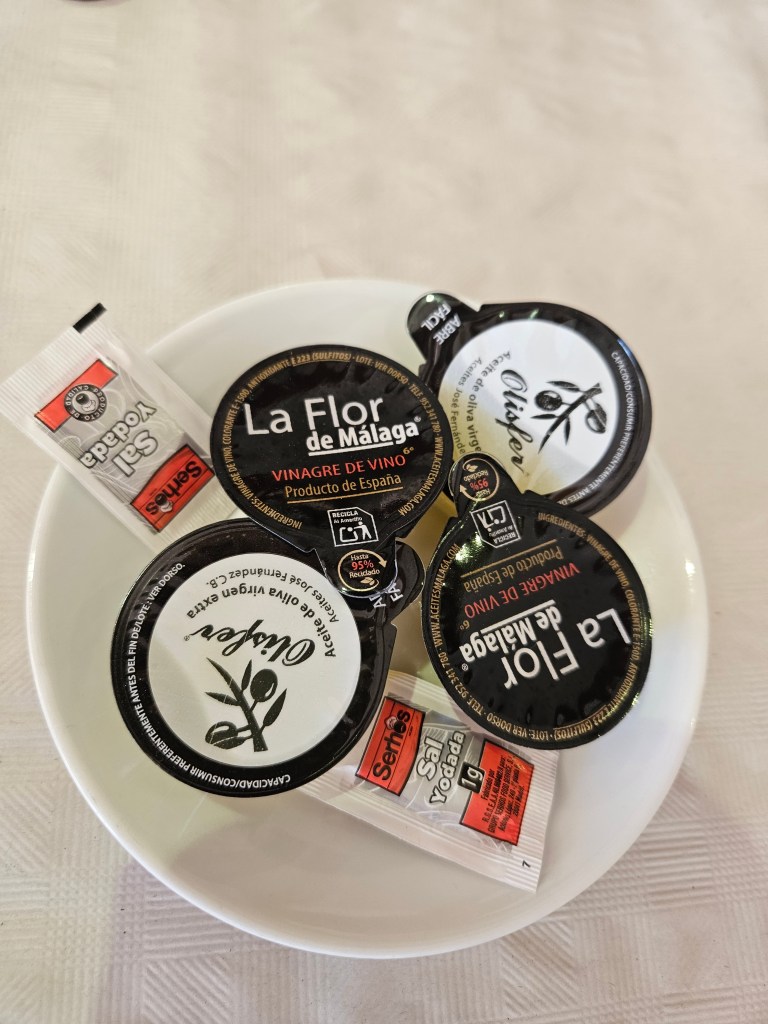
Vegetable salads that always have a half pound of tuna. Olive oil and vinegar on every table, but never salt and peper.

Cerveza tostada sin alcohol.

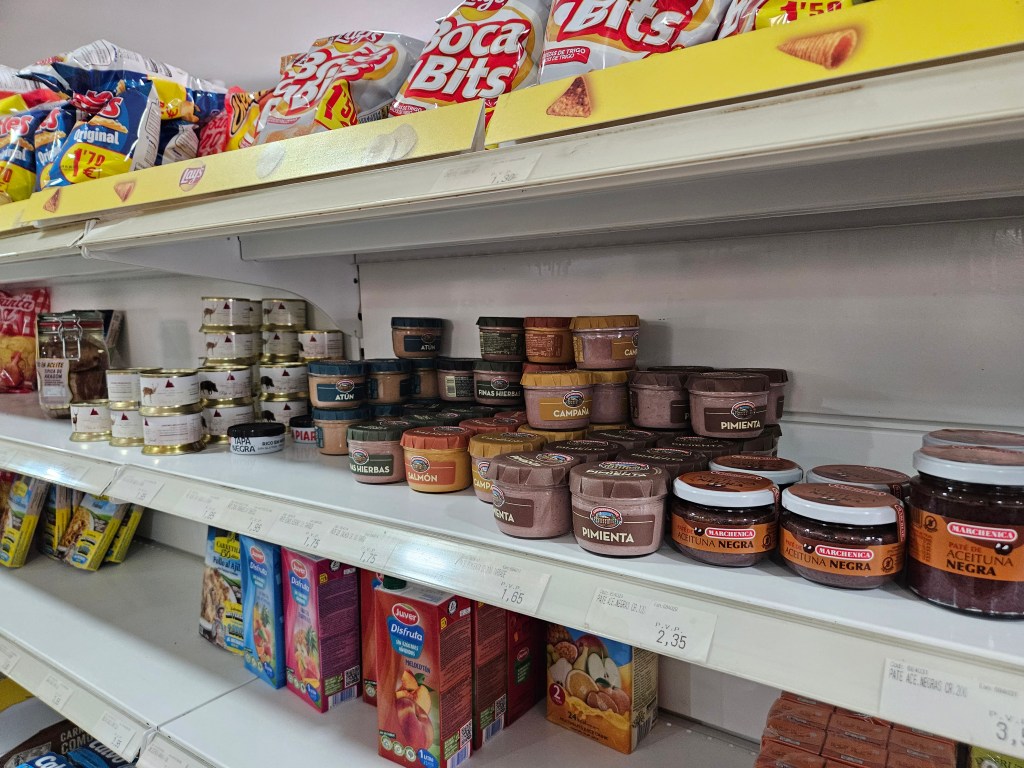
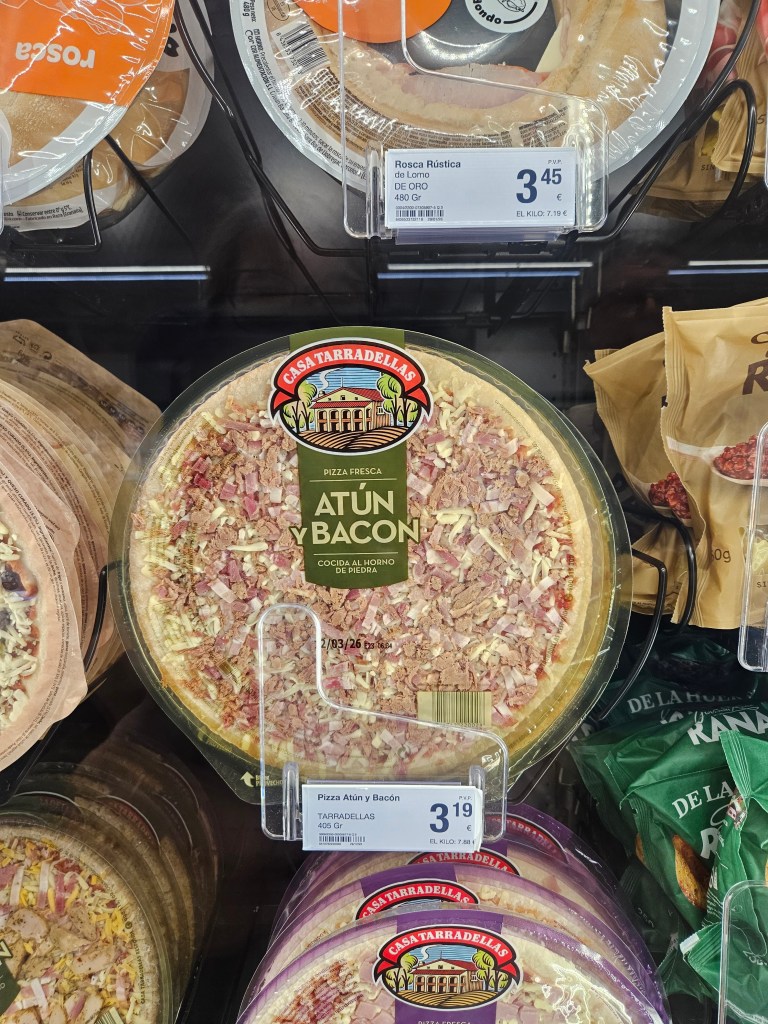
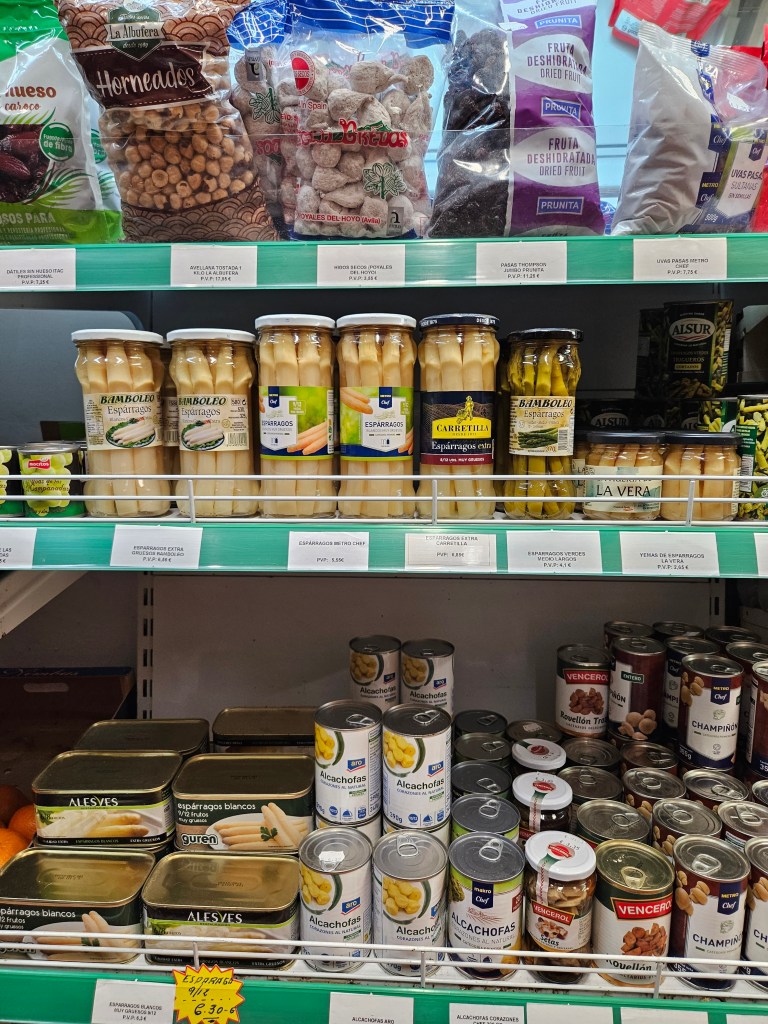
Quick mart foods. Unusual overprocessed junk, but mostly good stuff–pickled asparagus, 5 kinds of olive oil packed tuna, fresh boquerones, fresh produce and decent wine.

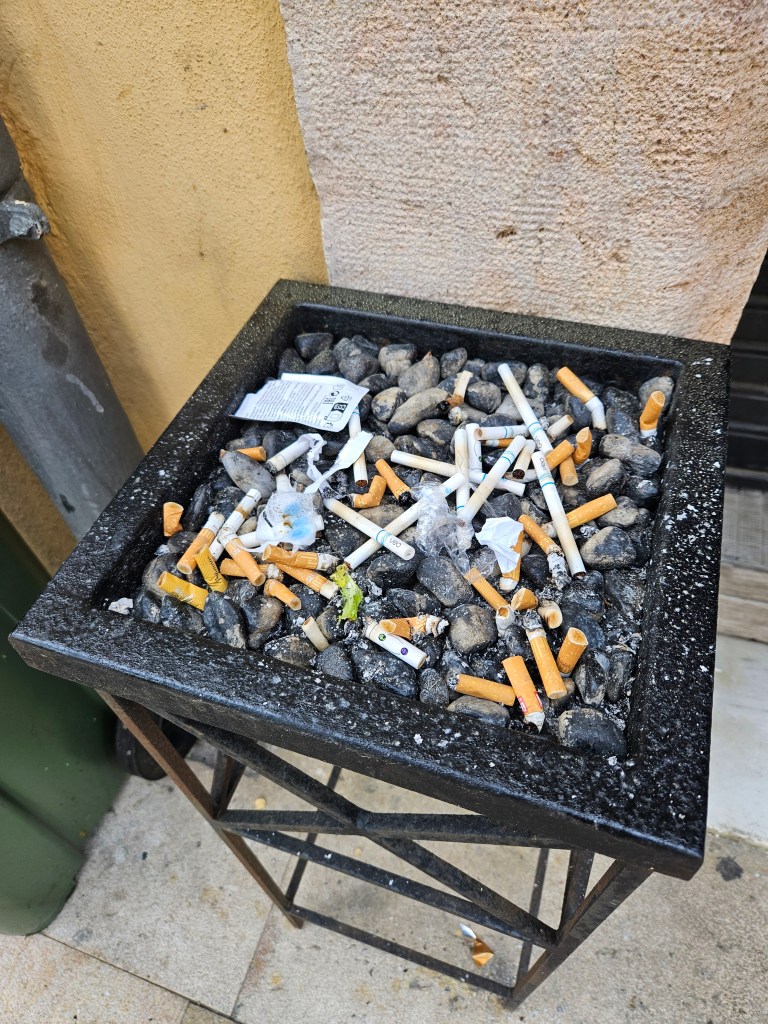
Smoking – everywhere. (It turns out that rates of smoking in Spain are lower than in France and at least 20 other countries, but we find this hard to believe.)

Bathrooms that lack an extractor fan. Hot shower? Walls dripping.

Scented everything. Laundry detergent you can smell for miles. Air freshener in every corner. Soaps that linger on your skin for hours.

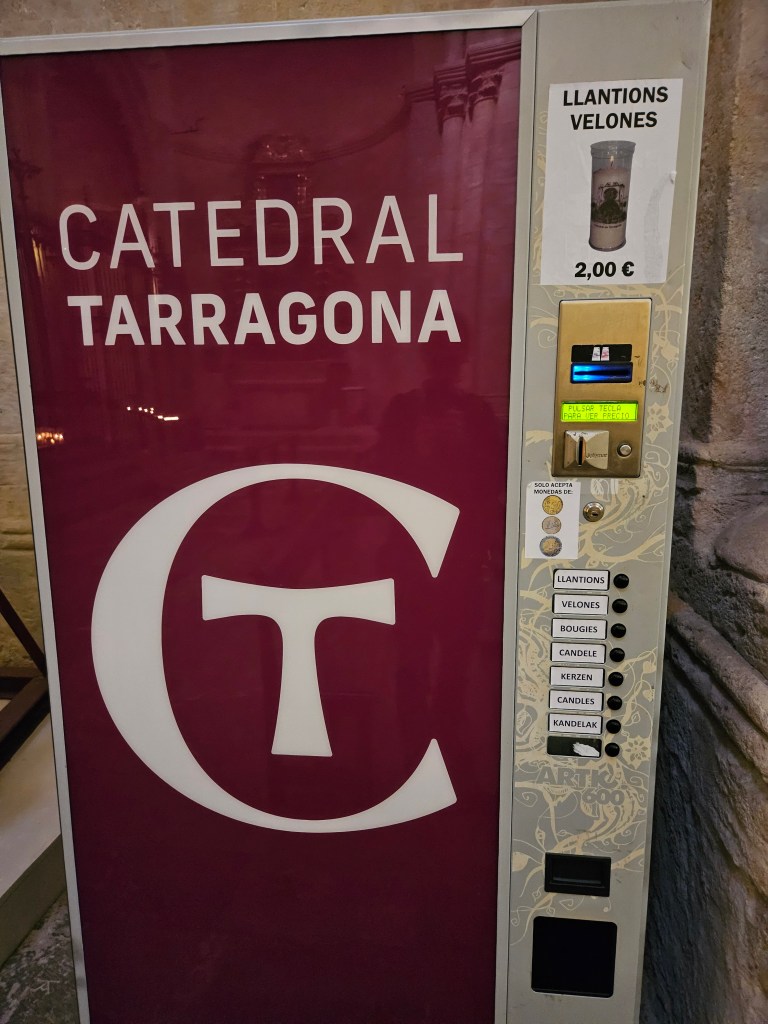
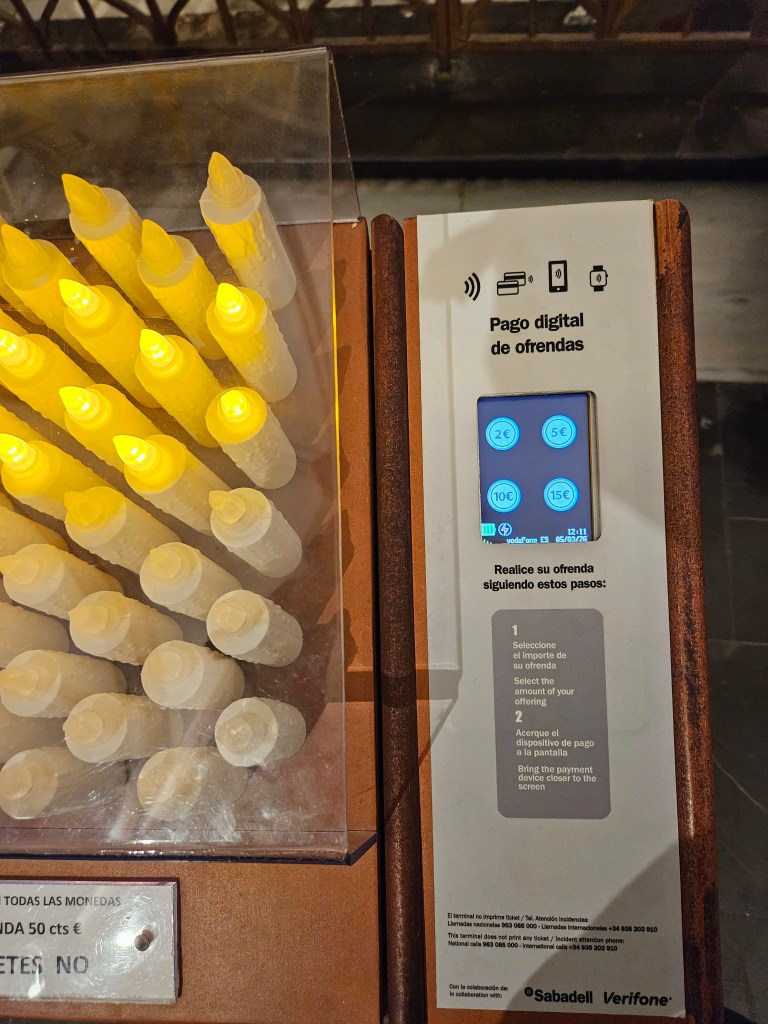
Electric votive machines in churches. Votive candle vending machines.
The idea, universal among Spanish drivers, that a safe following distance is measured in centimeters.

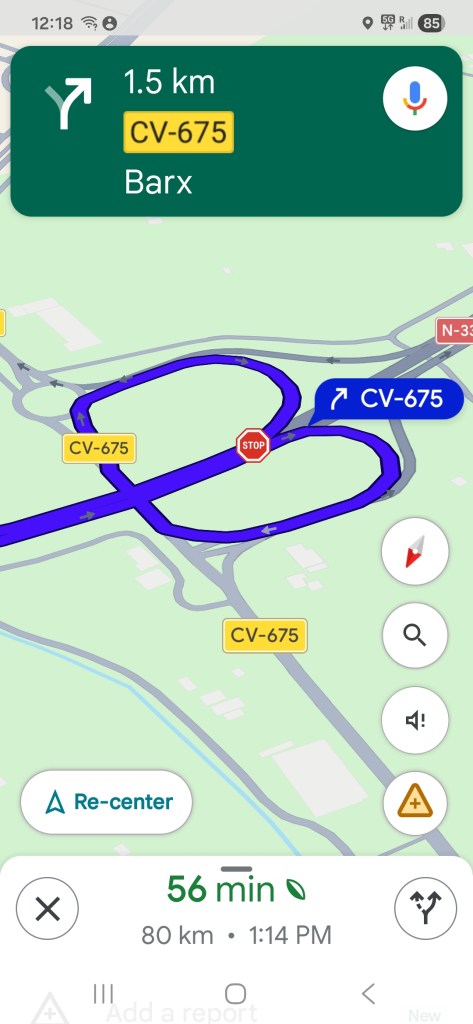
Google maps. Mostly helpful, but occasionally downright scary. Wish there was a filter for roads to select that are actually driveable and not leftover medieval roads suitable for a single loaded donkey.

Roundabouts. Everywhere.

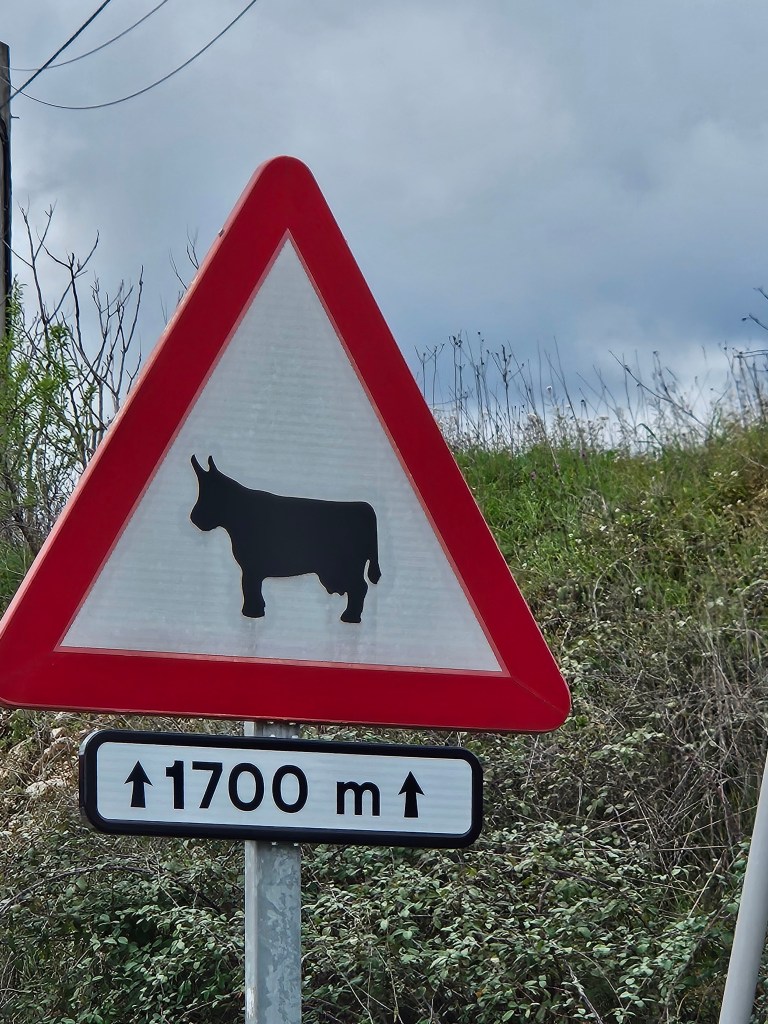
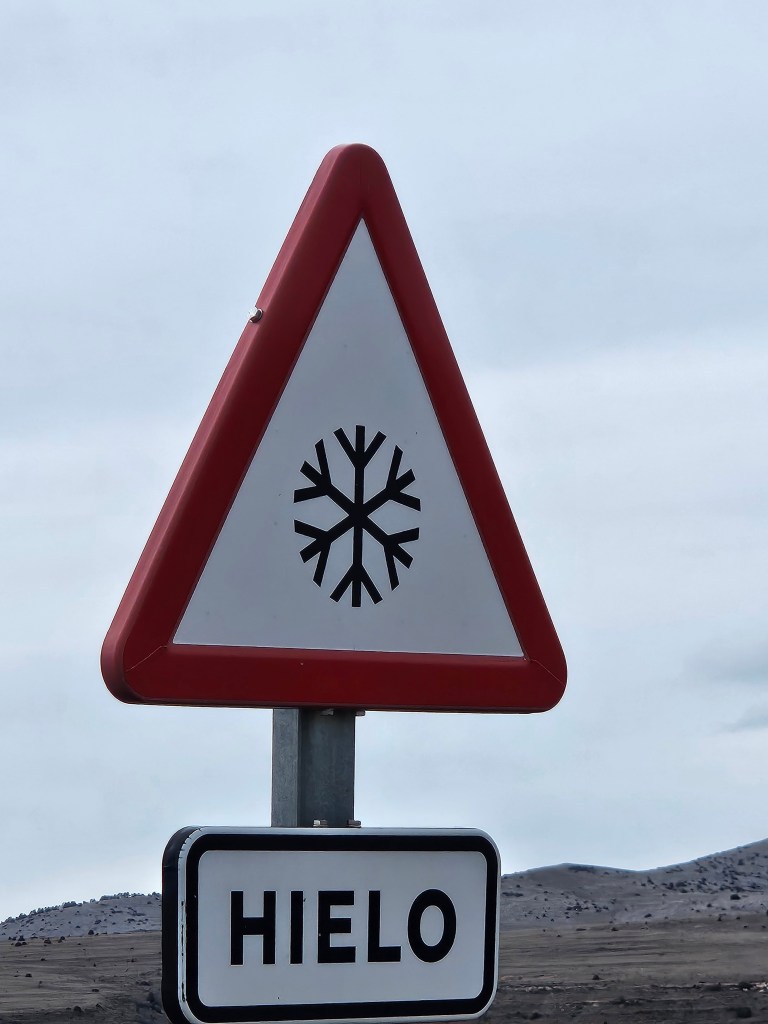
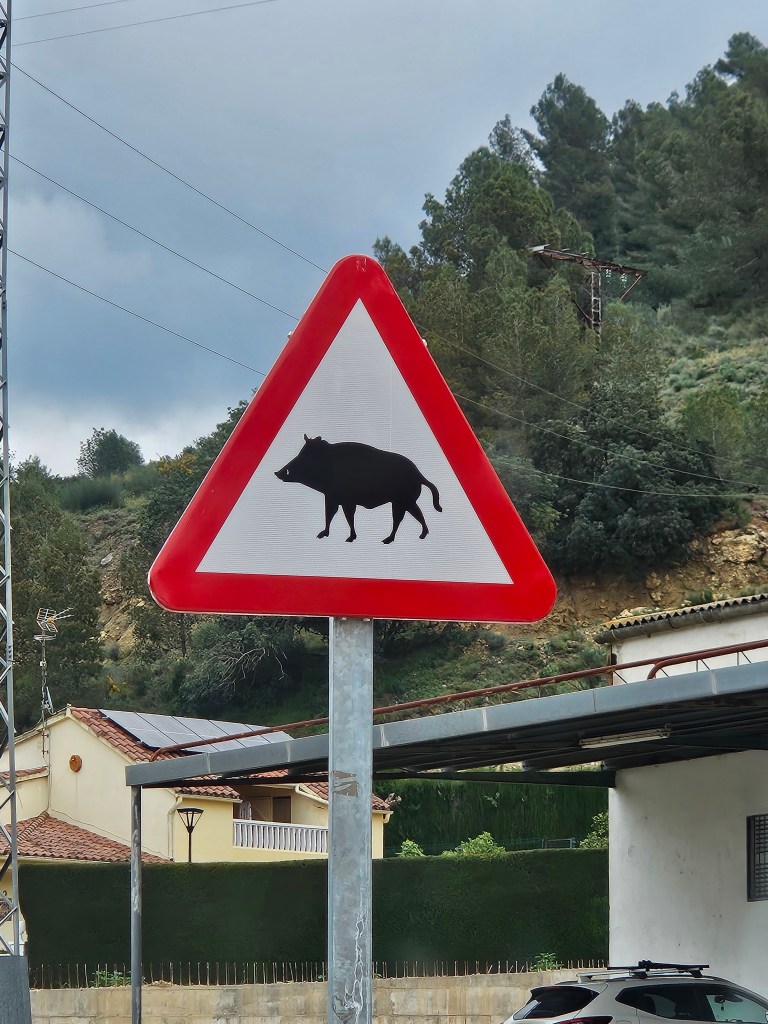
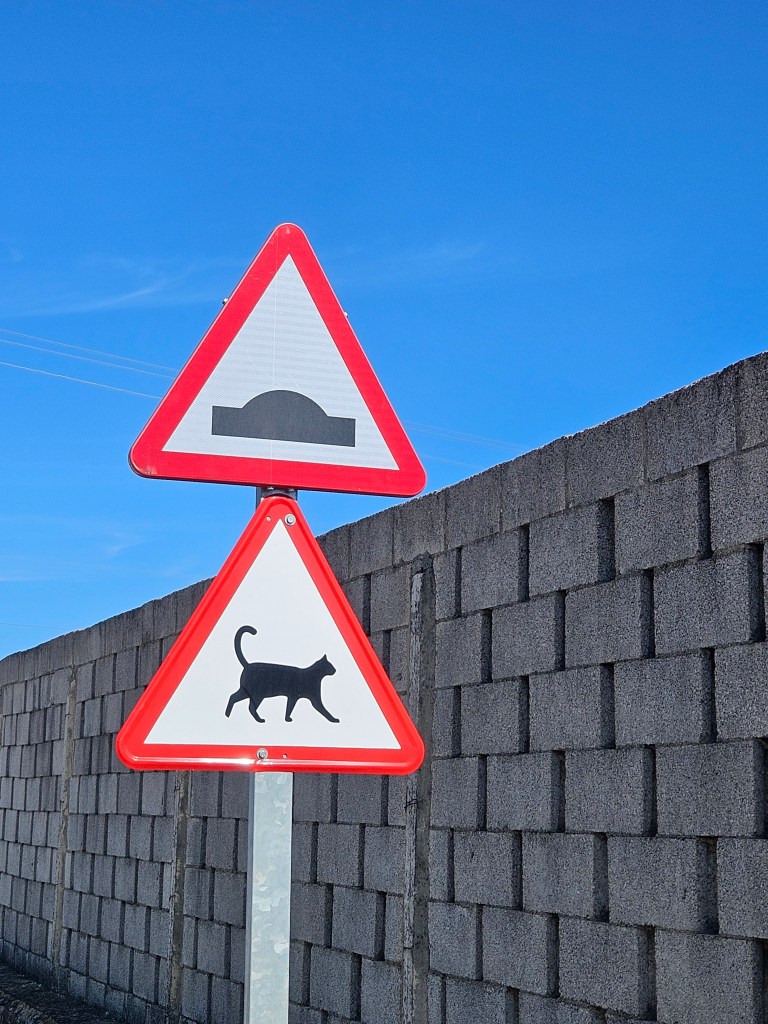
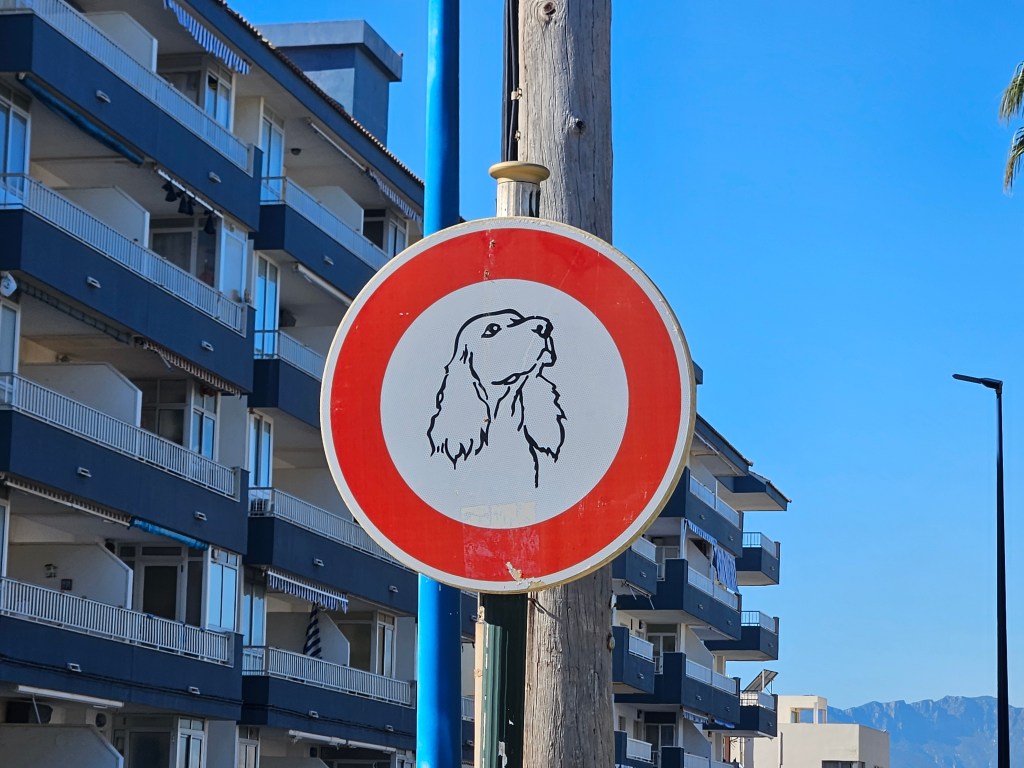
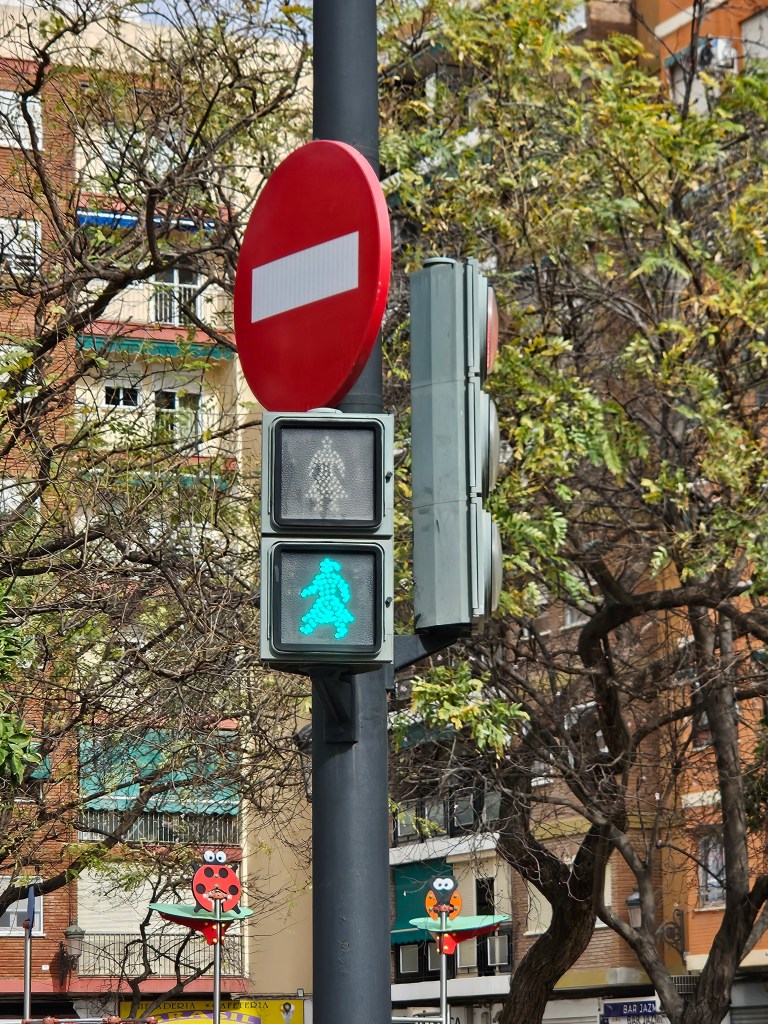
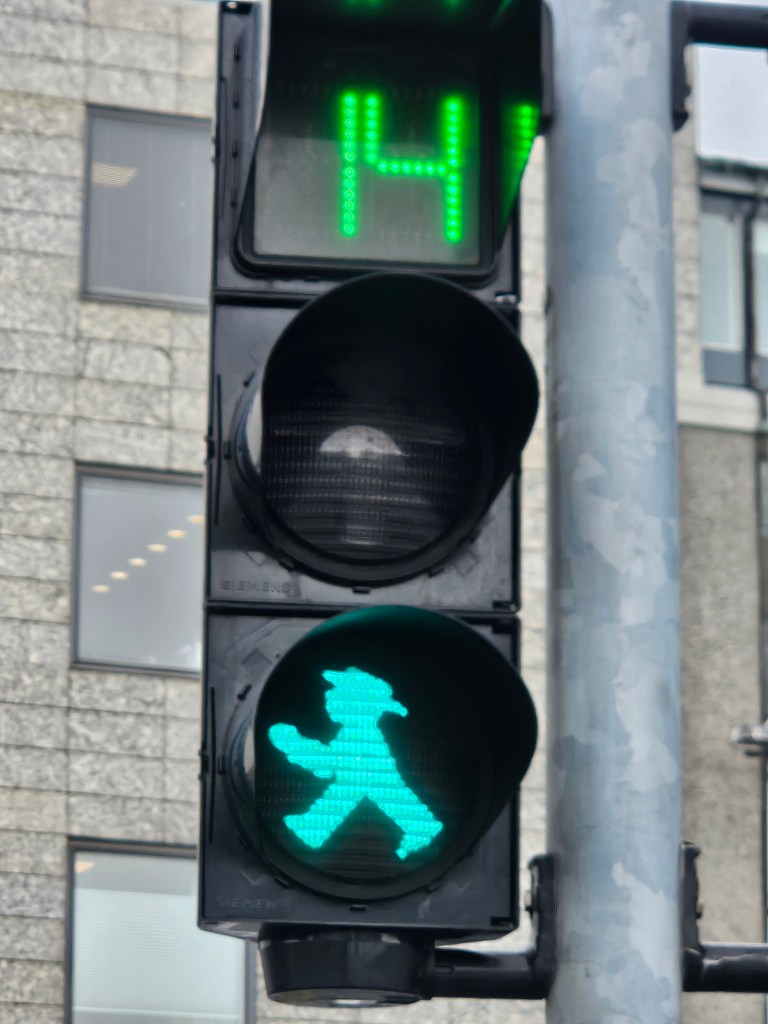
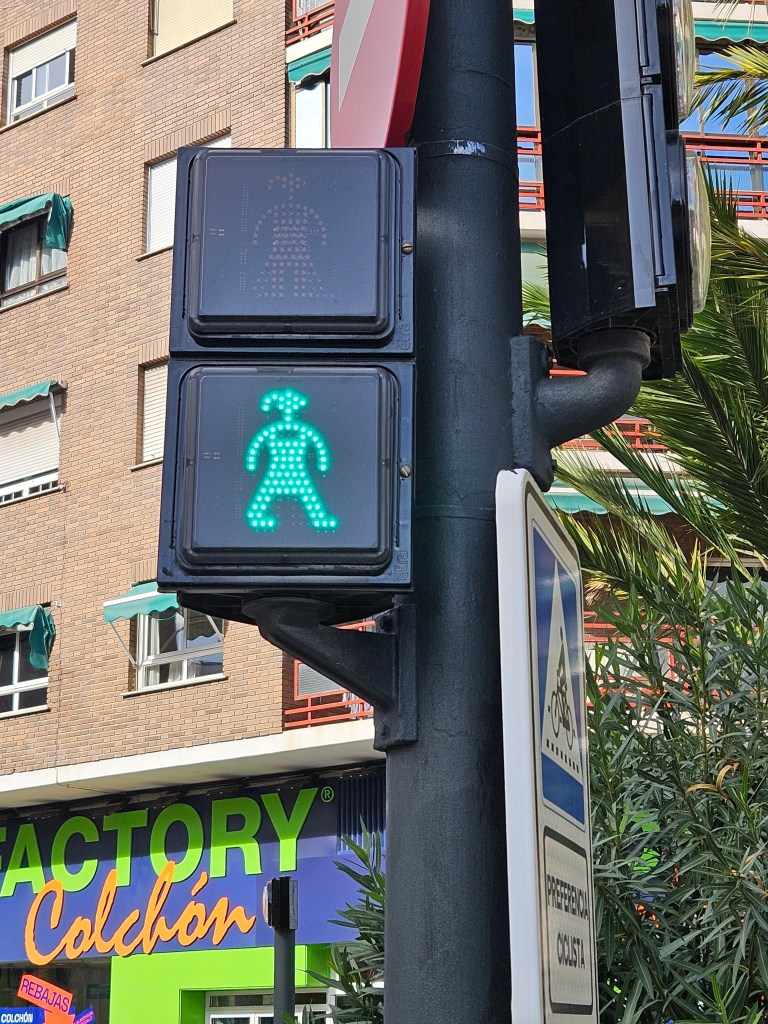
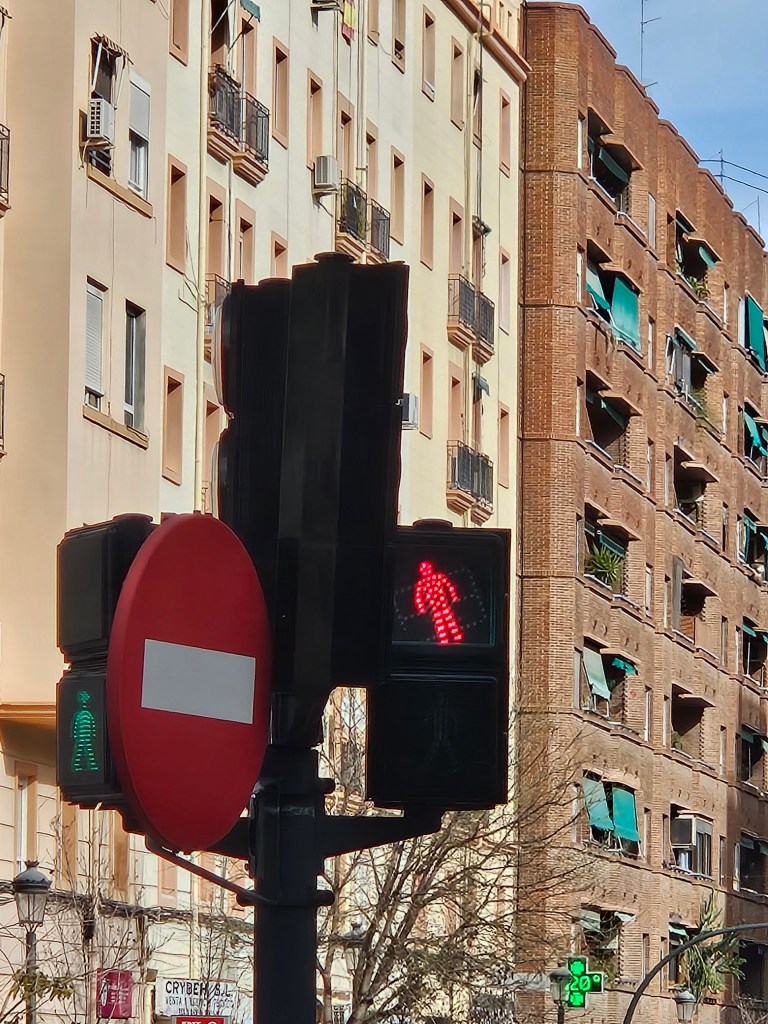
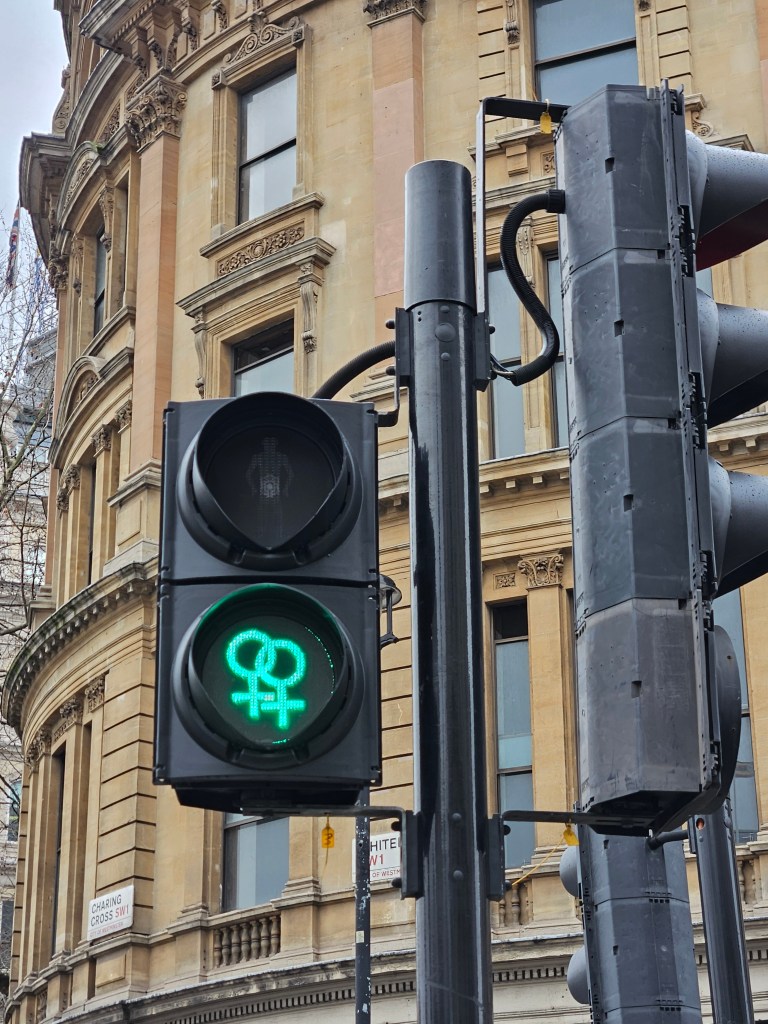
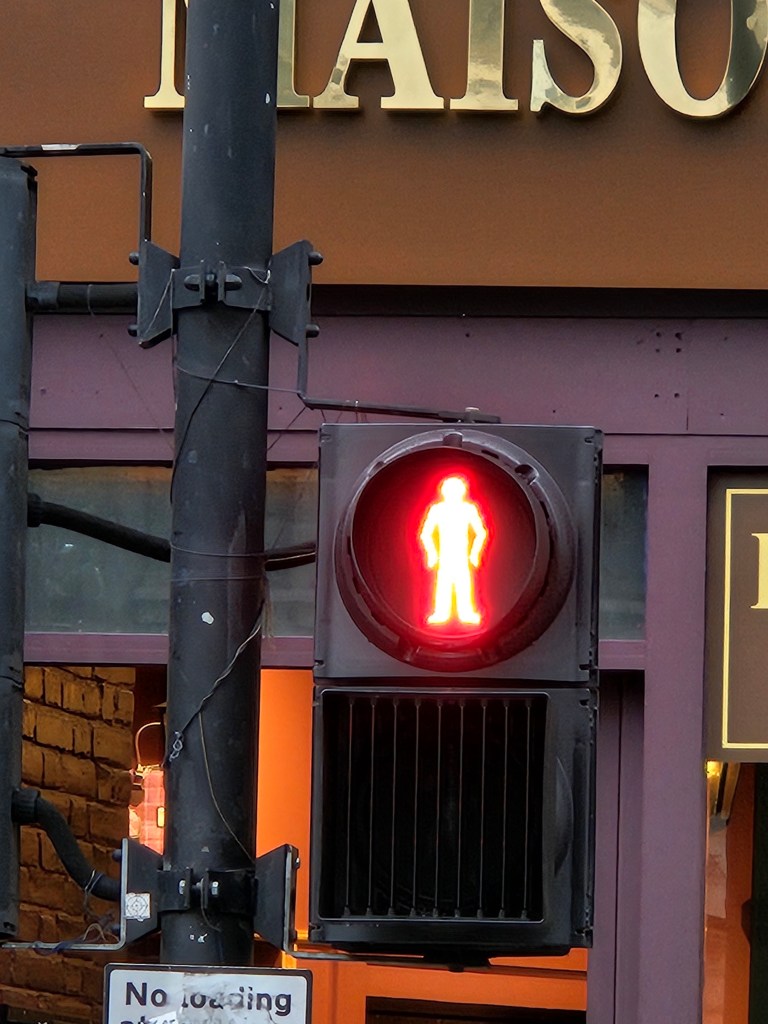
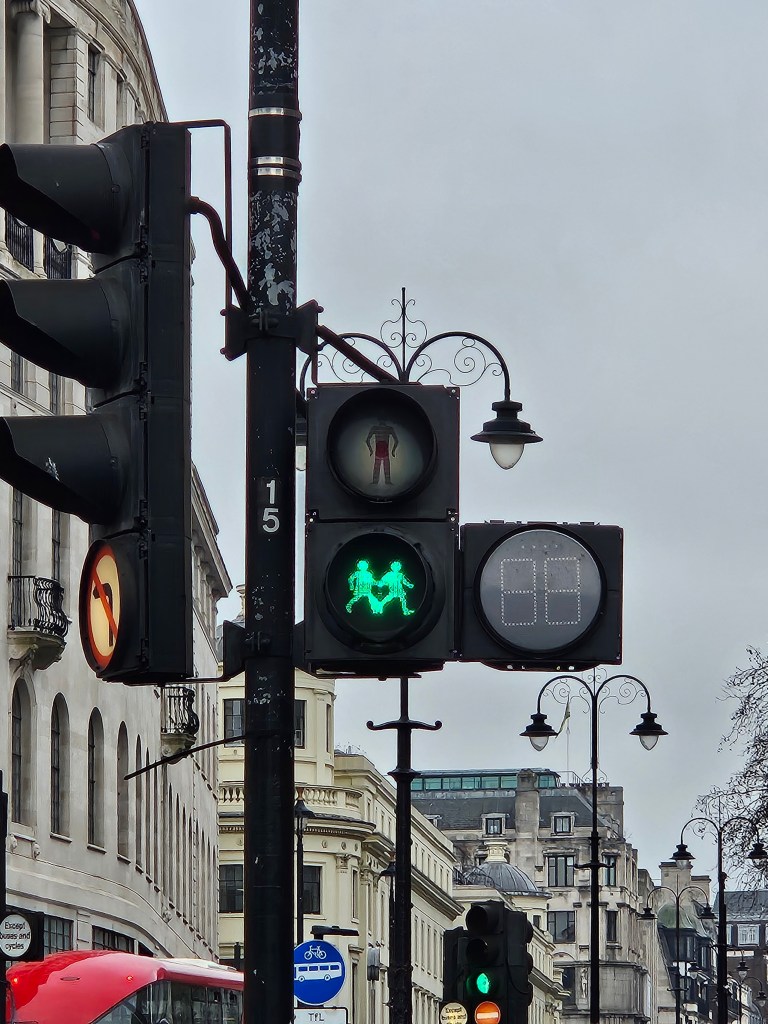
Unexpected animal crossing signs. A variety of walking men/women/people. Snow?
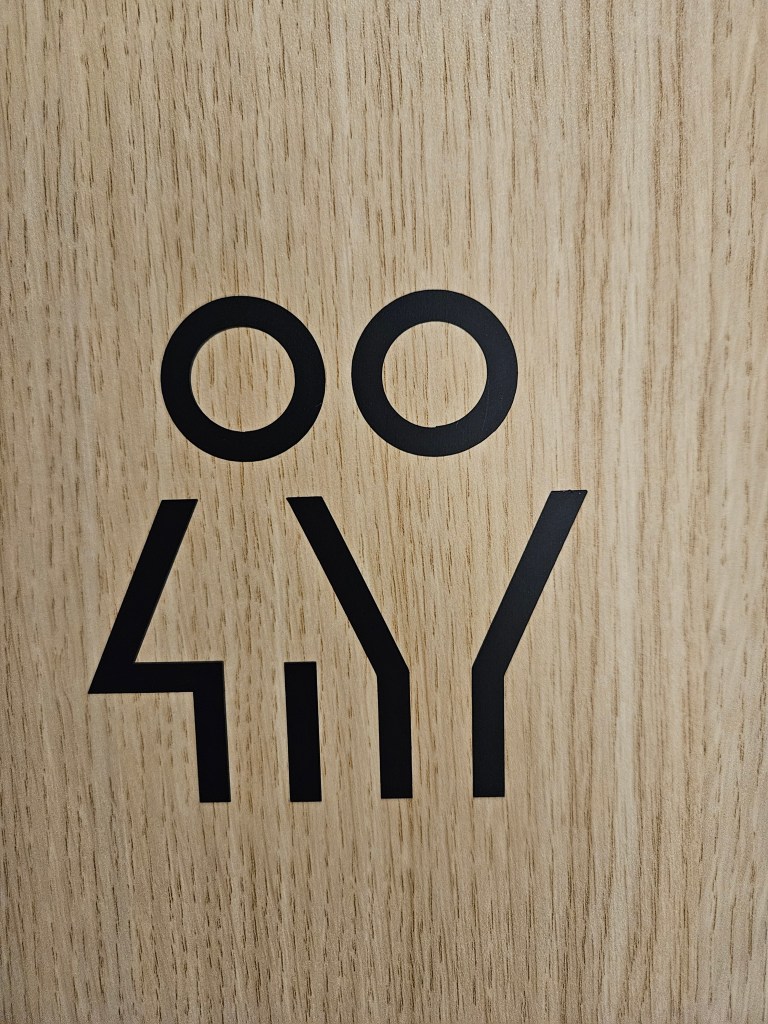
Gender neutral bathrooms. Everywhere. Each stall has a full door, and possibly its own sink inside.

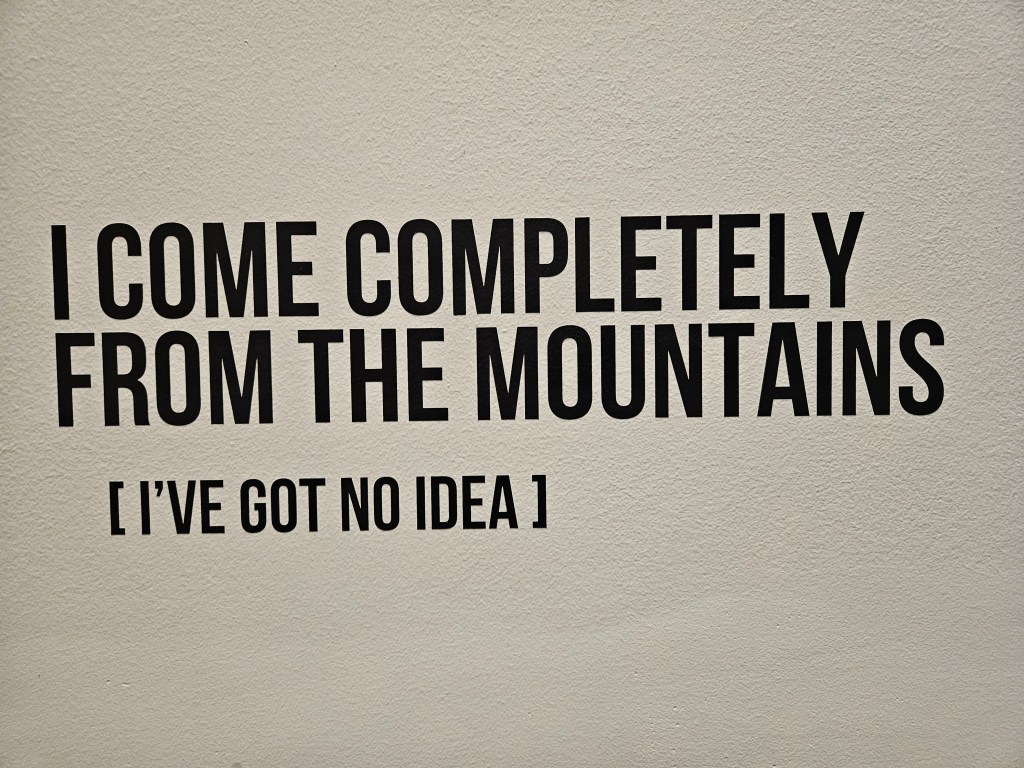
Icelandic sayings. “The raisin at the end of the hot dog.” (A highlight or pleasant surprise.) “On with the butter.” (Carry on.) “I come from the mountains.” (I have no clue.)

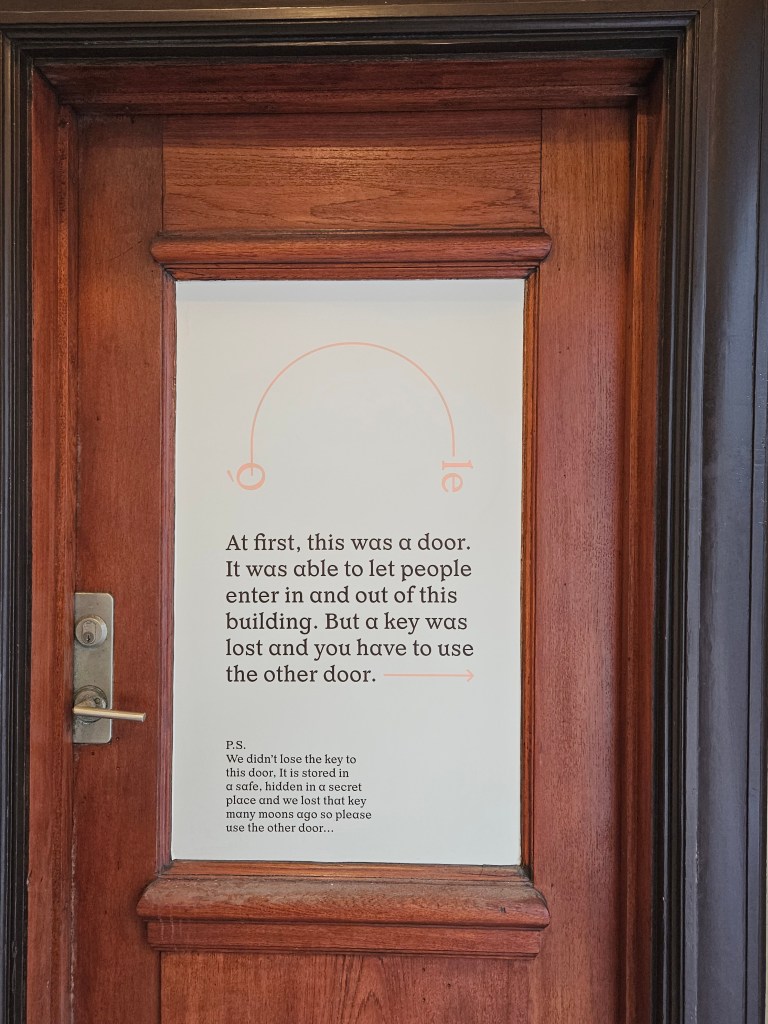
Icelandic humor.
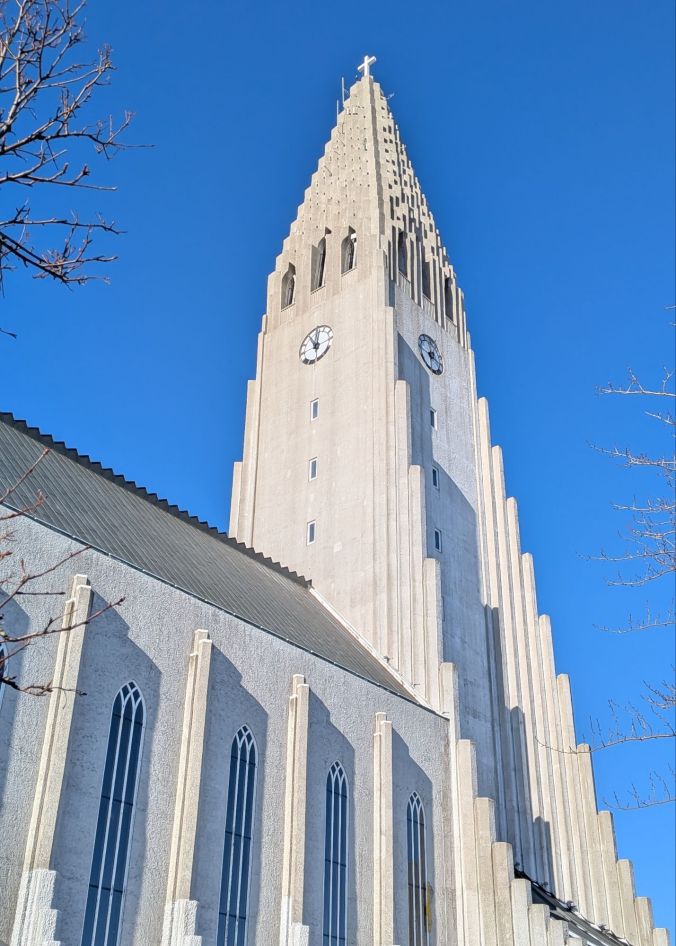
Last day in Iceland

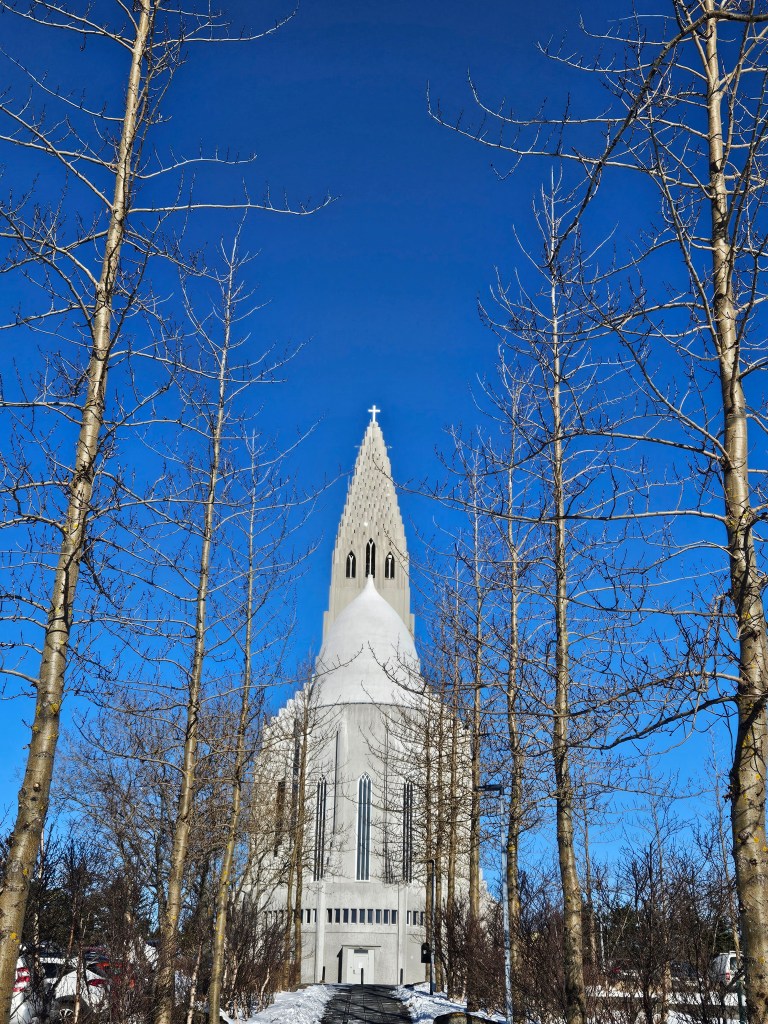
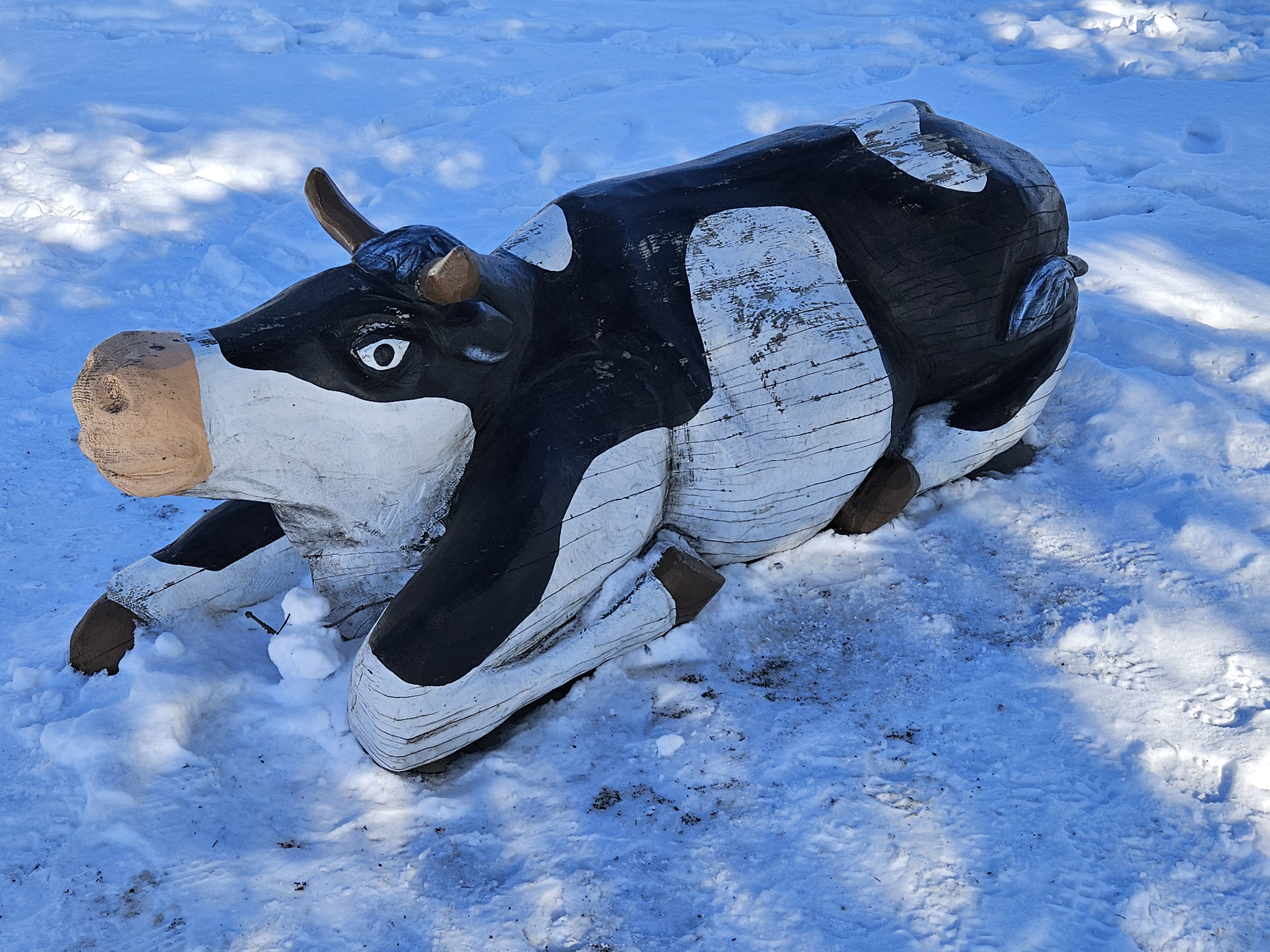
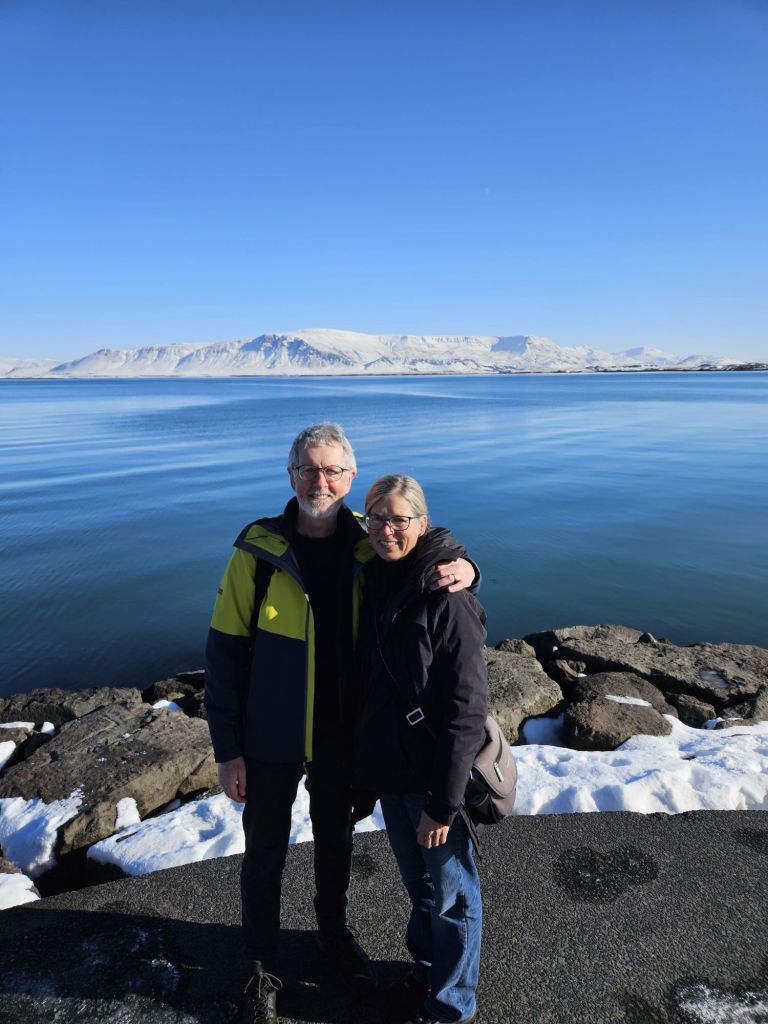
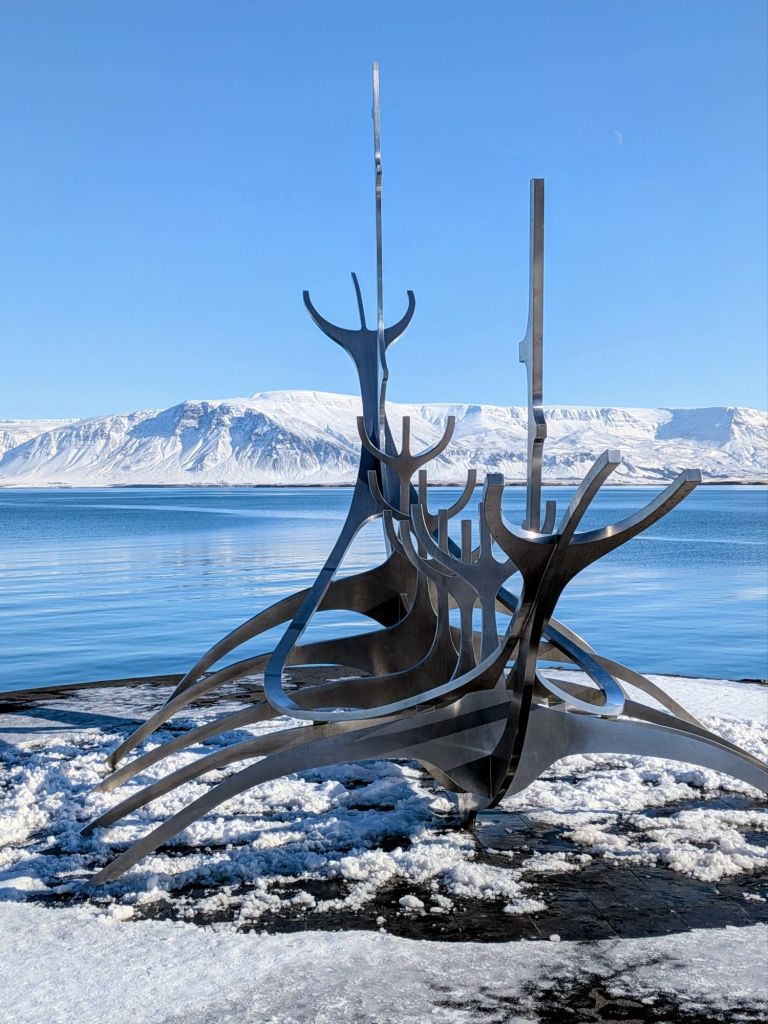
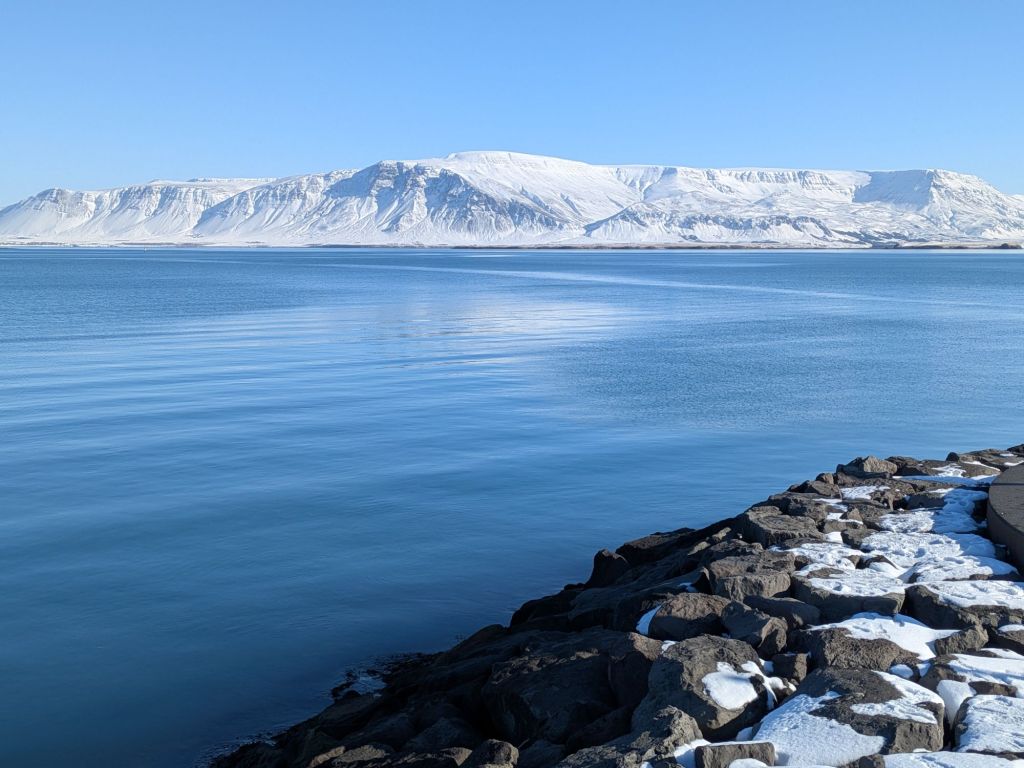
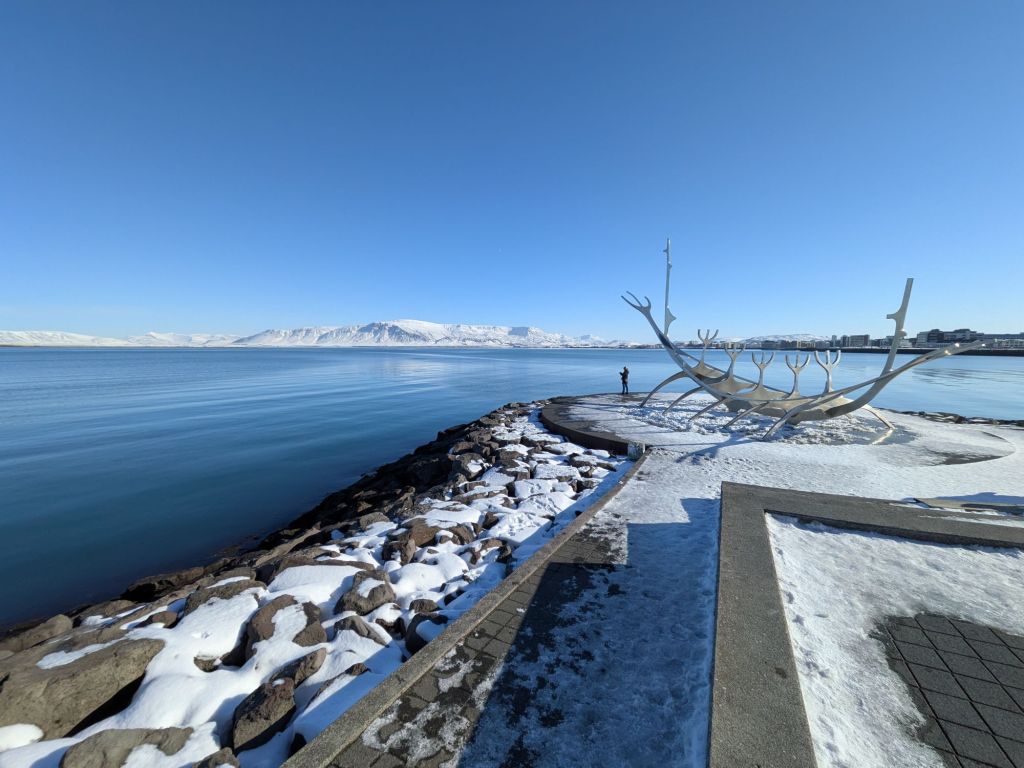
So lucky. We woke to a cloudless sky, and – after doubling down on the prepaid all you can eat hotel breakfast – had time to spend the final morning of the trip walking in warm sunshine. Up over the hill, past the Pearl, and back down to the bay on the other side. A quick stop at the Viking Cow – a major landmark, according to the maps, though we’re unclear why –

but after that it was all fresh air and gawping at the scenery.

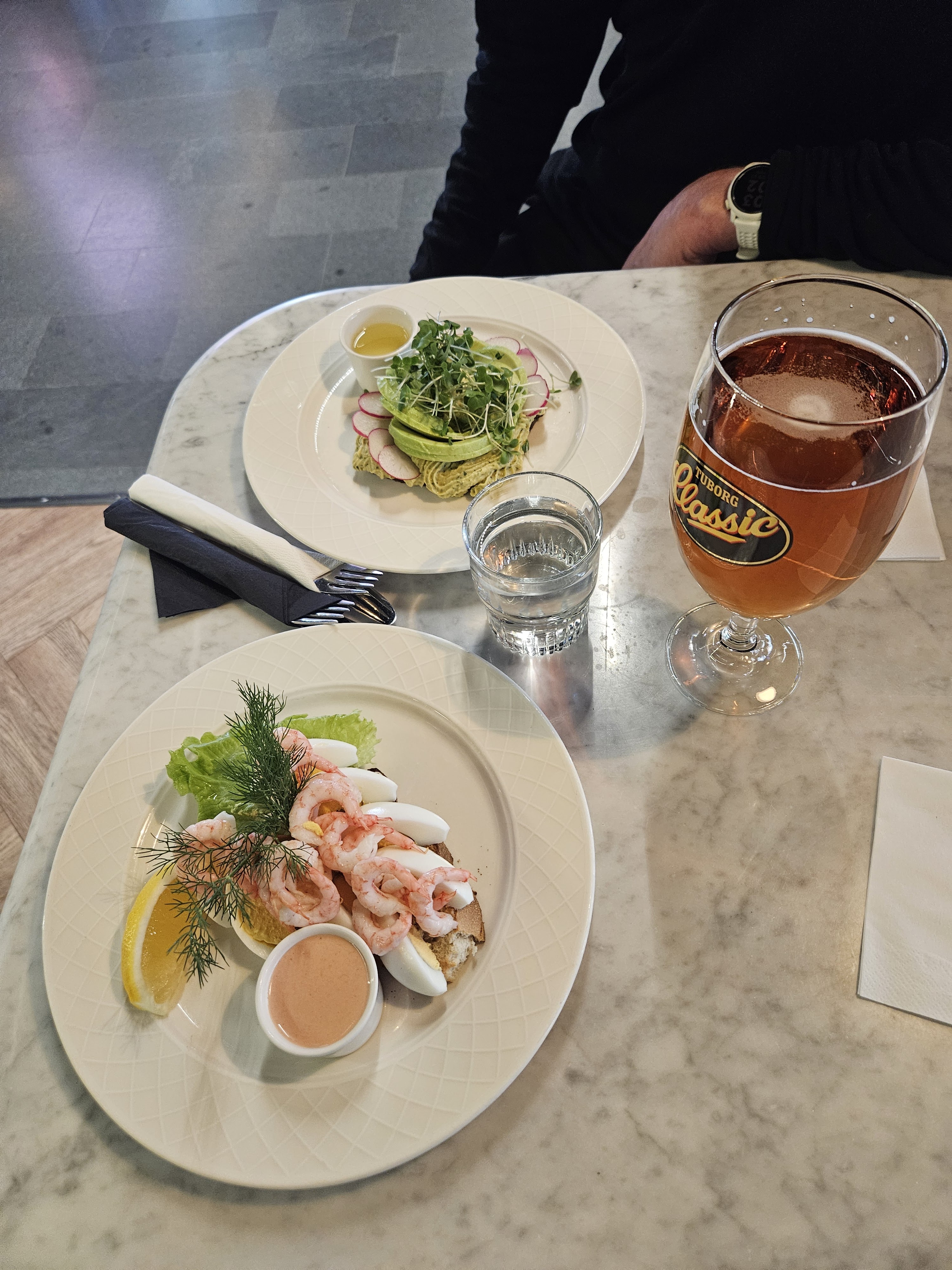
And so, after 45 days, a bus to Keflavik airport and an obligatory shrimp smorrebrod and beer. Not quite as good as the one I had 10 years ago in this airport, but still a lovely way to say goodbye to a gorgeous place and a fabulous trip.
Limp

After the Vagina Museum in London, gender equality demanded that in Reykjavik we see the Penis Museum. Sorry, the Icelandic Phallological Museum – we’re all about the science here. Sadly, the museum promises a lot of pleasure but doesn’t stand up. The expensive ticket is a very clever way to seduce money out of gullible tourists like us.

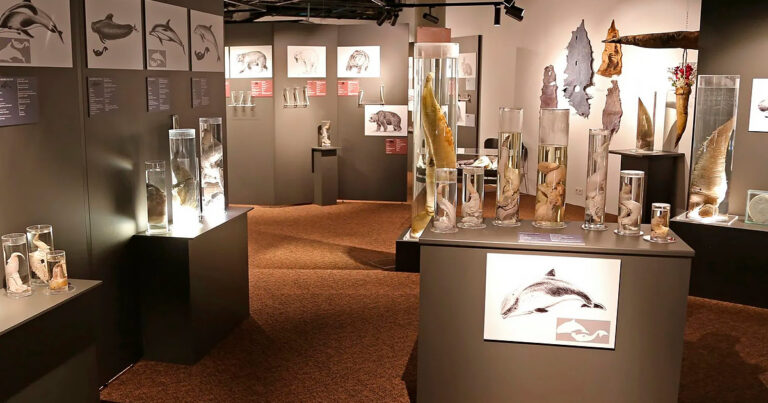
The main jewel(s): around 300 animal appendages in formaldehyde. Whales have a lot to boast about, definitely more than camels, and raccoons more than voles. (Though boasting may be different if you consider size relative to body size, vs absolute size.) Some are straight, some twisty. Some have bones, some don’t. But once you’ve seen three or four you’ve seen them all. Size doesn’t really matter. The museum began with a joke gift of a bull pizzle–used by the museum founder as a pointer in his teaching job–and grew into a collecting interest. Each display card identifies the species and includes a few notes about mating habits, but the museum didn’t measure up to its promise of “enabling individuals to undertake serious study into the field of phallology in an organized scientific fashion.” 10 year old boys and/or Instagram influencers, on the other hand, could probably be convinced they were having an exciting time.

There’s a room devoted to the work of a Californian woman whose artistic mission was to collect plaster casts from famous people, mostly musicians. I think the technical term may be Stiffies. (Jimi Hendrix is here, or anyway the relevant part of him is.)

They also have a plaster cast donated by the man – surprisingly, not called Dick Moby – who supposedly has the most impressive (euphemism alert) “total urethral length” ever recorded in a human. Apparently  he tends to respond to stimulus by fainting. He’s surely not the only one.

That, plus a lot of jokey bad art, a phallic themed cafe, and a gift shop with t-shirts that could be so much better, about sums it up.

This is a museum with a one track mind and not enough lead in its pencil. All in all, a bit of a cock-up. But it was busy and seems to be raising a lot of hard cash.

(Note: we didn’t take any photos in the museum. The one above comes from icelandtravelguide.is)

Spring!

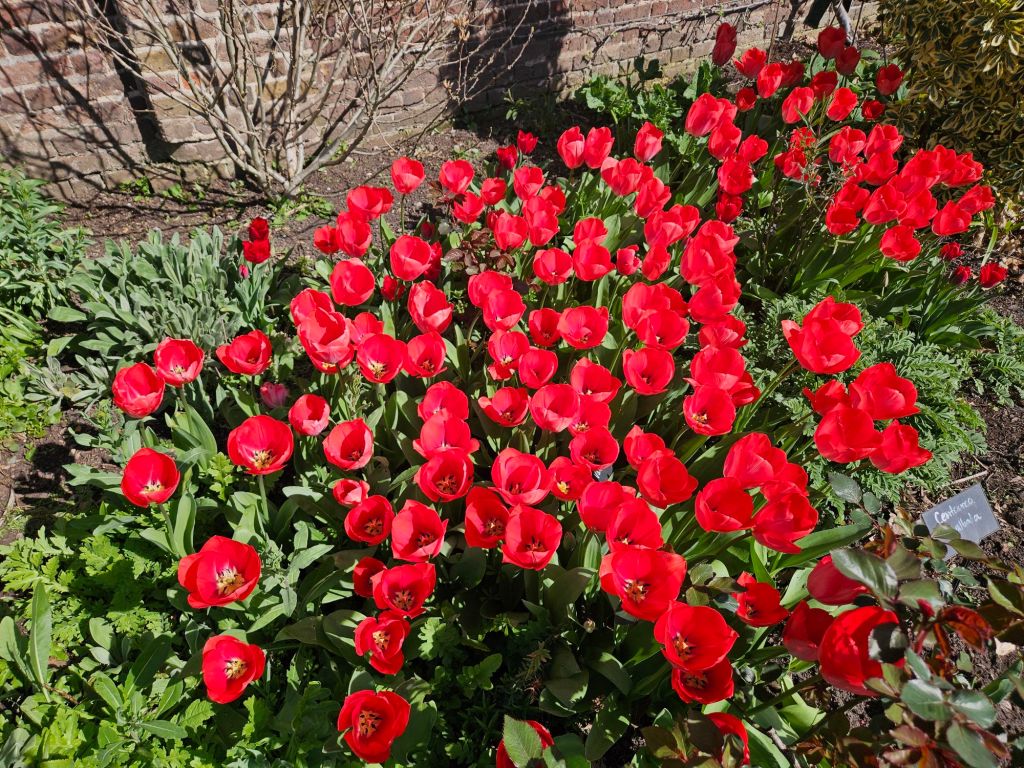
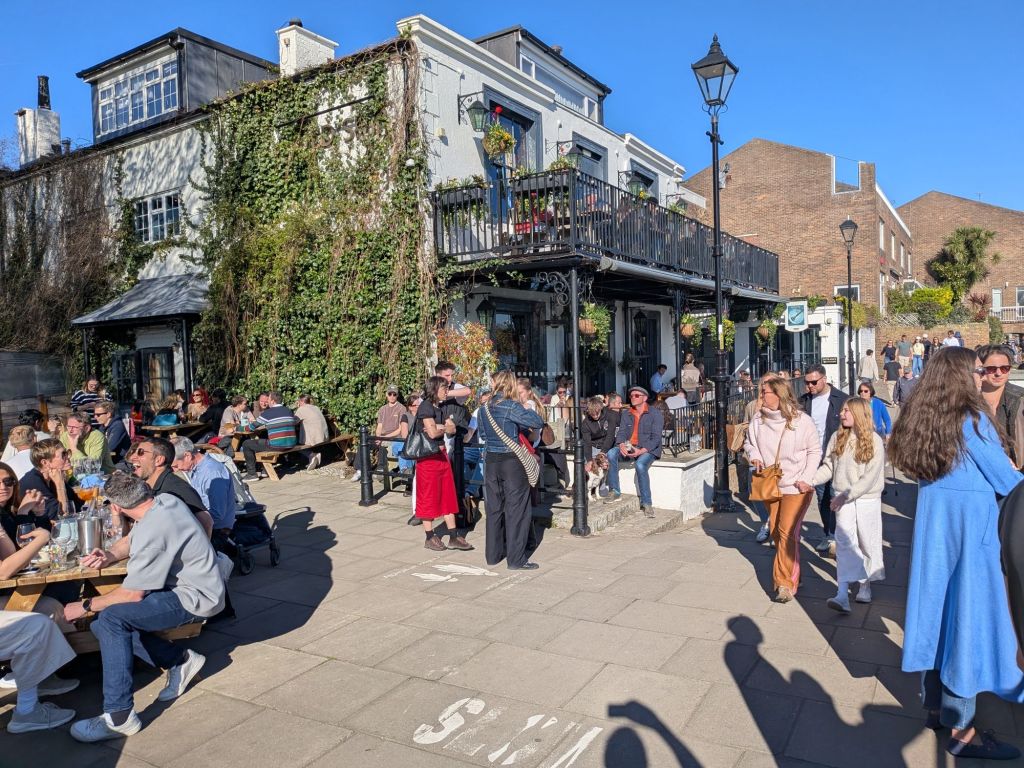
It’s been a long wet winter by all accounts. Suddenly the tulips are out and everyone in London is having a beer at a pub by the river–we passed them by while on a long walk on the Thames tow path.

And in the evening Clarissa and I went to the tiny Orange Theatre for a revival of the excellent play about Van Gough, Vincent in Brixton. We were in the front row; during some scenes I could have touched the actors.

From the play: “I call myself Mr. Vincent because nobody in this country can pronounce my name. Say fen, then the Scottish word for a lake except with a G. Or don’t, because you won’t get it right. Fengogggh.”

London walk

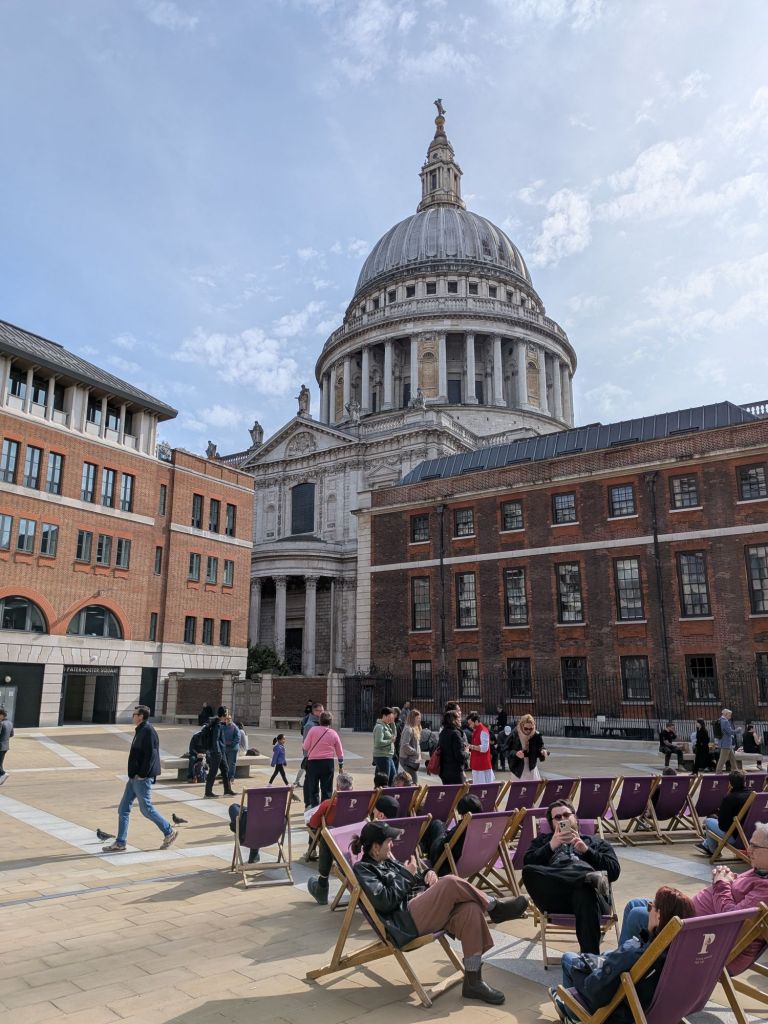
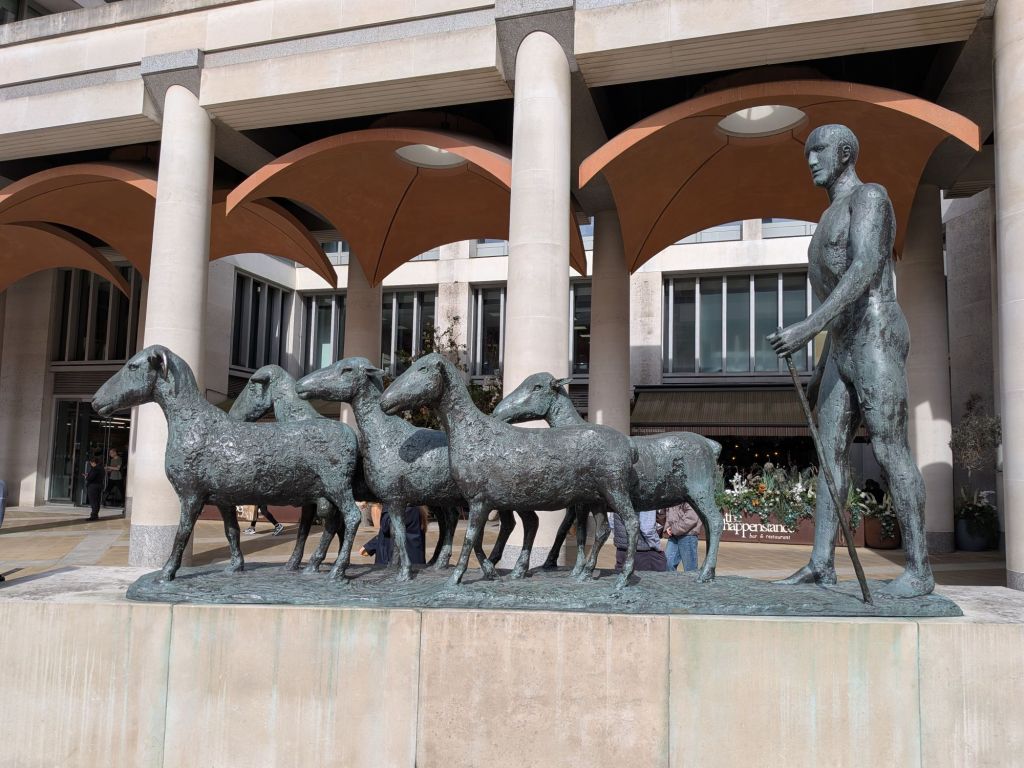
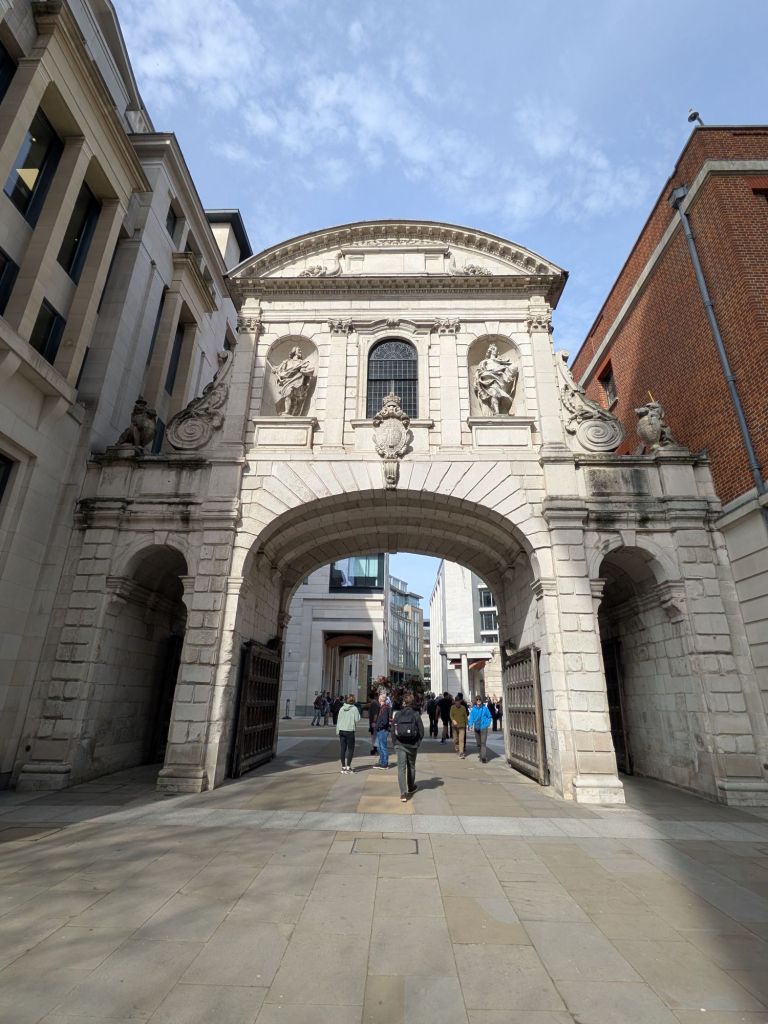
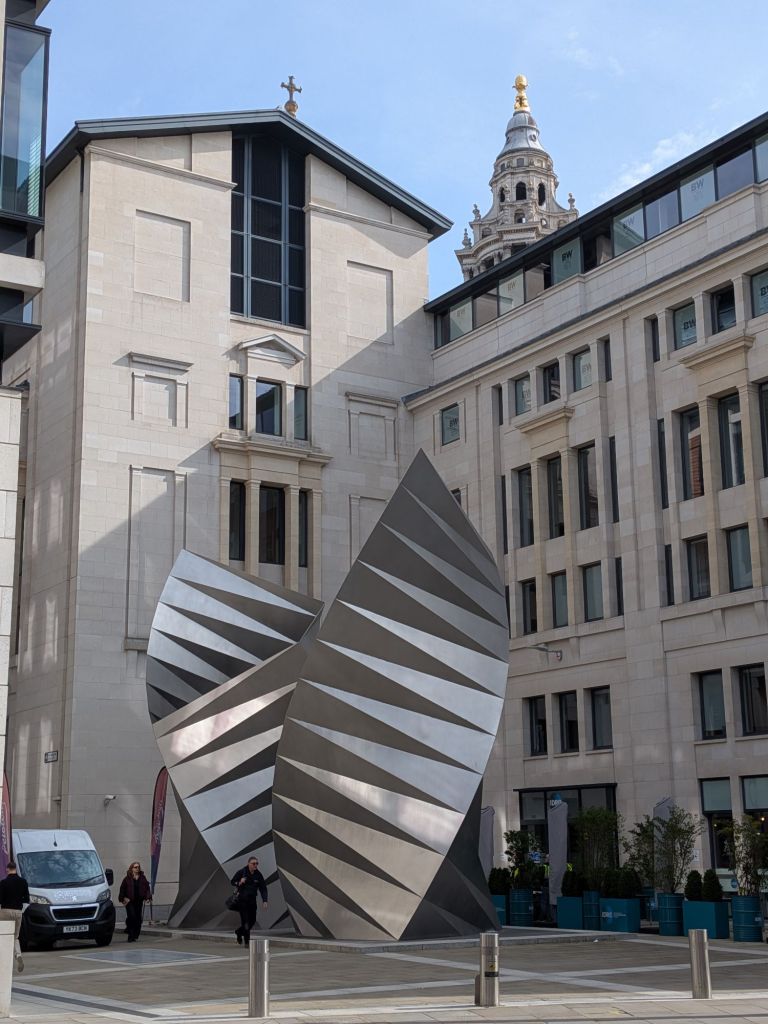
St. Paul’s from Paternoster Square

An excellent day of exploration that rather typifies our experience of the city – so much to see, in so many layers, that you keep getting distracted and don’t do what you intended to do.

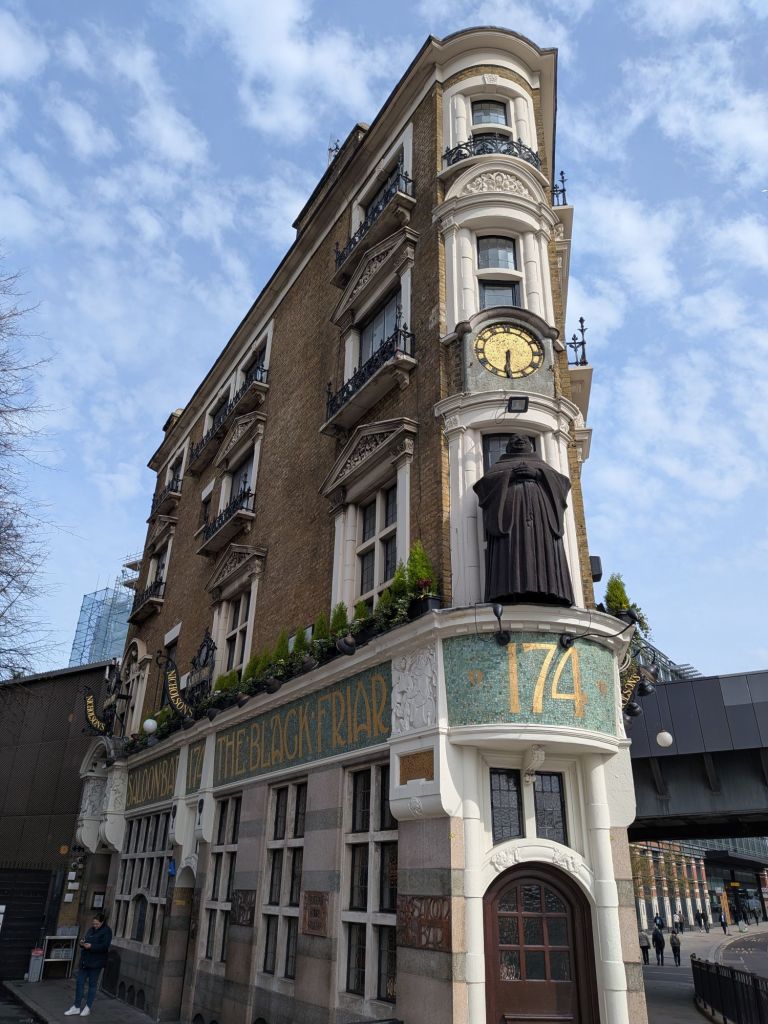
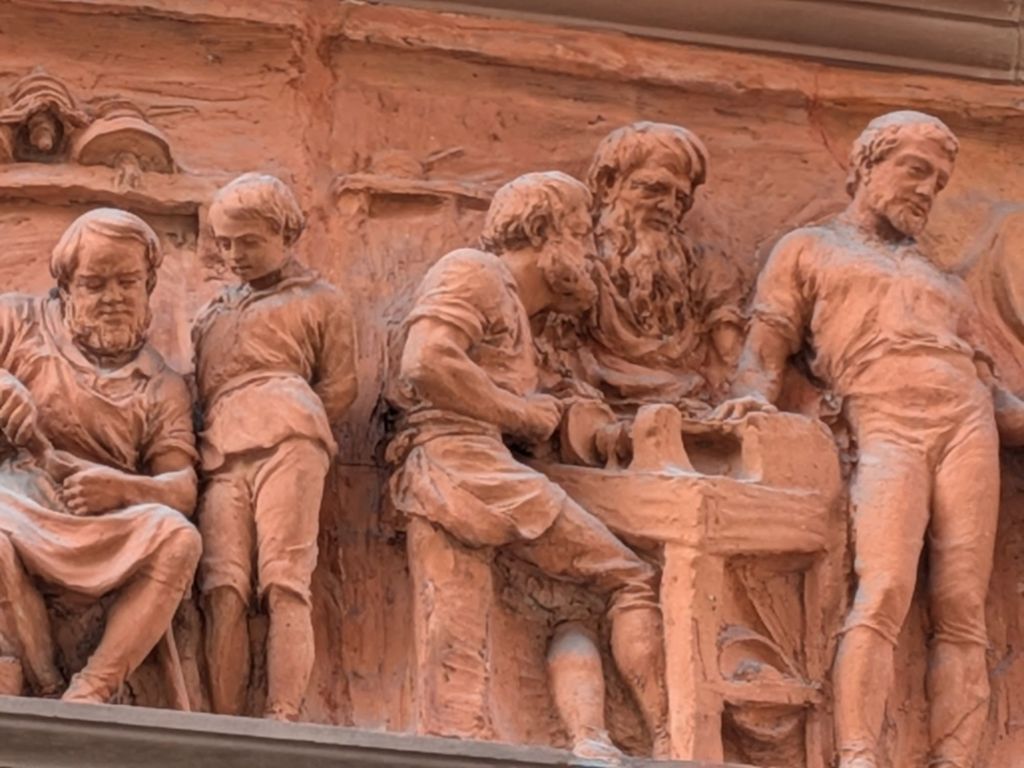
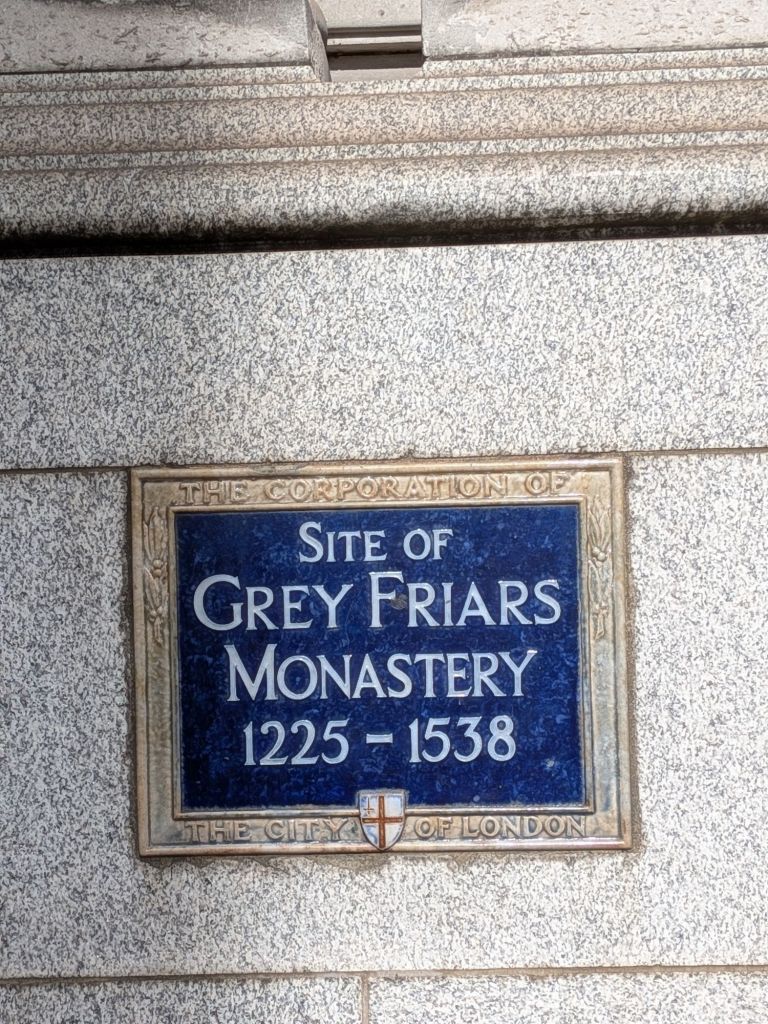
Clarissa was working so K and I got on the Tube in the direction of four museums, carefully curated from a much longer list. Got off at Blackfriars (Dominicans whose monastery was here; see portly figure below) –

with the intention of getting to Museum #1 via a historic walking tour of the neighborhood around St. Paul’s. But the map route we were following, perhaps 5 miles, had detailed info on 53 historic points of interest along the way. In an area I thought I was pretty familiar with, we kept stumbling on fascinating nooks and crannies I’d never seen before.

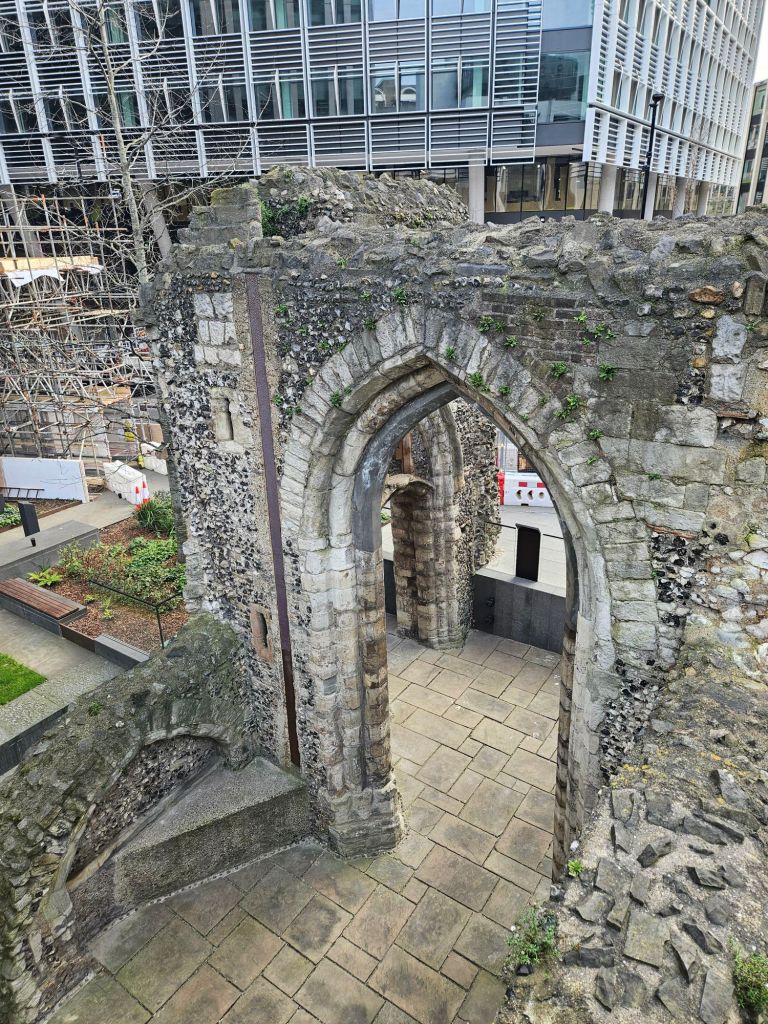
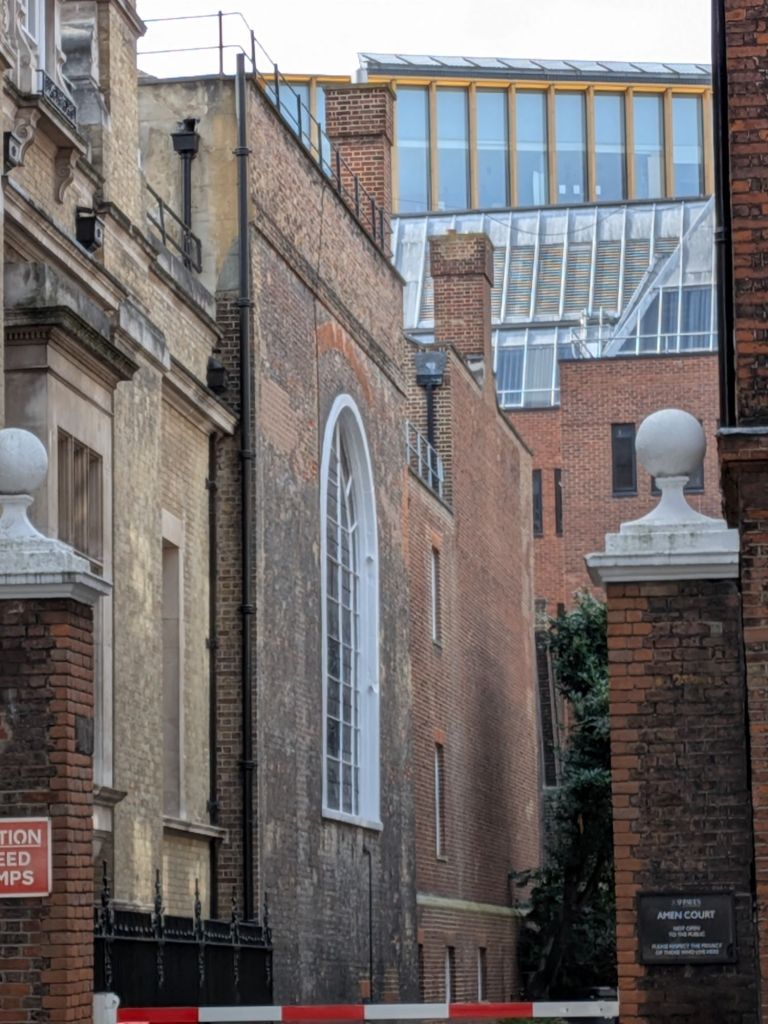
Apothecaries Hall. Playhouse Yard and Ireland Yard – haunts of Burbage and Shakespeare. Chunks of monastery wall from 1200-ish. Several small gardens – the sites of churches that were not rebuilt after the Great Fire of 1666. Wardrobe Place,  a small courtyard that was literally the King’s wardrobe under Edward III, c. 1330, and which Shakespeare came to once to collect cloth for a costume. Chunks of Roman Wall (c. 150) with chunks of medieval wall balanced on top.

Suddenly seeing people on the street dressed in academic / church / vaguely Renaissance regalia – plus the sudden sounding of large bells – alerted us to the fact that an annual service for the ancient guilds (Worshipful Company of Wax Chandlers, that kind of thing) was letting out of St. Paul’s a couple of narrow streets away. Quite a show.

We were told – by a very friendly red-cassocked prelate intercepted by K – that the tenor bell you can hear is the single largest bell in London.

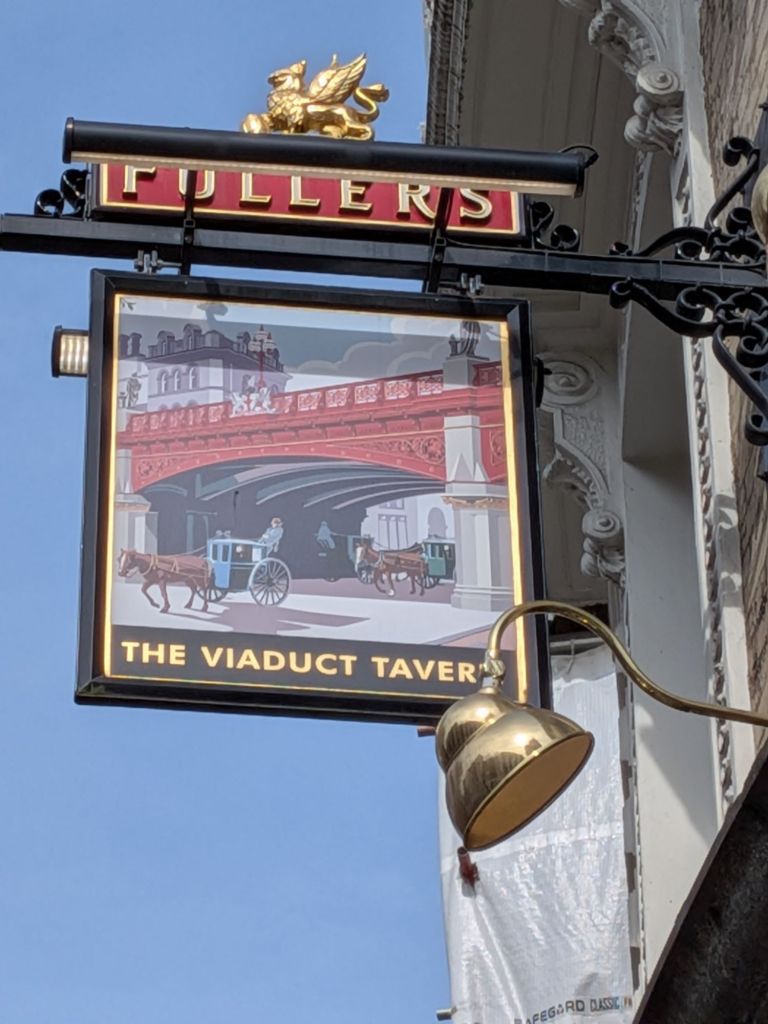
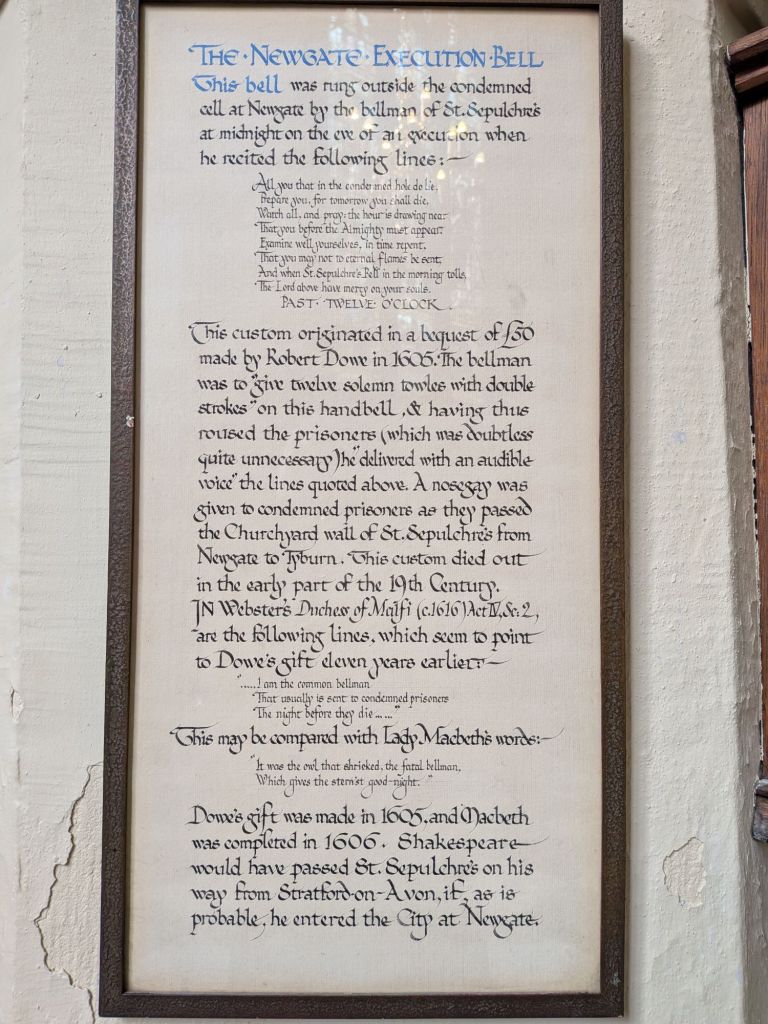
And so to a long list of other interesting sights, and a pause in a Victorian pub opposite the site of the dreaded Newgate Prison:

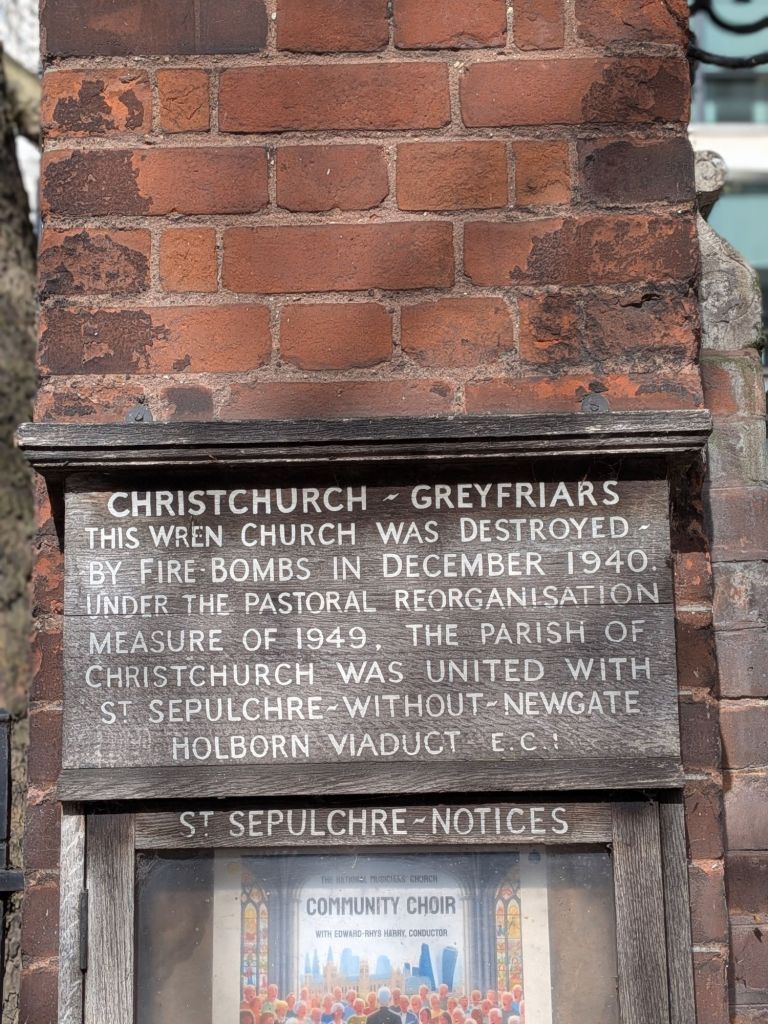
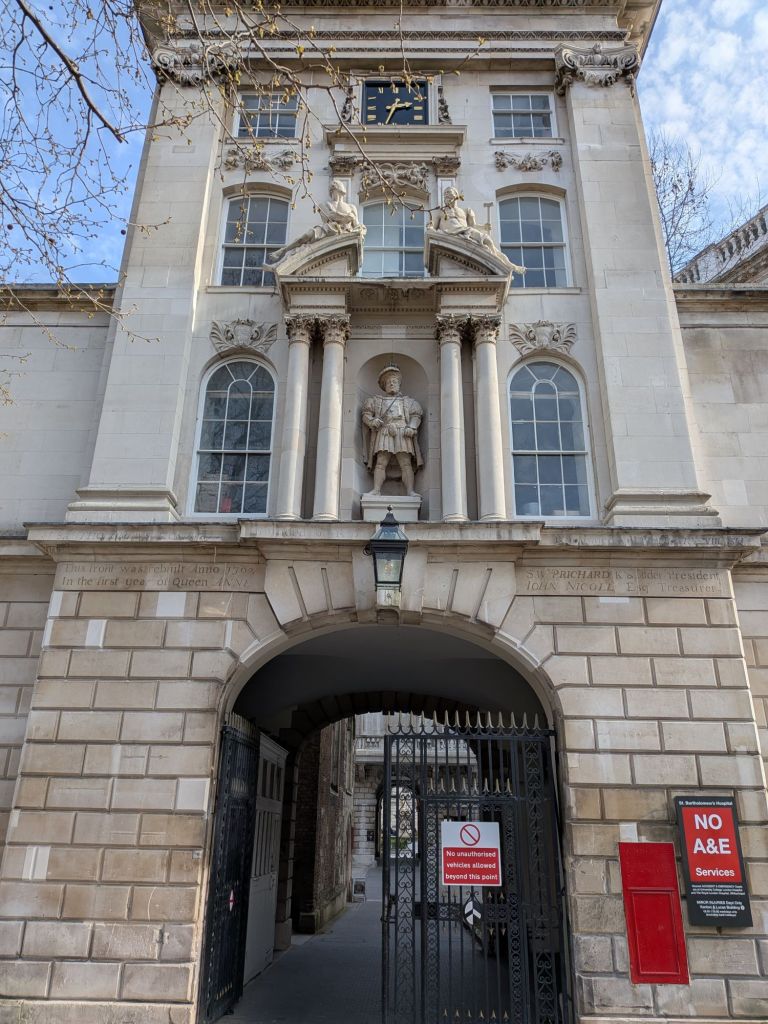
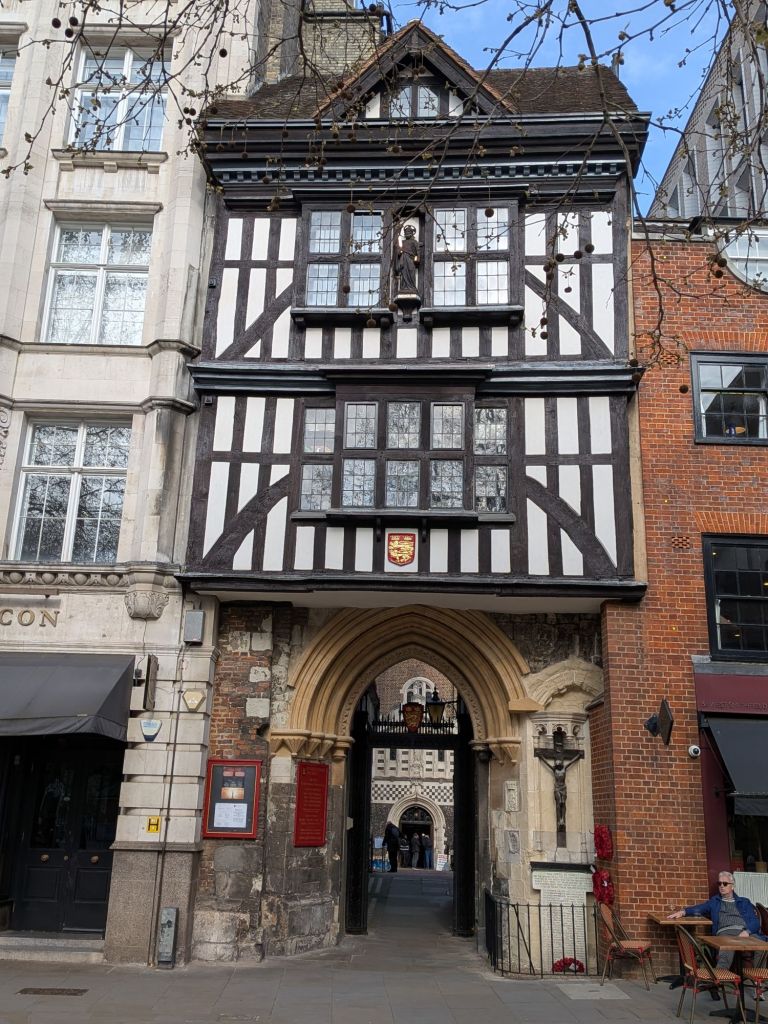
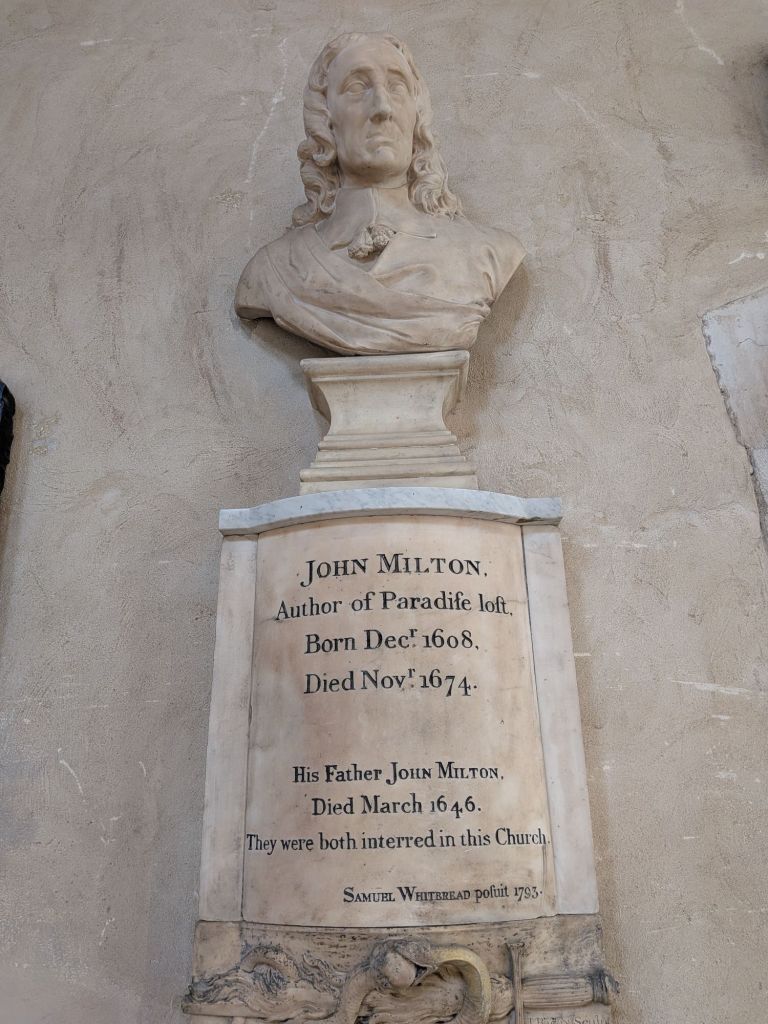
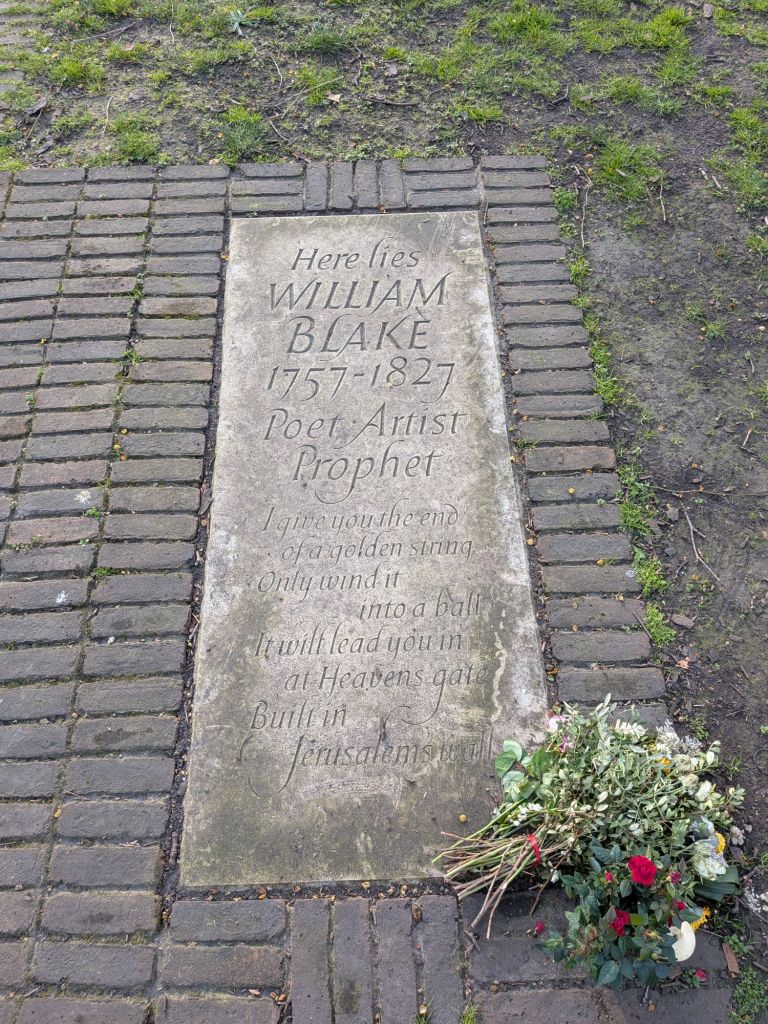
Fortified with a pint and a pie, and still only at about stop #20/53, we visited the church where Capt John Smith of Virginia / Pocahontas fame is buried, then St Bart’s hospital / Smithfield Market (presided over by the city’s only statue of Henry VIII, plus one of London’s only surviving Elizabethan buildings, from which Elizabeth I reputedly watched traitors being burned at the stake), Saint Giles Cripplegate (where Milton, Cromwell, etc. etc. are buried), and Bunhill Fields cemetery – originally and appropriately Bone Hill – which has been a graveyard for a thousand years and contains the graves of William Blake, Daniel Defoe, Thomas Bayes, and (they estimate) at least 120,000 other people.

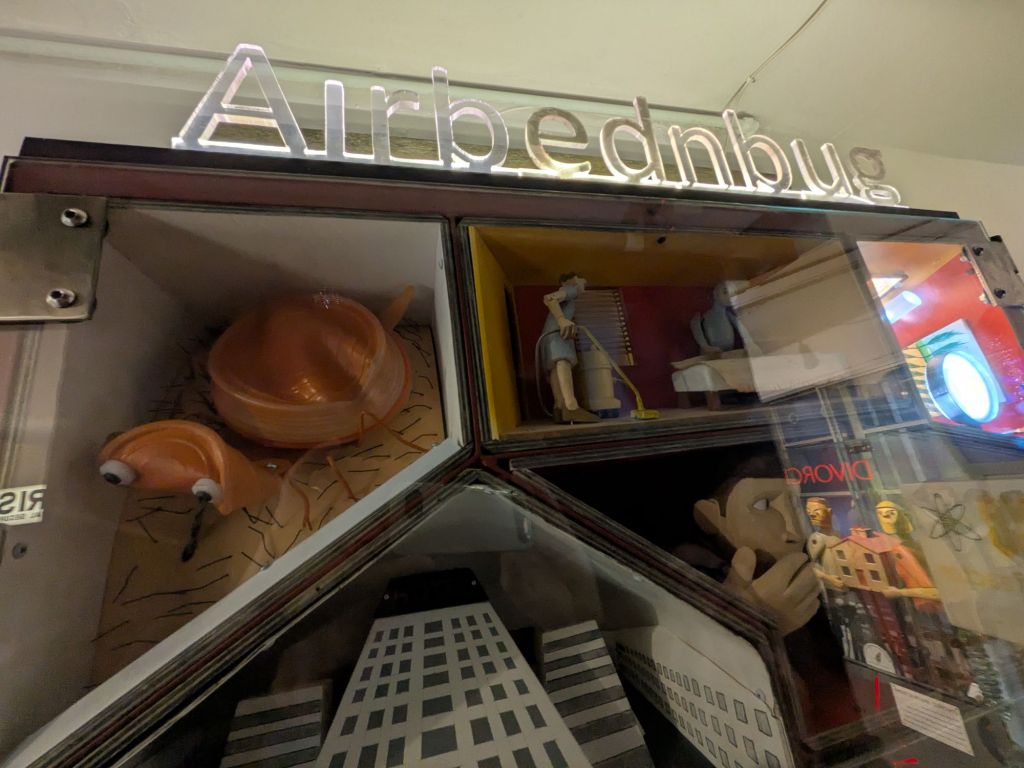
K here. A bit pressed for time, and possibly a bit history saturated, we stopped following the guided walk and headed to Novelty Automation, a collection of homemade satirical arcade games.

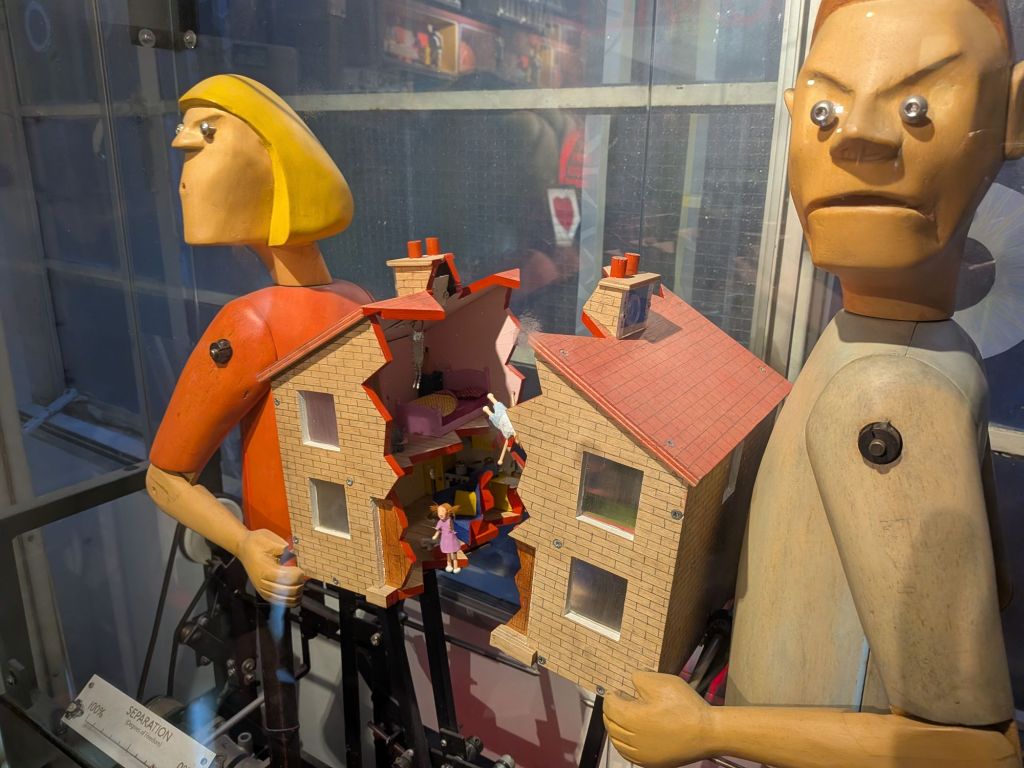
We played the Amazon Fulfilment Center game (drive your mini cart around to retrieve products within the alloted time, winner gets a zero hours contract) and tried a Divorce (crank your handle harder than your opponent until the partners split, tearing the house down the middle) and laughed ourselves silly following the adventures of the bed bugs in the “Airbednbug”  animatron.

R enjoyed the Auto Frisk

Then it was closing time, and dusk, and we sprinted from there across Primrose Hill to enjoy a delicious dinner prepared by John and Isabella. So good to catch up with them!

Art and lunch

Admiral Nelson supervising the tourists

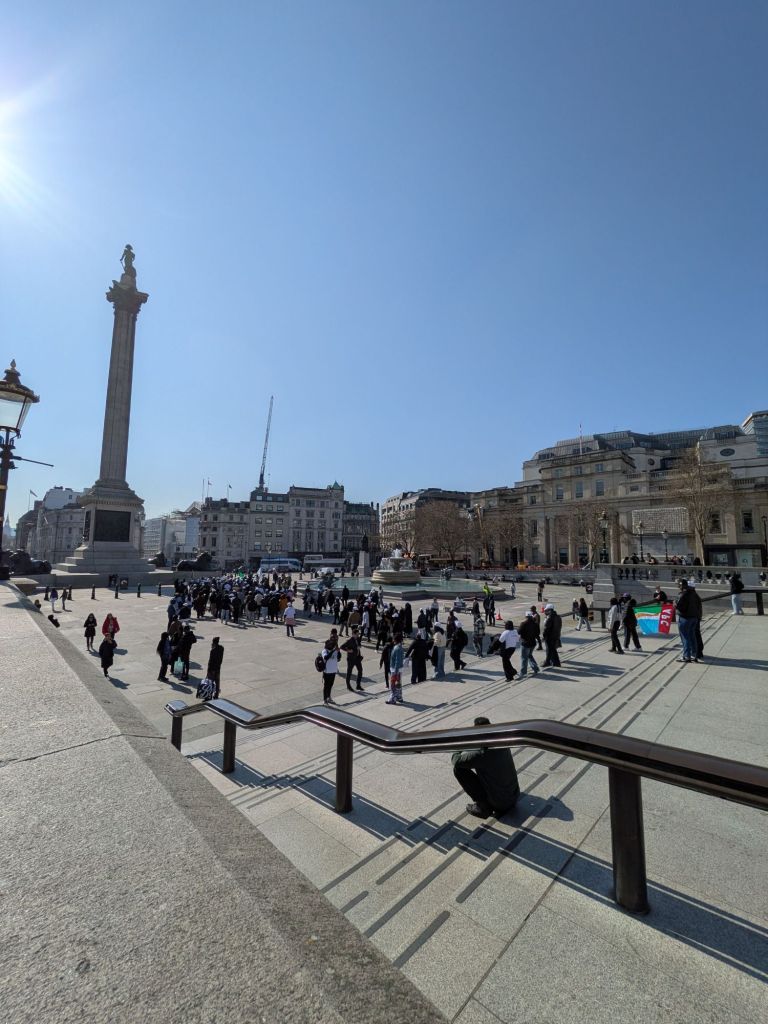
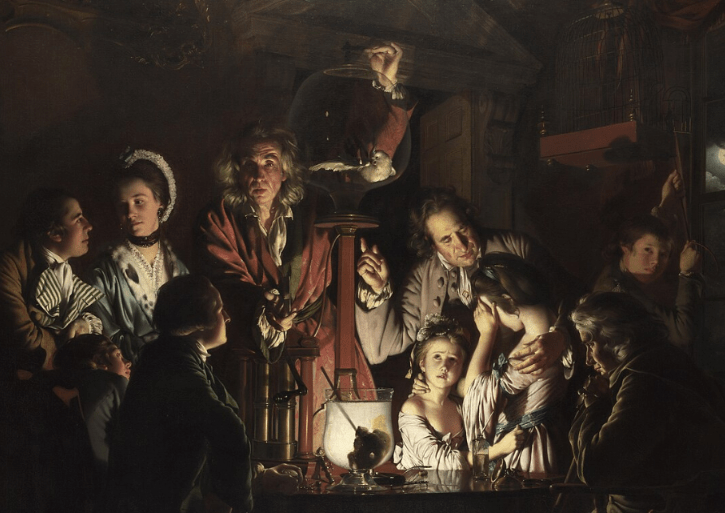
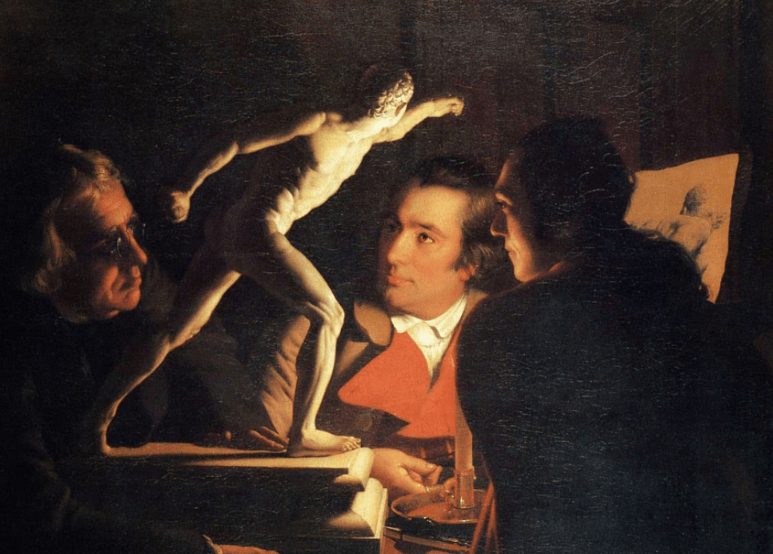
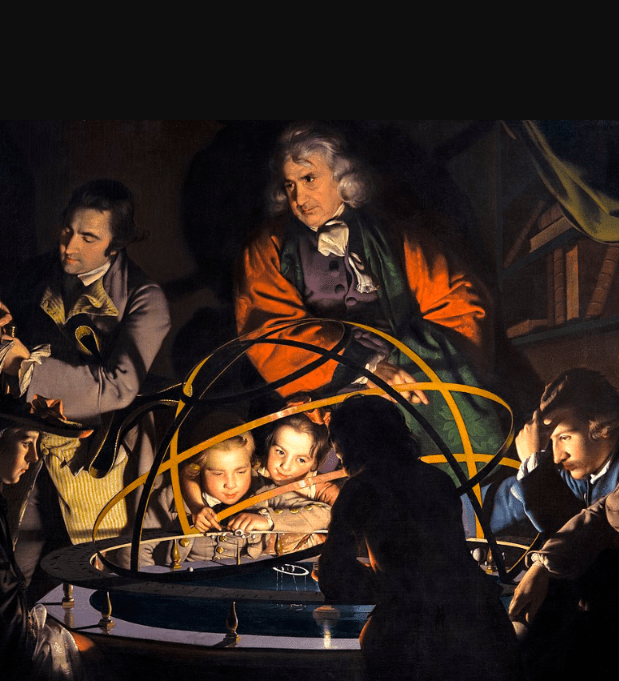
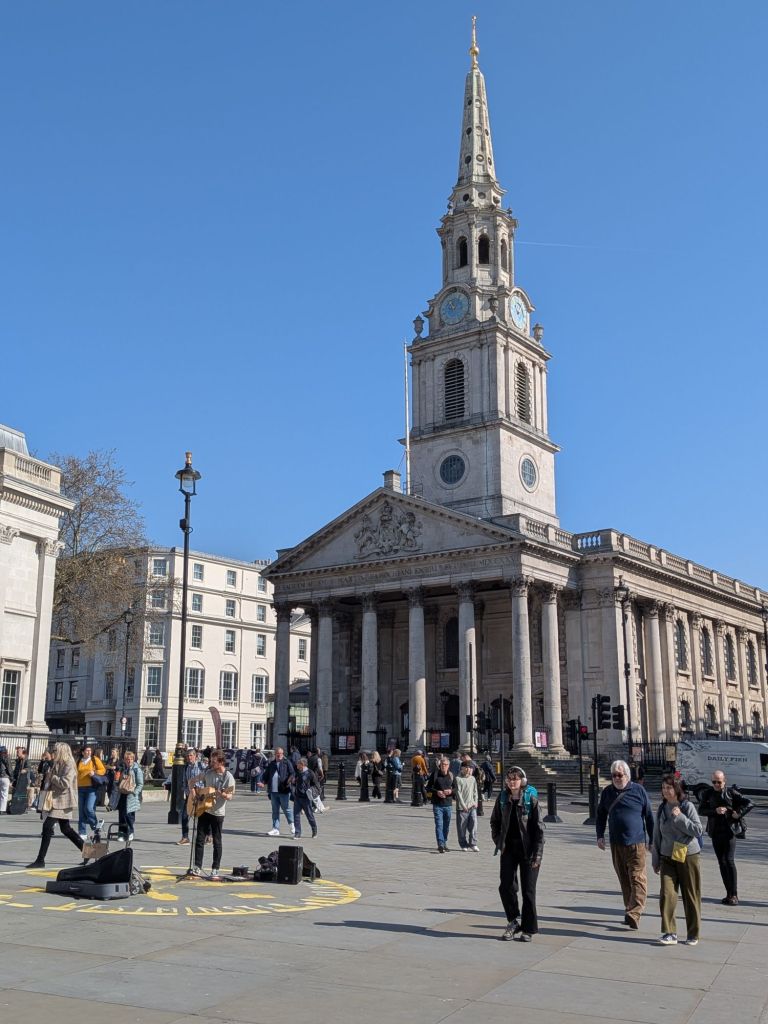
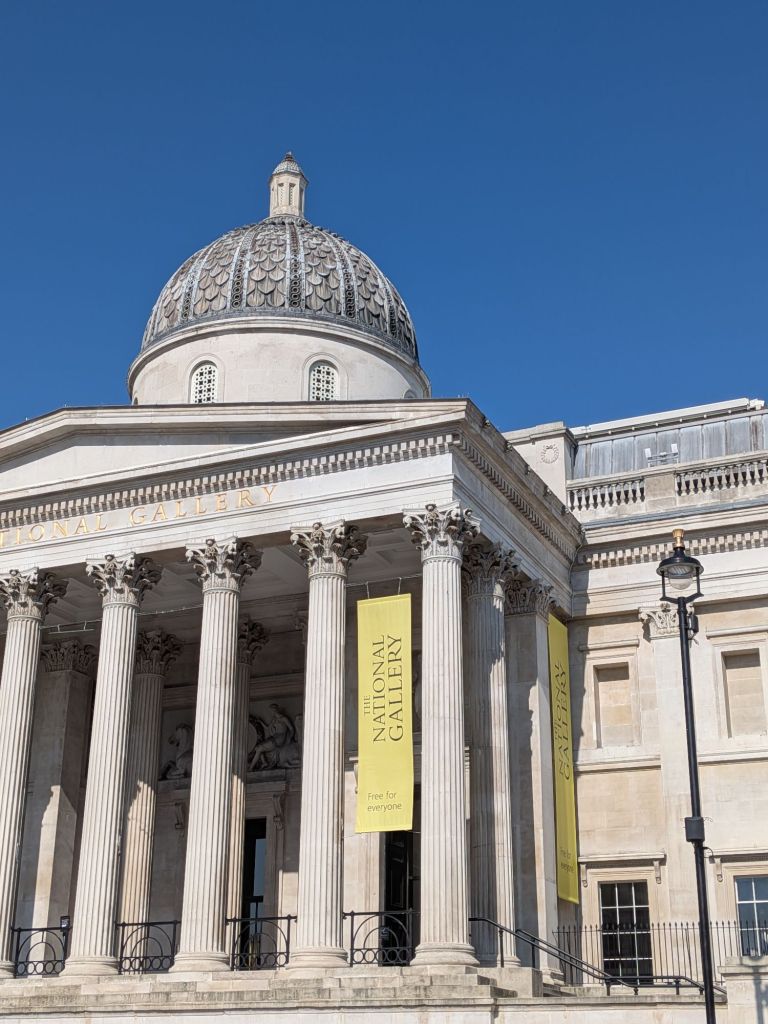
Another beautiful day. Weather in London every bit as nice as in Spain. I wore a suit (read on). Basked in sunshine in Trafalgar Square before going into the National Gallery to see an excellent small exhibition on the New Age of Science painter Joseph Wright of Derby (1734-97).

I didn’t take a single picture in the exhibit both because I was too busy looking and because, appropriately to the canvases, the lighting was very low, almost like candlelight. These are purloined from Wikipedia:

An amazing talent, the images so personal and dynamic. Interesting stuff on “tenebrism” and his debt to Caravaggio. Also on display were an air pump and an orrery of exactly the right date; they looked as if they’d been picked directly from the paintings.

As the blurbs rightly said, Wright is obsessed with hidden sources of illumination and his paintings are all about looking at looking – we’re catching people in the act of noticing, questioning, discovering.

Afterwards Clarissa took us to a lovely and indulgent lunch five minutes away at her club, the Athenaeum, which has a strict dress code, hence the suit.

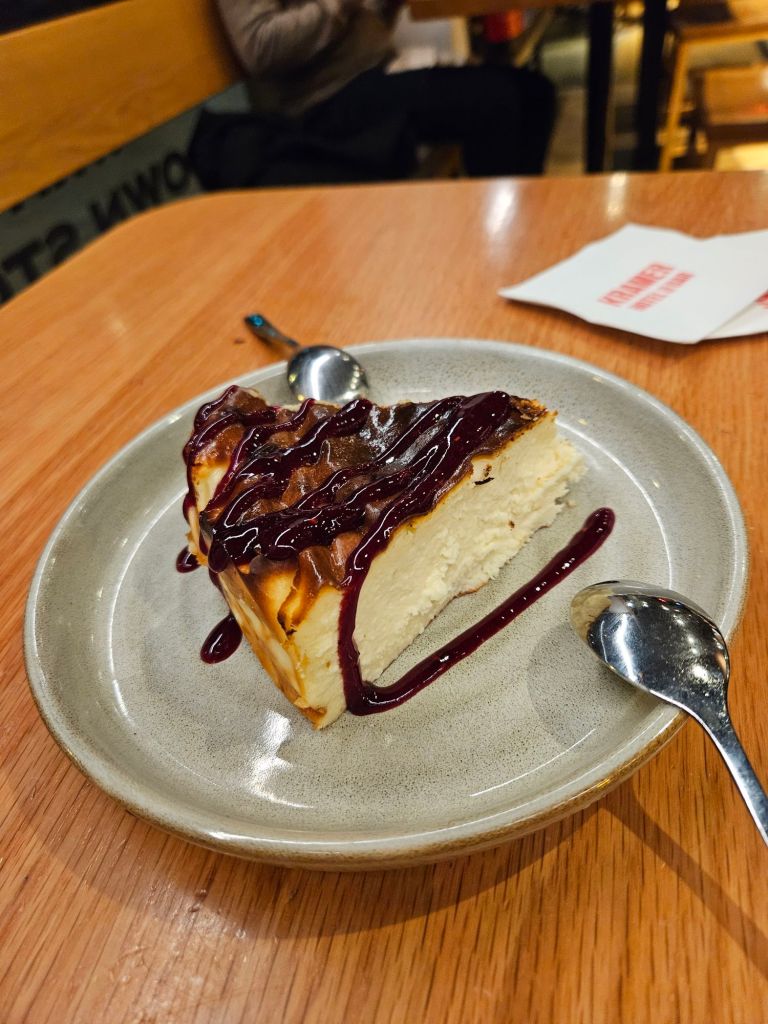
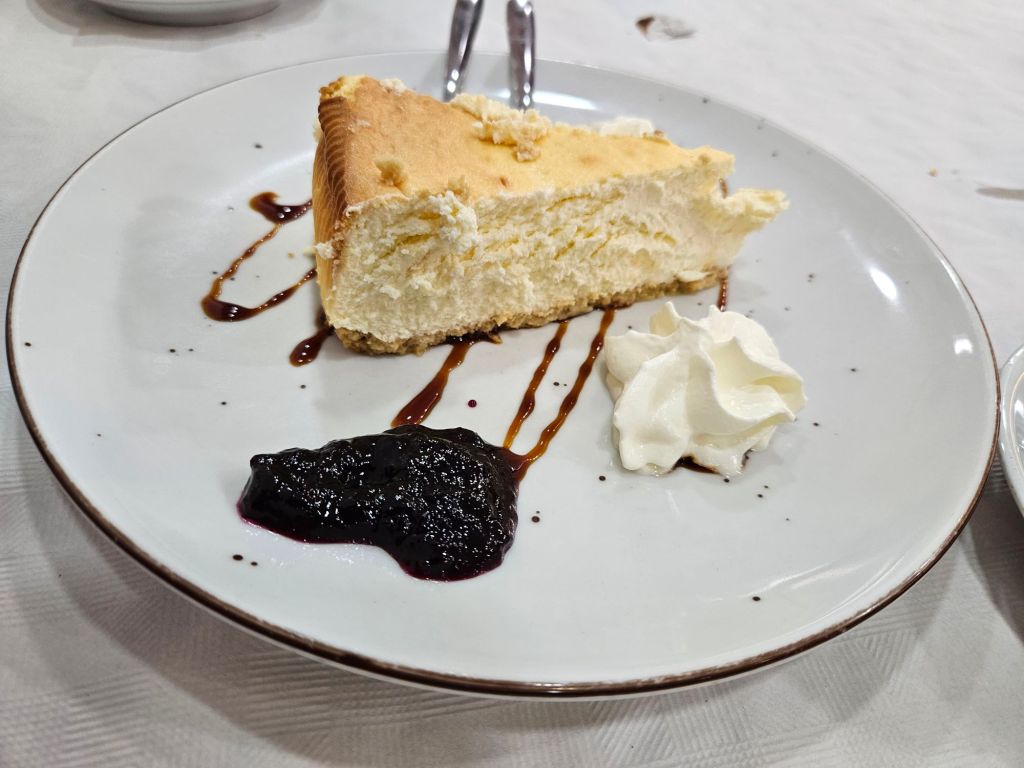
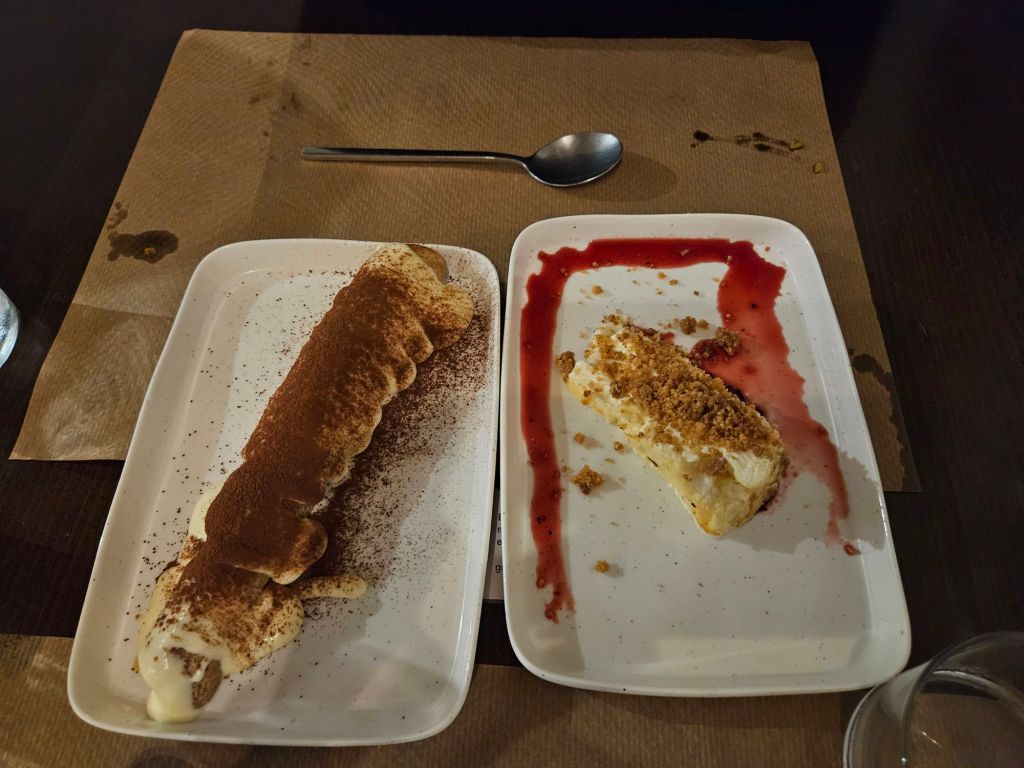
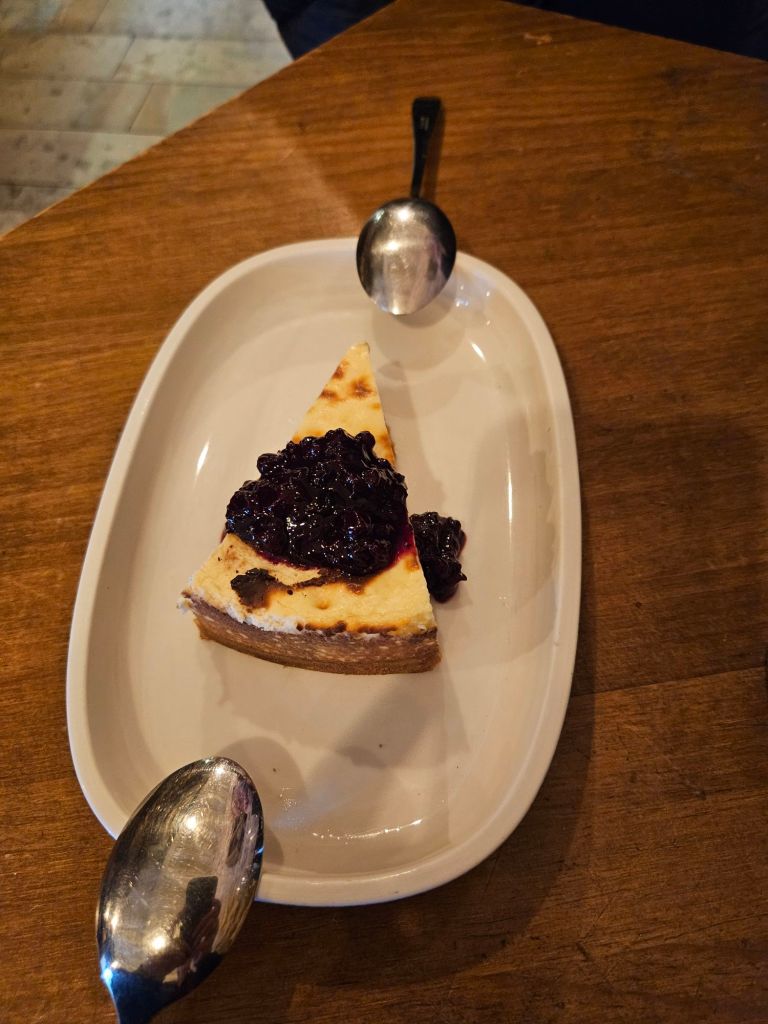
Theology of tarta de queso

I am a passionate devotee in the cult of cheesecake. So are the Spanish. But I’m not yet wholly persuaded by their doctrines and practices. 

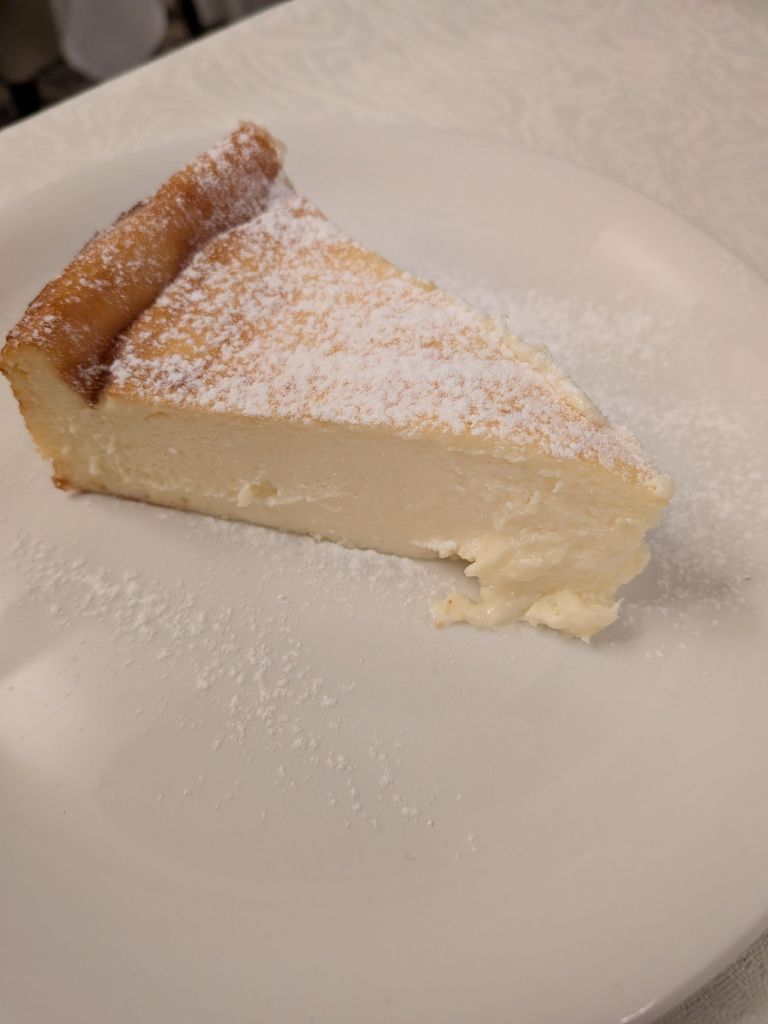
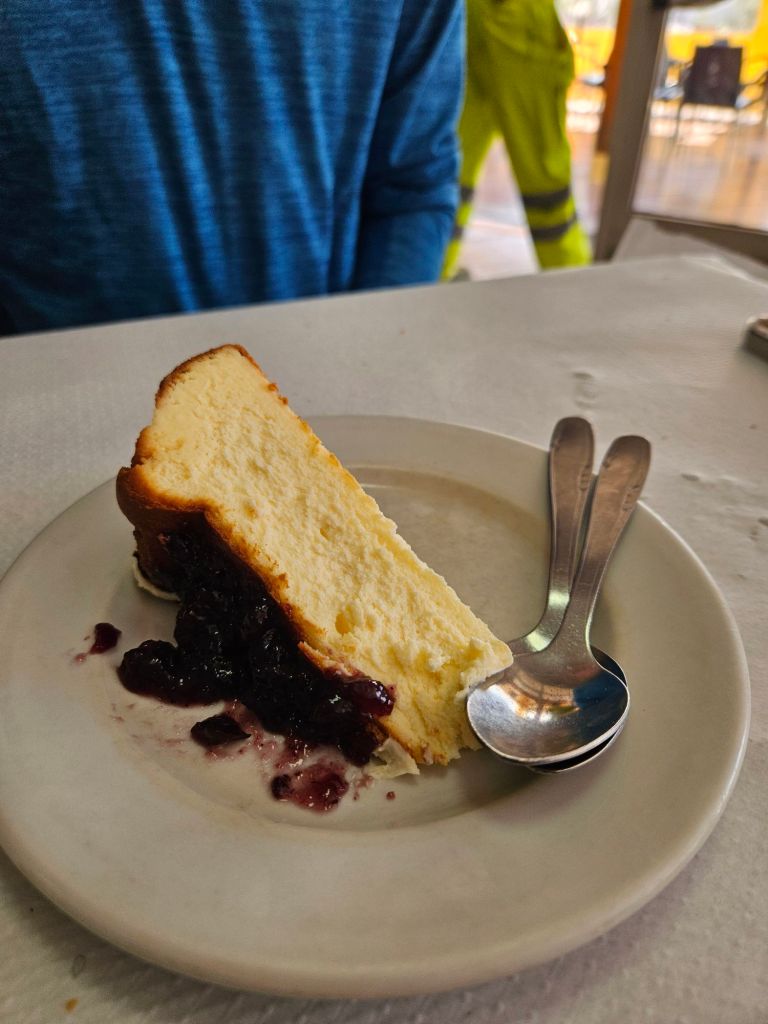
Above is an example where, IMHO, you can tell just by looking that the texture is going to be gummy. I had another – perhaps similar looking to the naive lay brother or sister – that I could tell was going to feel too wet, too light, too like whipped cream.

OTOH, I granted both these some forgiveness for avoiding the two great sins of most cheap restaurant cheesecake (and indeed, much expensive restaurant cheesecake) – being overcooked and rubbery, and/or being too sweet, and/or disguising a deep spiritual emptiness under a lava of sweetened fruit.

Some denominations here anoint the cheesecake with a lurid green sauce made from pistachios. At first I thought this was a bit like pouring tinned cherries on top. (See above; get thee behind me, Satan!) But I concede that the pistachios might be worth considering – unfortunately I have not yet had the chance to try this.

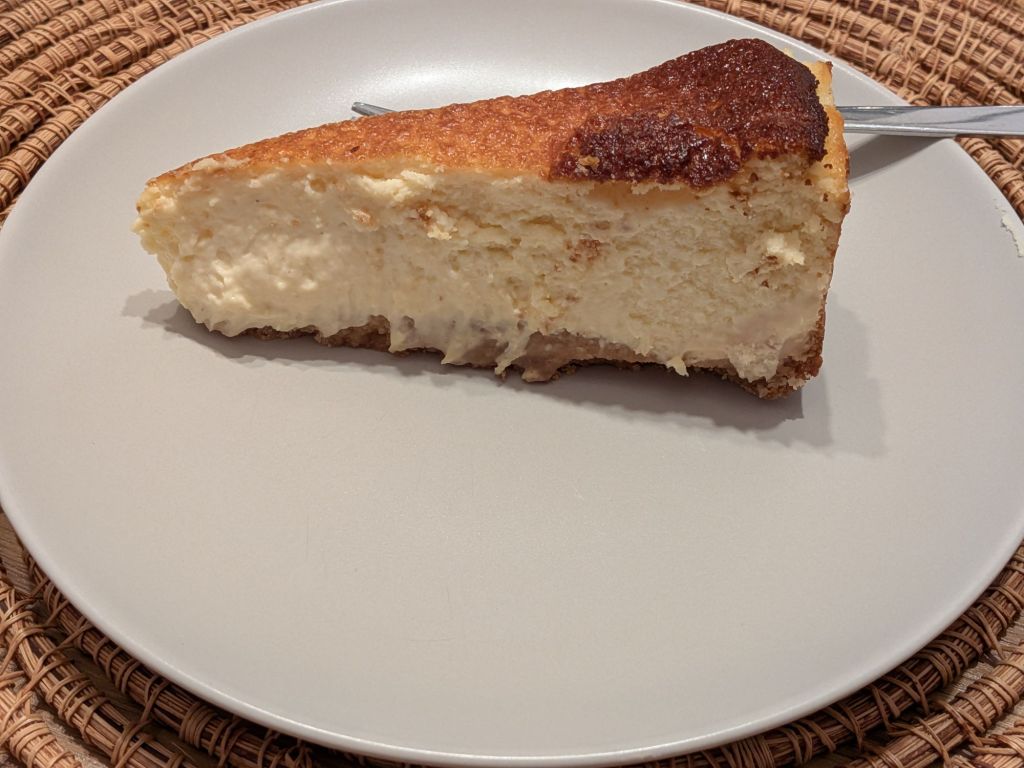
The Spanish seem agnostic on the crust / not crust question. By upbringing and habit I should find this shocking, being a crustafarian through and through. But to my own surprise I feel pretty tolerant and ecumenical about this. No crust is merely unorthodox, whereas a soggy one should be excommunicated.

On the key matter of consistency, I have always been a strict follower of US doctrine, according to which you must cook the cake very slowly in a water bath. (Otherwise the outside overcooks by the time the middle is set.) Heretically, the Catalunyans sometimes cook theirs faster, and until the outside is barely set, so that when you cut a “slice” the inside collapses in a thick pool across the plate. This is not wholly  unpersuasive – I might yet convert – though it doesn’t always work.

What I’ve yet to experience here is the sublime, indefinable, ineffable, transcendentally perfect structure and mouth feel you can expect from the most exalted cheesecake in New York – or my kitchen.

I will continue the search with an open mind, an open heart, and a stomach growling in anticipation as usual.

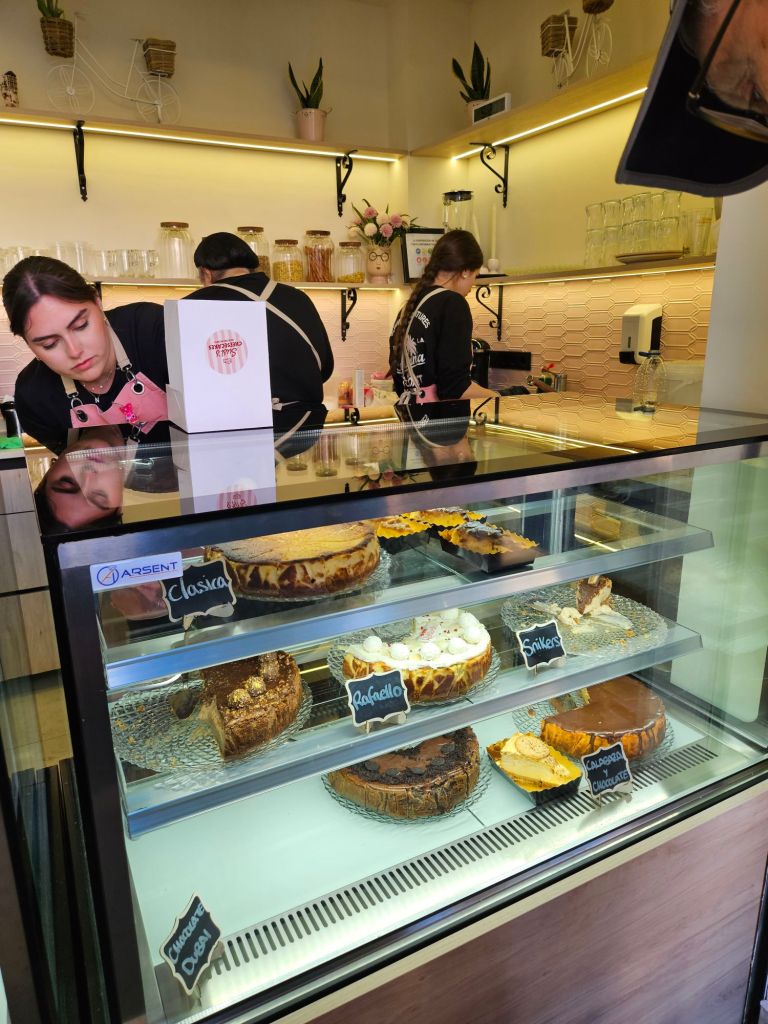
Possibly my best trozo (slice) so far. Or possibly just the one that sat best with my existing prejudices. It came from the shop below, in Gandía, with many other varieties alas untried:
Notice that one flavor is Snikers

Some others candidates here – ¡Qué aproveche!

K here. Just want to note that in Spain one can a) get a punch card at a cheesecake shop so your 10th slice is free and b) in the markets, many places sell cheesecake not by the slice but by the kilo.

Abandoned buildings

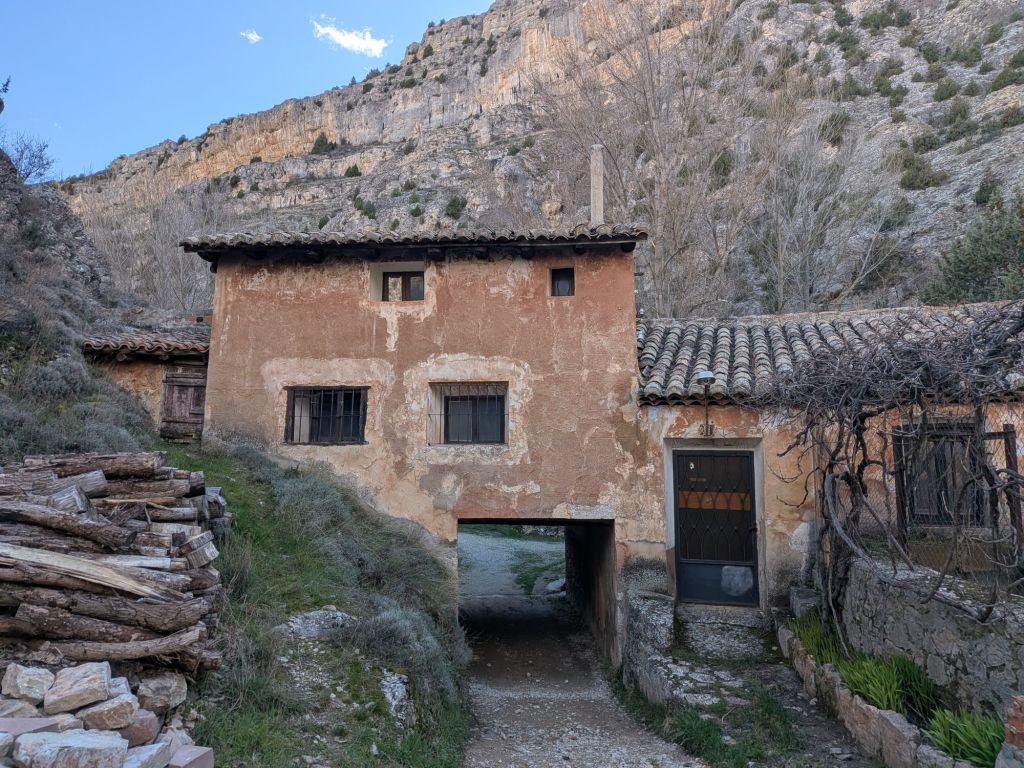
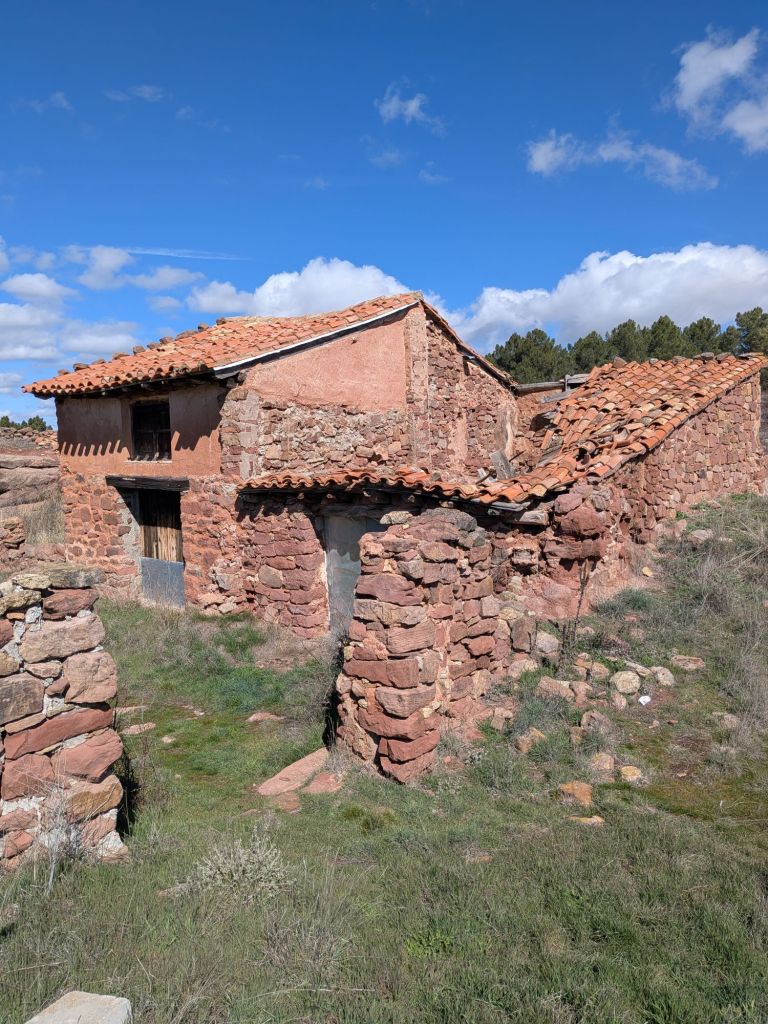
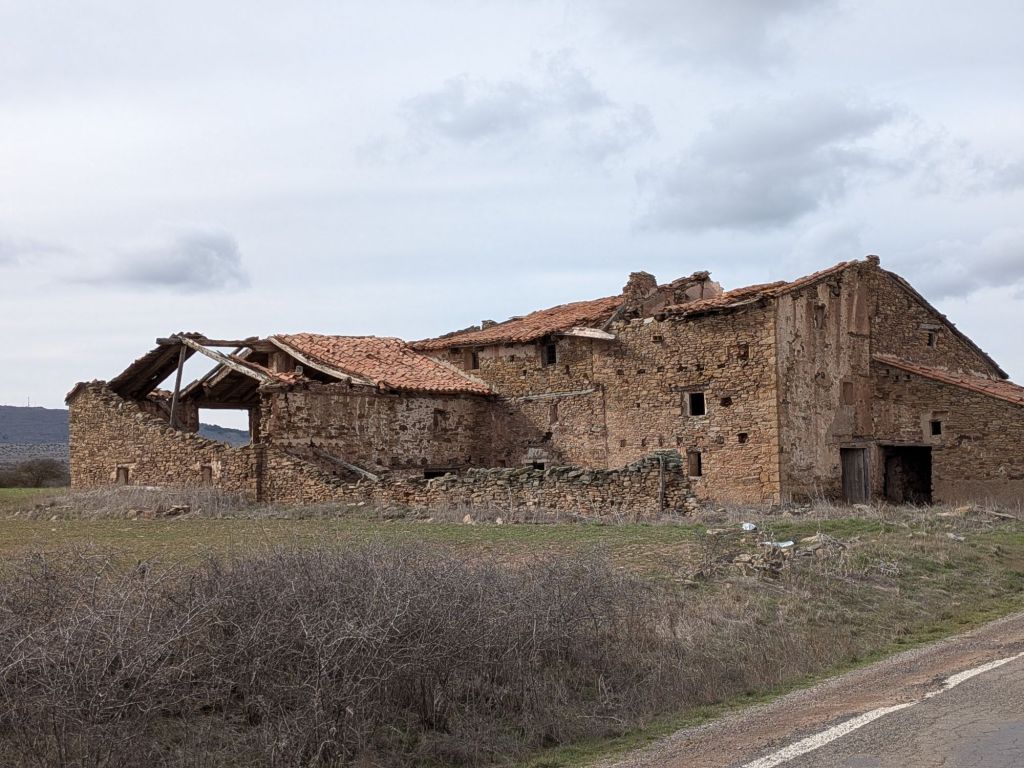
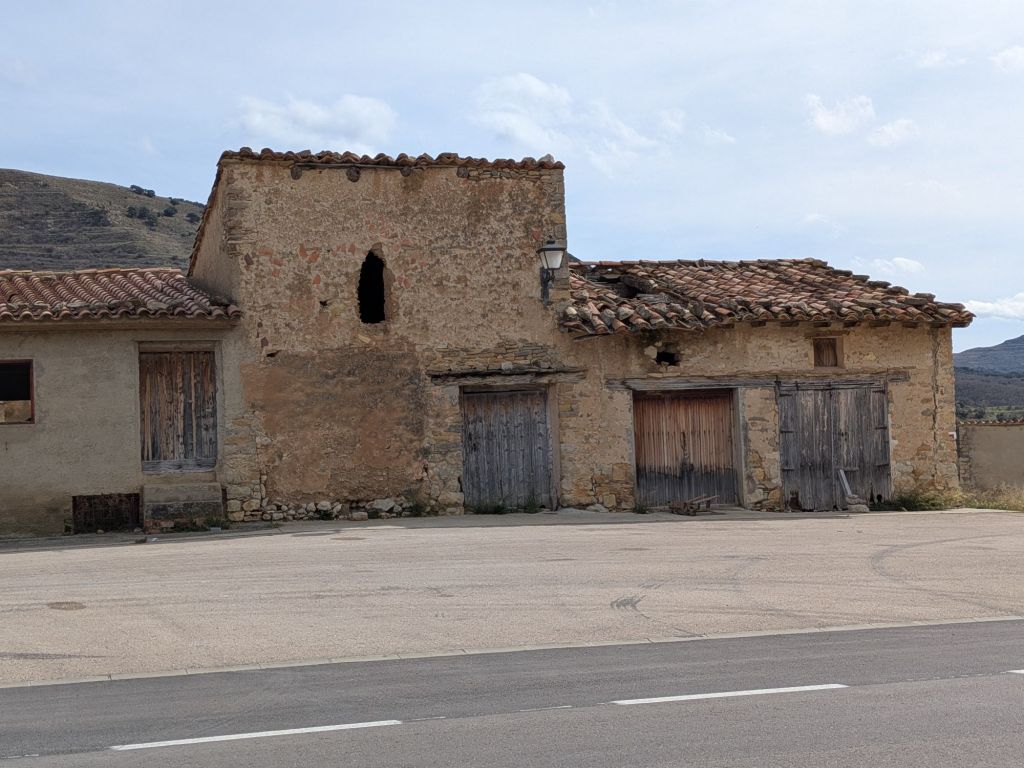
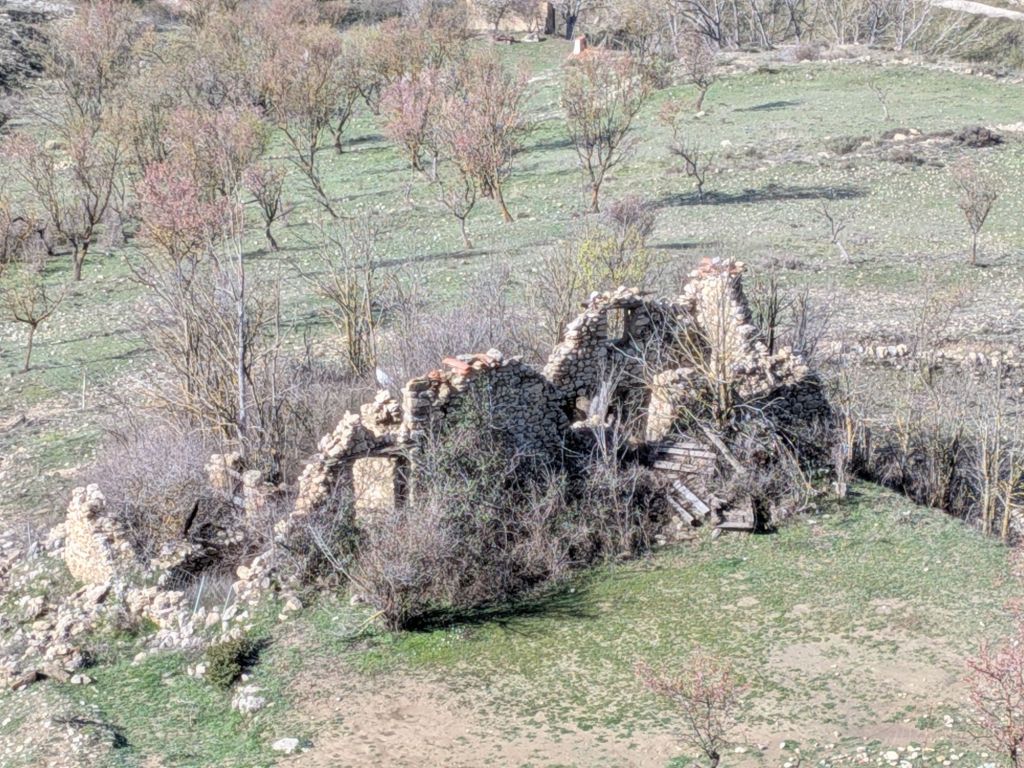
Roman stadia and Muslim walls aside, they cover the landscape here in extraordinary profusion – witness, I assume, to Spain’s continuing rural depopulation:

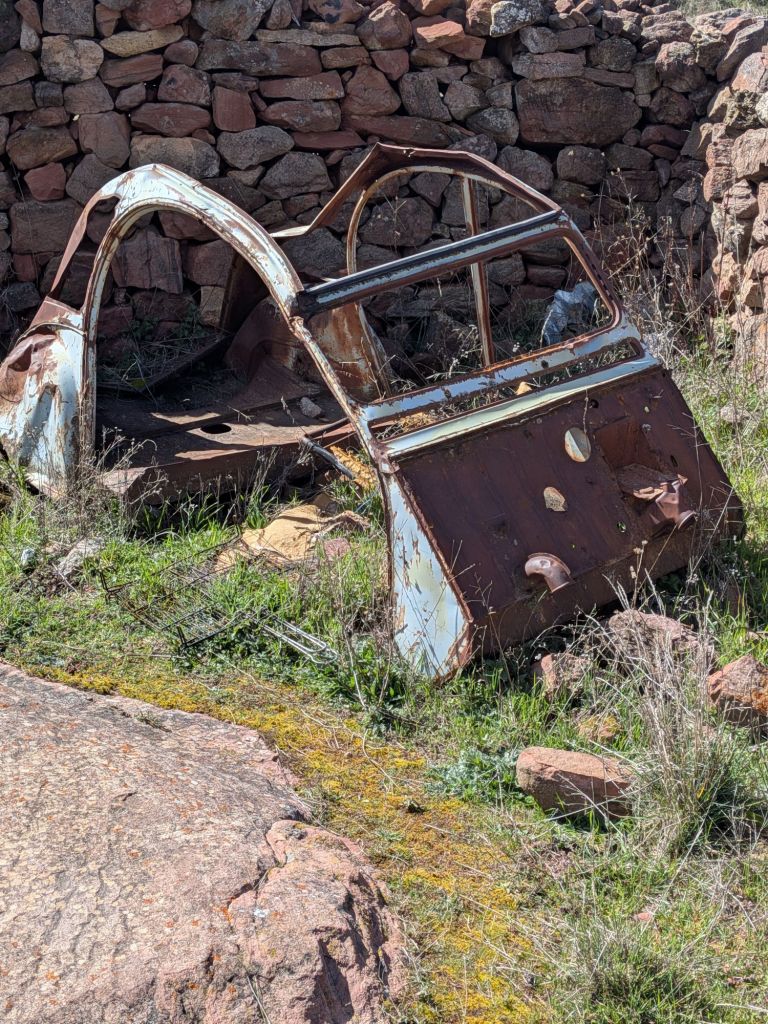
Inside one of them was this skeletal remnant of a Citroen Diane:

We’ve only seen at a distance one entire abandoned village (or so it appeared to be, though there was smoke rising from somewhere). But there are supposedly quite a few in this area. And there’s a very clear economic distinction between some obviously poor, eerily almost-empty communities we passed through and those that, because of architecture or location, have managed to make something of a devil’s bargain with the money of tourists like us.

I wish I had the Spanish to engage people in real conversation about these issues, instead of getting it only roughly right when asking for directions.

Sun, sand, puffy jackets

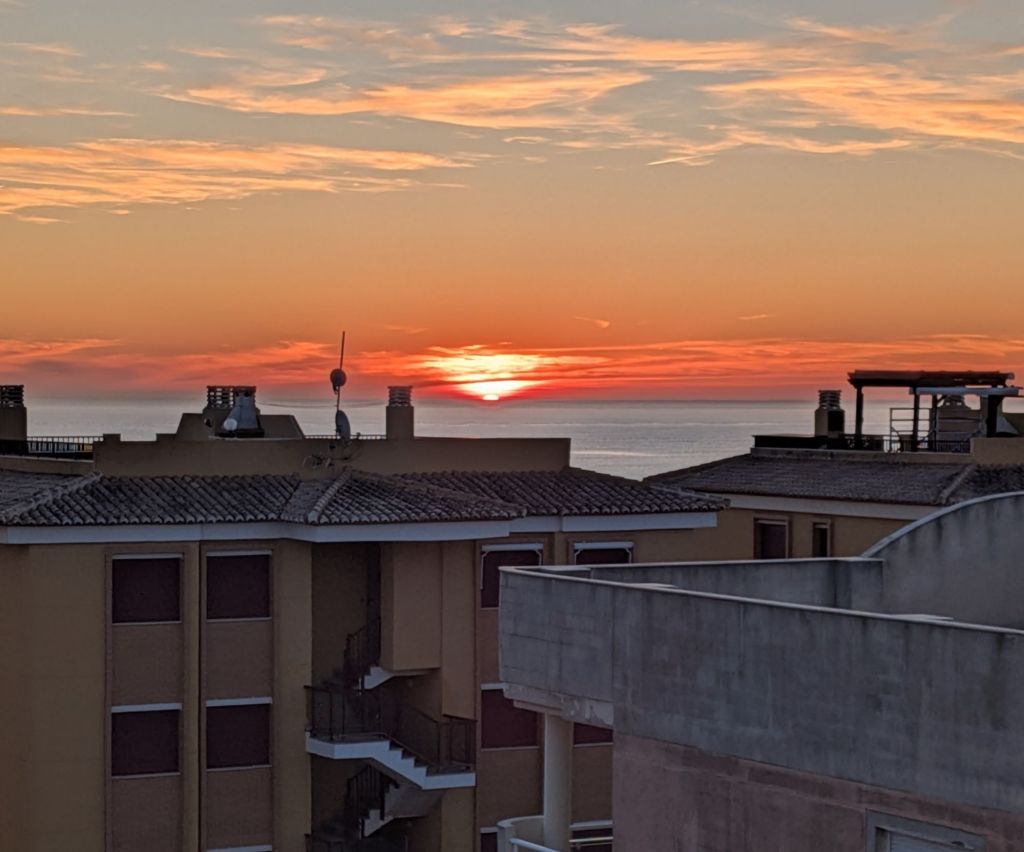
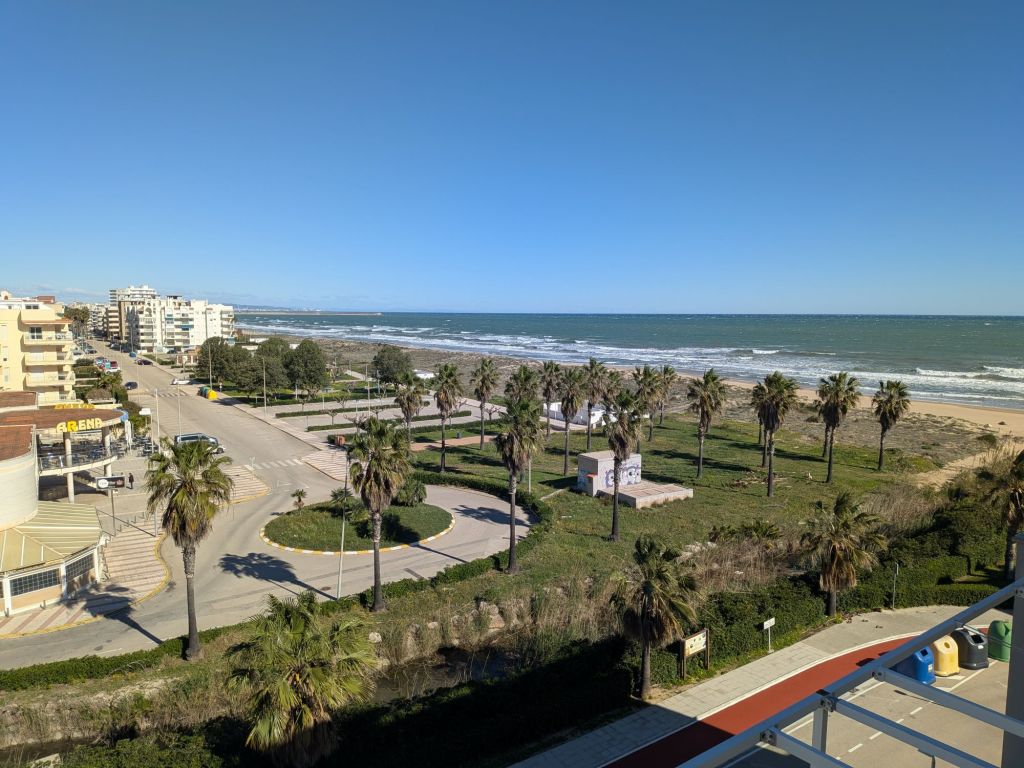
View from our apartment

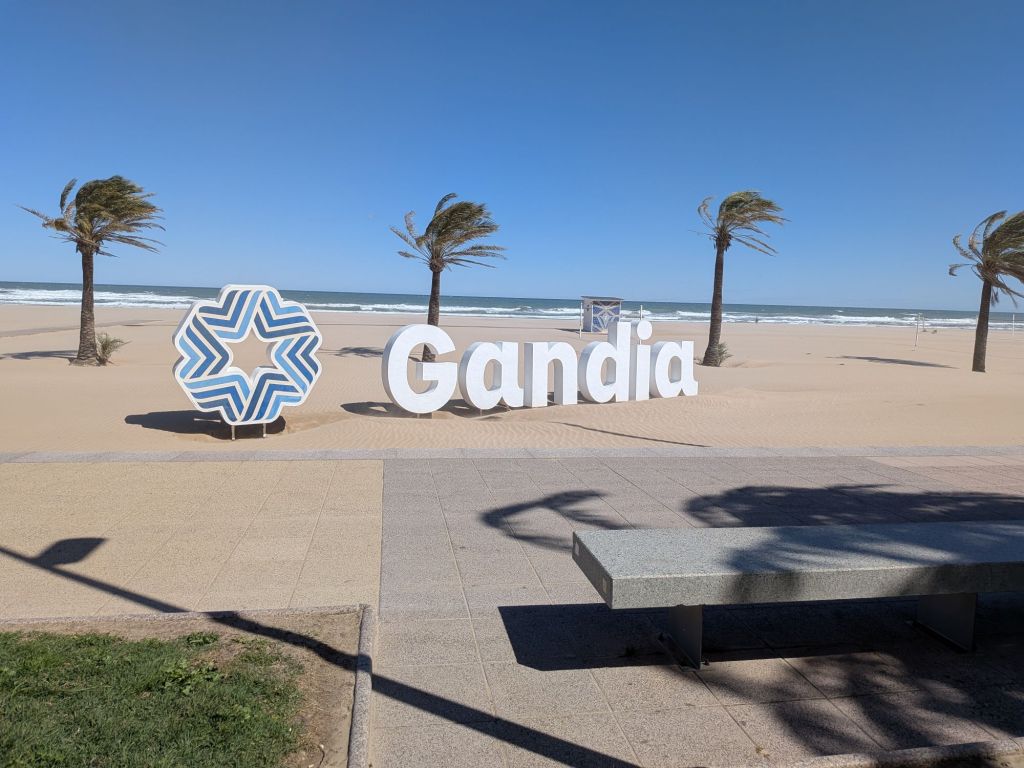
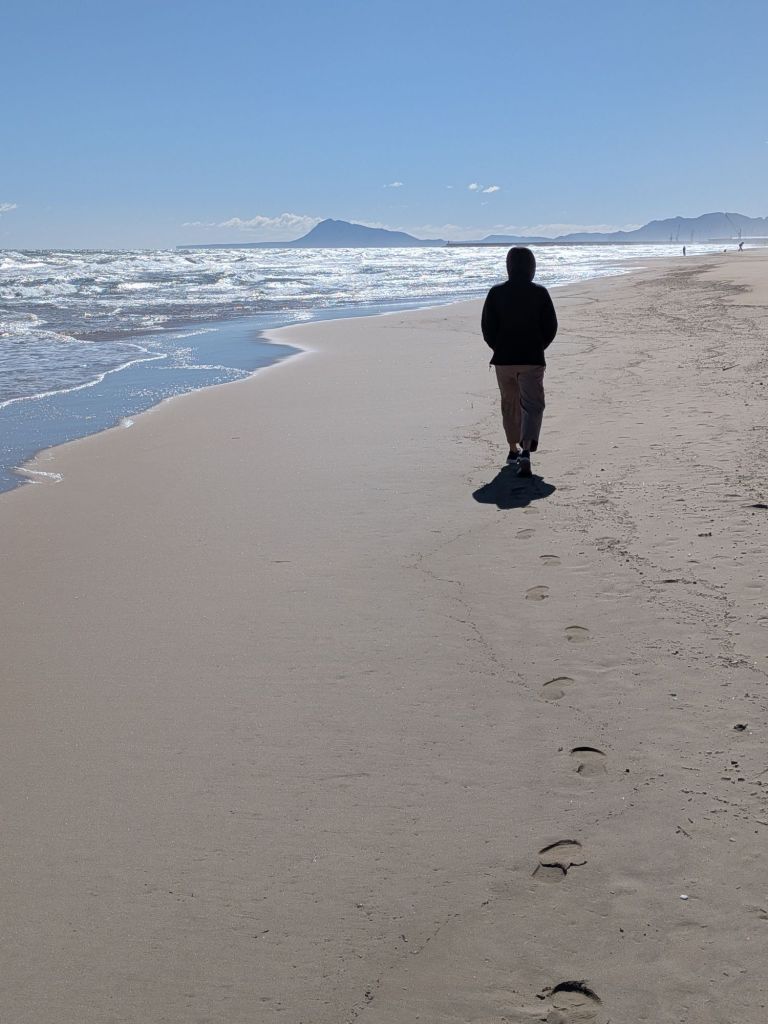
Woke up to sunshine, but the howling wind we’d heard during the night hadn’t moderated. Hence the strange paradox of a walk down a beautiful but all but deserted beach, shoved on from behind and wishing our down layers were a bit thicker.

We found some protection out on the long stone breakwater where the Gandía ferries leave for Ibiza; in the lee of it, we sat on a bench and watched terns diving and dining.

Back north into the wind proved a real challenge and we were glad to retreat into a restaurant for very authentic, er, pizza and beer.

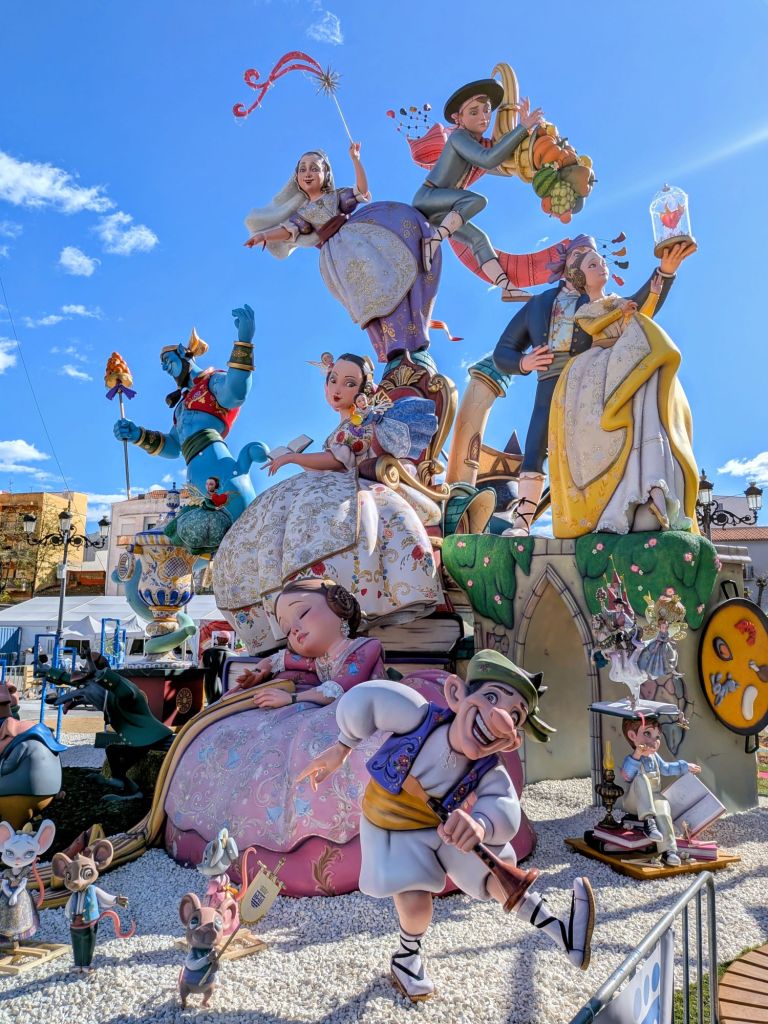
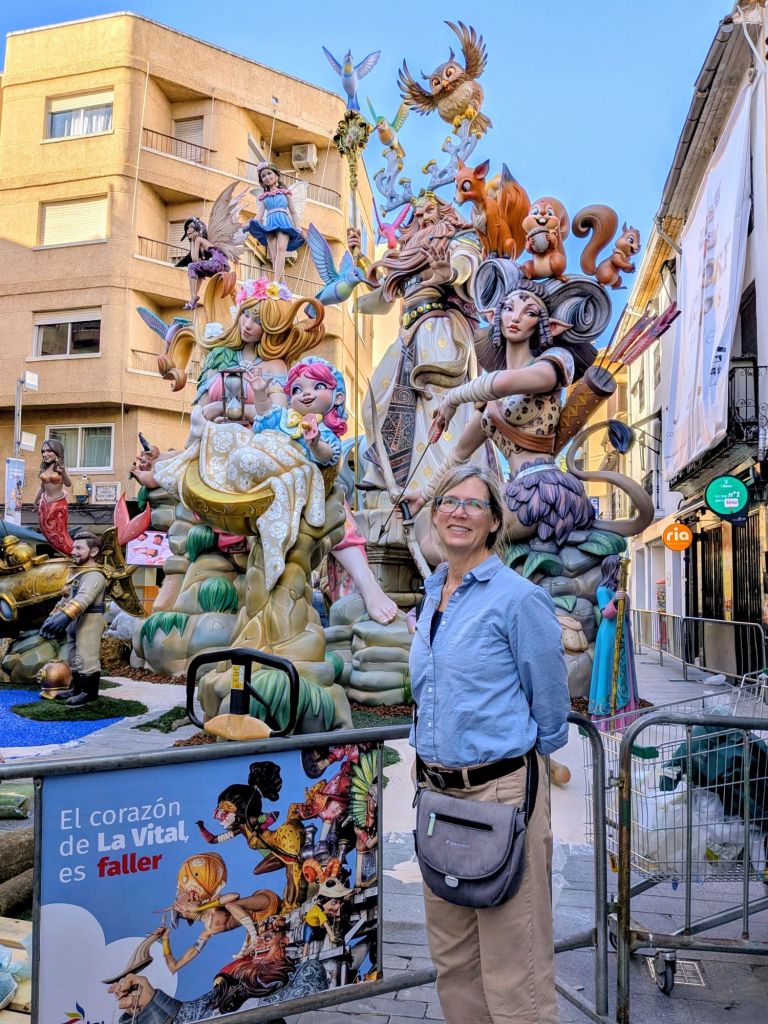
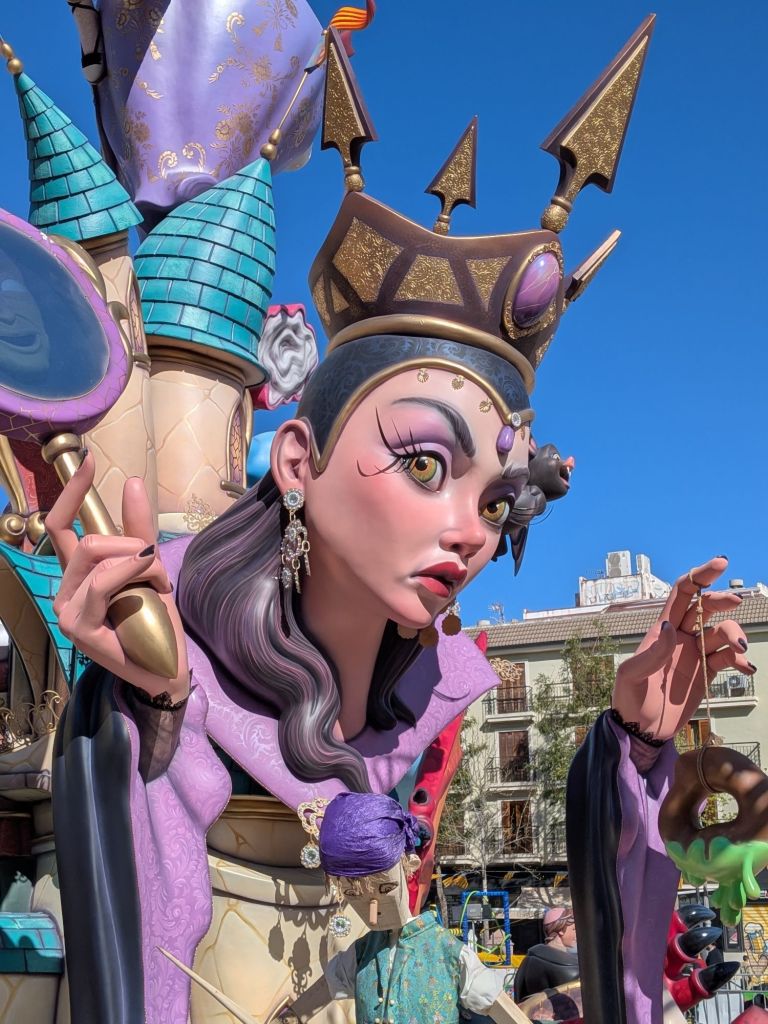
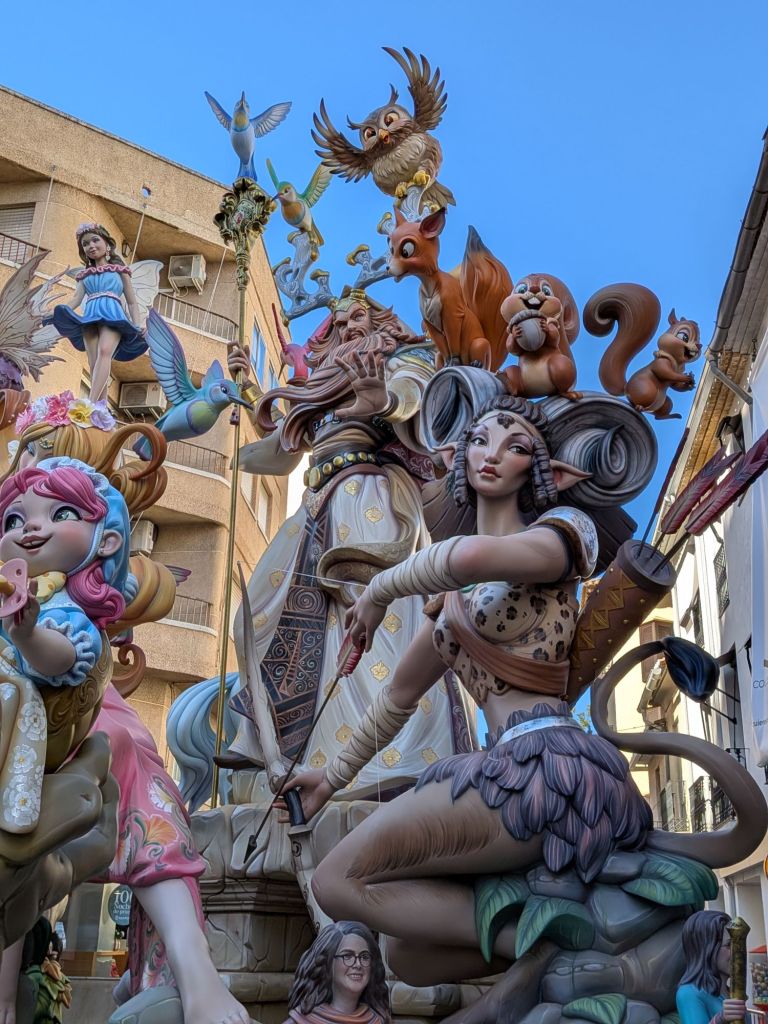
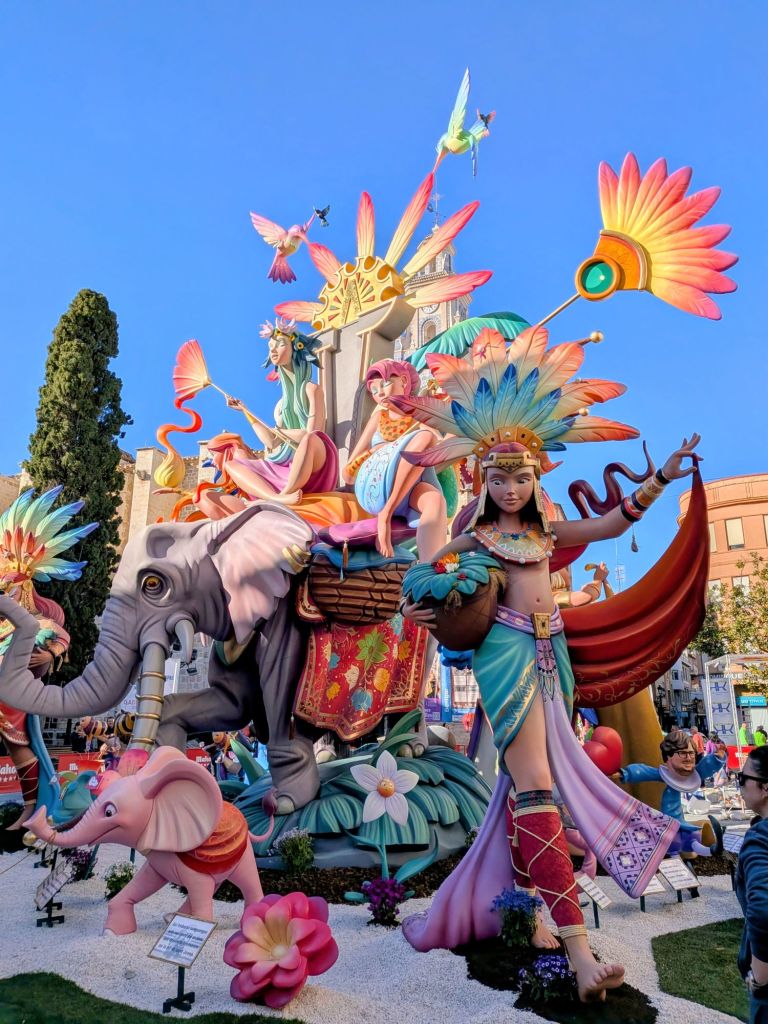
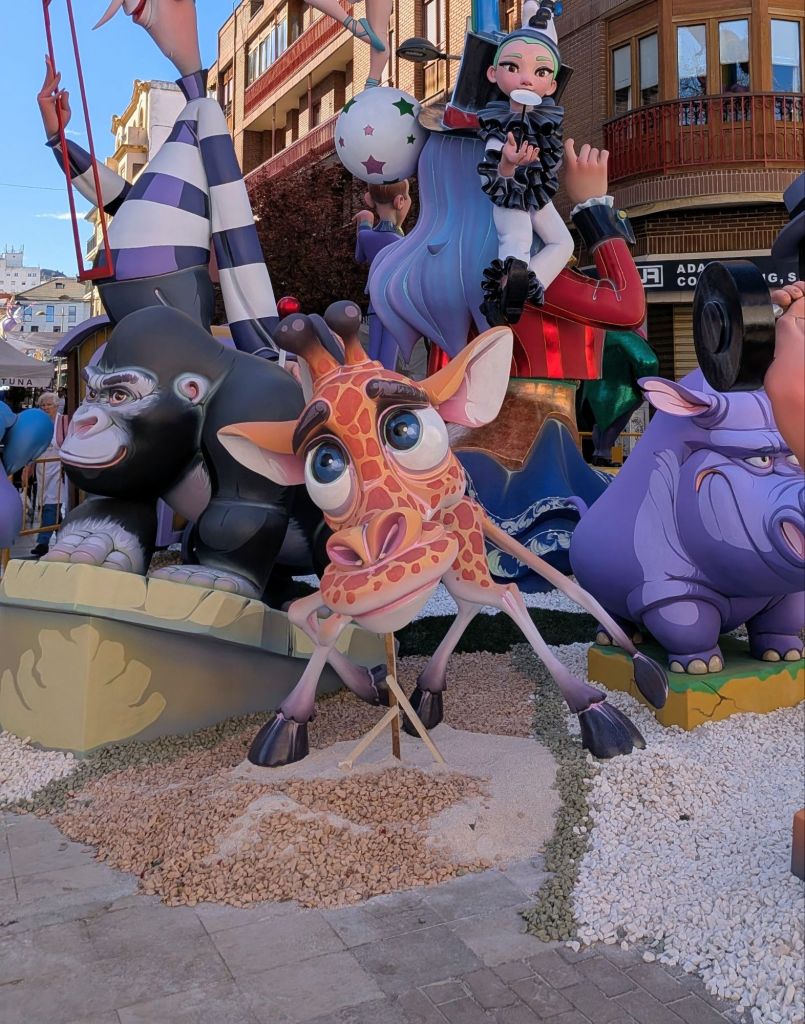
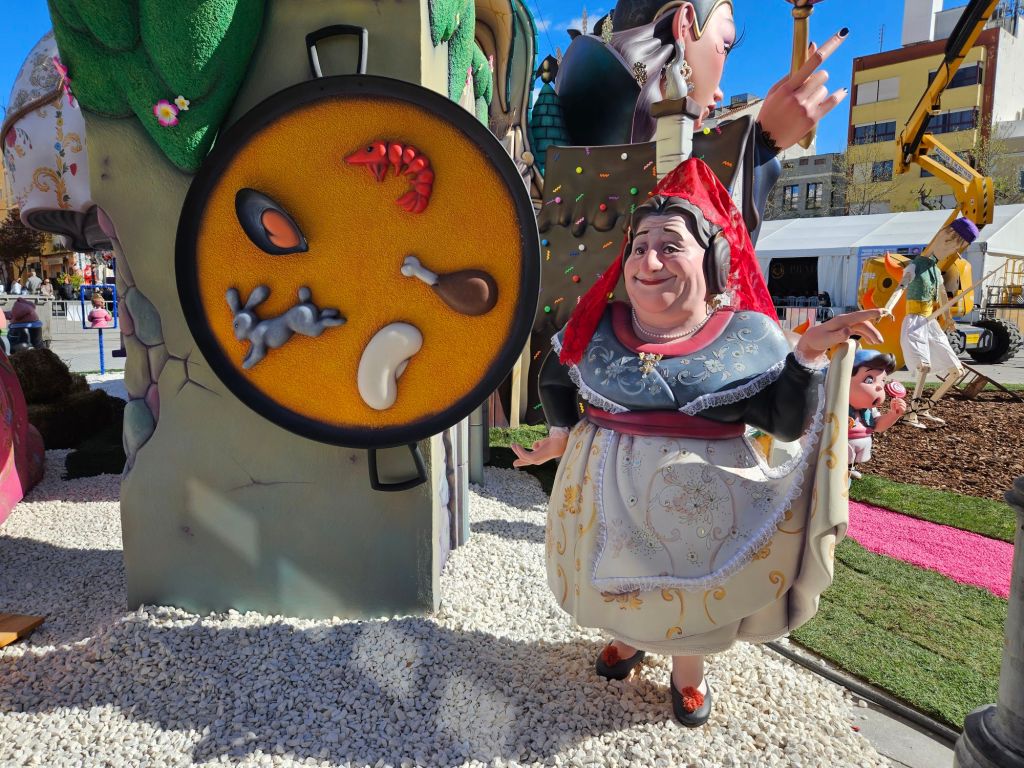
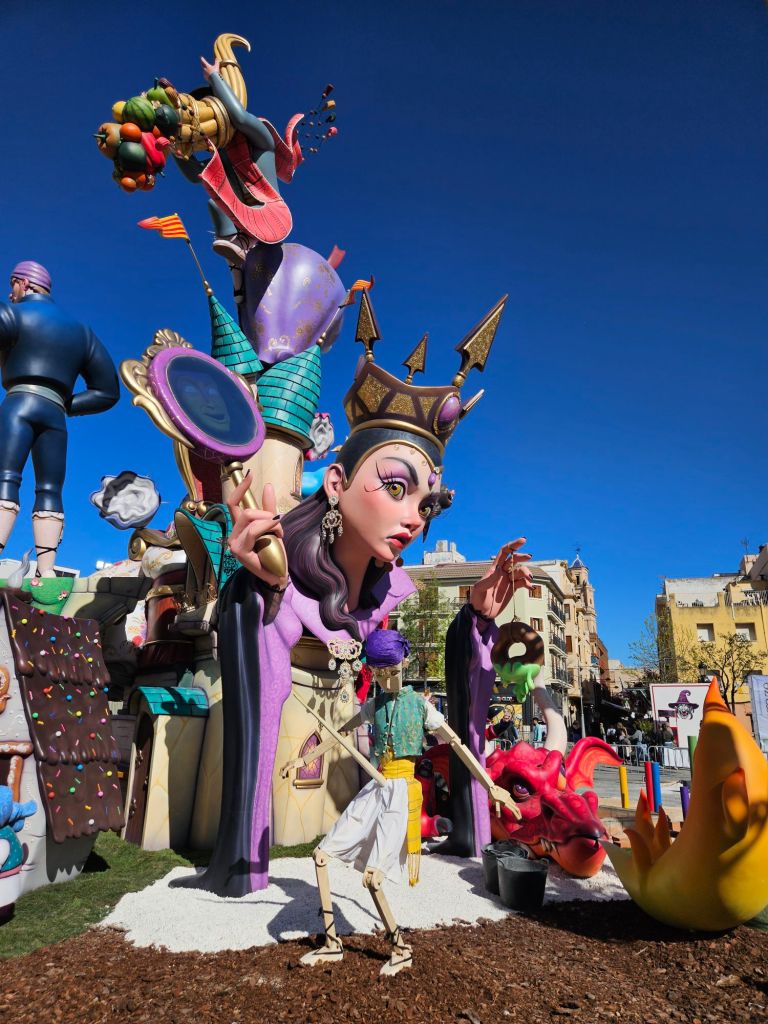
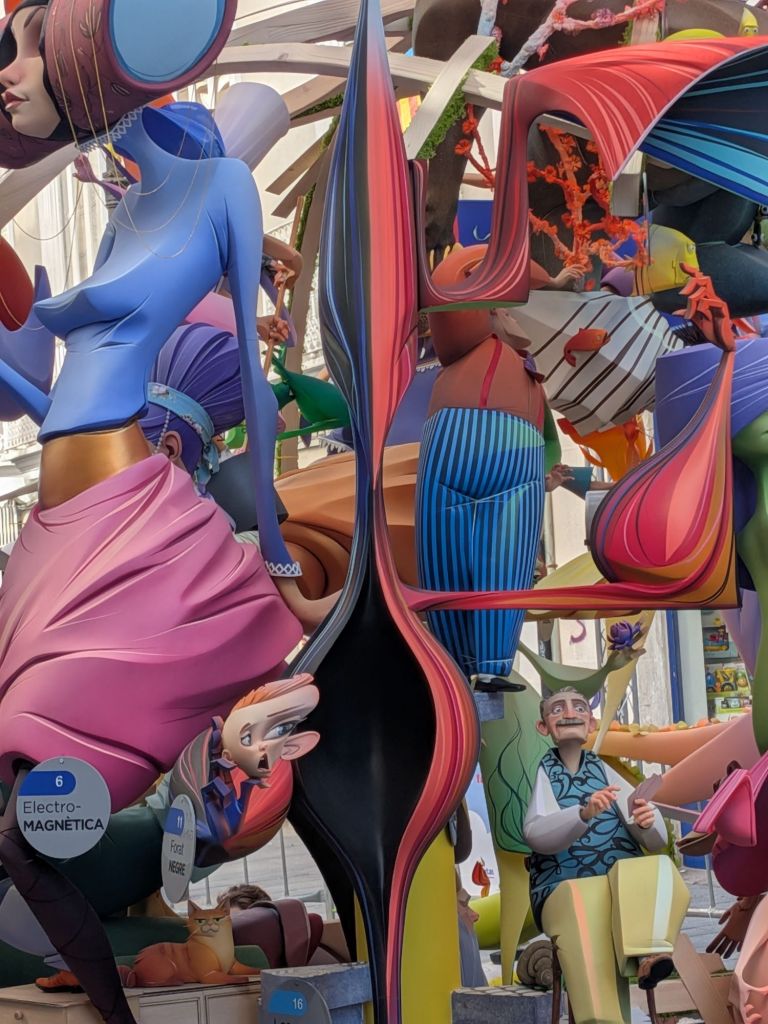
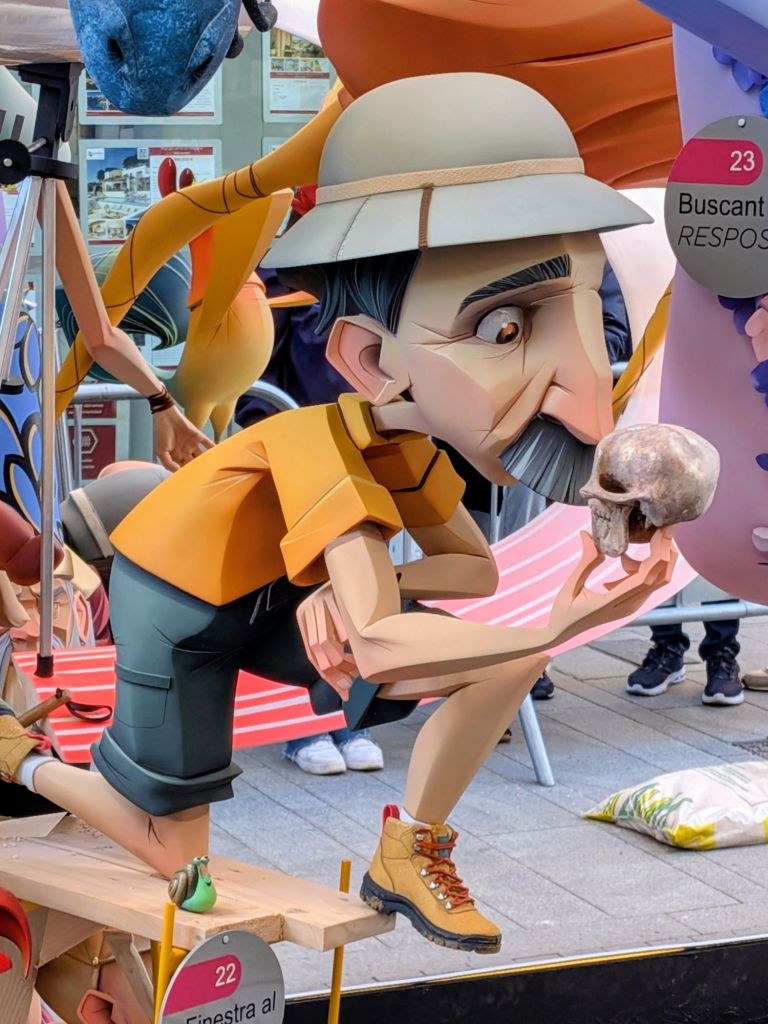
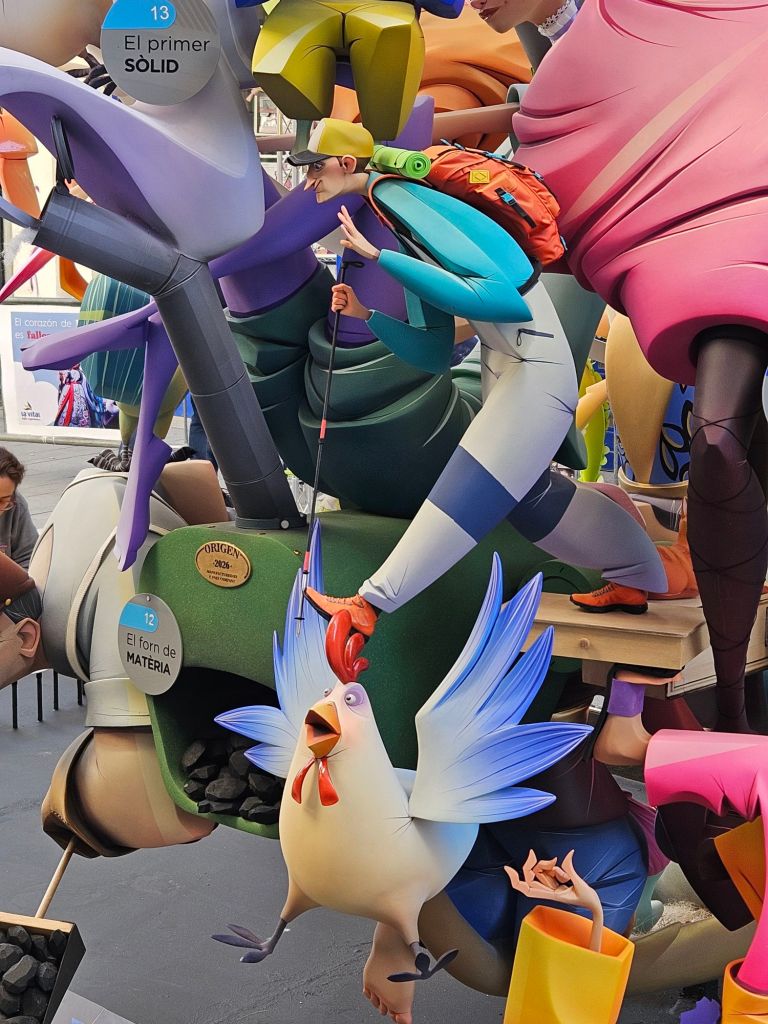
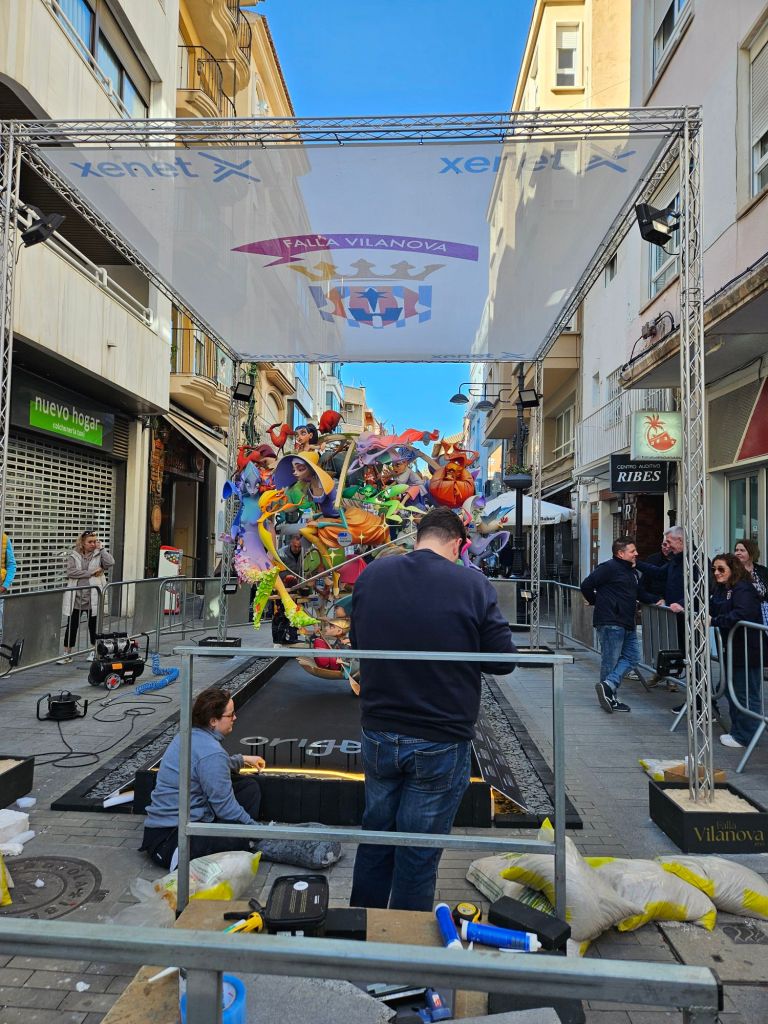
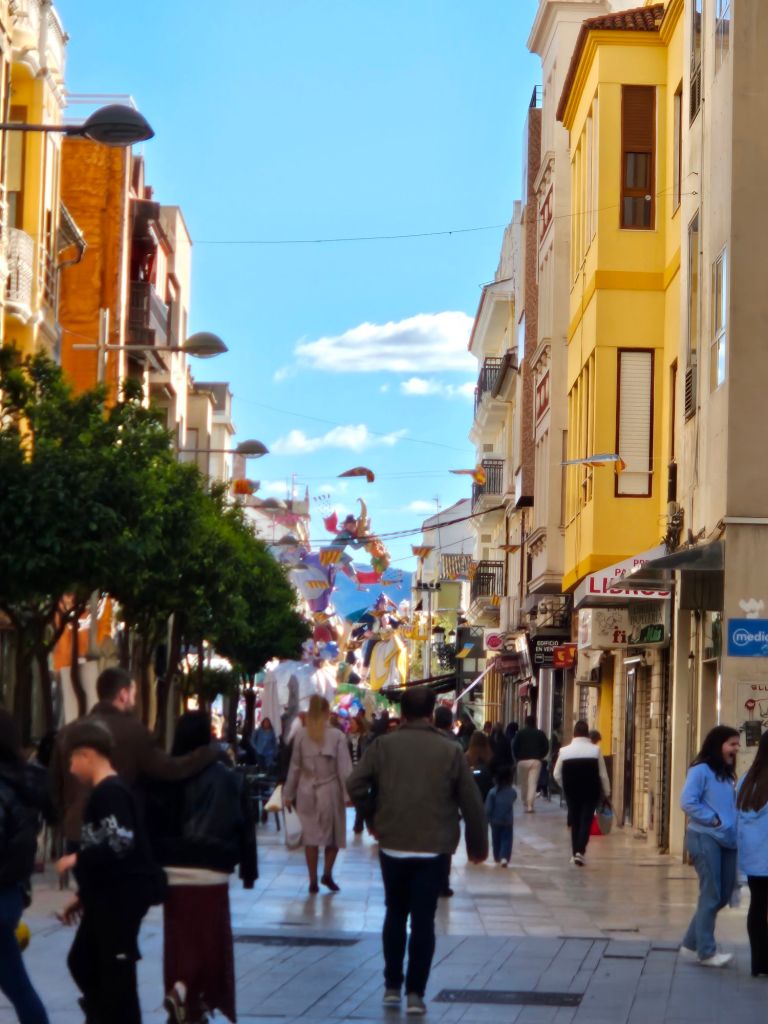
Afterwards into Gandía itself, with no particular goal, but we were delighted to stumble into the middle of “la planta”- installation (planting) of the ninots in preparation for the Crema – the coming finale (which alas we’ll miss) of the whole month-long Falles festival. 

(We’ve been here a month and I’ve only just grasped that crema has nothing to do with cream. It’s cognate with cremate, being Catalan / Valenciano for burning – what happens to most of the ninots at the end.)

I’m not sold on the dominant Disney cartoon style, but these things are nevertheless hugely impressive. Some of them take up whole intersections:

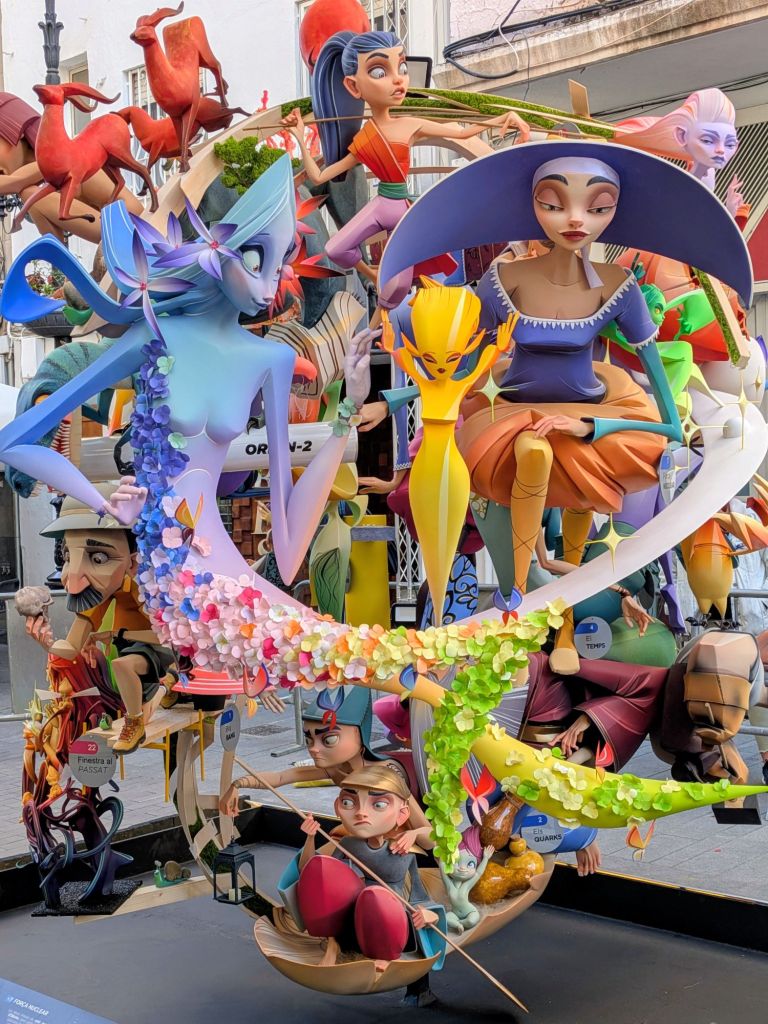
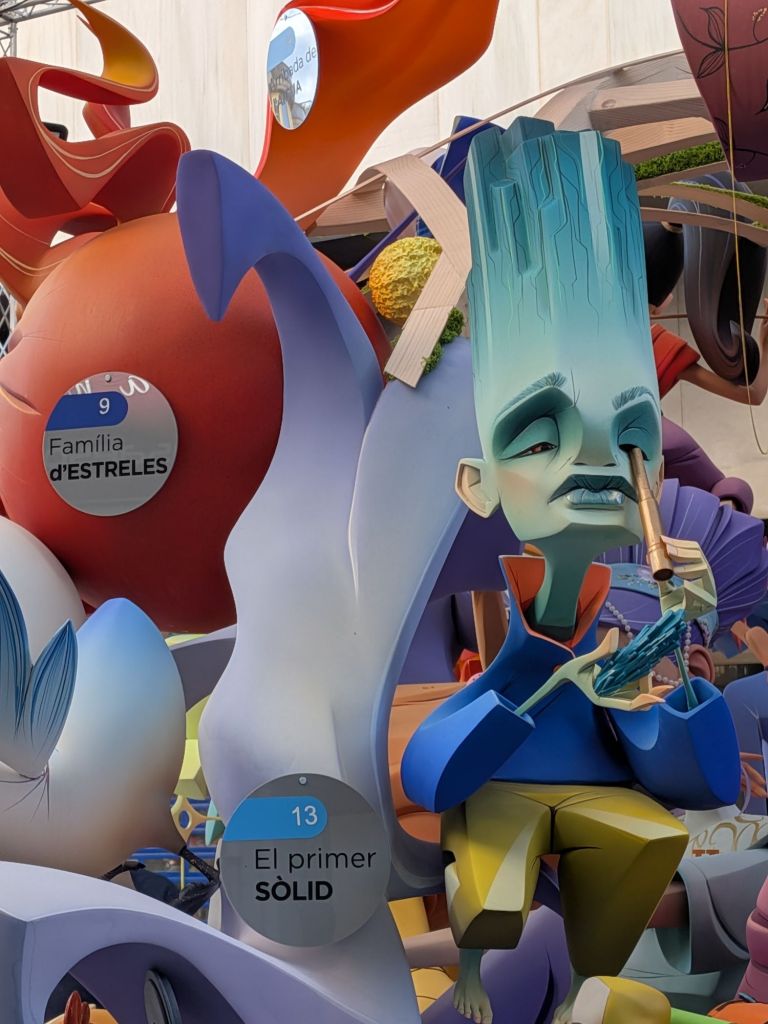
One, a sort of fantasy history of the universe called Origen, was a mere couple of meters high but particularly imaginative and intricate, complete with a personified comet bringing the Earth its water, a figure in the middle stirring the Primordial Soup, a star being born, a black hole tucking someone in, and dozens more. A team of people was still working on it, touching up paint etc. We thought it should definitely win the prize and be saved:

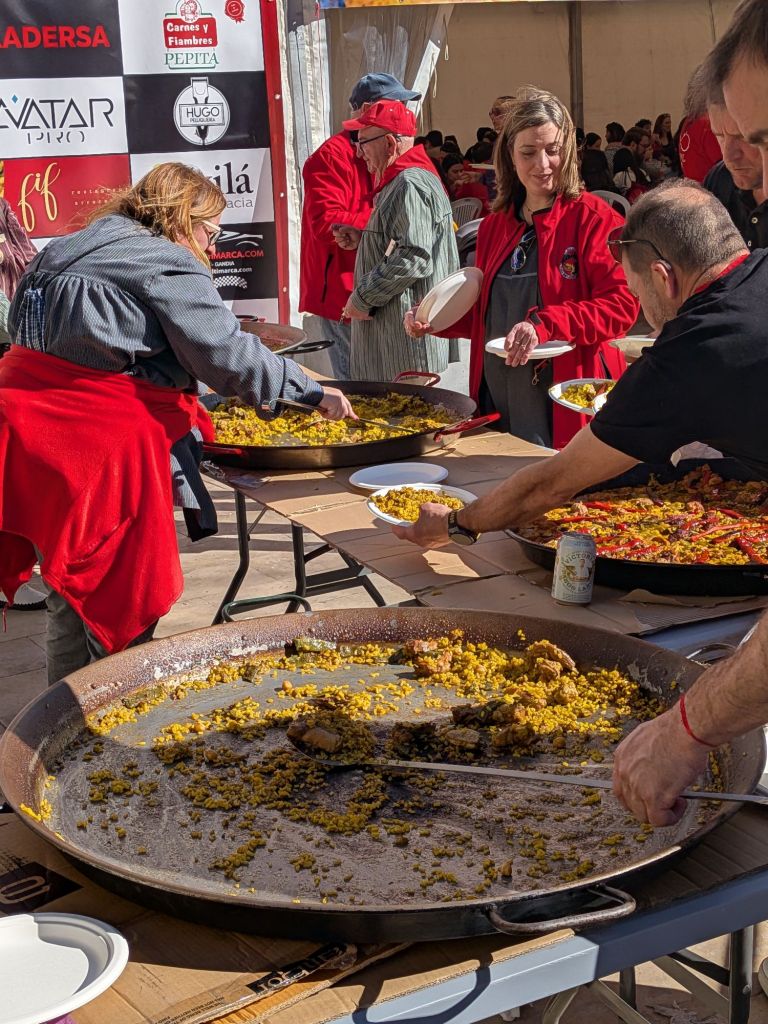
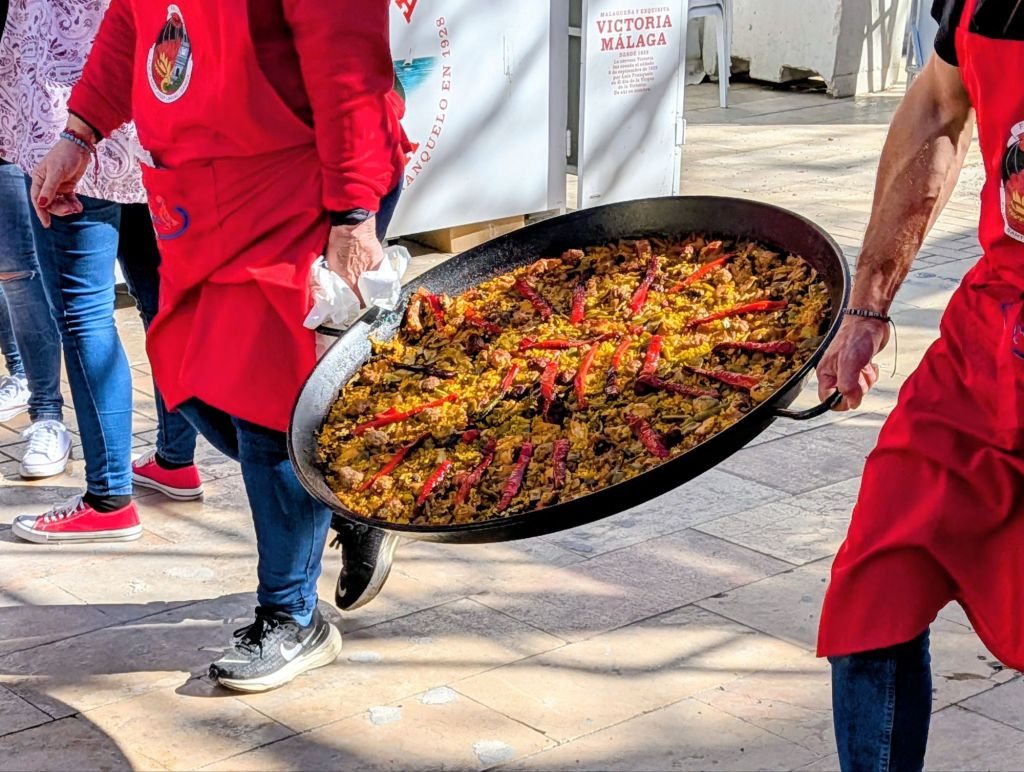
Ok, we were mostly delighted. There’s an infectious social energy and effort that goes into Falles. You can see why people are so dedicated to it, and proud of the sense of cultural identity it embodies – perhaps in part because of the sense that there’s something at once joyfully communal and creative but also joyfully pointless about it. Lots of food involved, including of course paella:

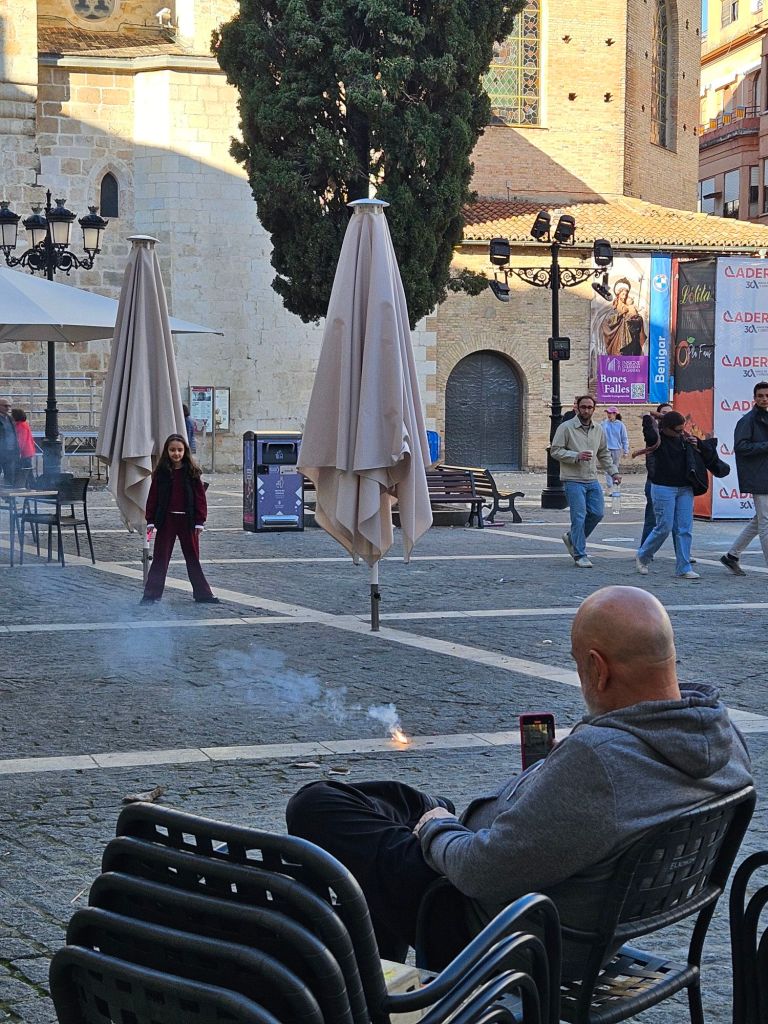
OTOH part of the fireworks theme involves everyone aged 7-17 running around in the streets gleefully throwing firecrackers. By the time we left our ears were ringing.

K here. We walked the streets in “downtown” Gandia keeping an eye out for any tourist stops we thought we should come back to see. It is a pretty town, but the beach won out.