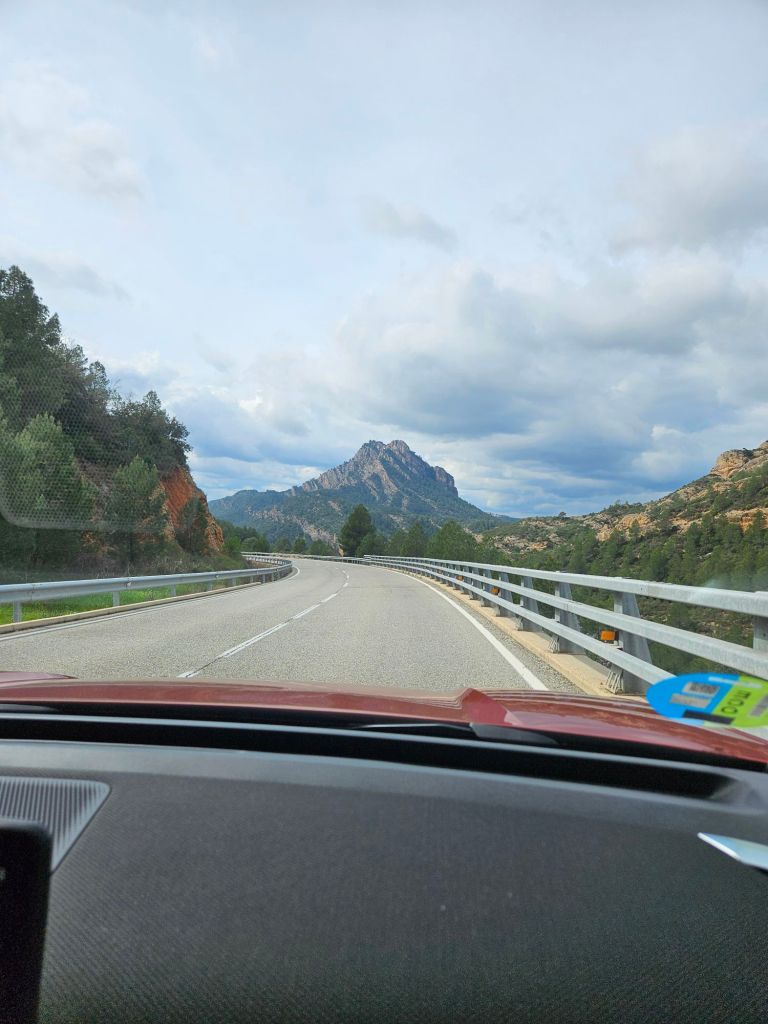
I tried not to think of this as an ominous sign as we headed into the mountains.
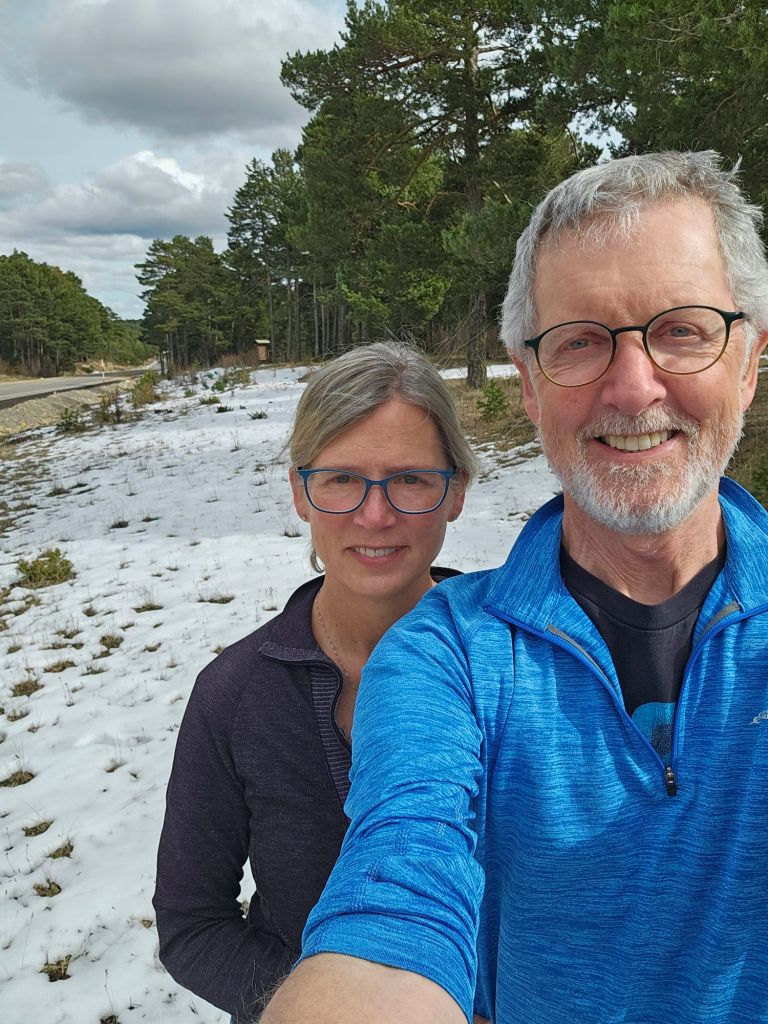
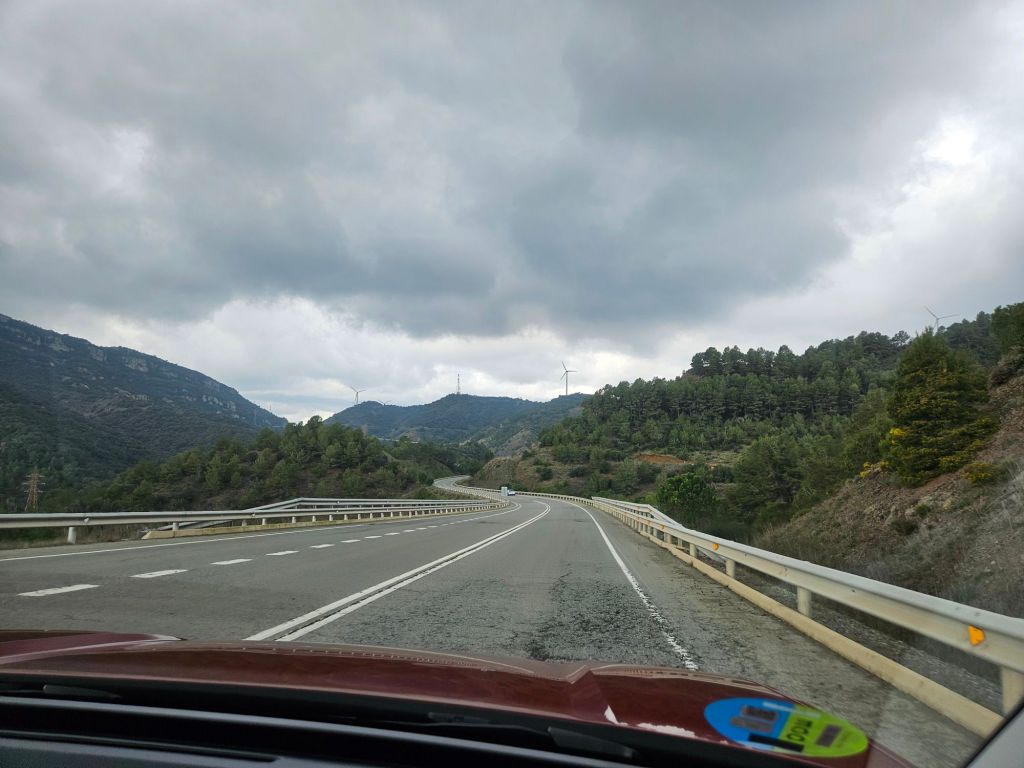
Fortunately, only small patches of snow remained at the top of the passes we drove through.
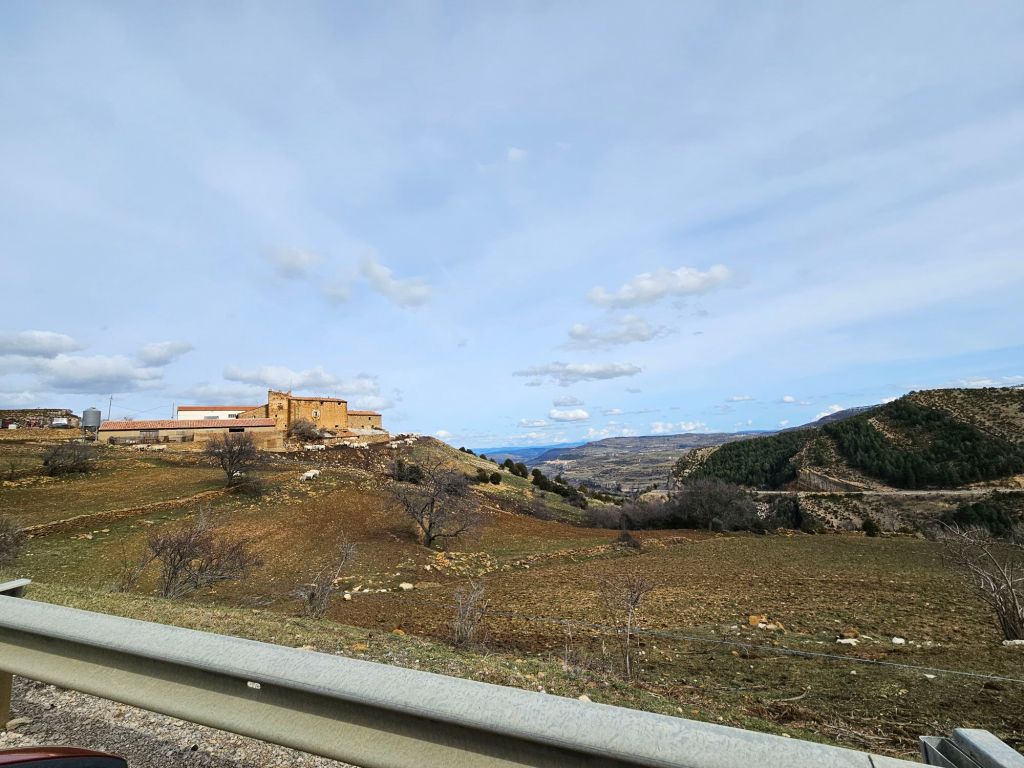
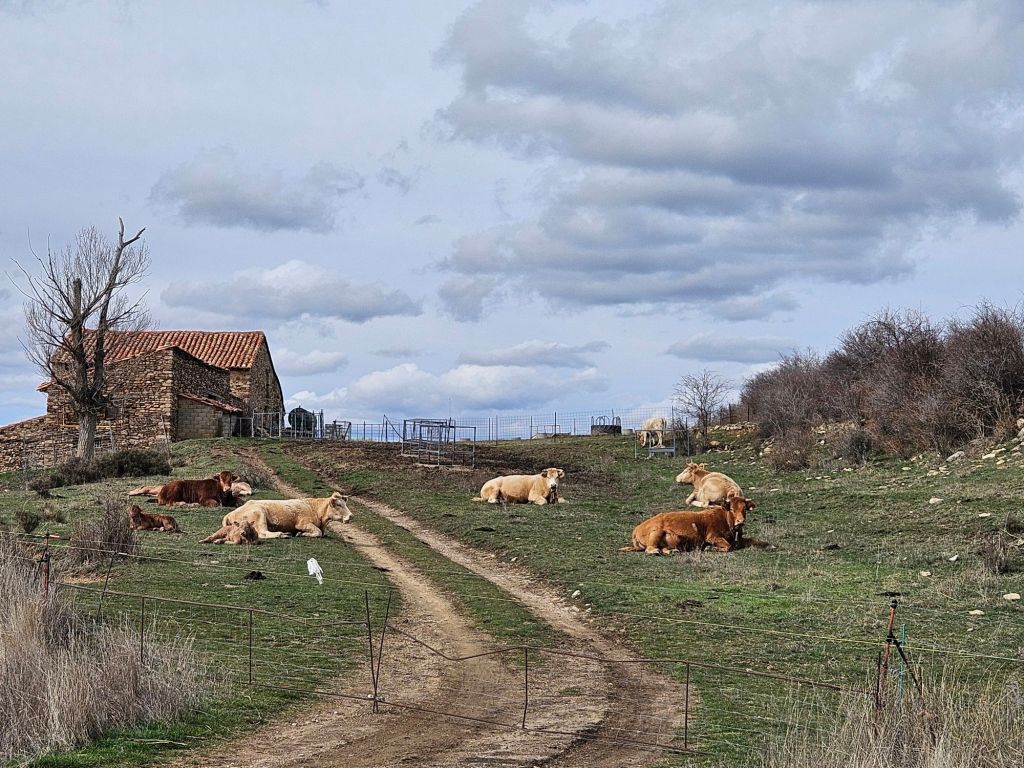
The landscape was both large and wild, yet dotted with small farms and towns in various states of repair.
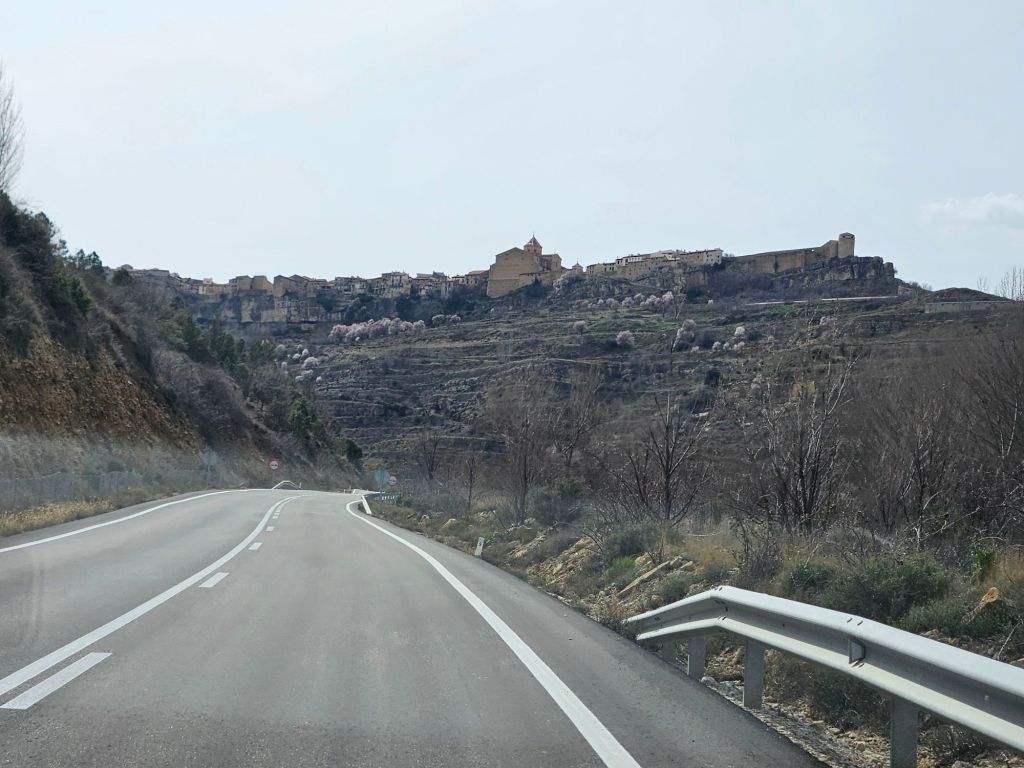
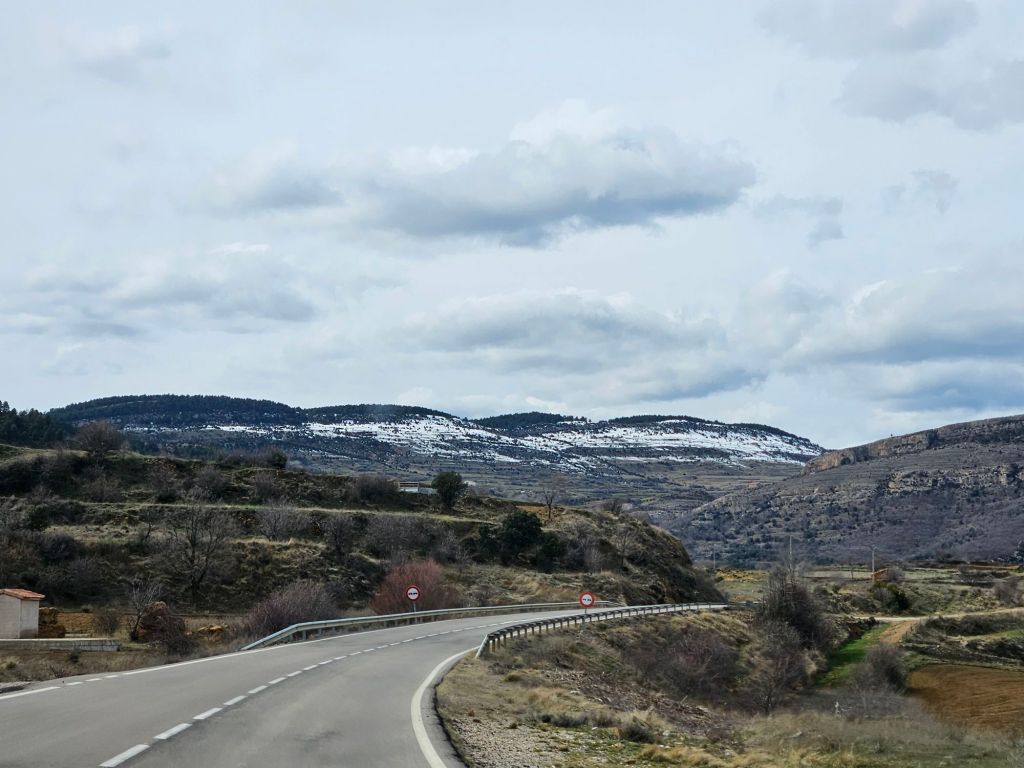
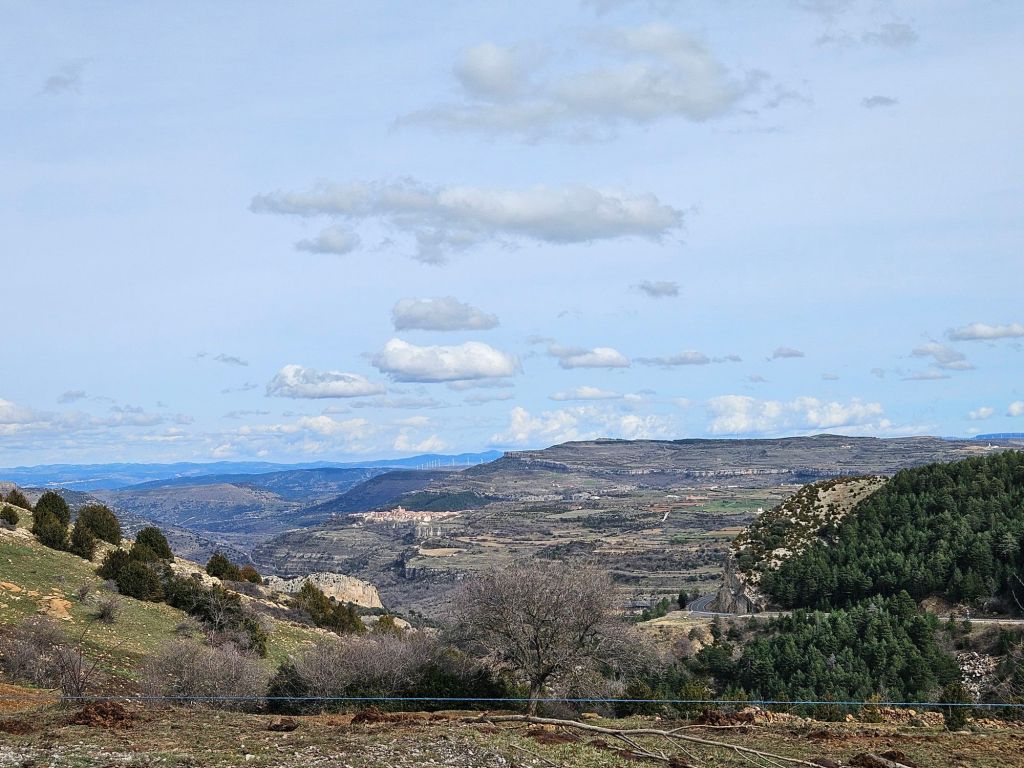
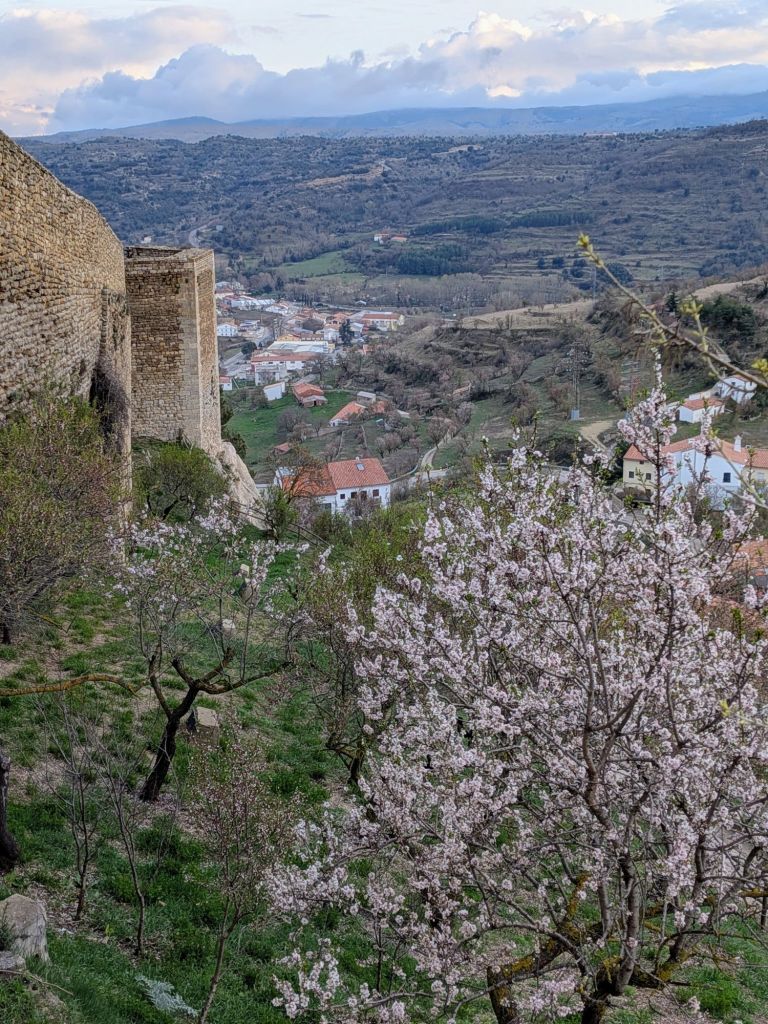
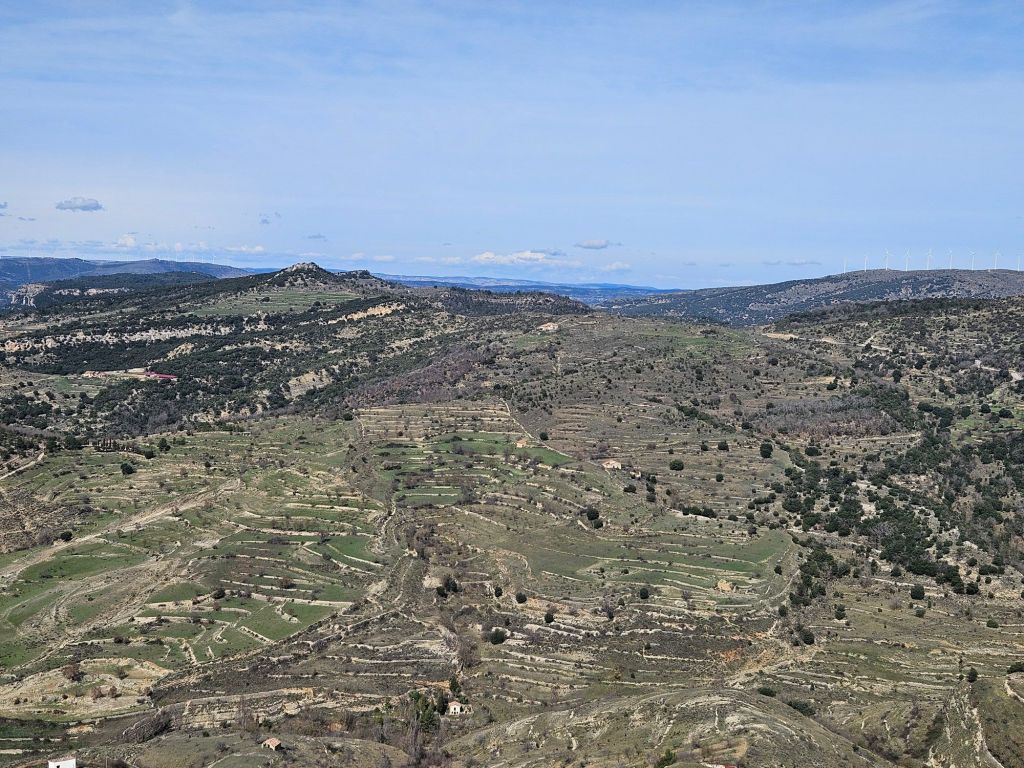
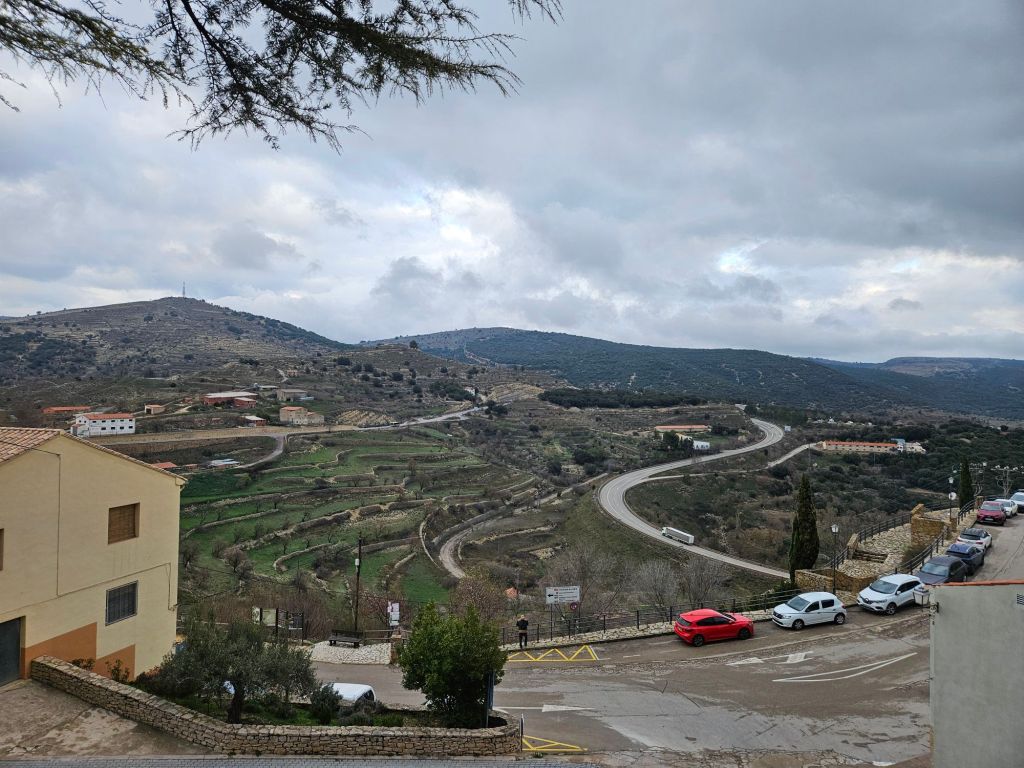
First pic above is the town of Cantavieja, seen from below, an especially dramatic place clinging to the prow of a mesa; the approach up that side is 1000 vertical feet of hairpins. But then on the other side you keep climbing, and climbing, to about 6000 ft. The last pic shows Cantavieja (left of center) far below, lost in the vastness of the landscape.
That was the first of three or four big ridges we crossed. Grateful for a brand new rental car (12 km on the clock when we picked it up) with new brakes.
When we arrived in Morella, we asked for a lunch recommendation. At nearly 3pm on a Wednesday, out of tourist season, our choices were very limited. So we ran quickly into the one nearby that was still open. We ate until bursting, but in the end didn’t finish even half our mains. Far more meat than either of us was ready for.
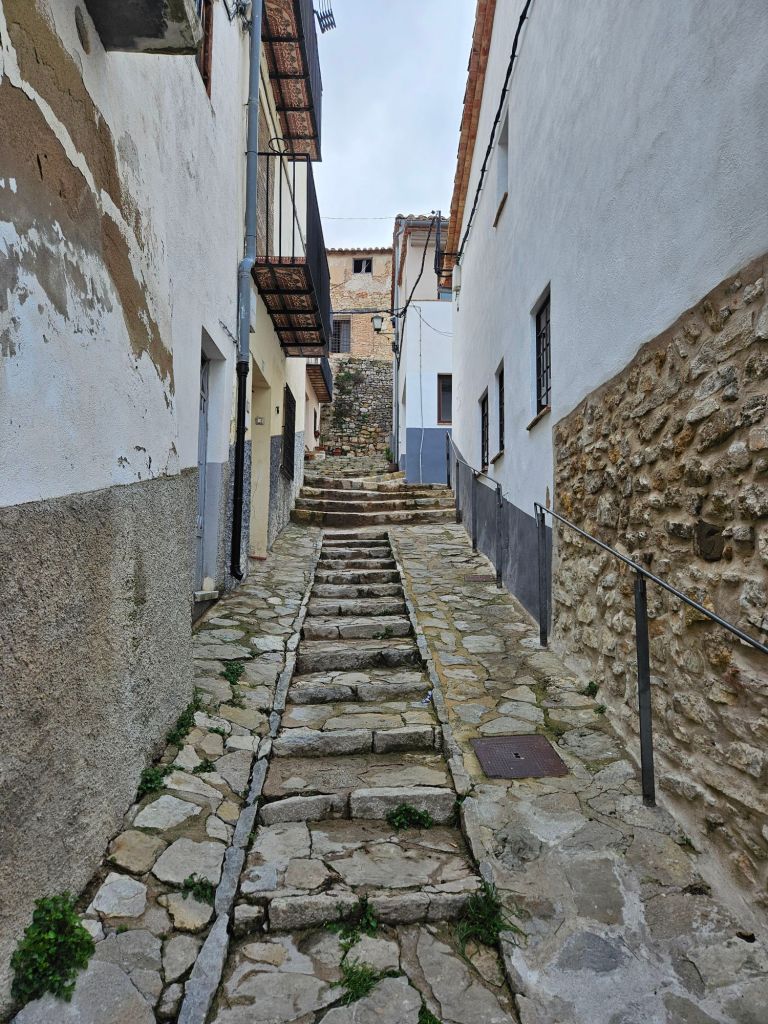
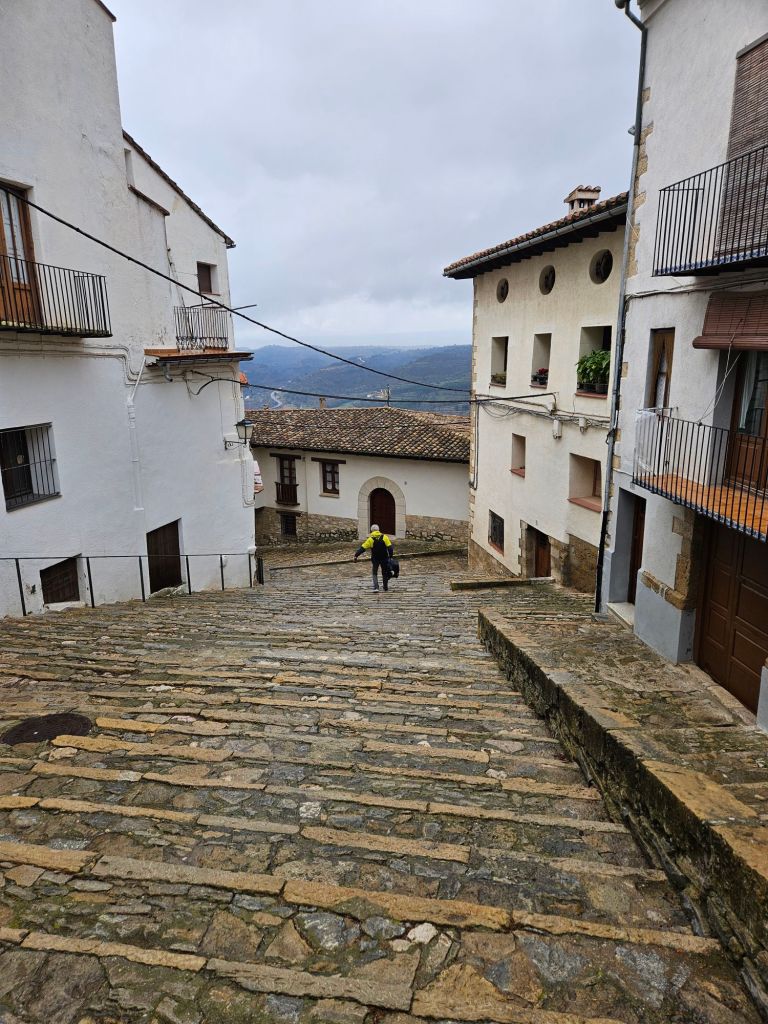
We waddled off for a much needed exploration of the town, groaning slightly at the steepness of the streets and making note of the next day’s opening hours. Eventually we headed back to our hotel for the night–funny how you don’t need dinner when you’ve gorged late in the afternoon.
The genuine fun began the next morning. Since nothing opened before 11, we decided to walk the Ruta del Dino.
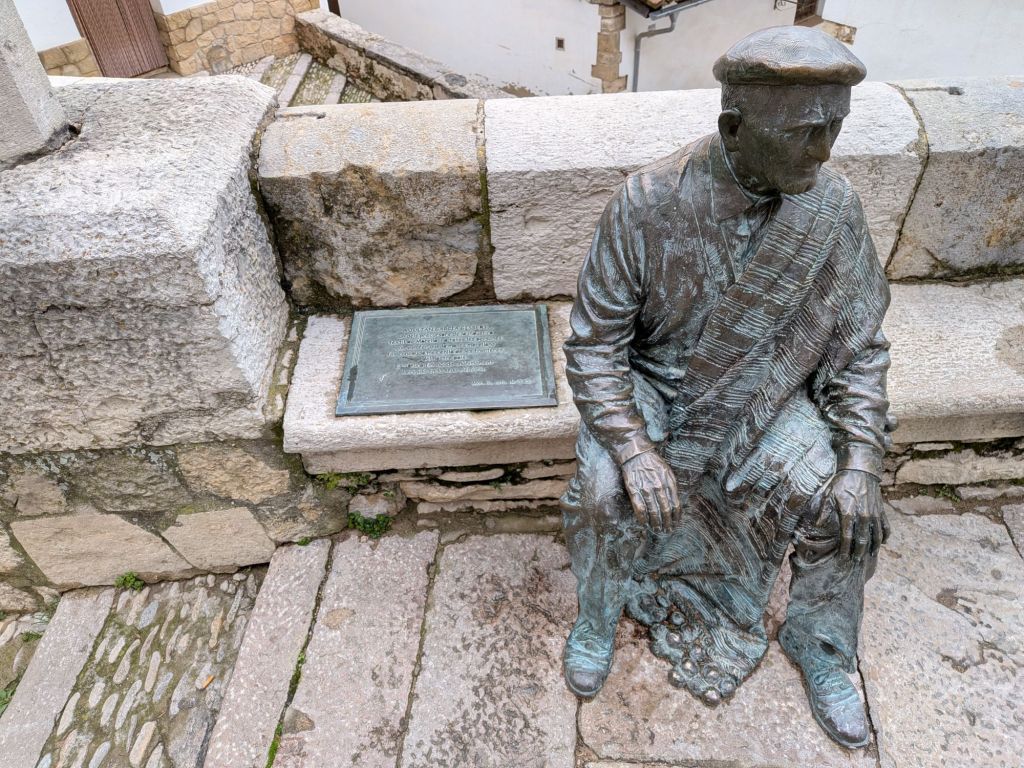
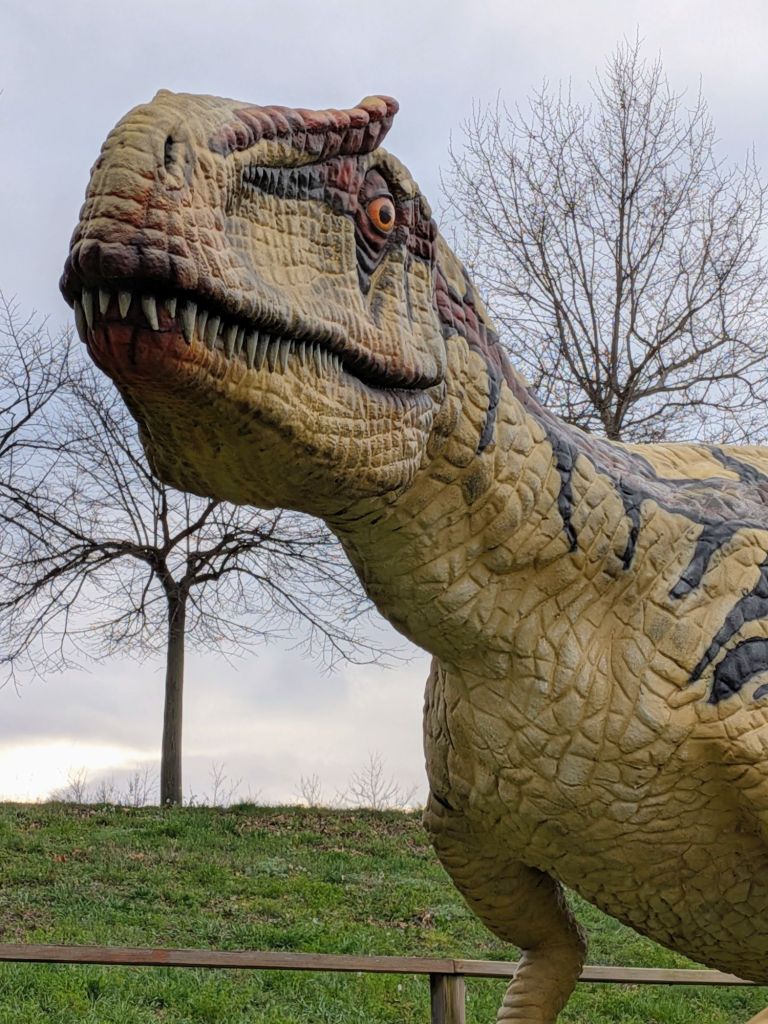
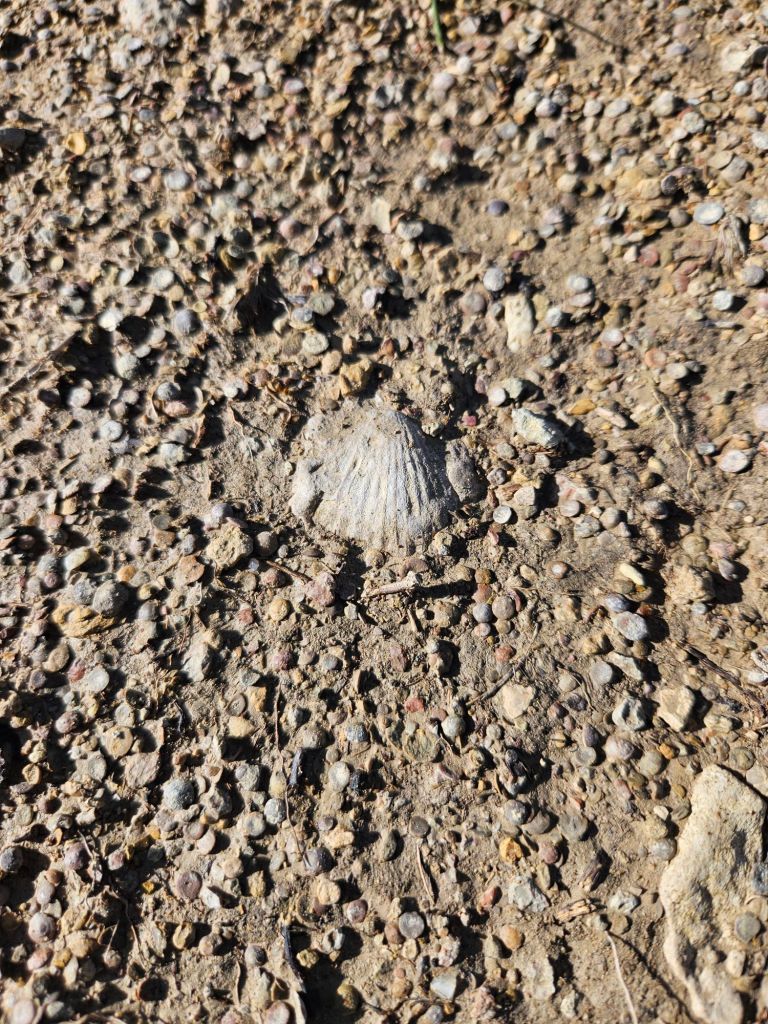
Local resident, 140 million years ago
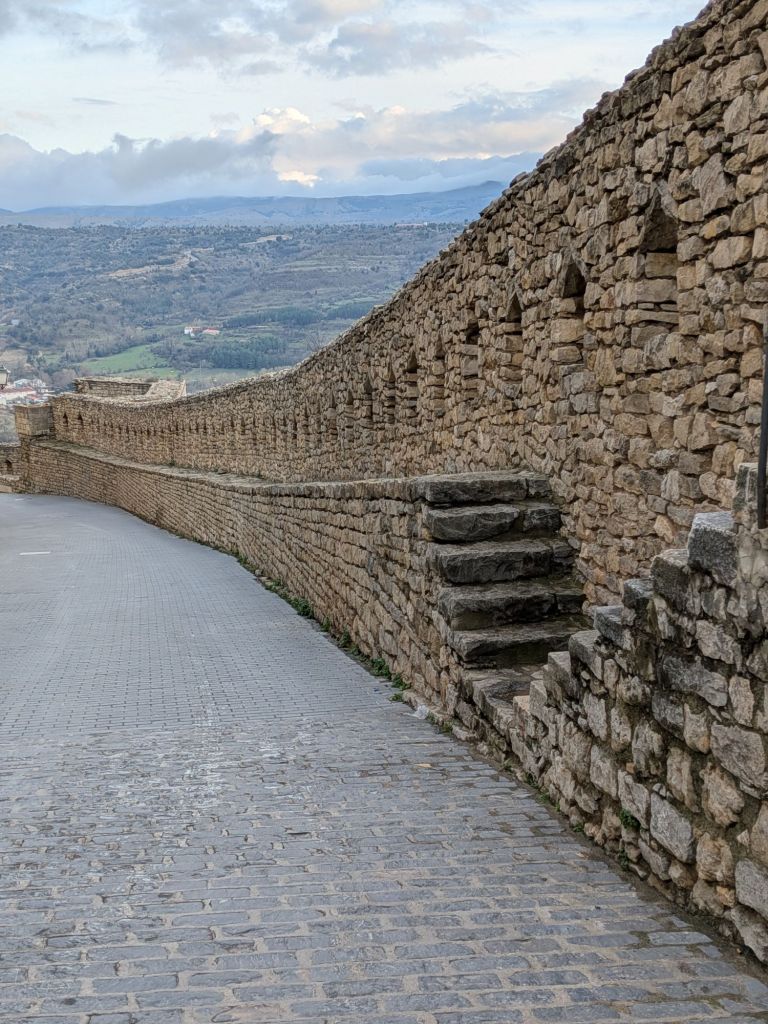
This path was supposed to take us down out of town, under the medieval aqueduct, and out past an area when dinosaur footprints are still visible in the rock.
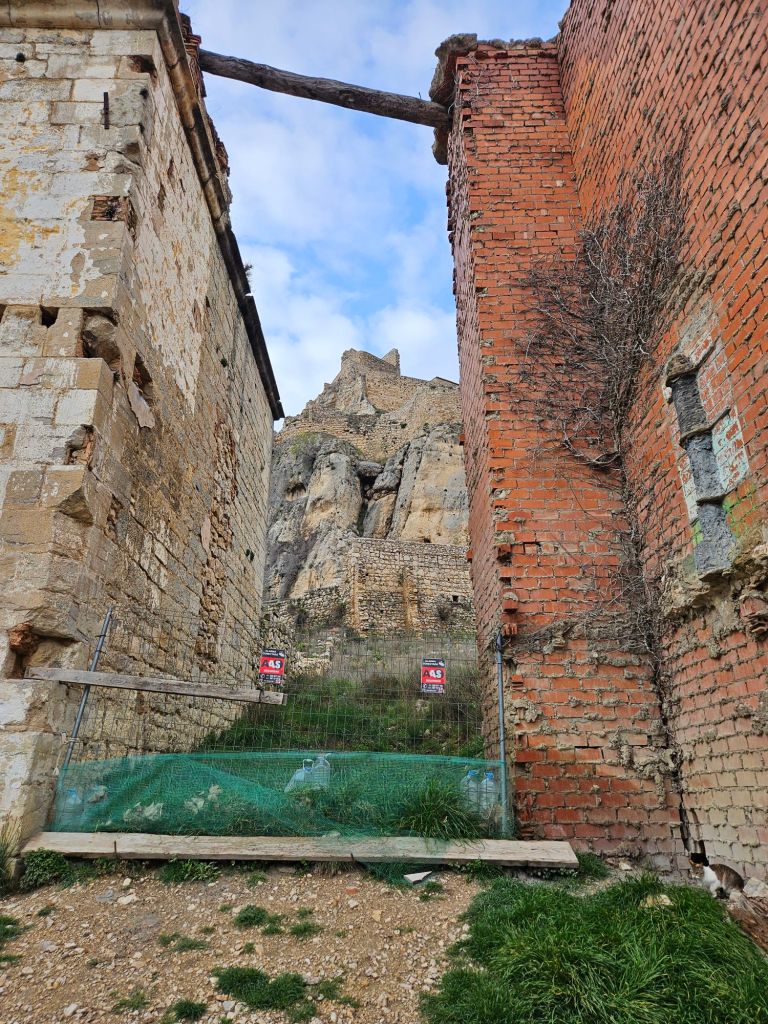
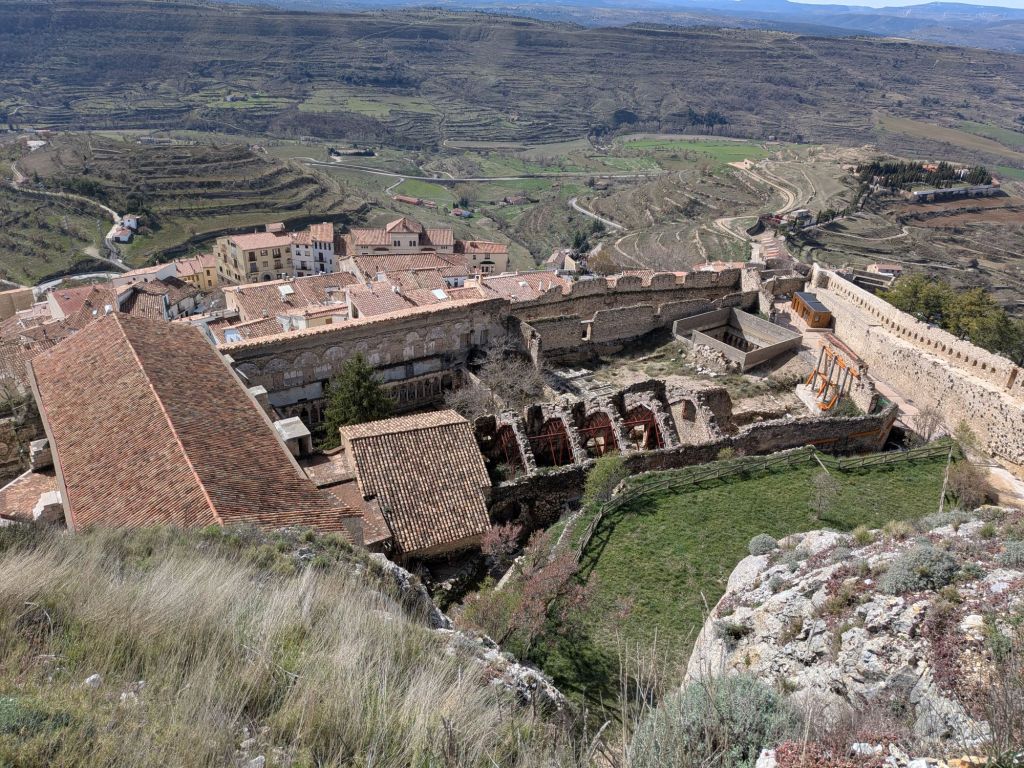
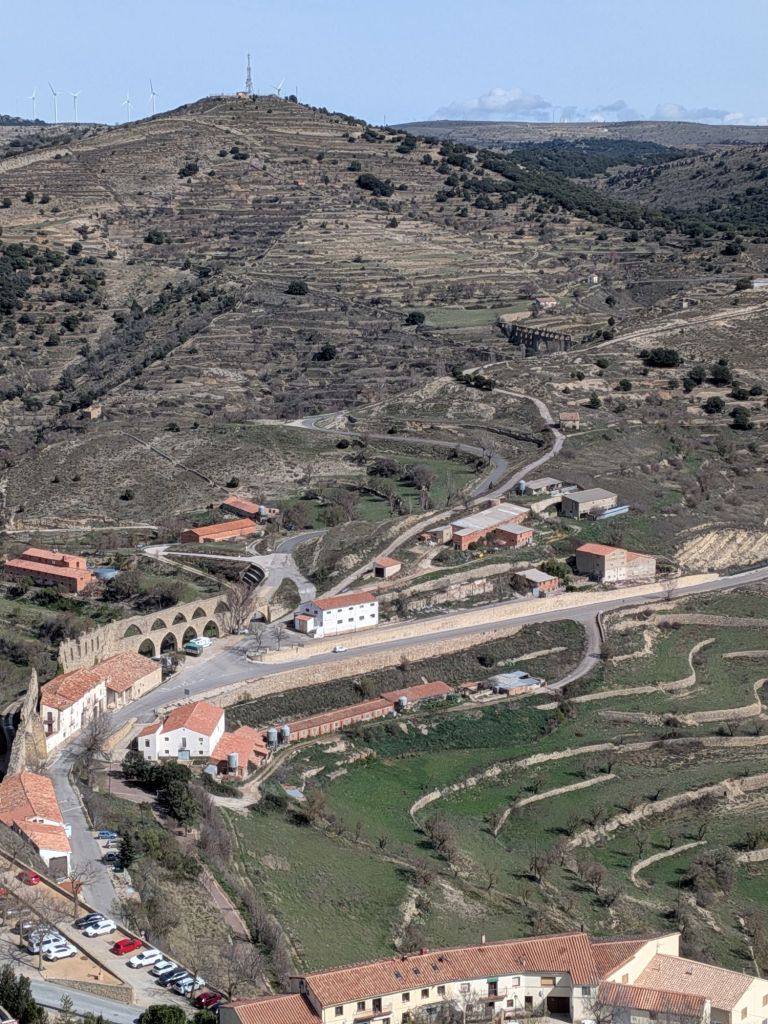
We found the aqueduct located next to the remains of a 13th century leper hospital.
Aqueduct from above, at lower left; another bit we didn’t get to is barely visible near top
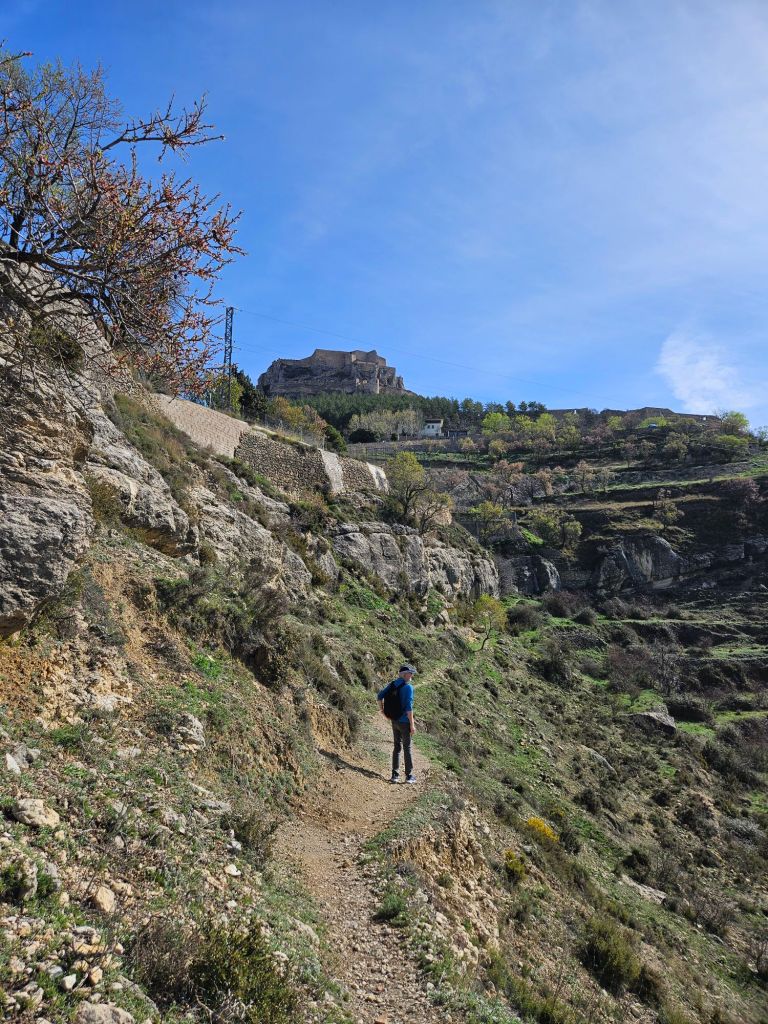
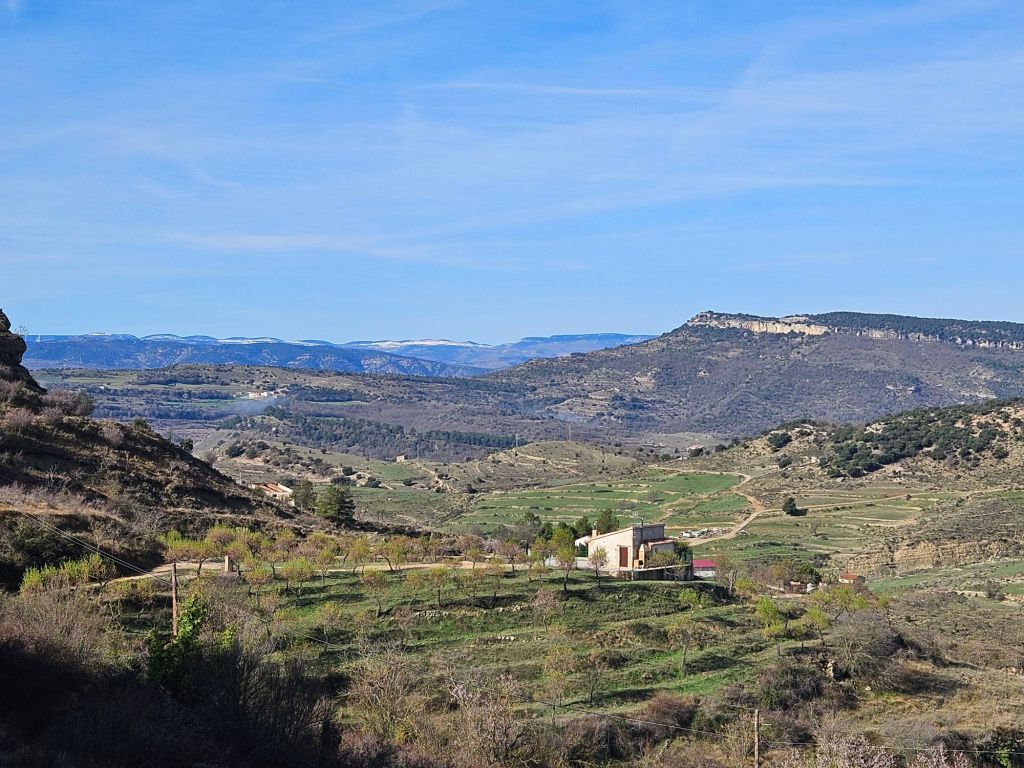
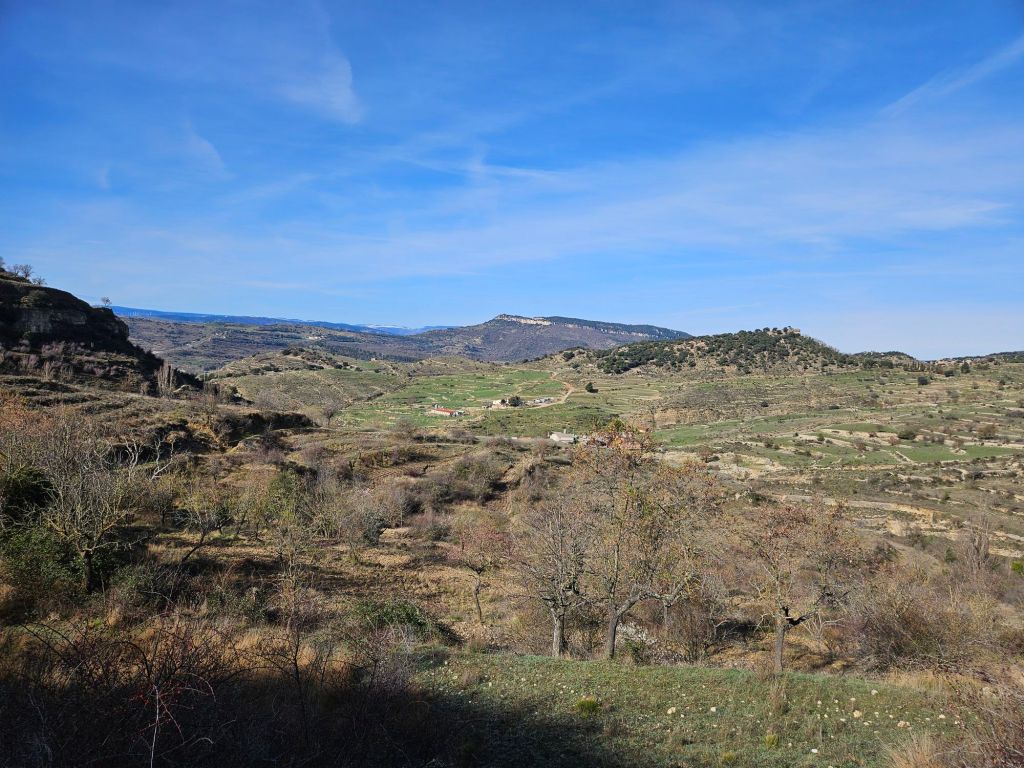
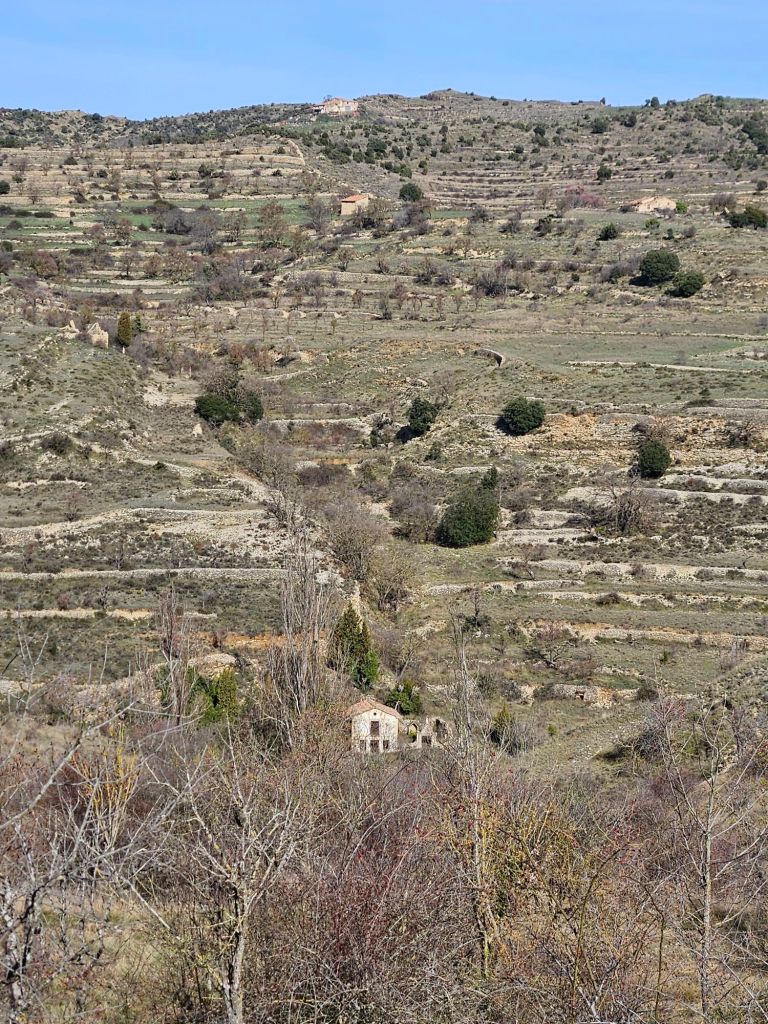
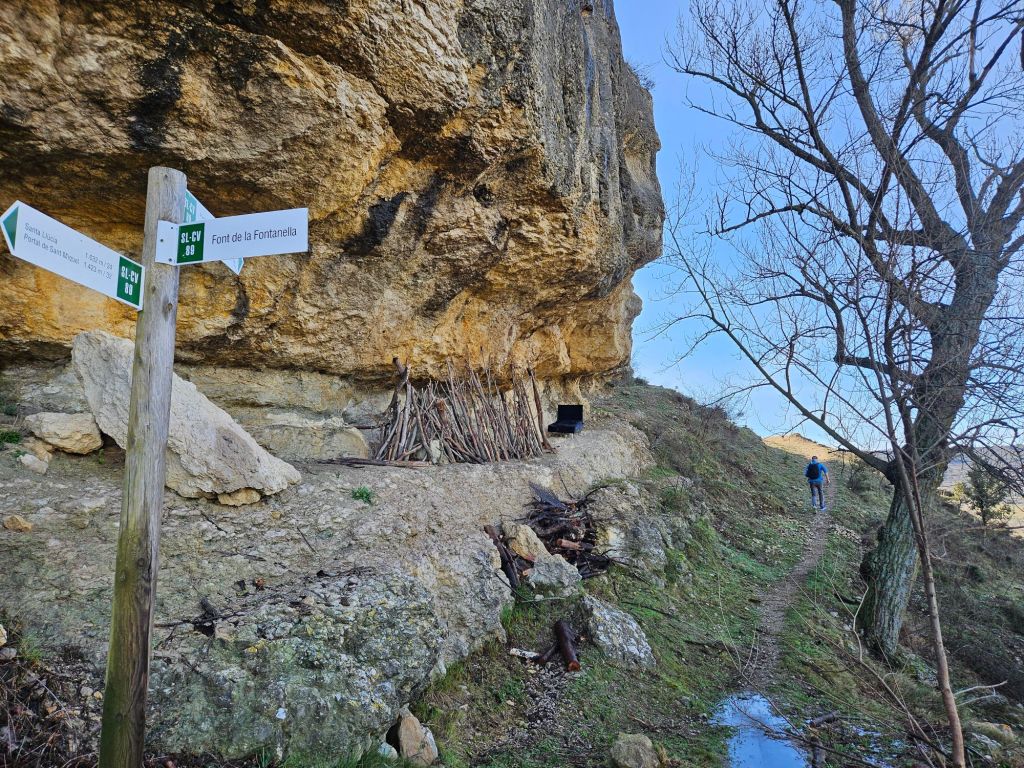
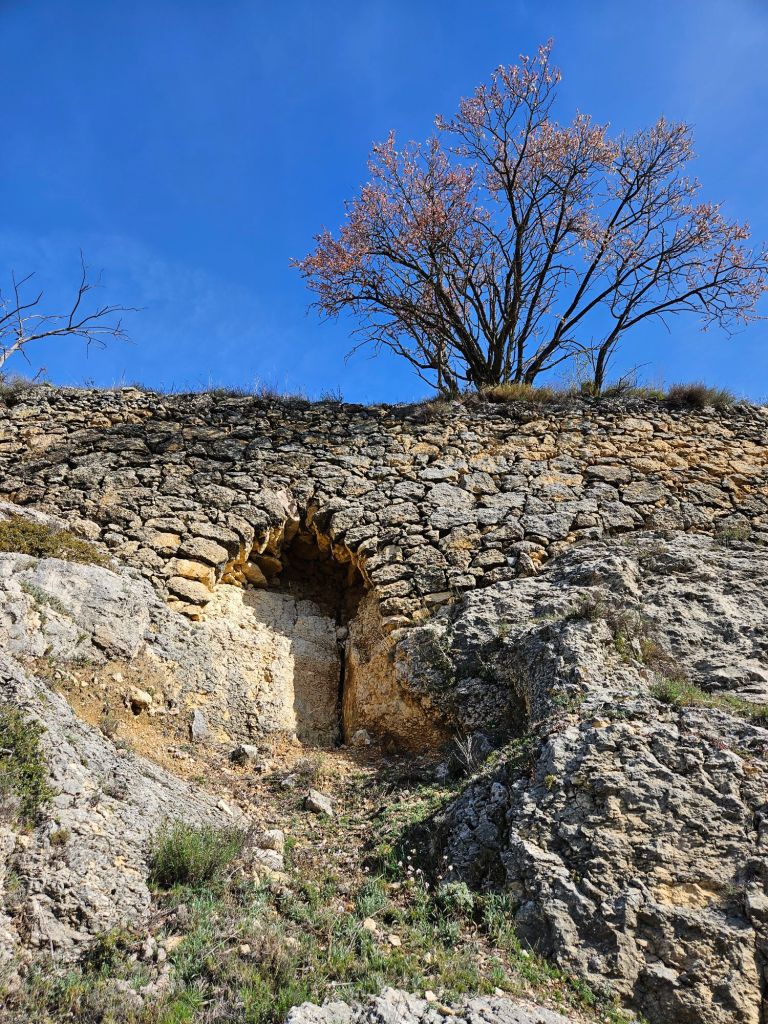
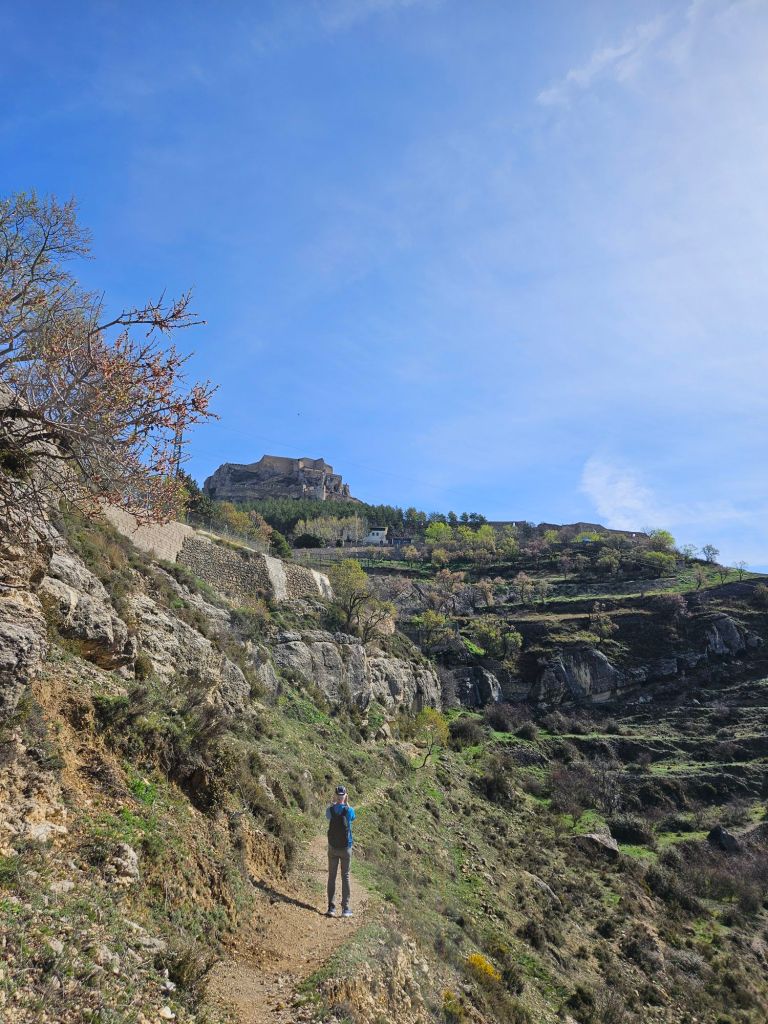
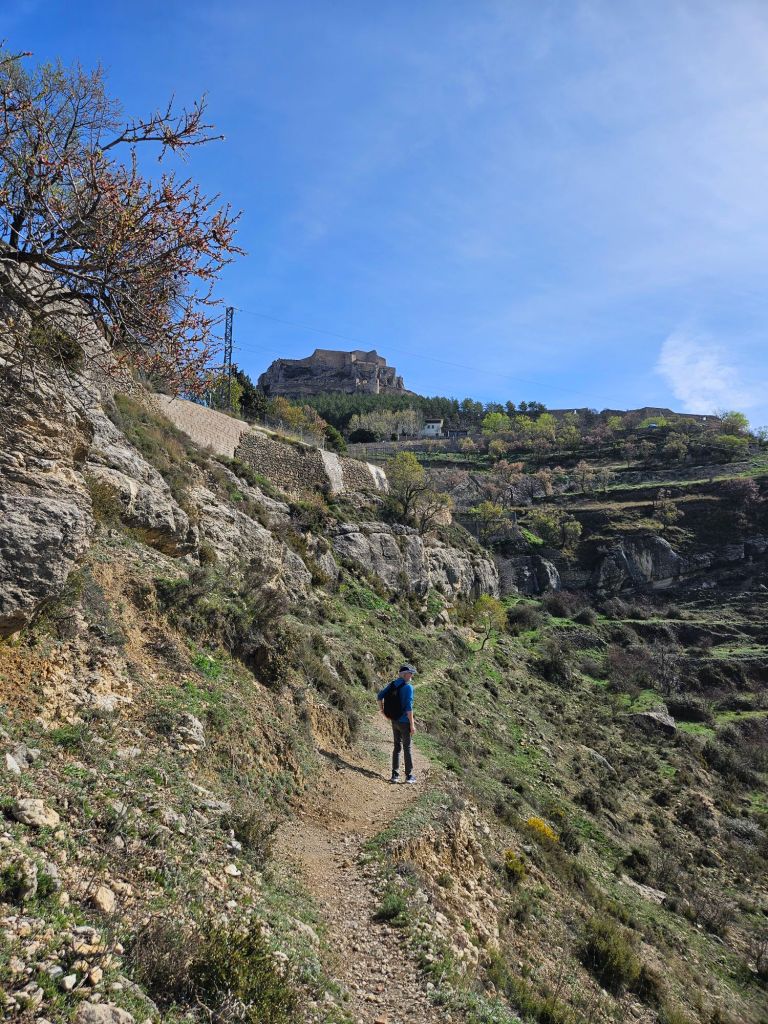
We didn’t find the dino route. We did, however, find a lovely path circling under the hill (mountain? mesa?) that the town is built atop. Long vistas, cow bells, terraces and walls wherever we looked, all bathed in sunshine.
Driving to Morella was just fine. Driving into Morella was another story.
We left Tarragona by way to the aqueduct (only had to make one u-turn to find the parking lot entrance) and enjoyed good roads and scenic views along our route.
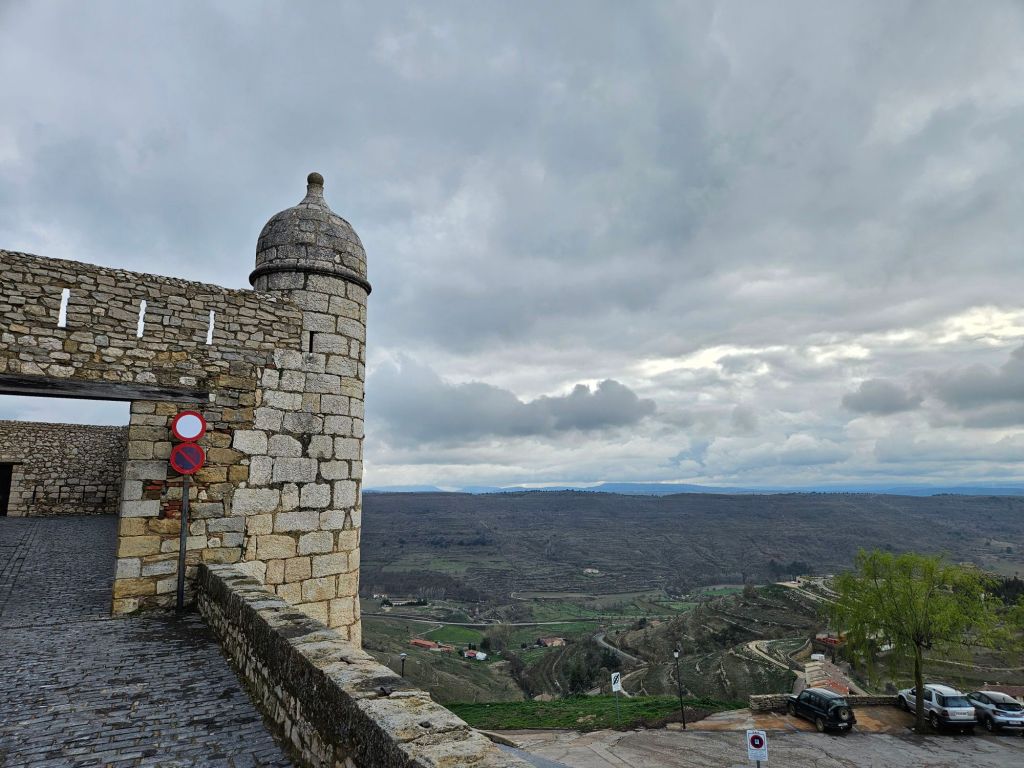
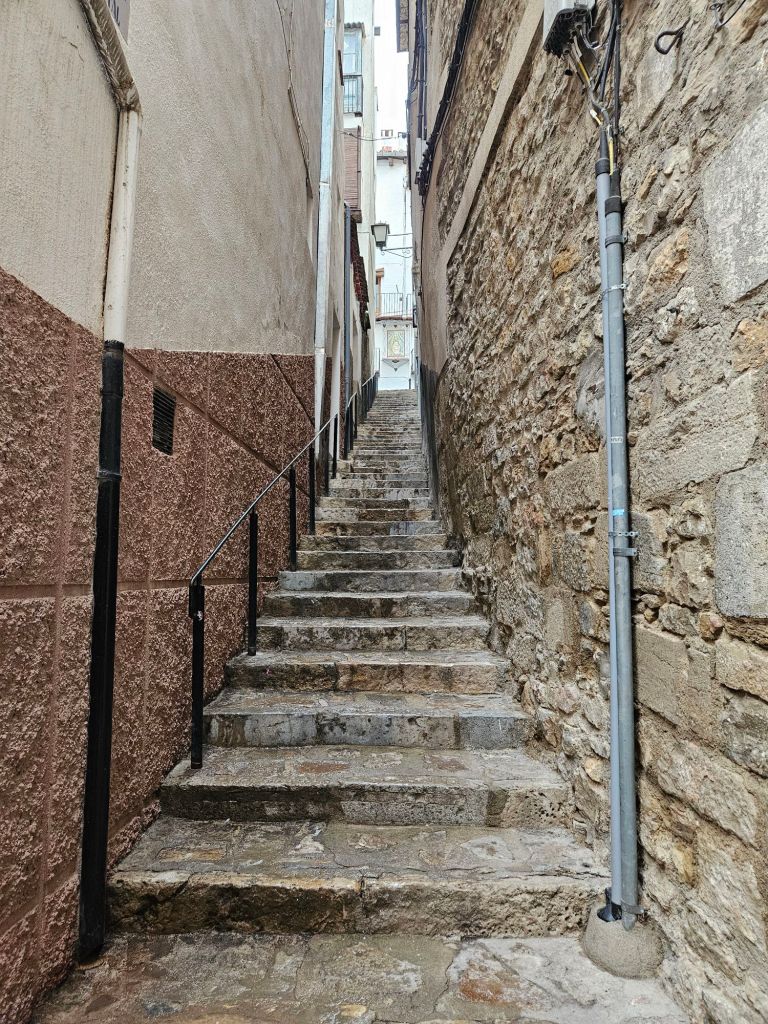
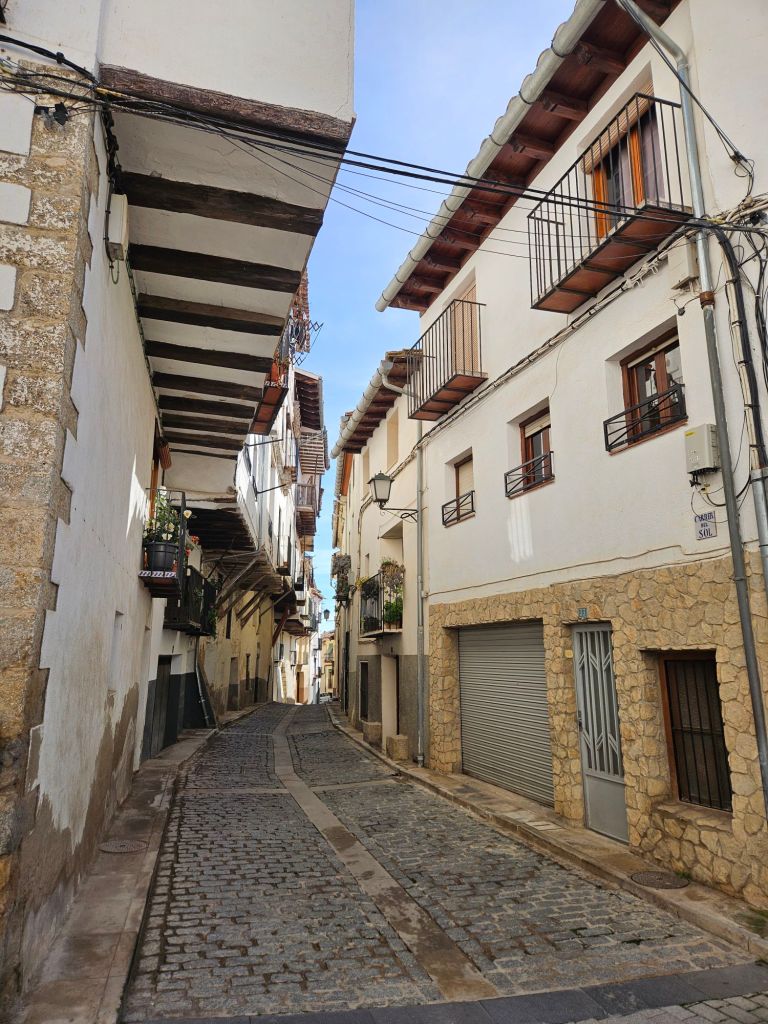
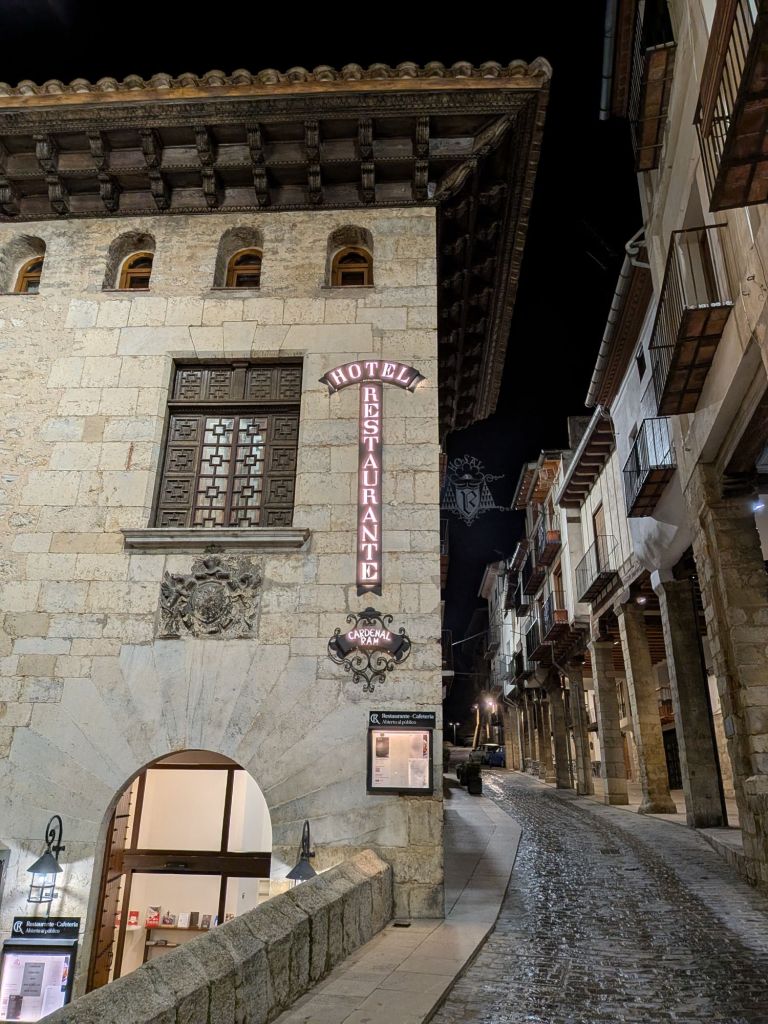
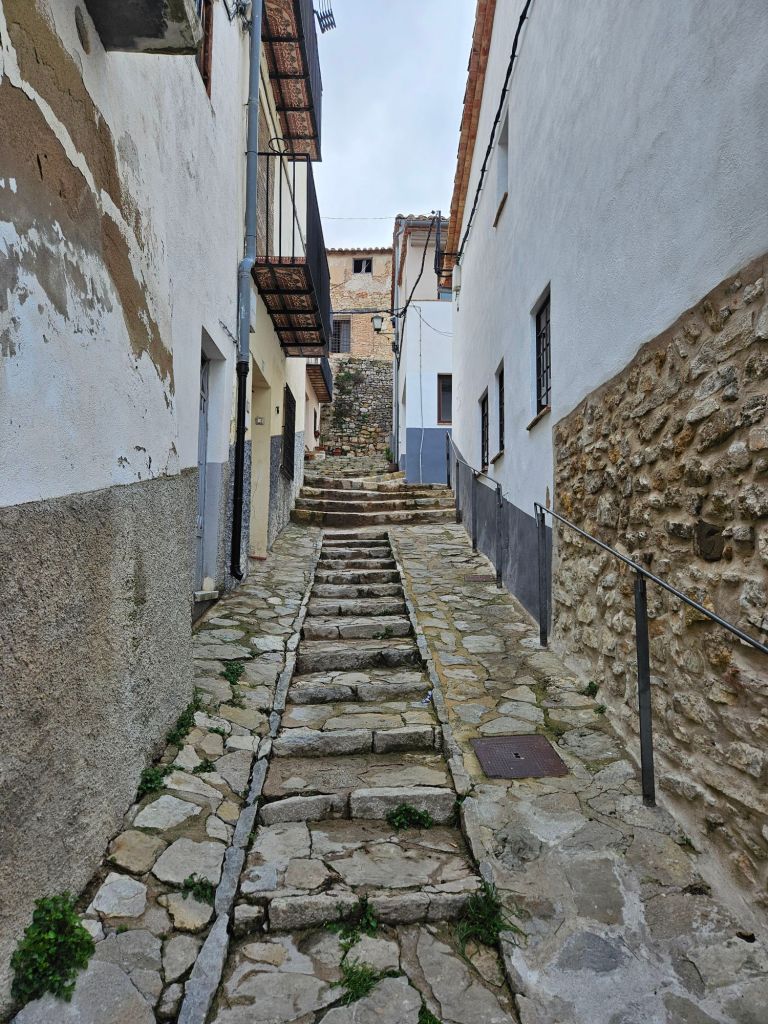
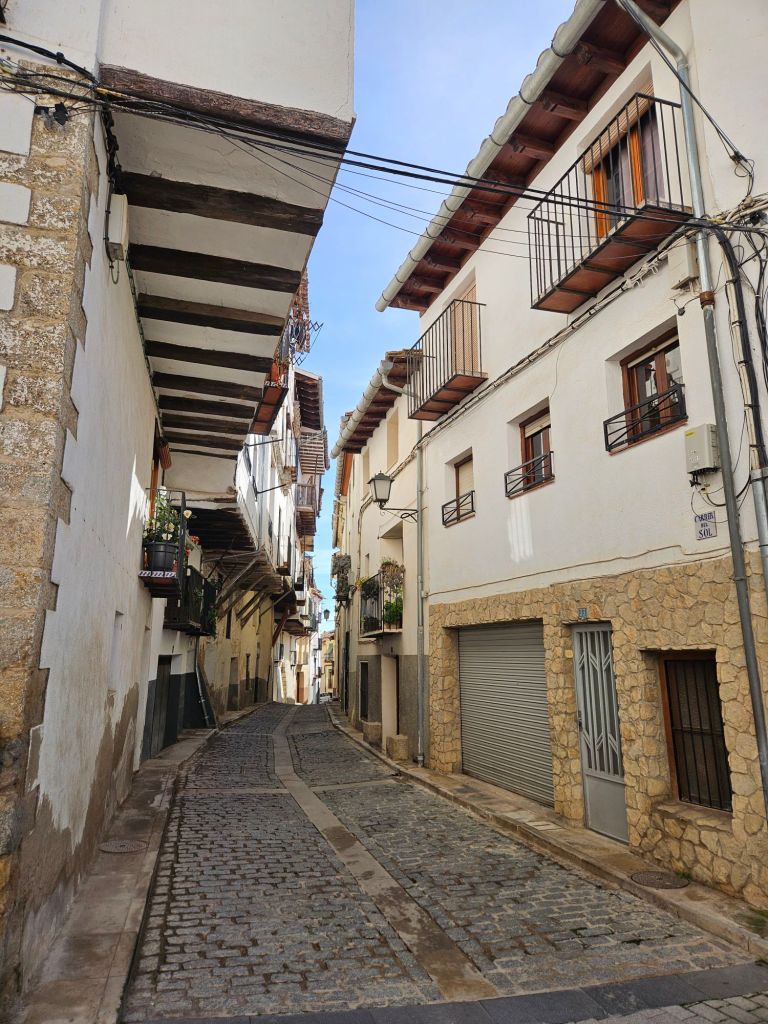
I knew Morella could be a challenge because it is an ancient city built on a hilltop–built long before cars and with a higgledypiggledy layout that speaks to organic growth, hilly topography, and the Arab preference for roads that were not straight (easier to defend against invaders). What I didn’t expect was Google maps to send us the wrong way up an increasingly narrow cobblestone street. Just as it started to rain.
R was remarkably stoic about my increasing panic as we made our way up the one lane road, but even he seemed a little tense when we encounter the van coming downhill towards us.
Imagine seeing a van just coming over the top of the hill coming towards us
R stopped, I got out and went to talk with the guys in the van. My Spanish was failing me, so the driver, with an Eastern European accent asked “what language do you prefer, English, French, German?” I gratefully chose English and he talked me through a route that would get us past him and onto the main ring road again. From there to the parking lot and a hike to the hotel.
We thought we’d have plenty of time, given that we covered a lot of ground yesterday and that many places are regularly closed on Mondays. Hah.
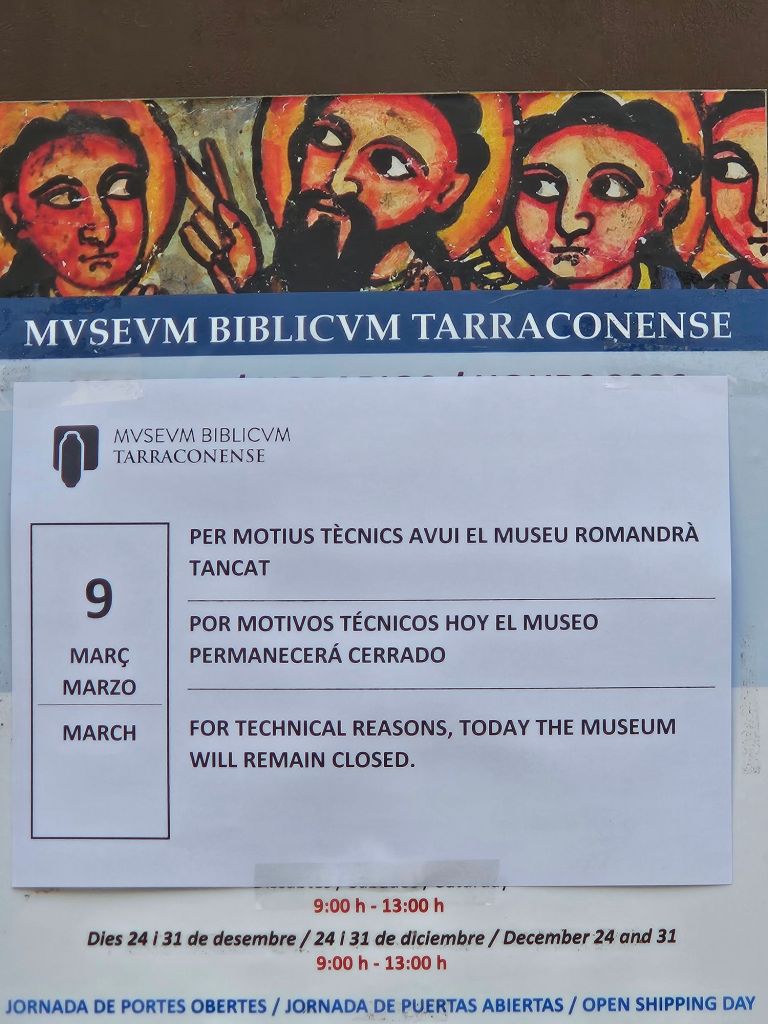
First stop, the Biblical Museum. Sign on the door:
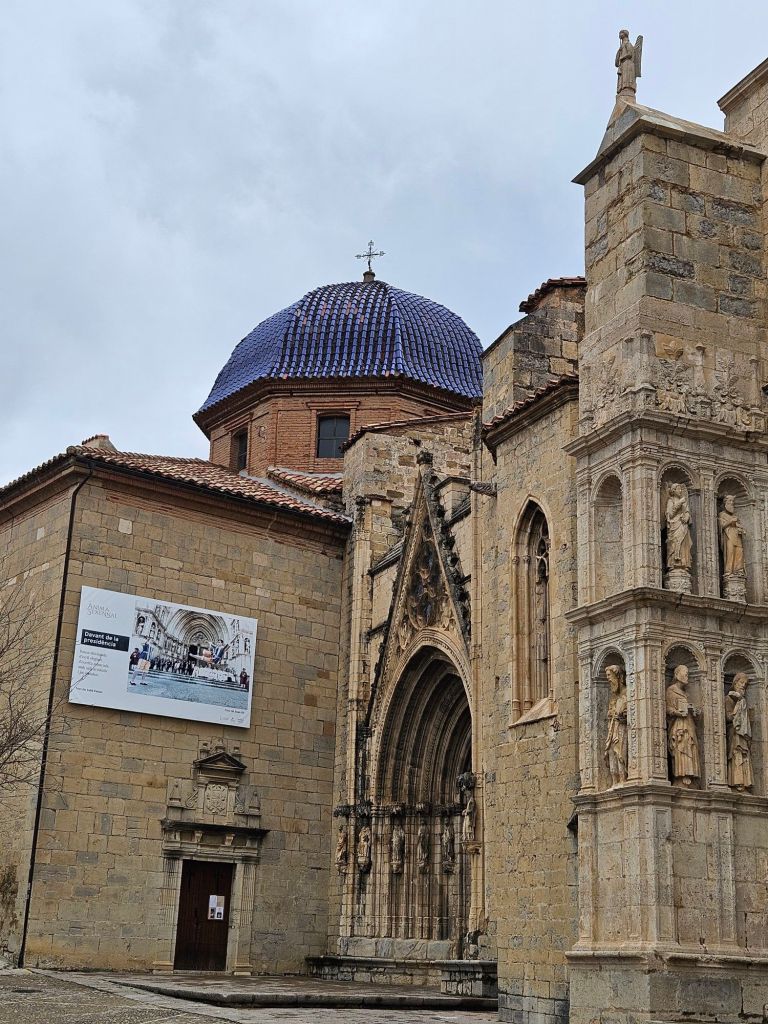
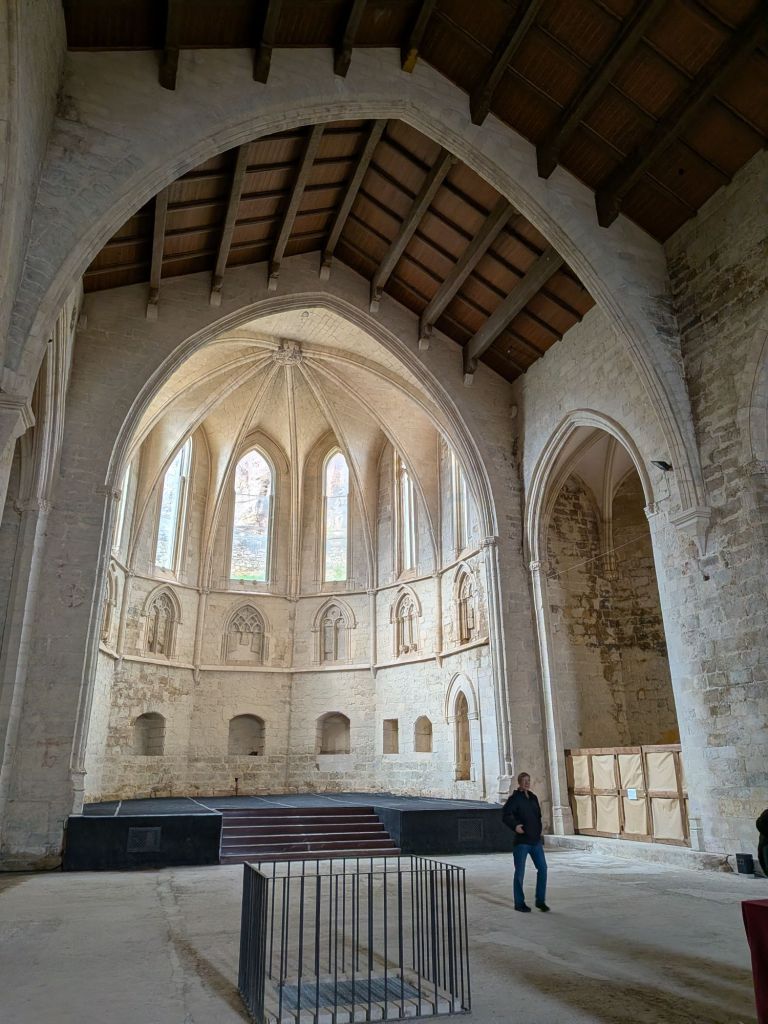
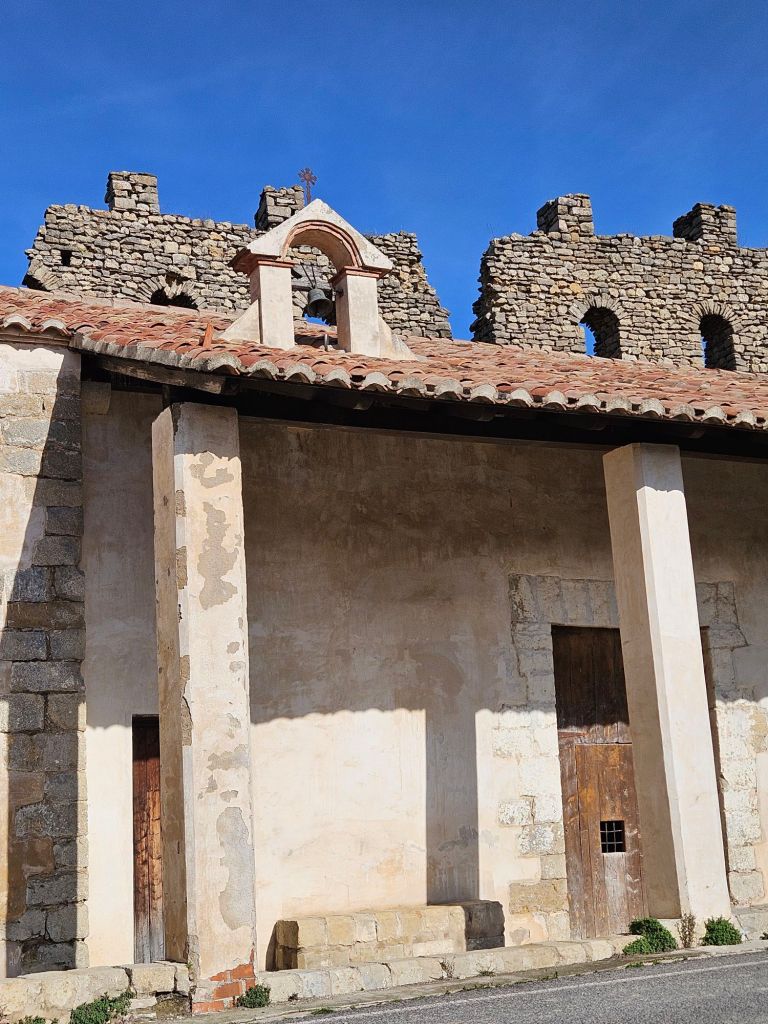
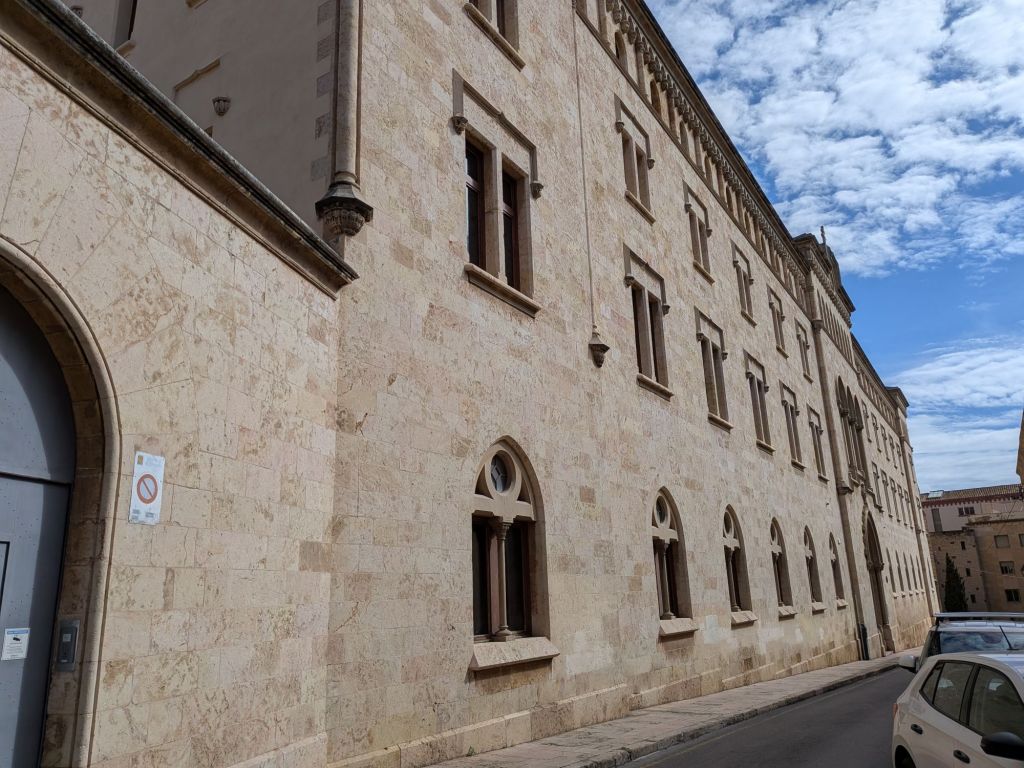
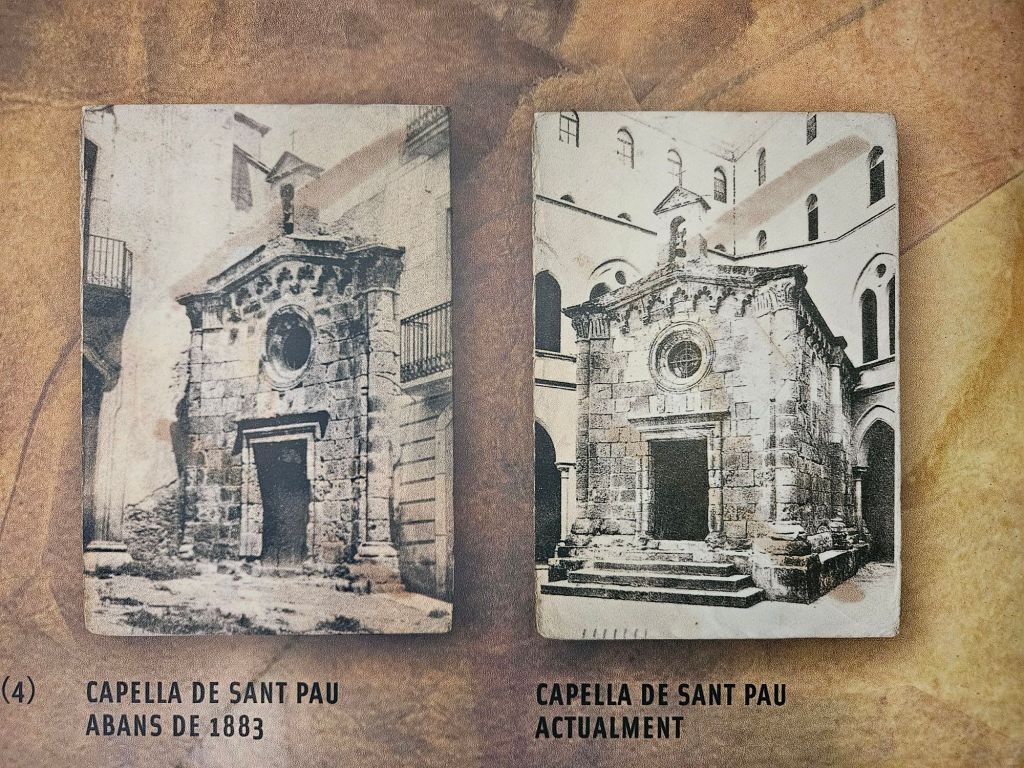
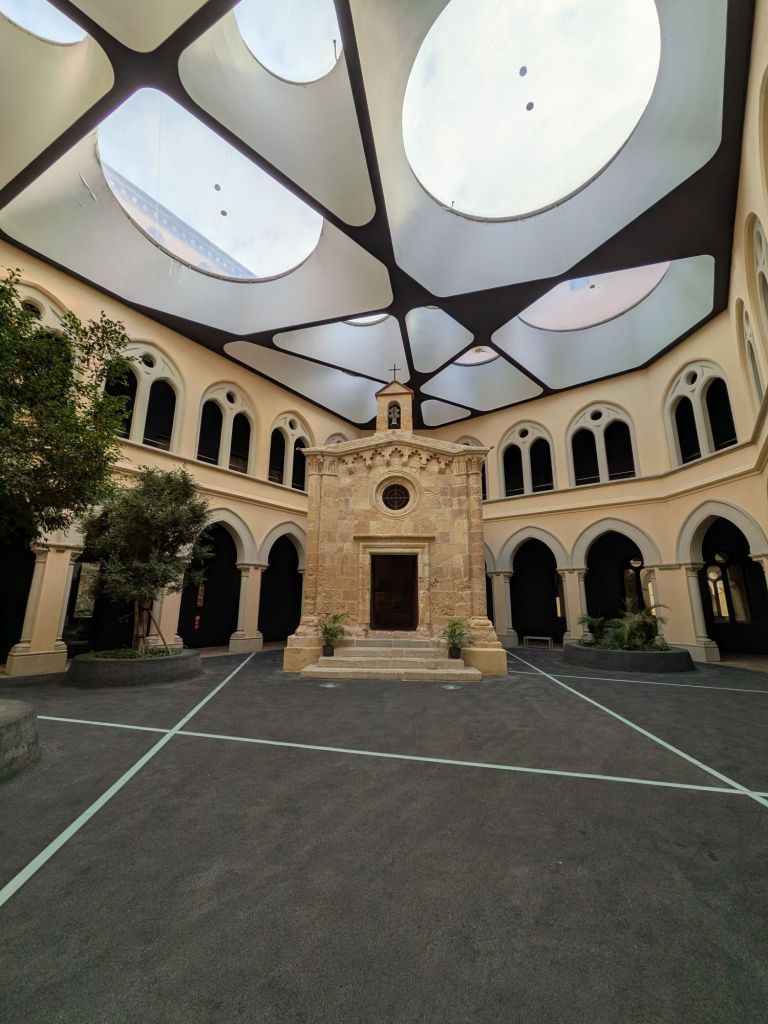
So that stop was fast. Up the street to the Chapel of St. Pau (Paul). We’re expecting a small 13th century chapel, but find a huge imposing building instead. Turns out it is the former seminary, built in the 1880s around the chapel, in a mix of Gothic and Renaissance styles that manage to be imposing and wonderfully elegant. (Hard to capture though because the surrounding streets are so narrow.)
The seminary itself ceased operations in the late 1960s and the building, extensively renovated between 2008 to 2012, now houses the cultural center of the diocese.
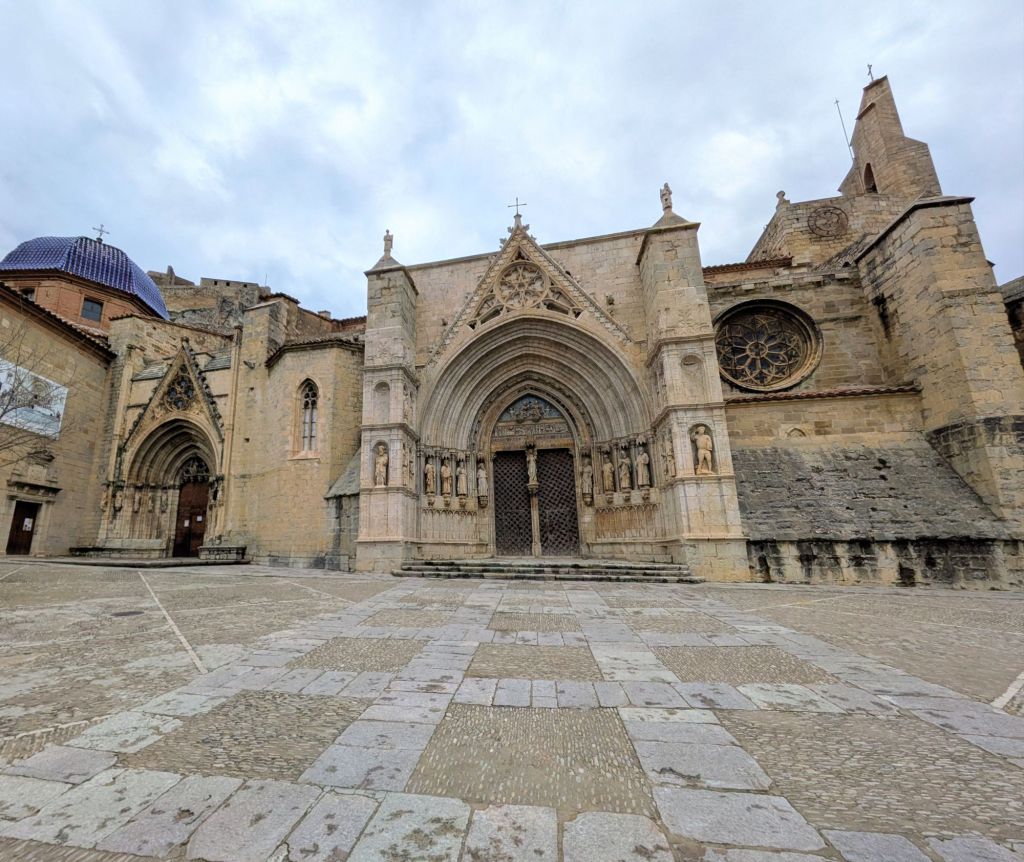
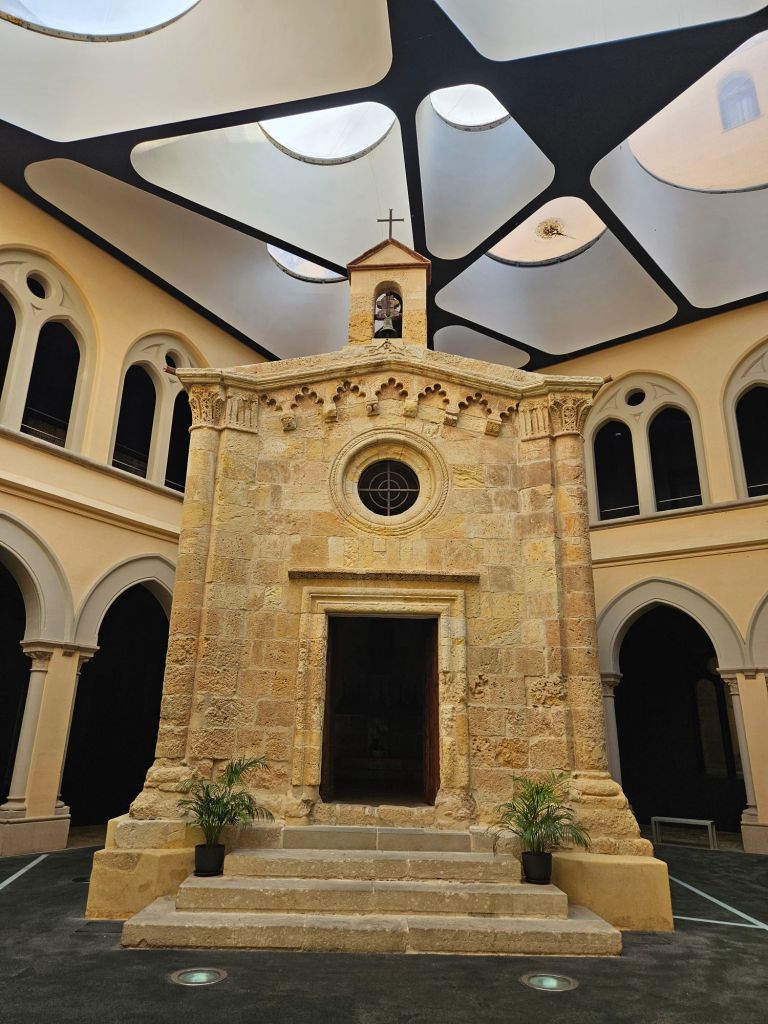
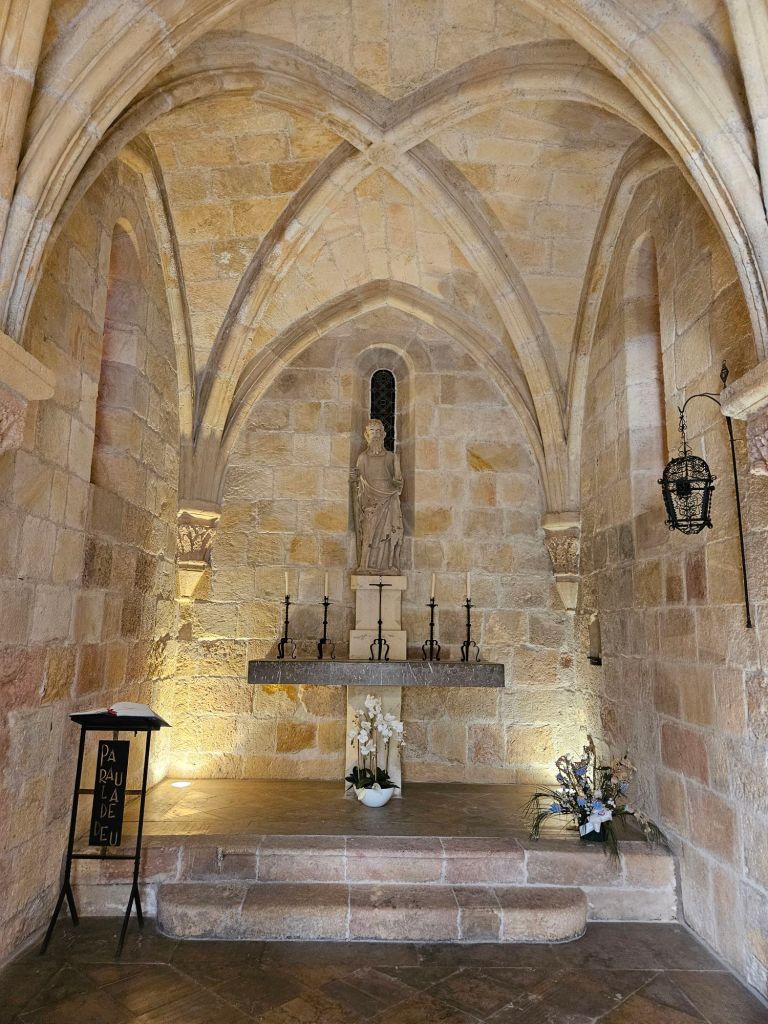
The chapel dates from the 13th century, after the end of the Muslim era, and was built as a satellite to the main cathedral (that’s another post). It adjoined the medieval hospital. Not only were two versions of the C. 18 building built around it, but in 2012 the whole courtyard was enclosed in ultra-modern style. The combination is like nothing we’ve ever seen.
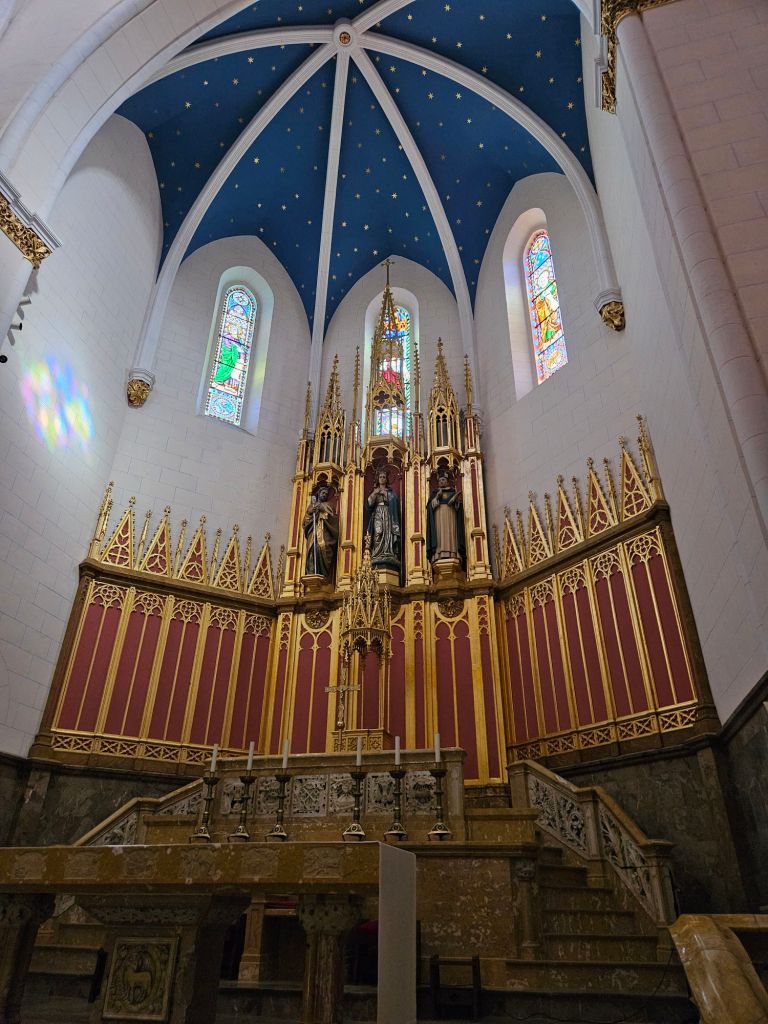
The chapel exteriorThe chapel interiorAn illustration showing how the chapel was integrated into the original seminary walls and uncovered during the most recent renovations.C13, C18, C21
The Seminary itself was a unexpected bonus, even if we were chastised, over a nearly unintelligible PA system, for going up the stairs to see the exhibits on the second floor. (In our defense, the lights were on, there was no signage, and we could see more exhibits on the upper gallery.)
Because the old chapel was not enough, there was also a new chapel in the seminary.
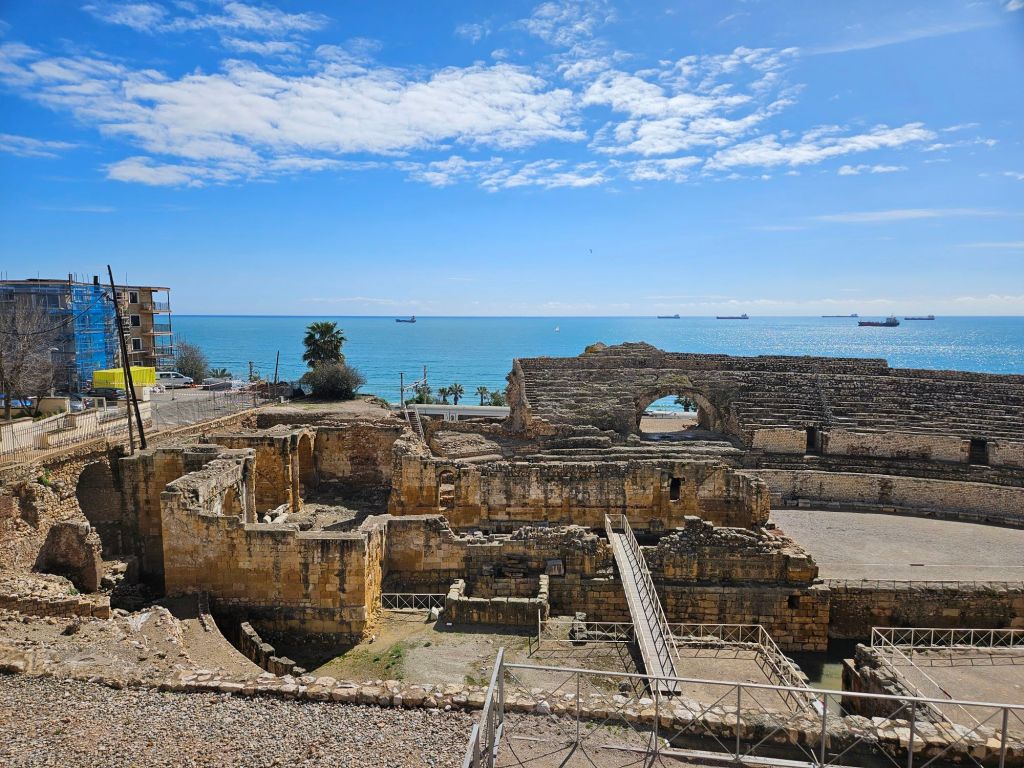
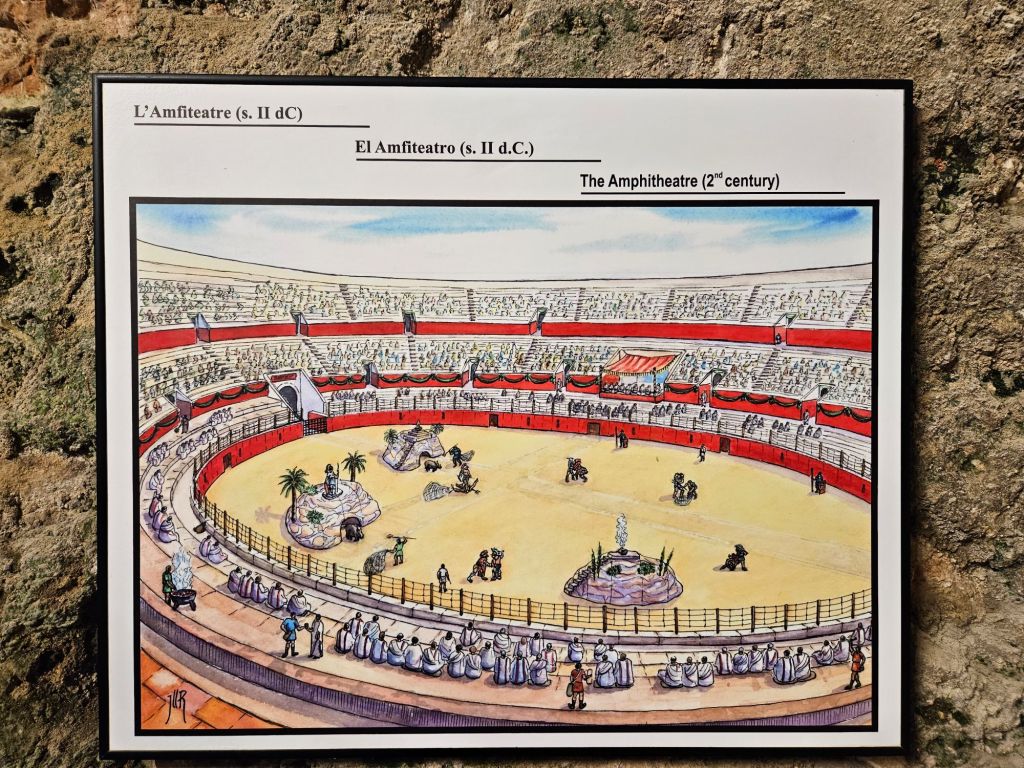
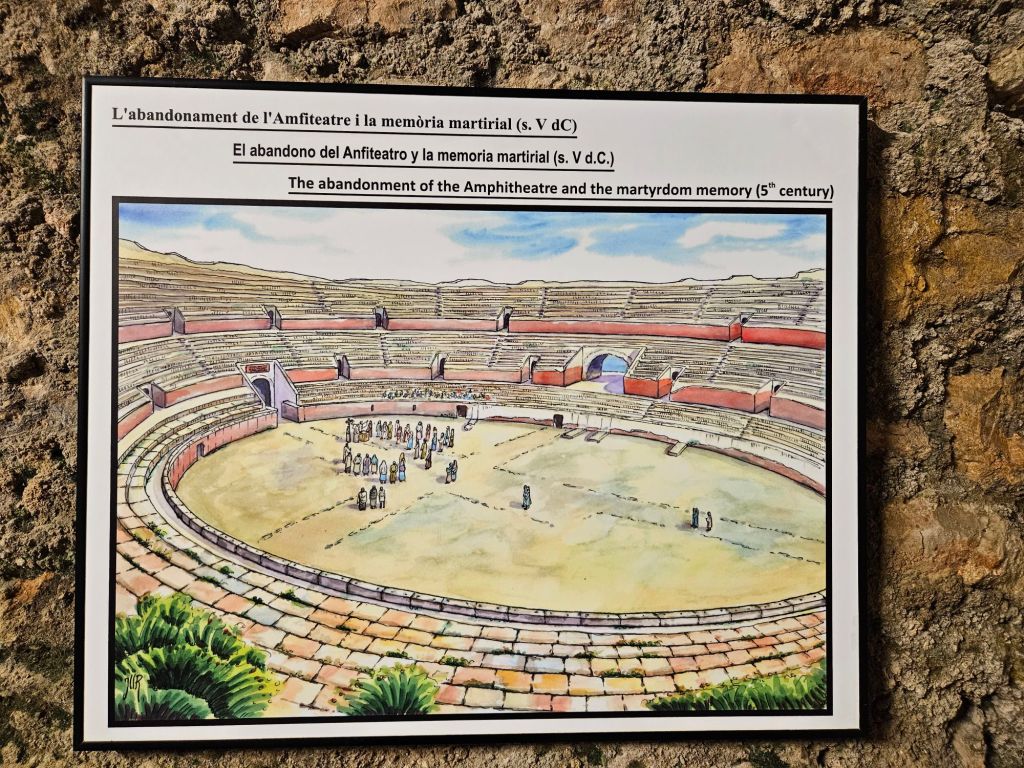
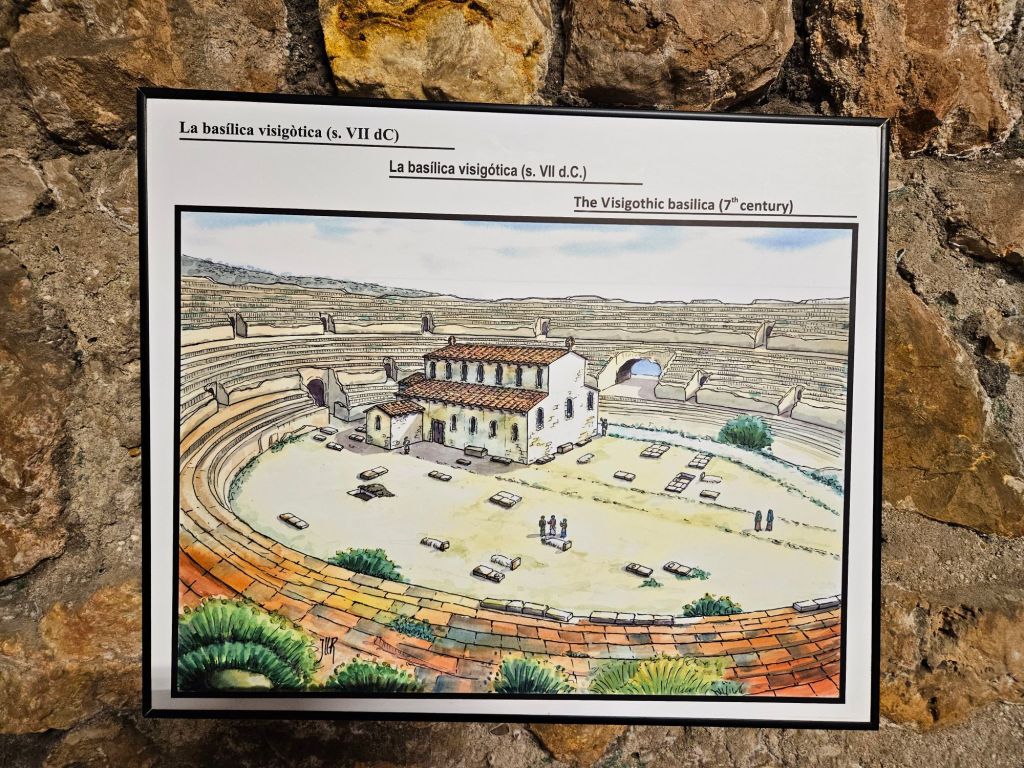
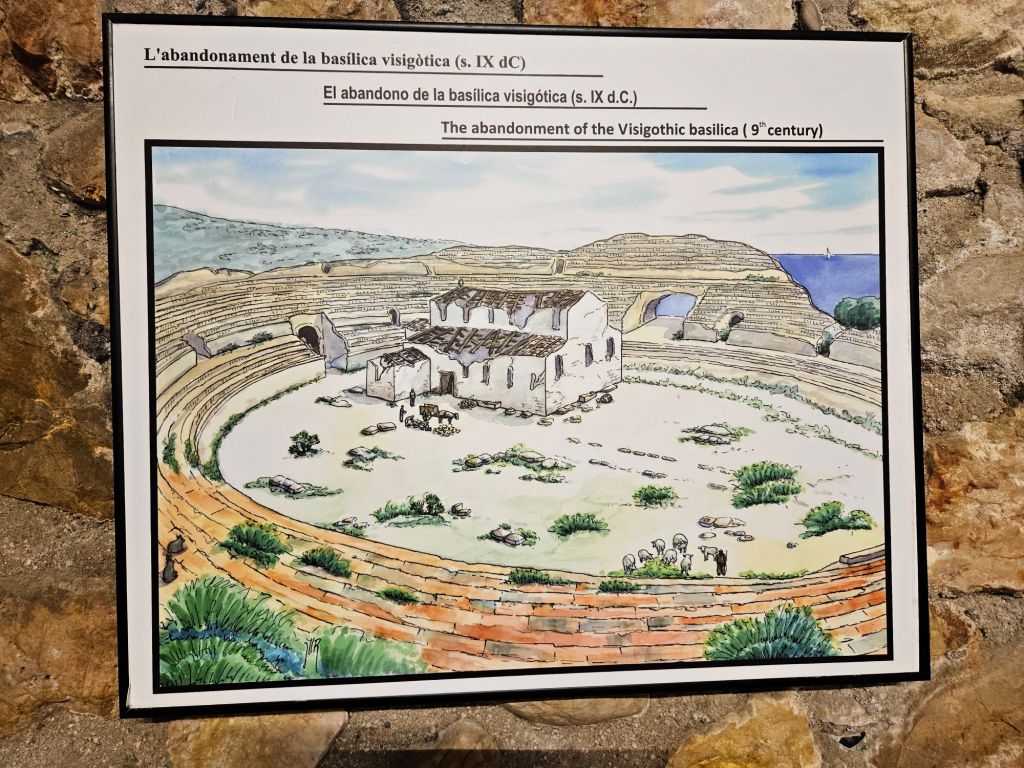
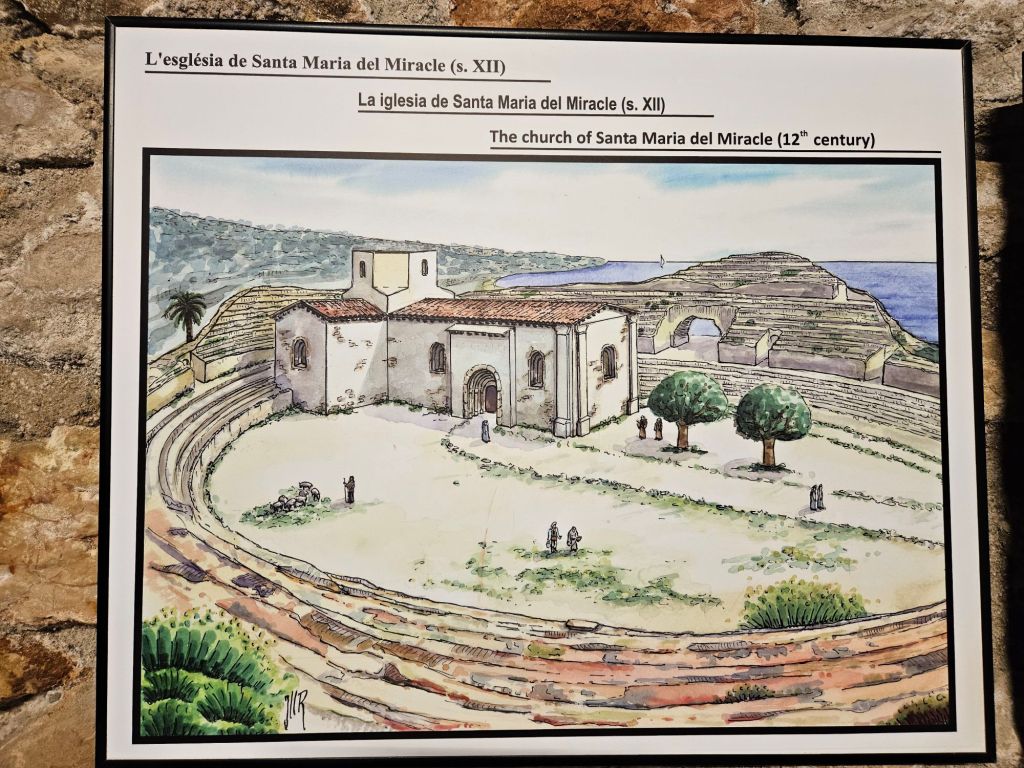
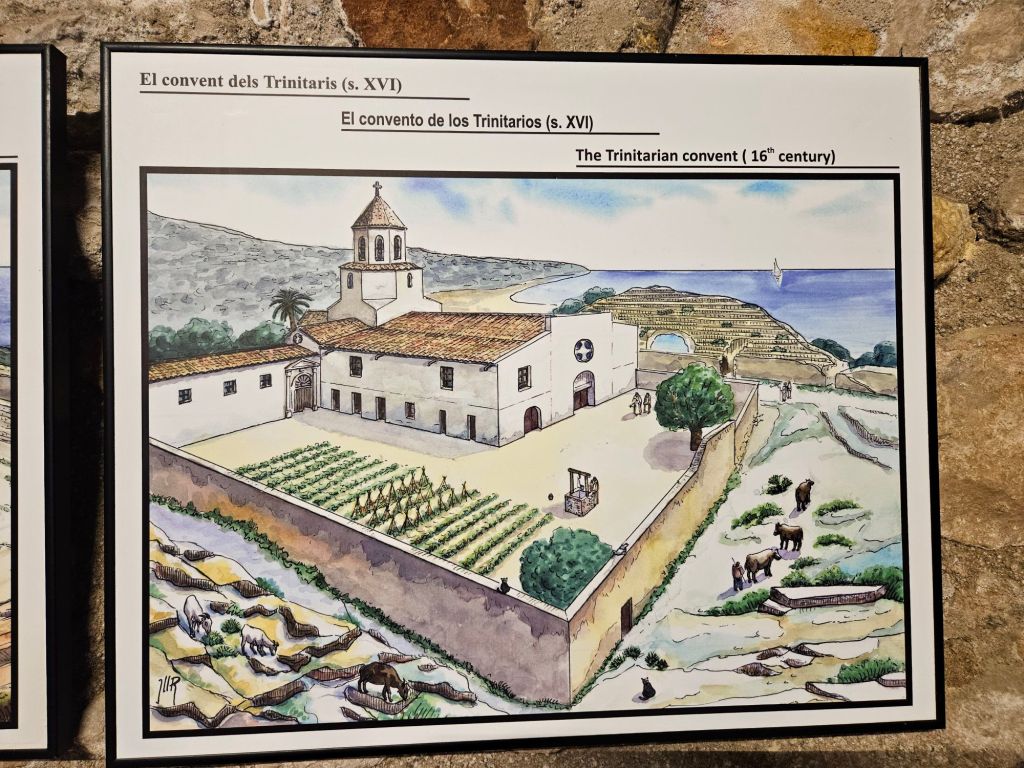
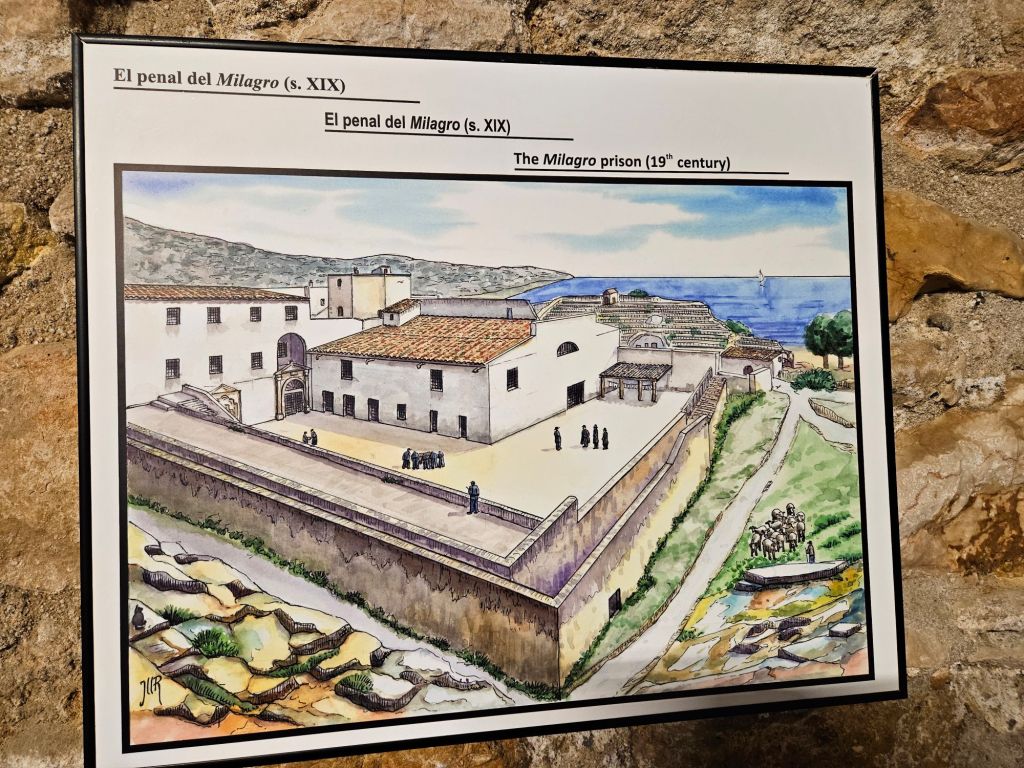
Visited the ruins of the Roman amphitheater (c.150 después de Cristo) in Tarragona today. Visible within are the remains of two separate churches built approximately 600 (the Visigoths, after the fall of the Empire) and 1300 (Christians rebuilding after the Reconquista). So many layers of history.
Later dinner–by our standards. At 10:30 the dinner hour was really just beginning.
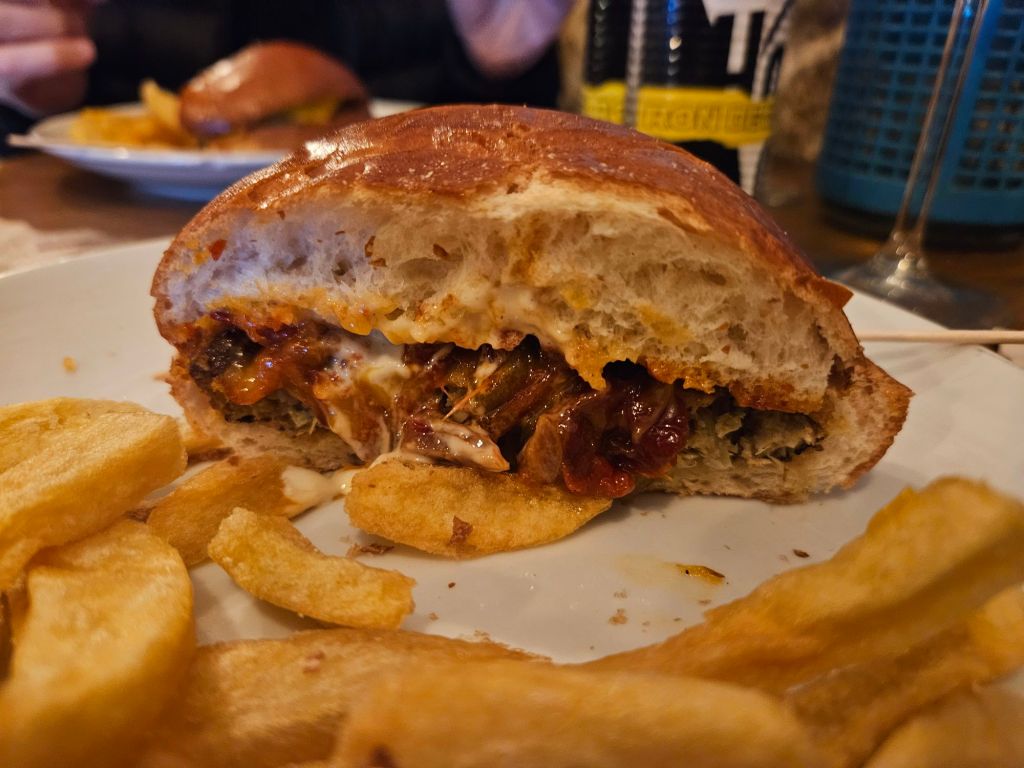
In any event, since we’d had a large late lunch, we decided to split the alcachofa hamburguesa. Best veggie burger I have ever had.
Had to interrogate the owner so I can hopefully recreate this at home. Cook your artichokes in a small amount of water, then finely chop them with their cooking liquid (so as to not lose any flavor). Add some soft chickpeas (to bind it together), along with olive oil, salt, and pepper to taste. Sear the patties on a hot plancha. Serve on a bun with roasted red pepper, aioli, caramelized onion, and a little spicy brava sauce.
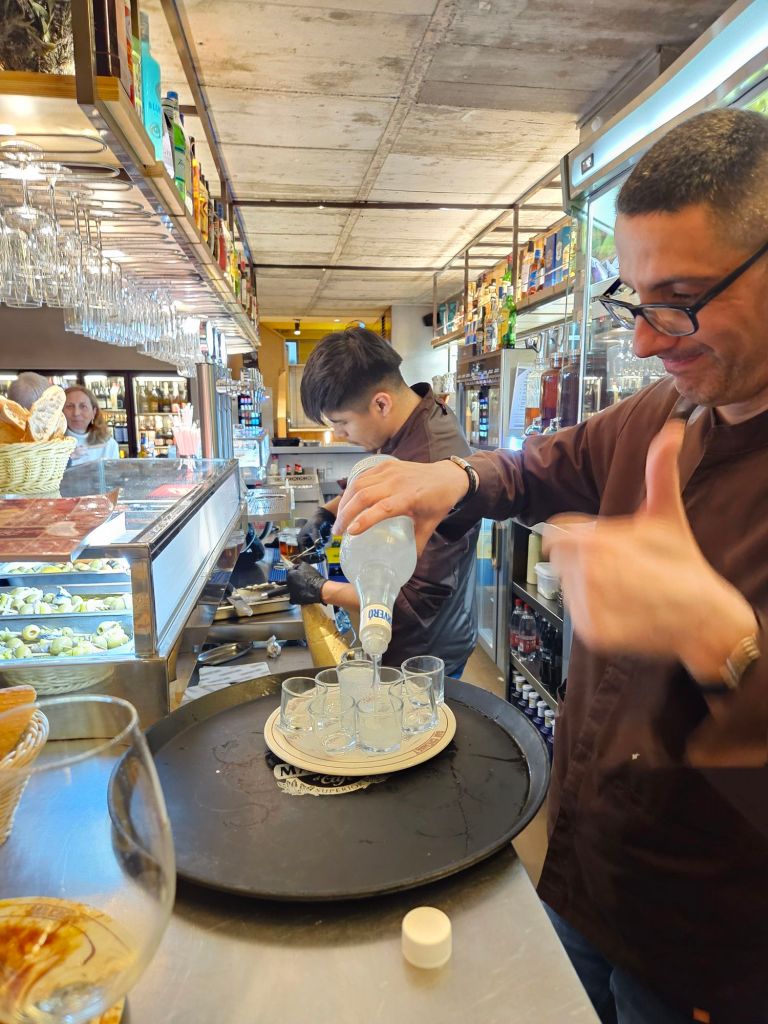
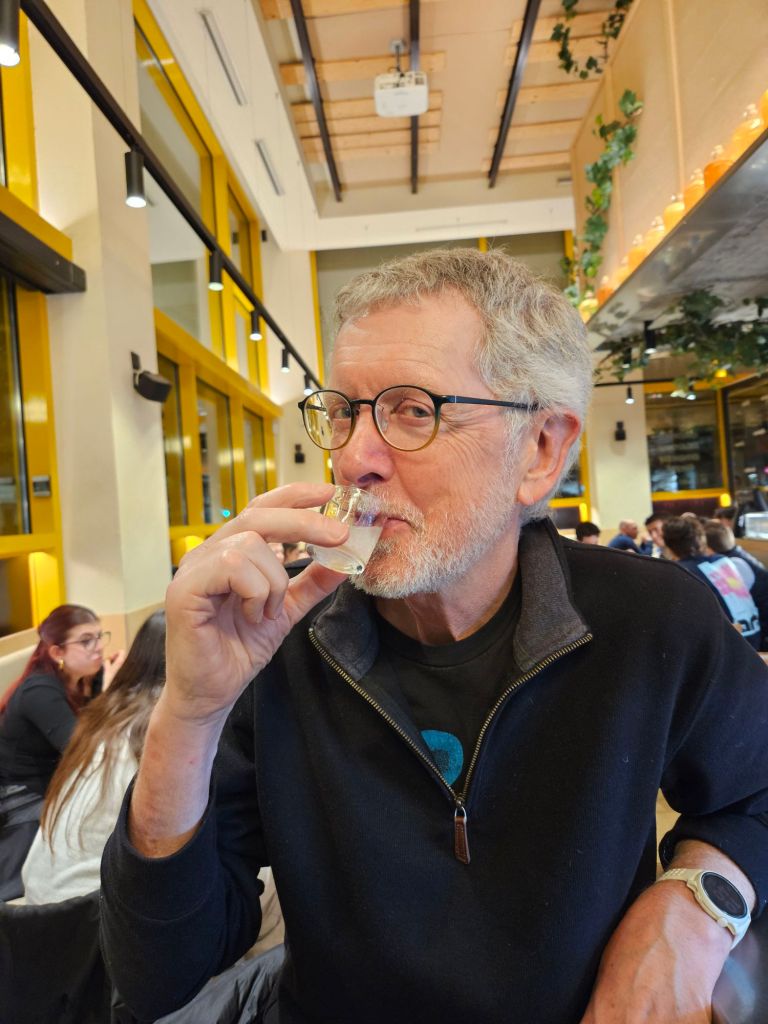
Sitting in a bar, at the bar, eating tapas. Waiter just poured a round of shots from a frozen bottle of some sort of Valencian liquor. As he swung out from behind the bar towards the table of 10 young men, we caught snatches of a song hummed under his breath.
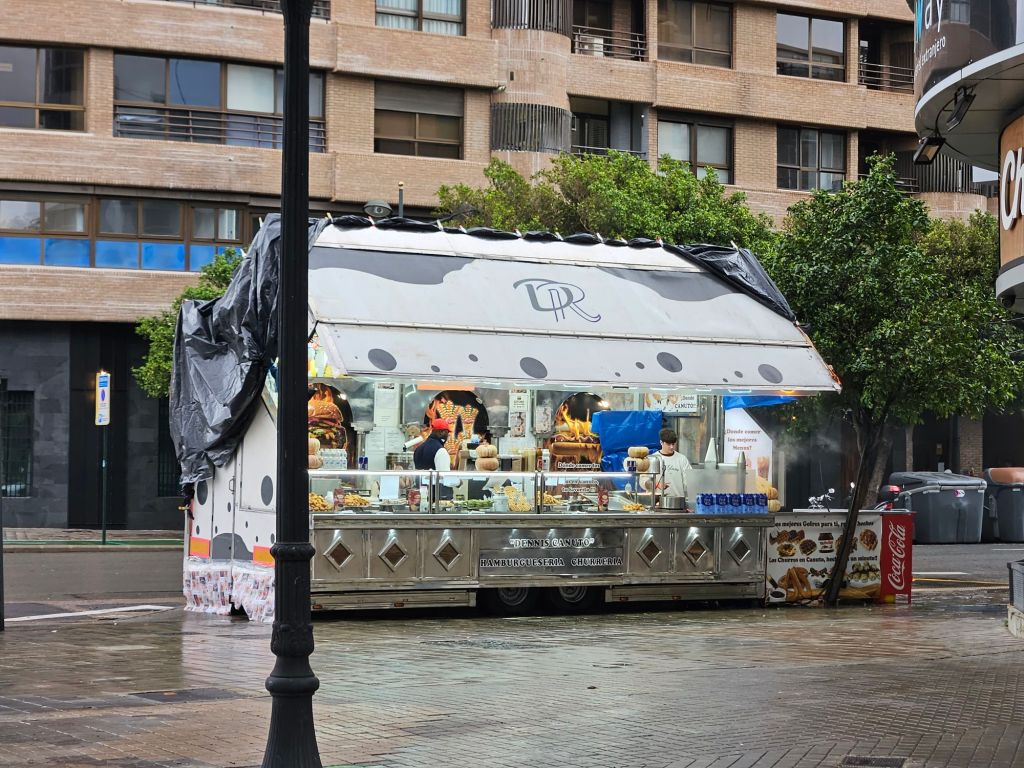
Seemingly overnight the city has sprouted buñuelo stands everywhere you turn. Buñuelos are a fried doughnut made (at least in theory) from dough made with squash (calabacín). I suspect that in practice they’re made with the same 50 kilo bags of powdered mix as the churros the stalls also sell.
We tried a few from “our” bakery and decided they were chewy and interesting, but thought maybe they would be better freshly fried. We decided to try a few more from the stand outside a church, for comparison purposes (really, for research only), but noticed that the health inspector, large digital thermometer in hand, was in the process of shutting them down. Oops. Dodged one there?
 Kerry & Richard in Spain (mostly) 2026