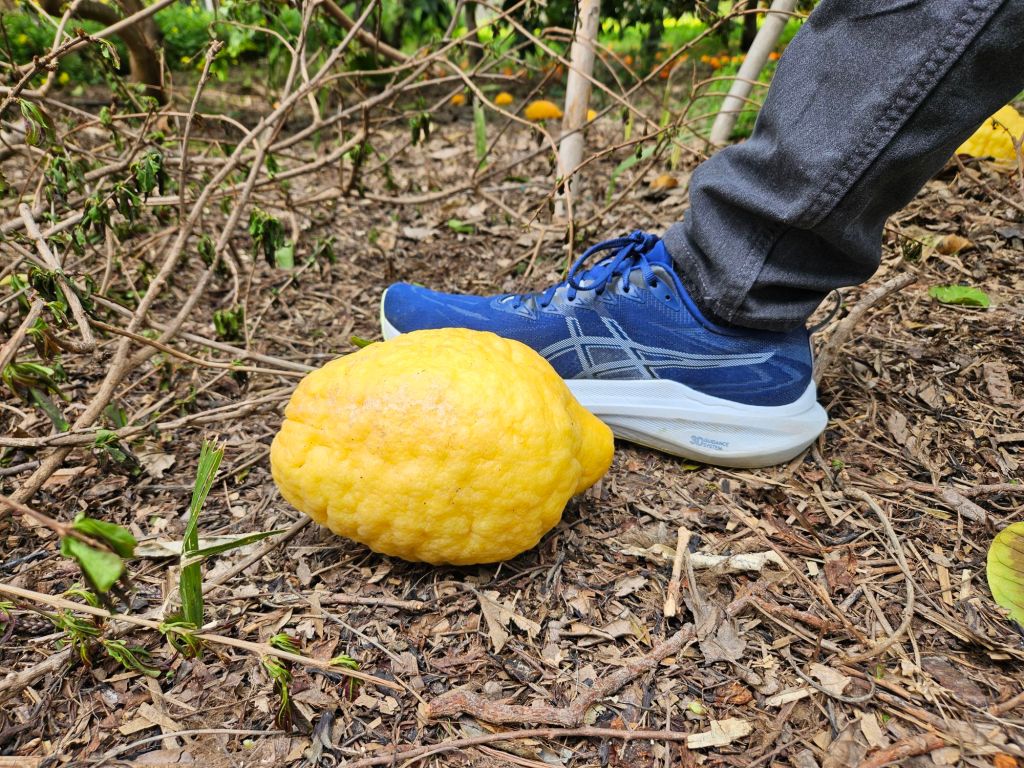
A few months before we left, I read an article about the Todoli Citrus Foundation in Spain and immediately resolved to visit. R had proposed a more northern driving route, but I insisted on a stop in Gandia. So glad I did.
The Foundation grows over 500 varieties of citrus, preserving antique varieties, testing climate resilience, and hybridizing new varieties. On the tour you get some explanation (in Spanish, but we followed mostly) and–the best part–the opportunity to try some 15-20 varieties of citrus.
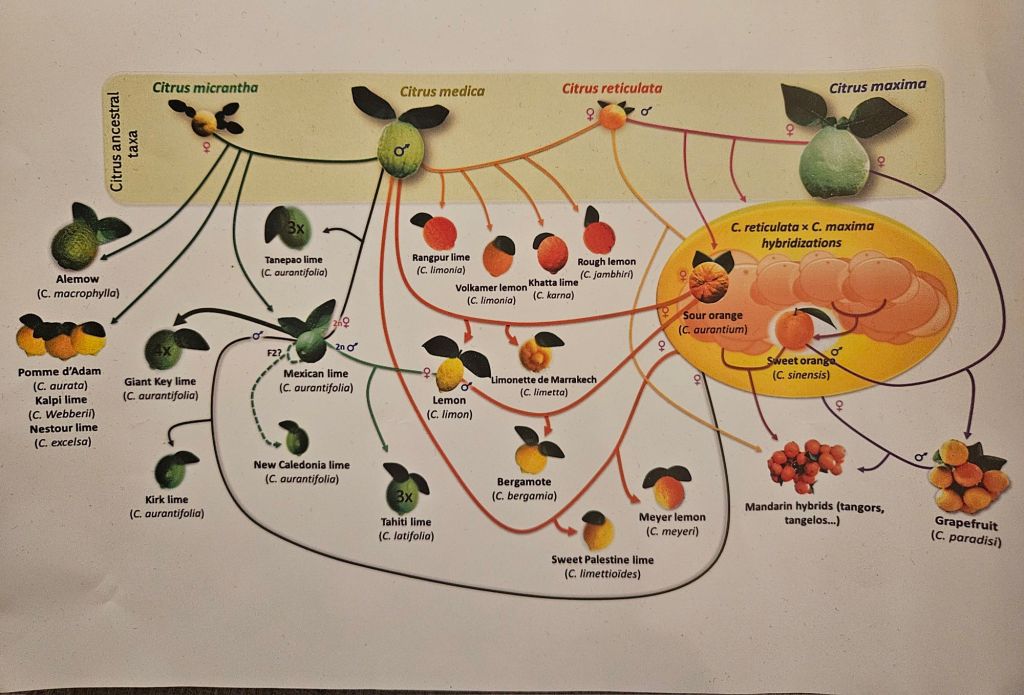
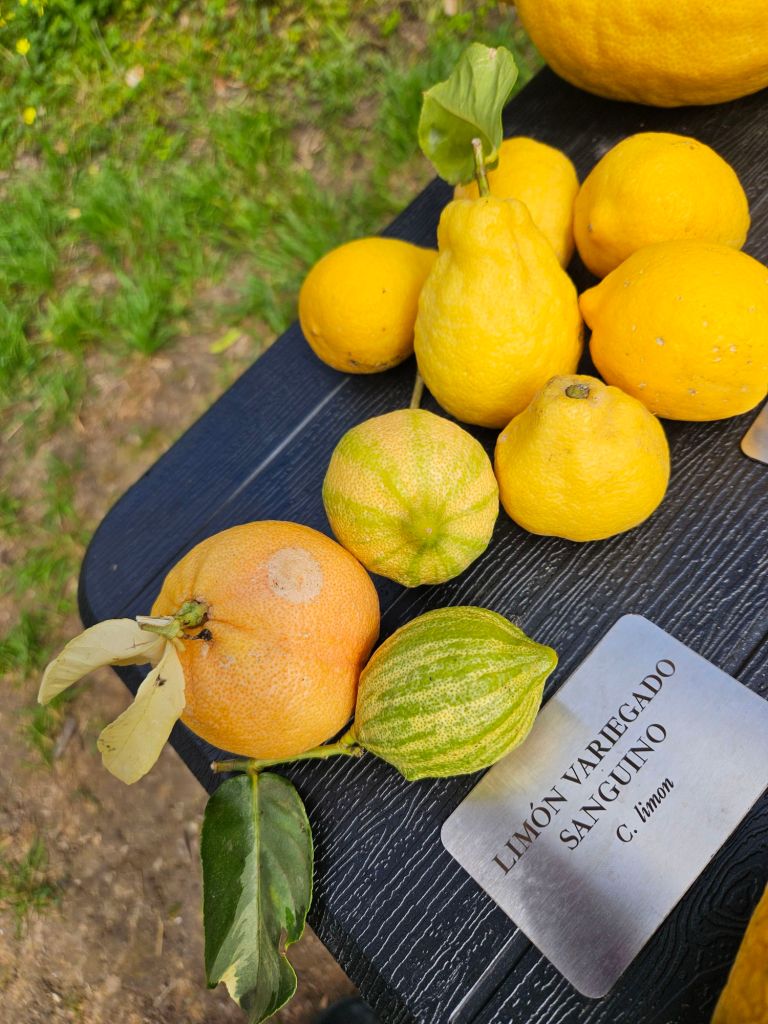
All modern citrus comes from just 4 ancestors, and are divided (roughly) into sweet and acid. Within each of these, sizes, shapes, colors and flavors are amazingly different.
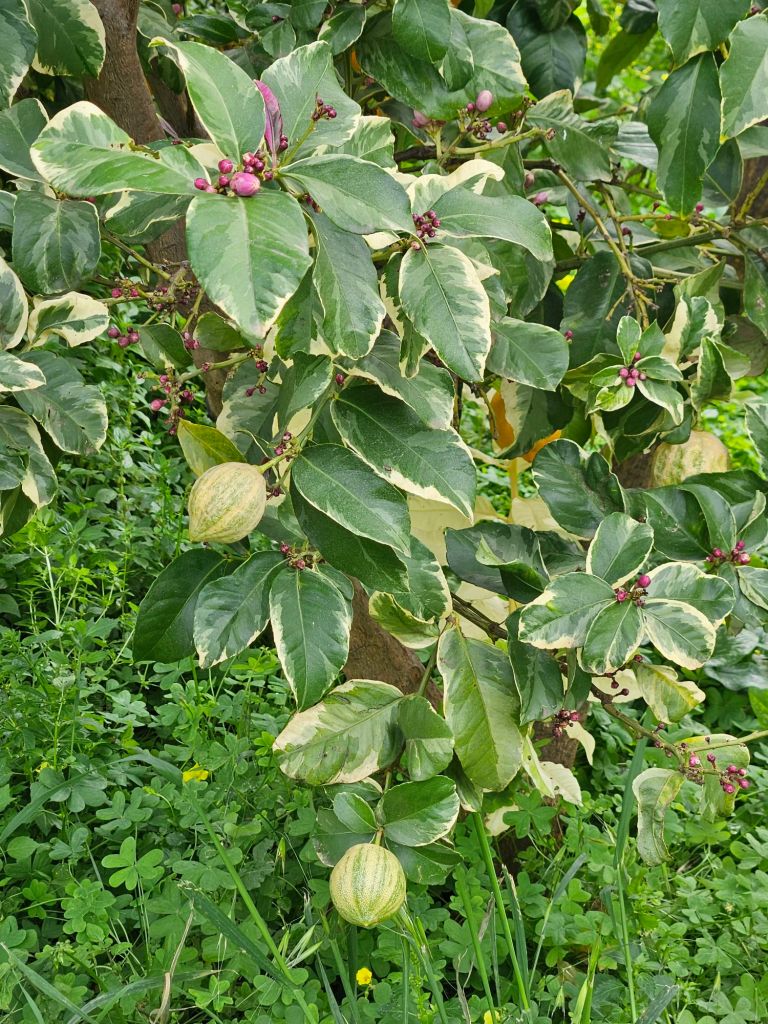
At least some of the trees come from varieties that were, some 1000 years ago, introduced in Spain by the Moors for their ornamental and aromatic purposes. Later, the Borgias were big collectors of beautiful citrus trees. Today, you walk into the garden and experience sensory overload of smells, colors and tastes.
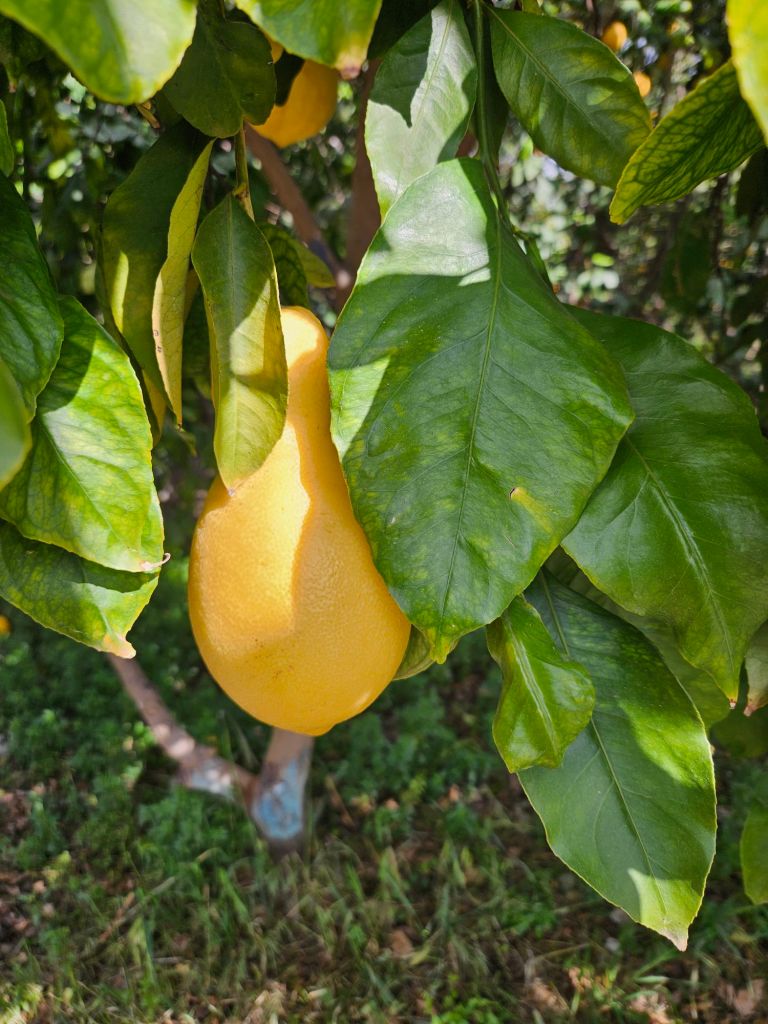
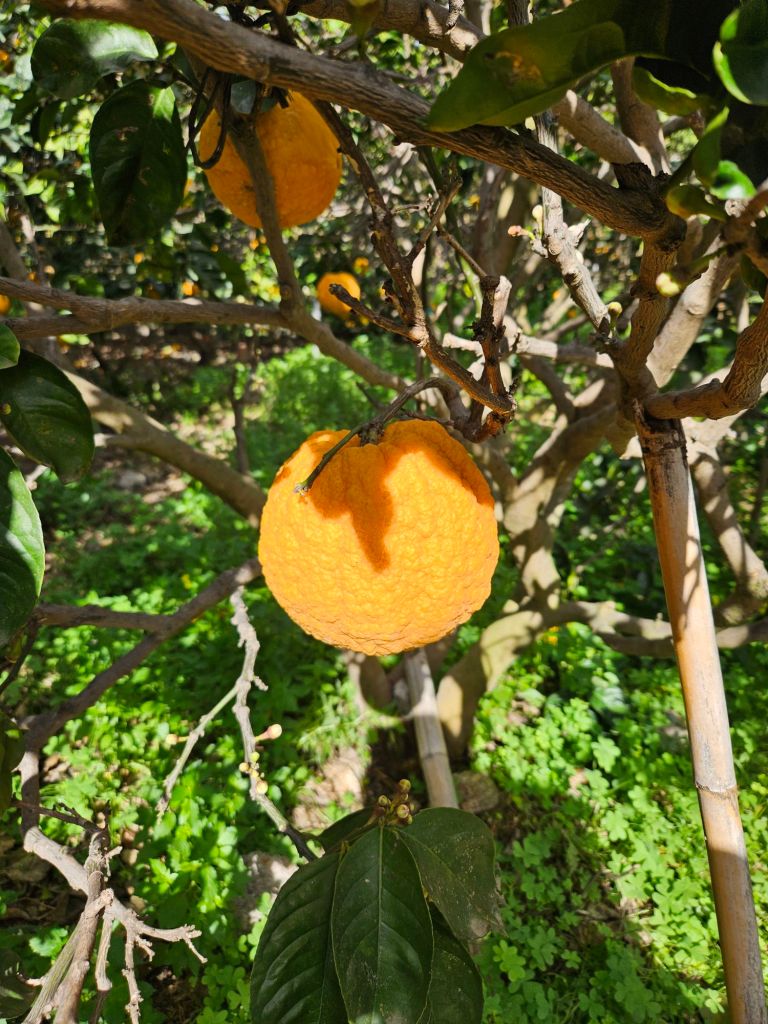
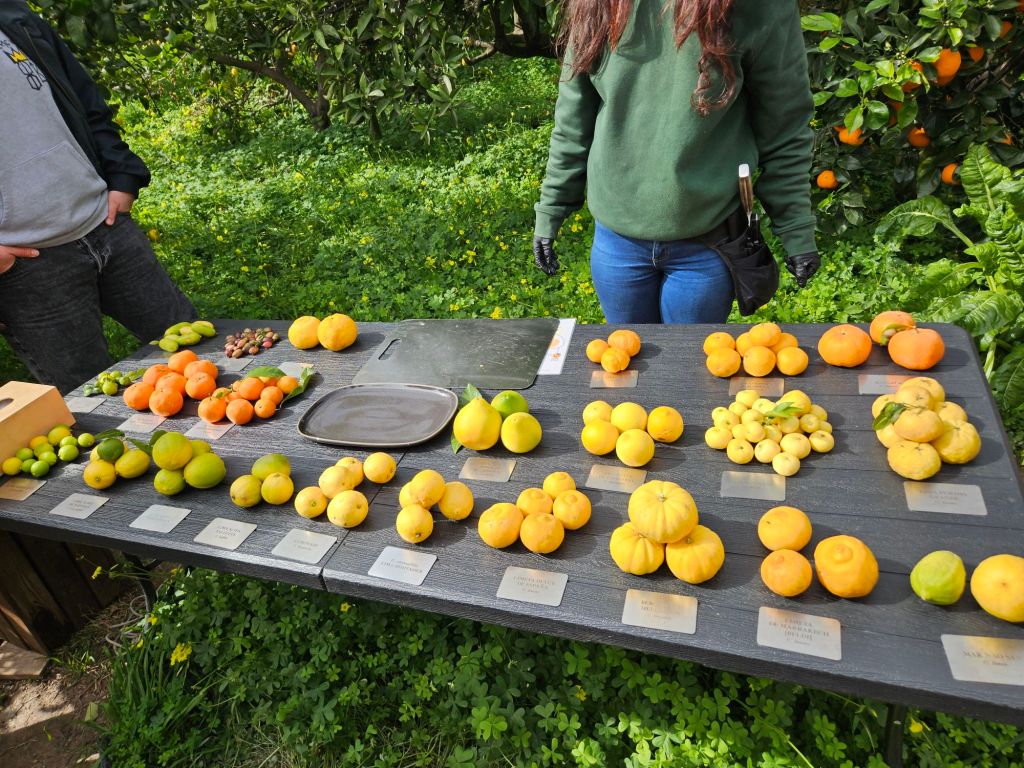
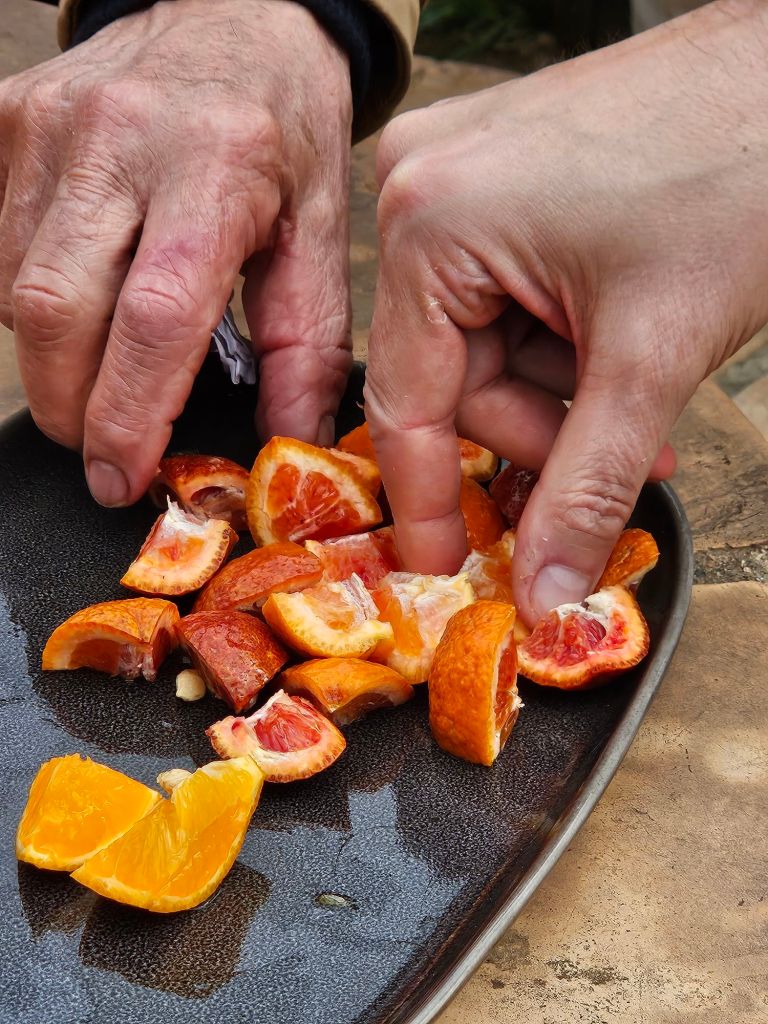
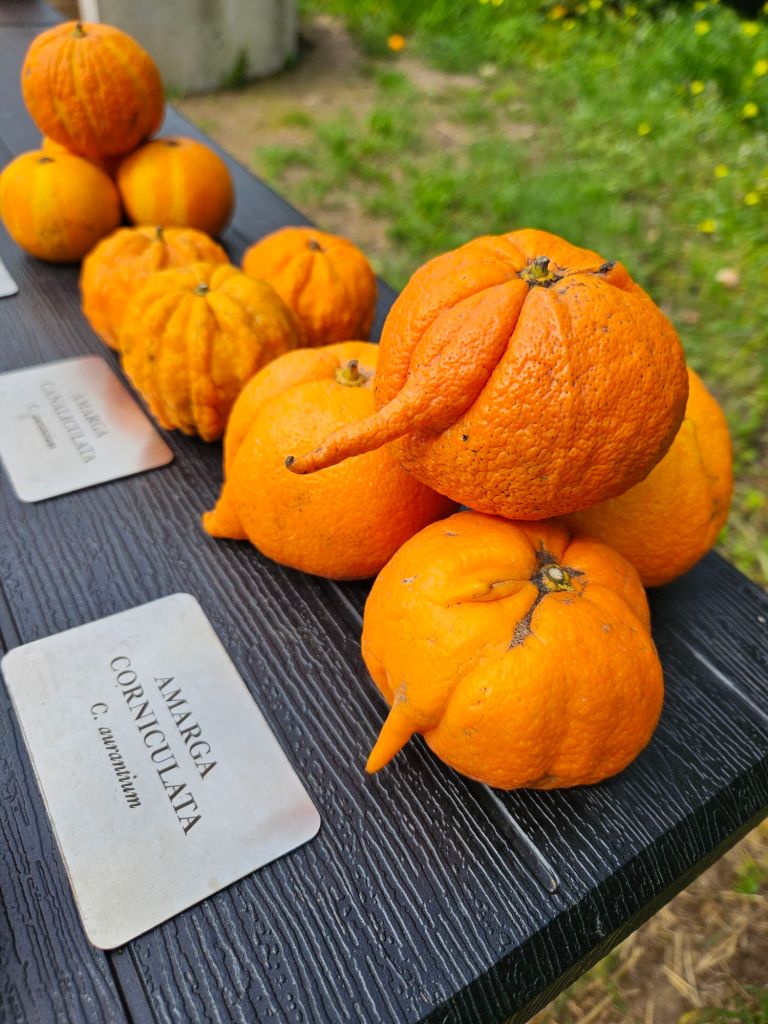
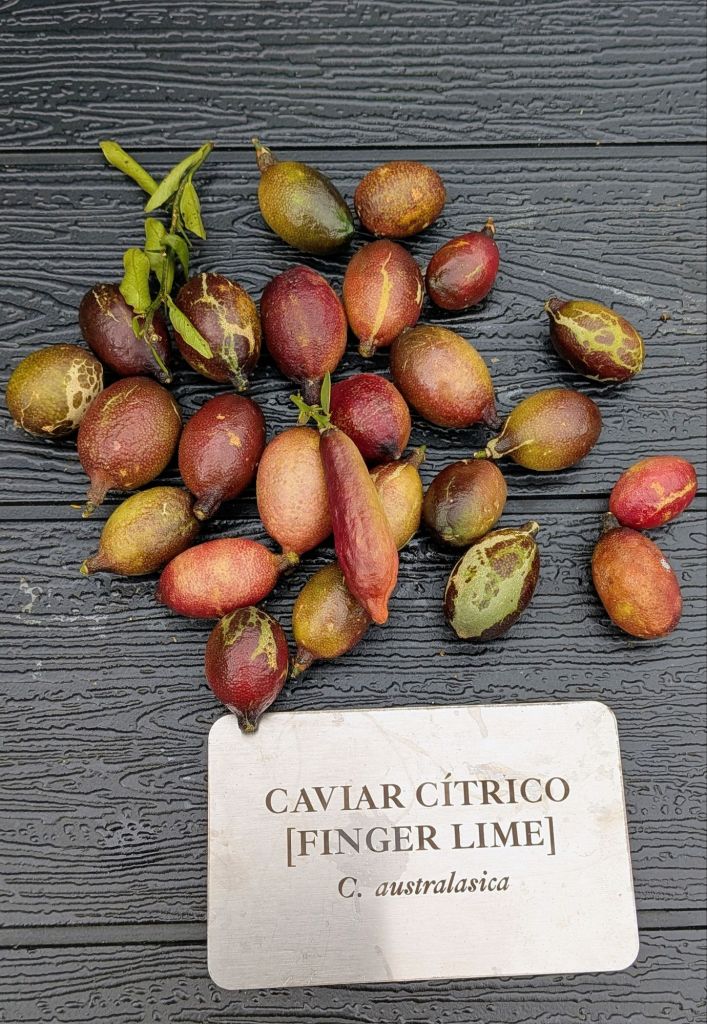
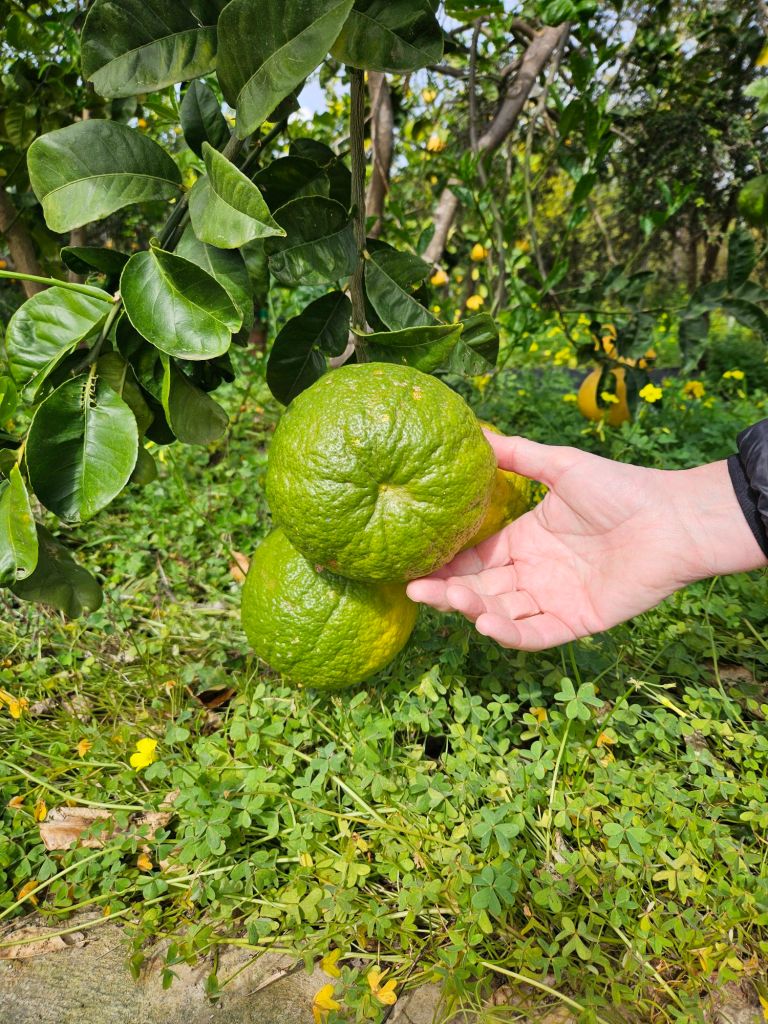
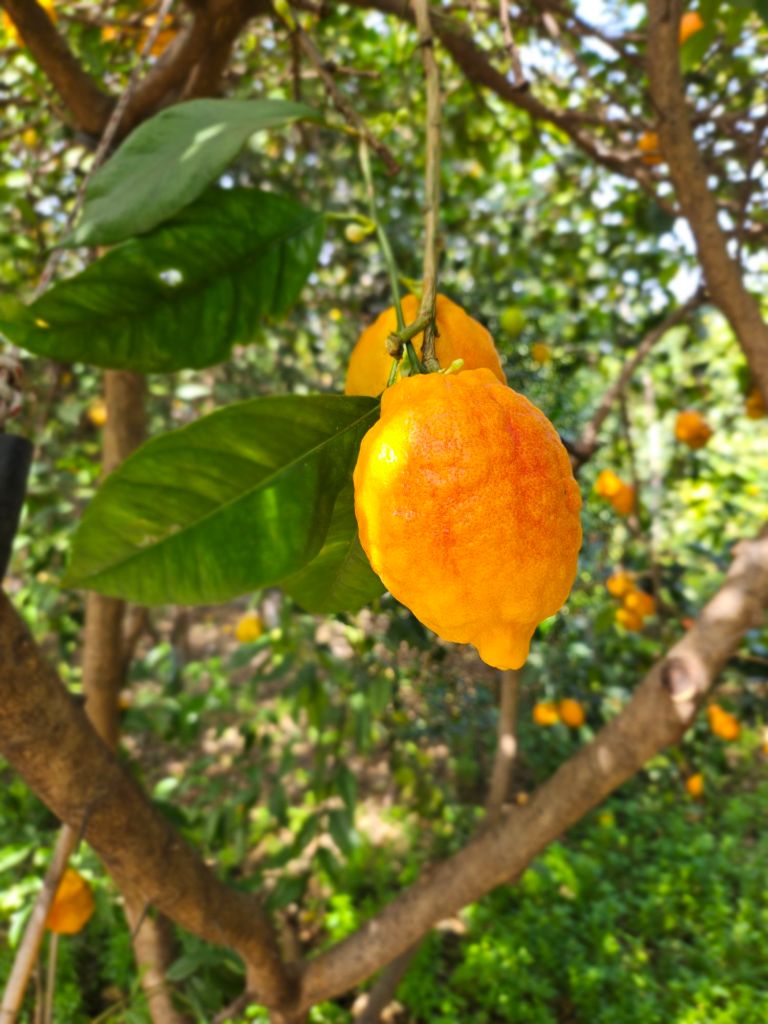
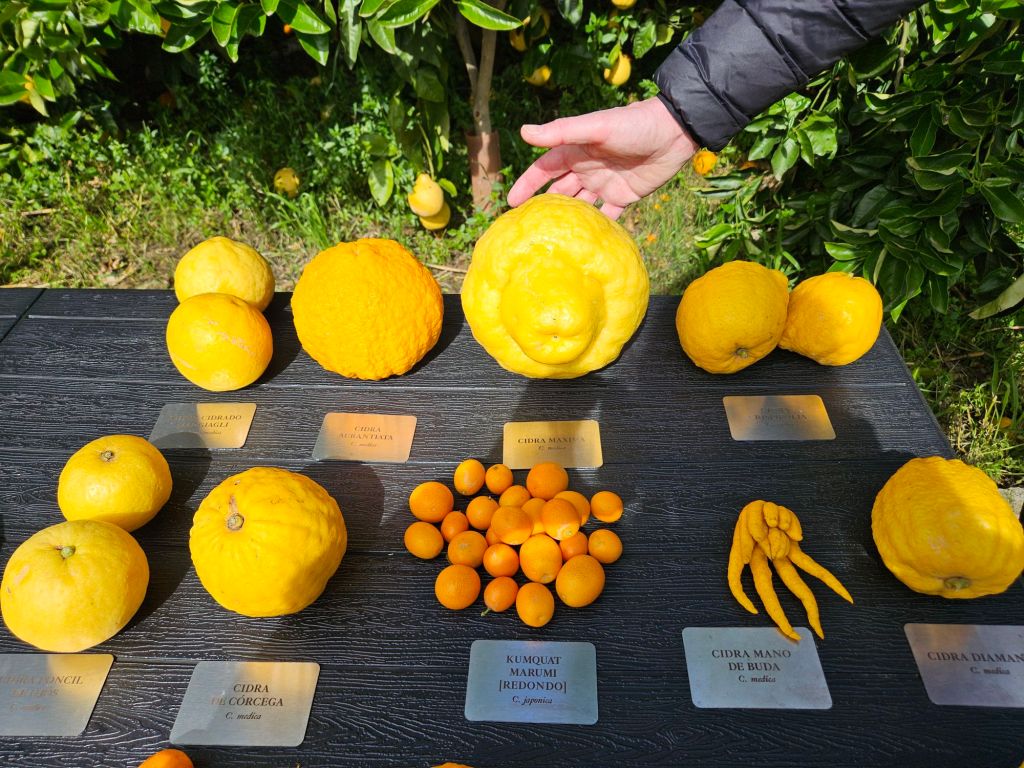
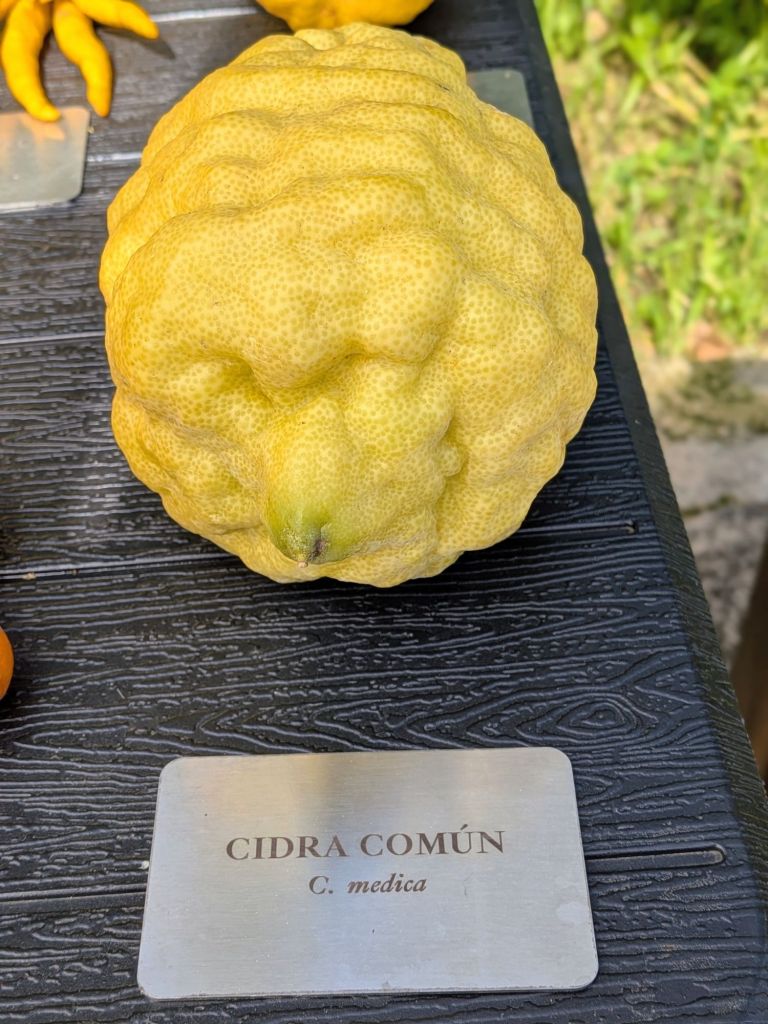
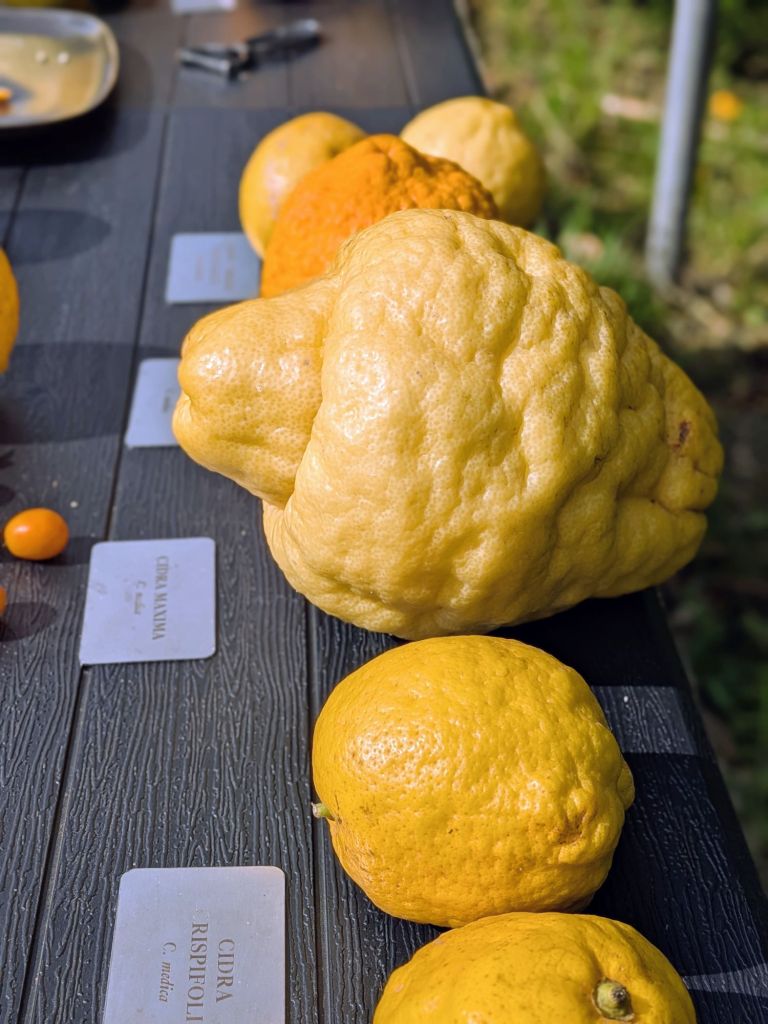
We were both blown away by the “citrus caviar” also known as Australian finger limes–a fruit the size of a walnut containing salty-sour-sweet granules unlike any other citrus we’ve ever tasted. I also, at our guide’s suggestion, dropped a piece of bergamot peel into my purse. Still getting lovely wafts of scent every time I open the bag. We also both regret not remembering the name of the citron that had a very acidic, small central pulp, a bitter orange exterior skin, and a thick phenomenally sweet and flavorful white pith.
R here: I did a deep nerdy dive into citrus genetics afterwards. Complicated. The four main naturally occurring citrus – pumelo, true mandarin, micrantha, and can’t remember the other one – emerged from a common ancestor 12 million years ago in the Himalayas. The seeds of one of these crossed the Wallace Line from SE Asia into Australasia 4 million years ago, so the three wild Australian species are pretty distant, genetically. All our familiar varieties are hybrids.
 Kerry & Richard in Spain (mostly) 2026