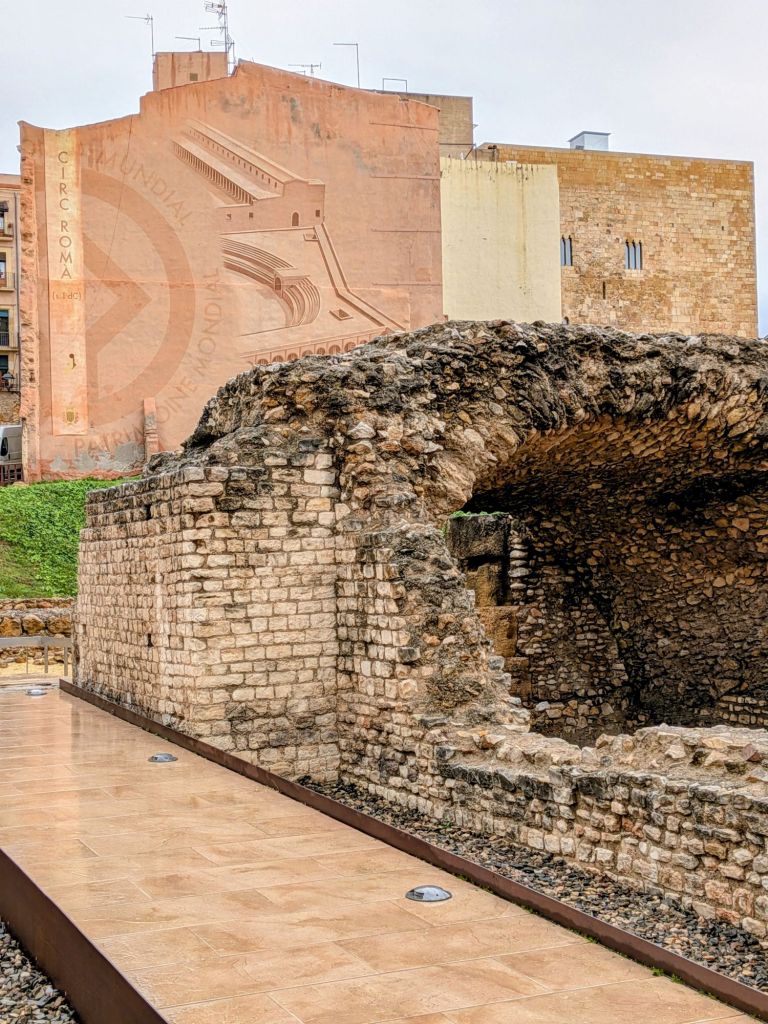
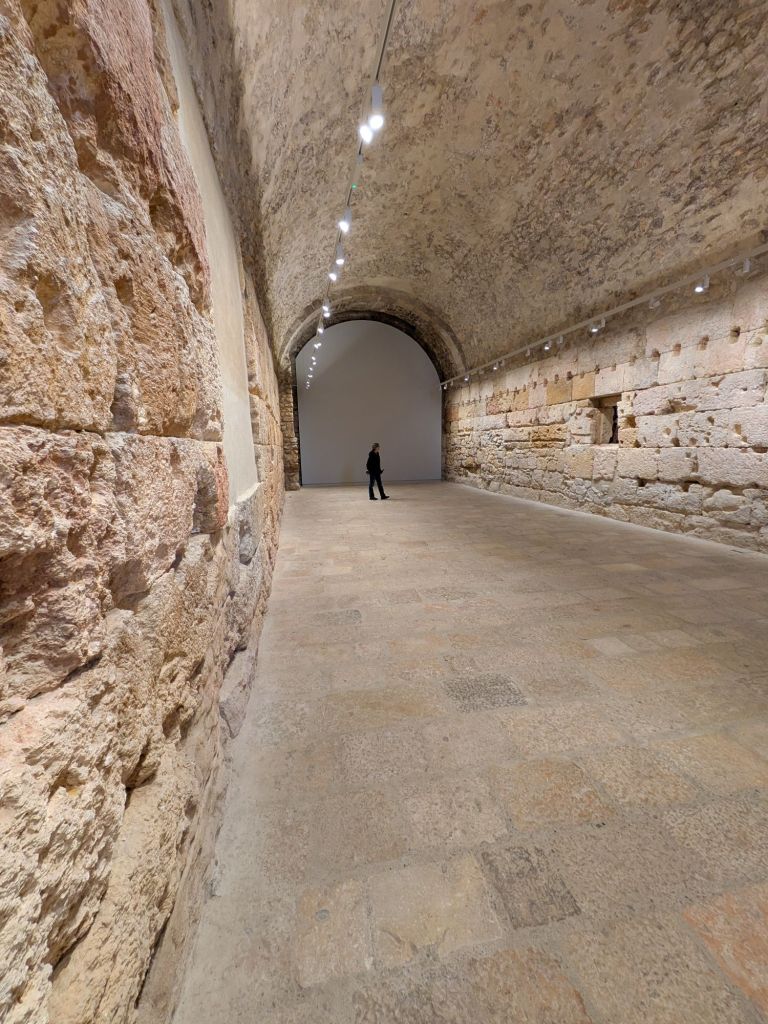
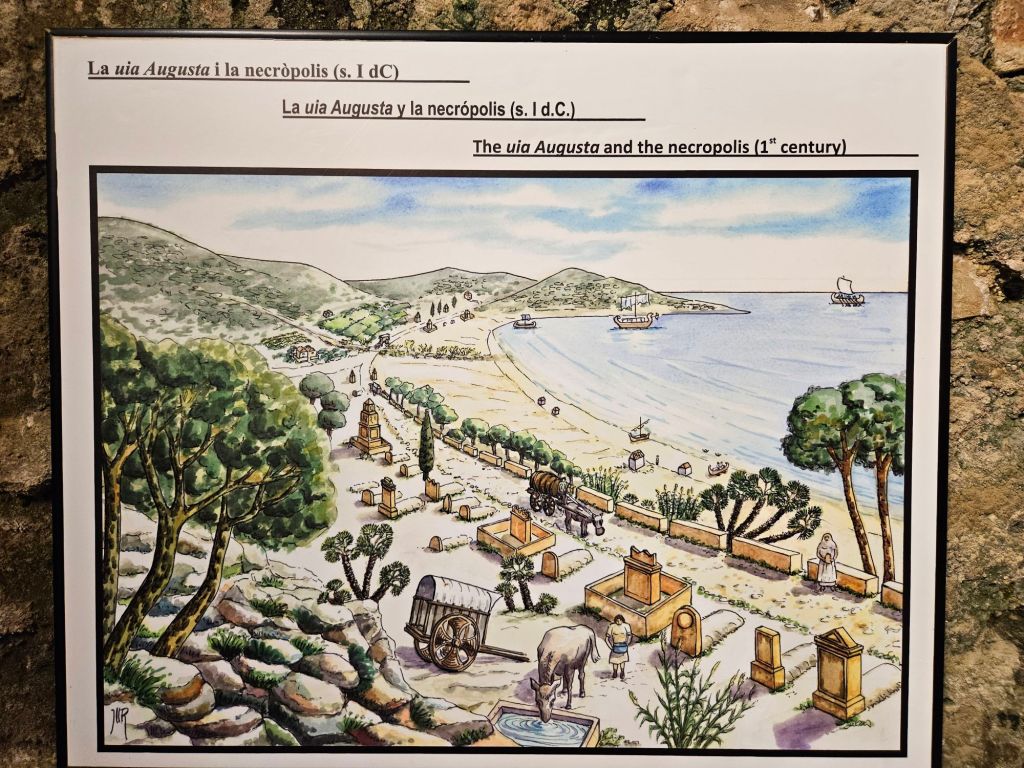
Eastern end of the chariot stadium – see the handy plan on the wall behind, in which you can just (at bottom) see the arches of which this was one.
Tarraco – as the lads from Italy called it – was a major settlement by the first century; what remains of it is the largest set of Roman ruins on the Iberian peninsula. See K’s earlier post for the anfiteatro (location, location, location).
Y mucho más: the entrance to the ruins (above) is the beginning of a clockwise circuit within and around the entire city wall. Some of the major stops:
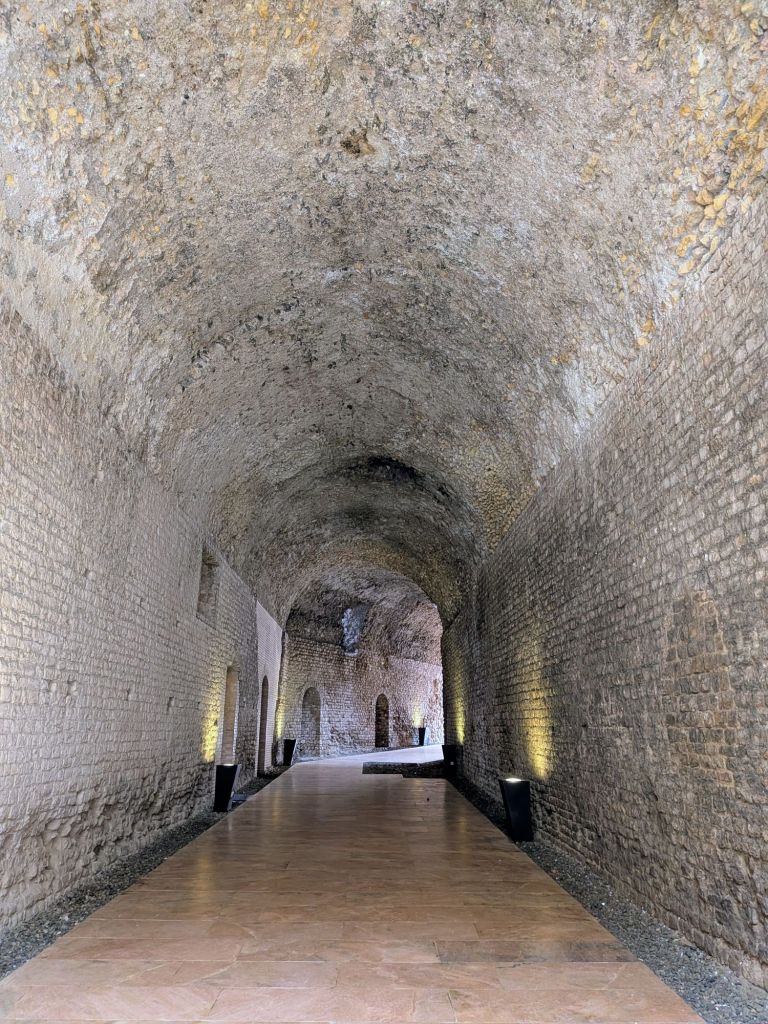
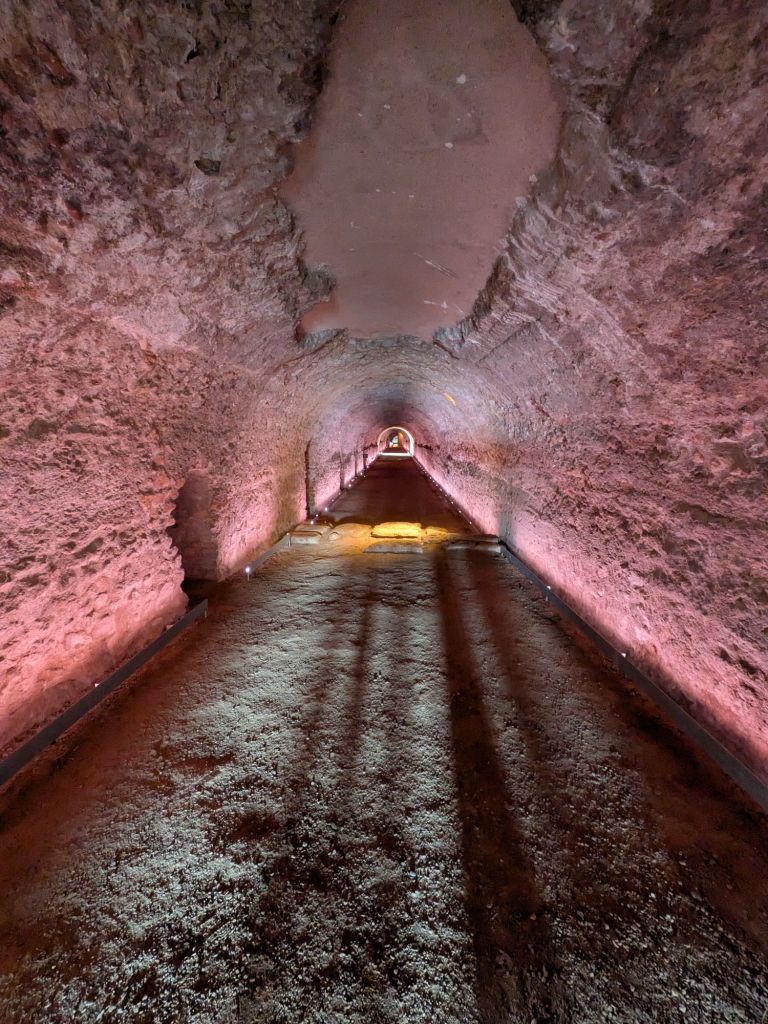
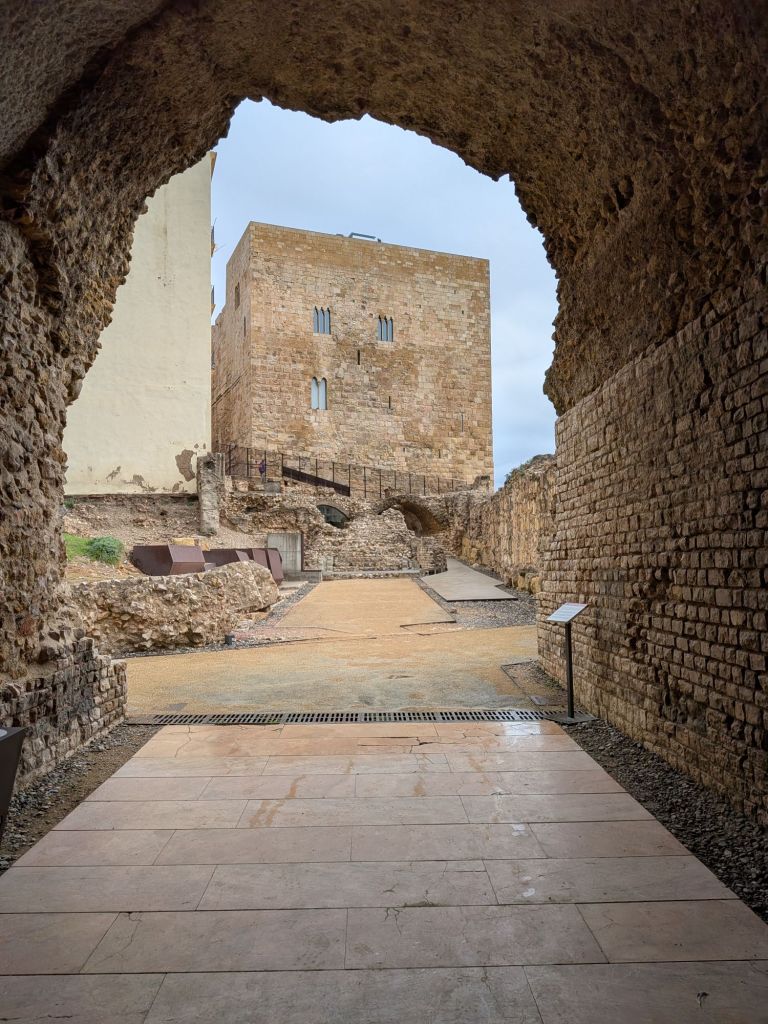
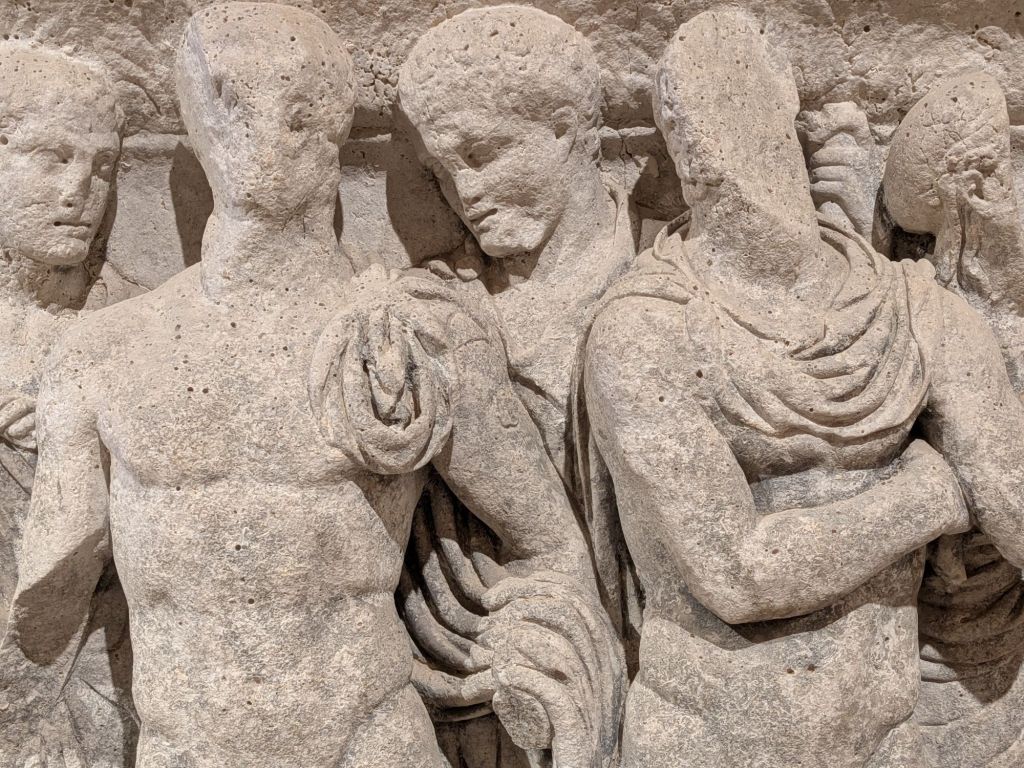
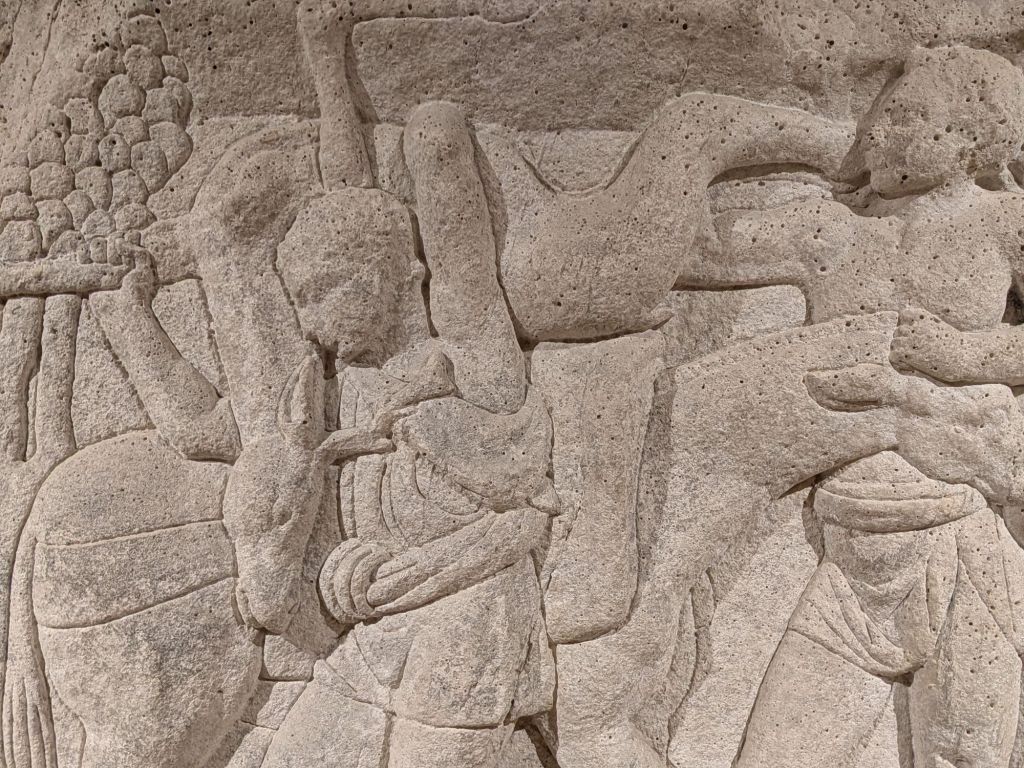
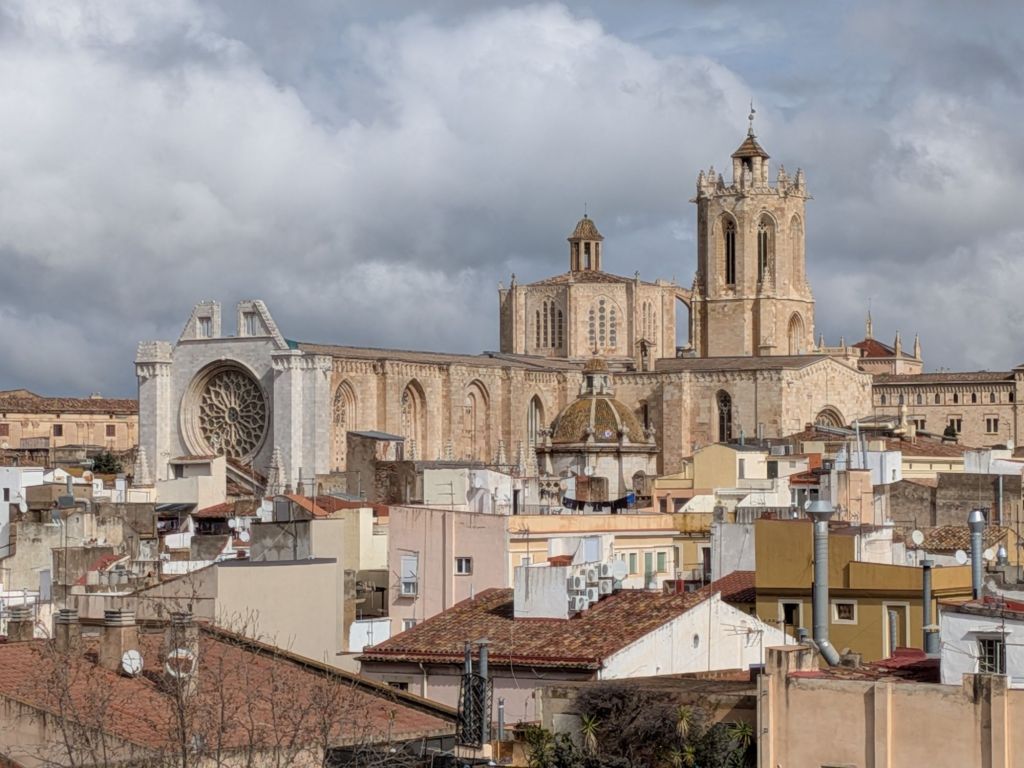
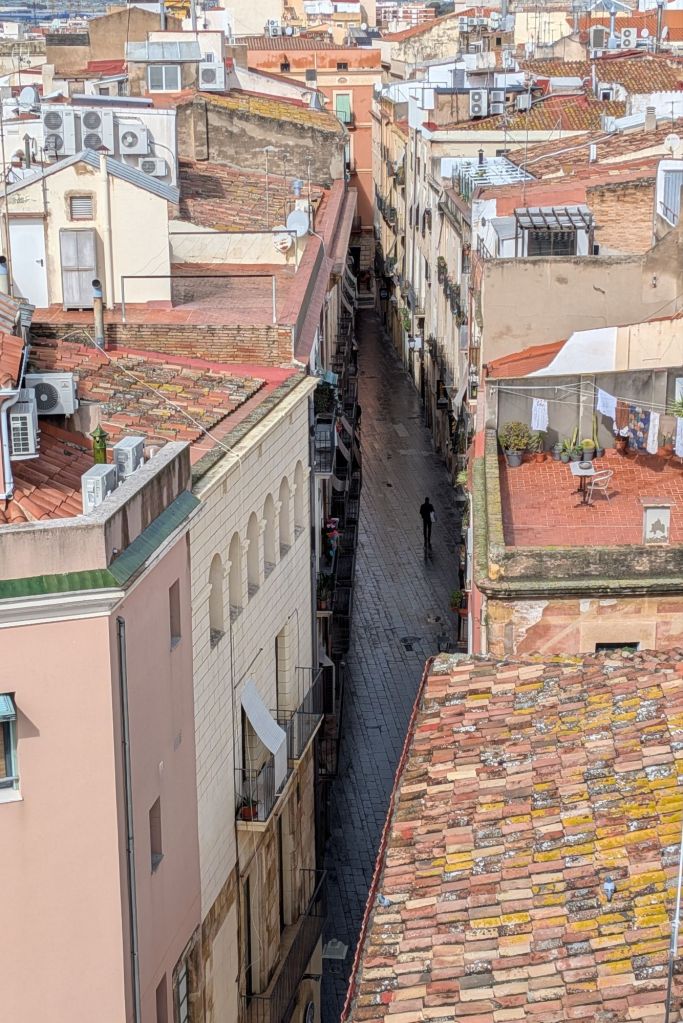
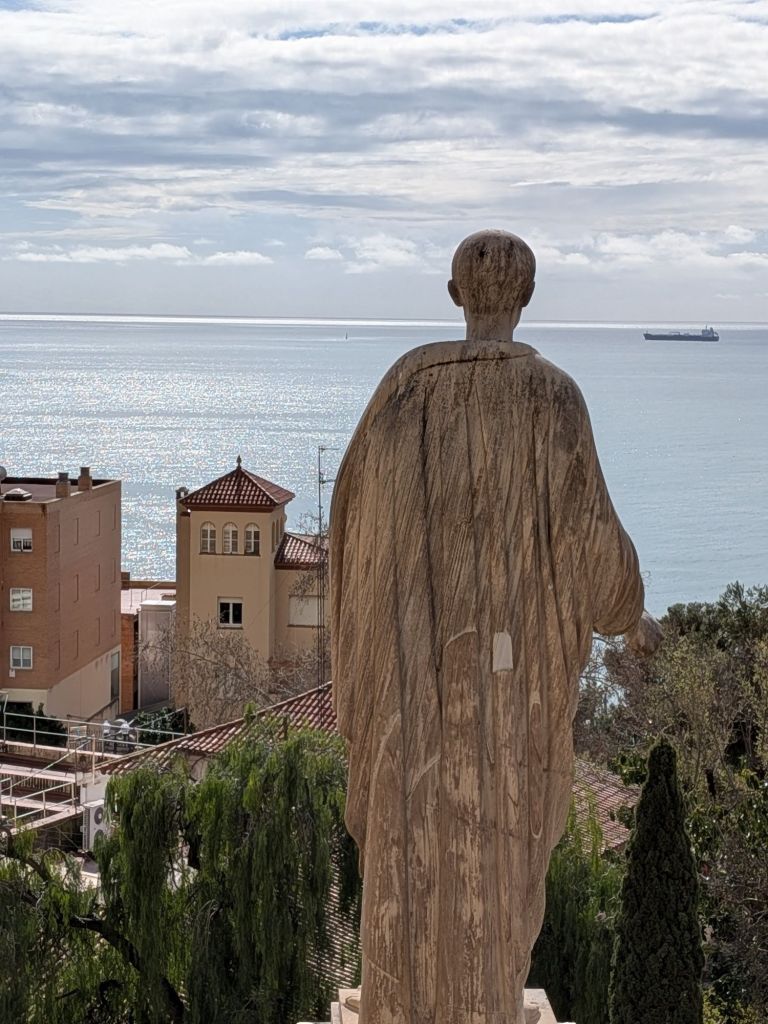
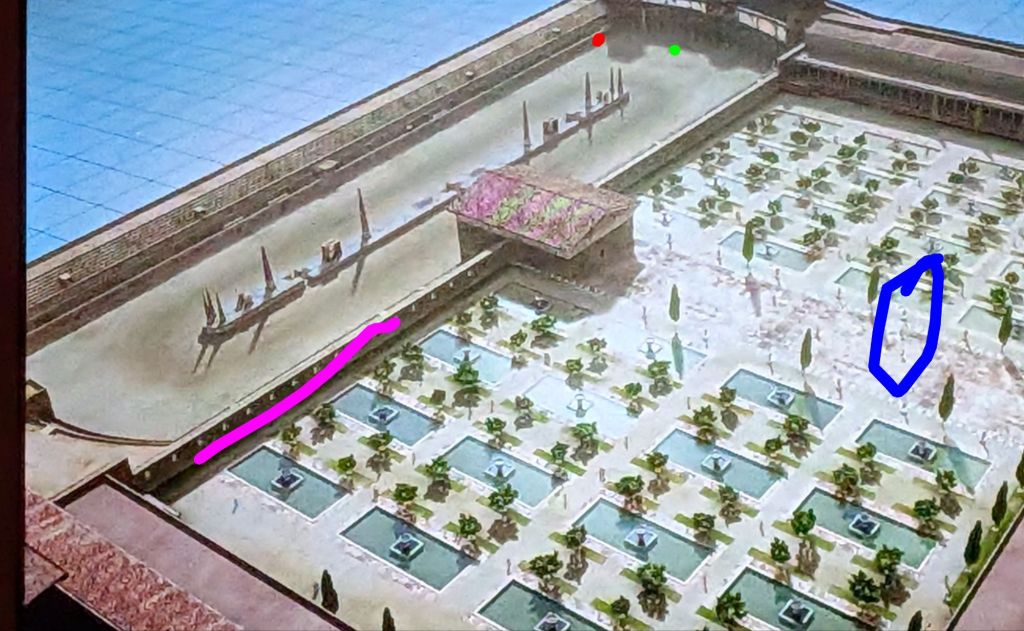
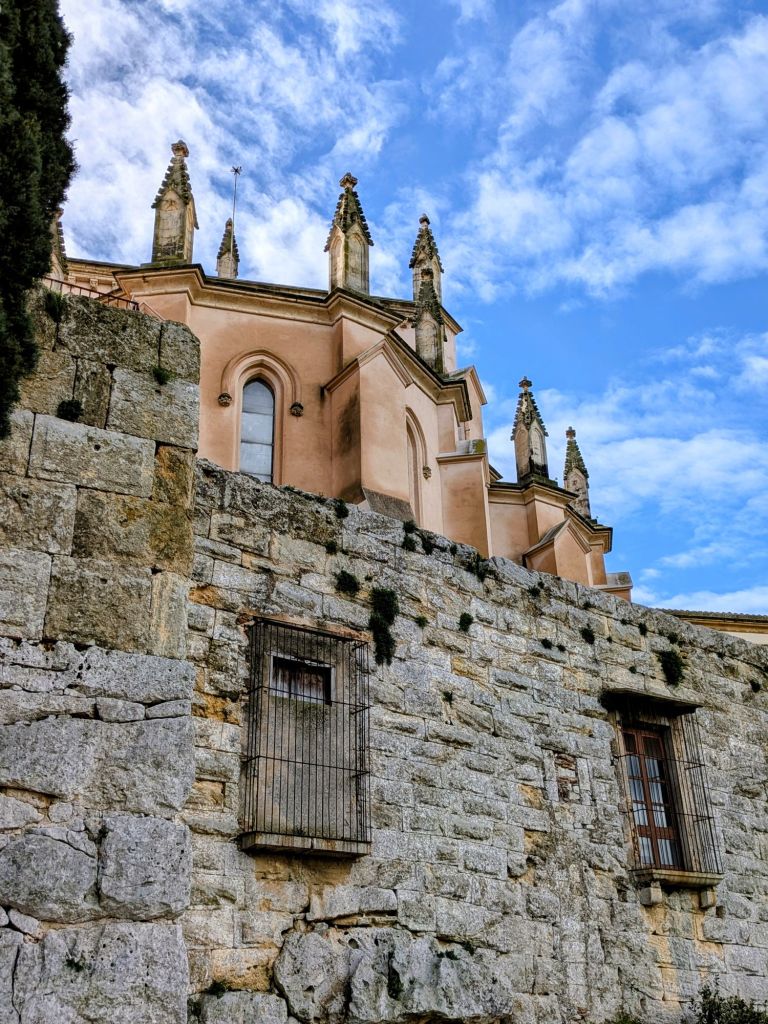
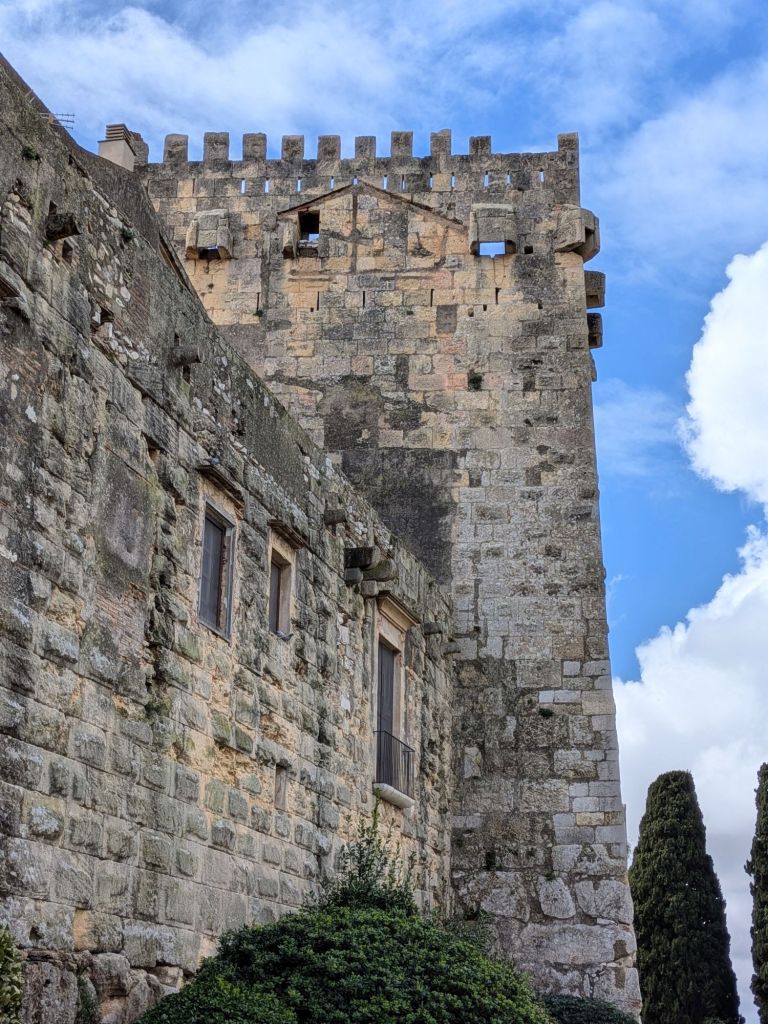
Tunnel under the eastern endEnormously long tunnel under the stands along north side – used for chariots, then as a rubbish pit for centuries, then re-excavated.Medieval tower built on ruins of a Roman one, with huge galleries, sarcophagi, and great views over the cityOctavian, aka Augustus Caesar, enjoying a smirk and a view of the Med after defeating Tony and Cleo at ActiumA model of Tarraco showing where the Roman stadium and forum were in relation to the current cathedral (blue circle), long tunnel shown above (pink), modern town hall (green dot) and our apartment (red dot).Walls on west side. This tower is mainly Muslim, 1100- ish, but the wall – 12 m high and 3 m thick – is an hodgepodge of Roman, Visigothic and everyone-else elements.
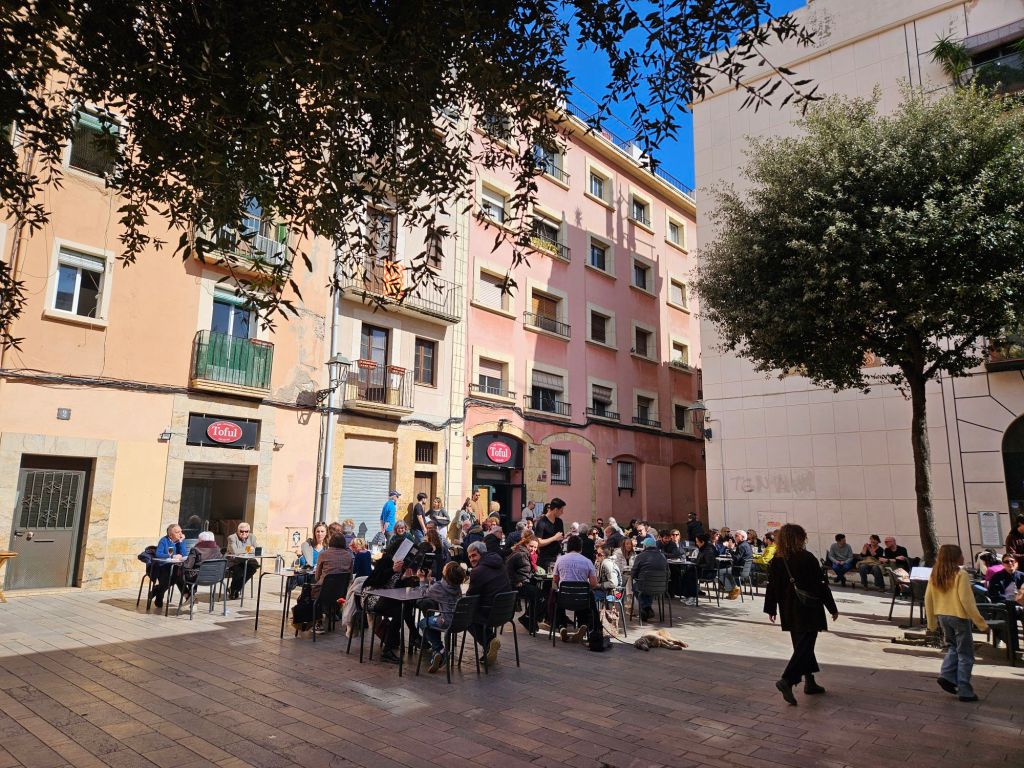
Badly in need of lunch after that. Had to wait for ages, but got a table in the shade of a tree about four o’clock. Ate far too much.
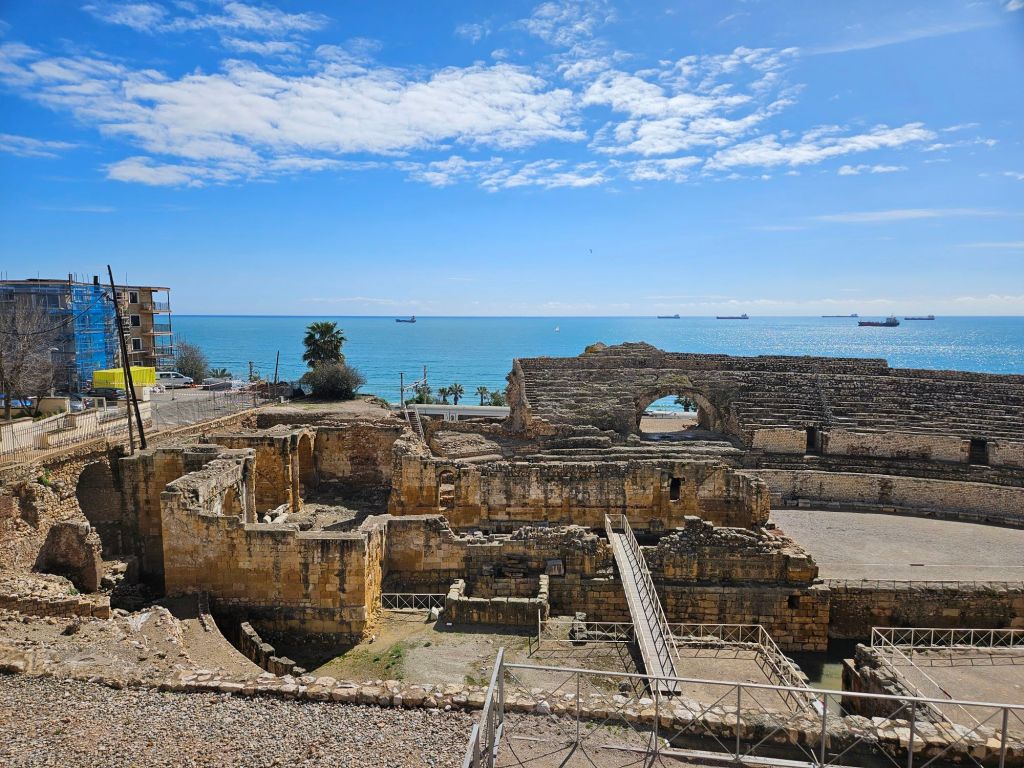
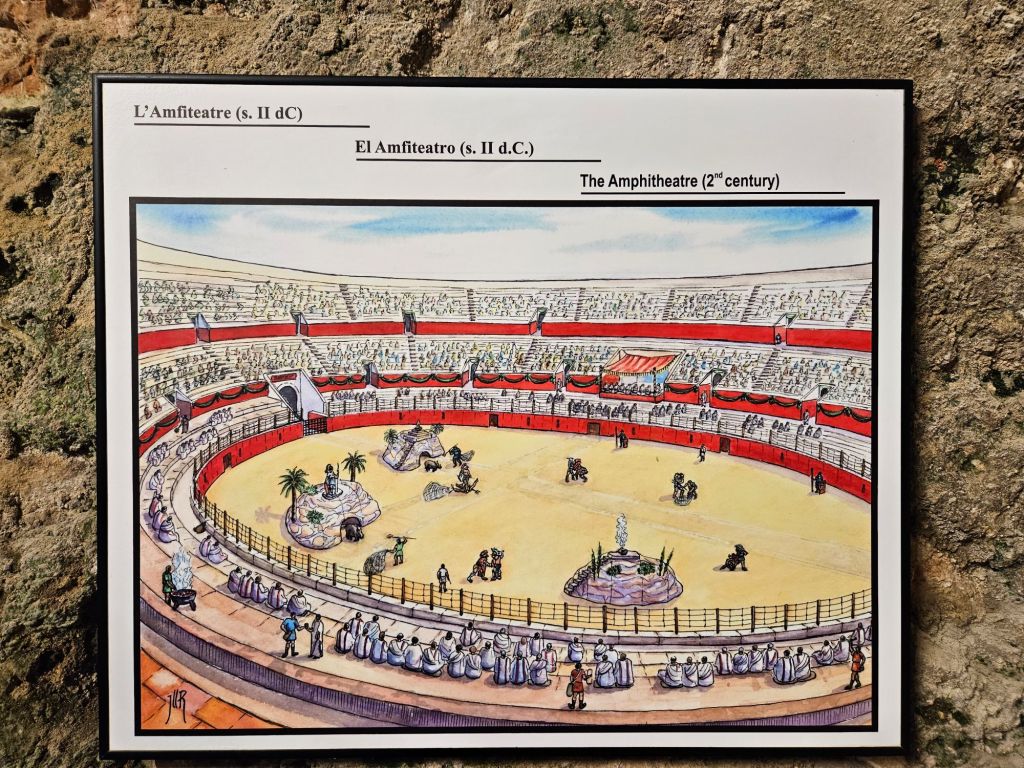
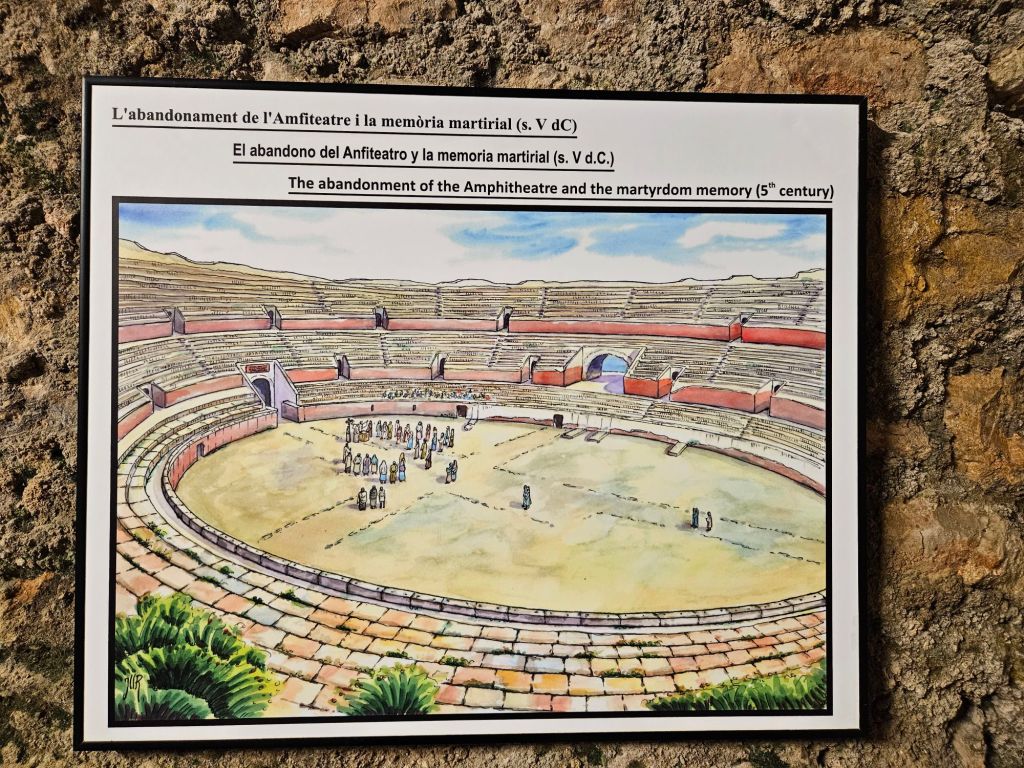
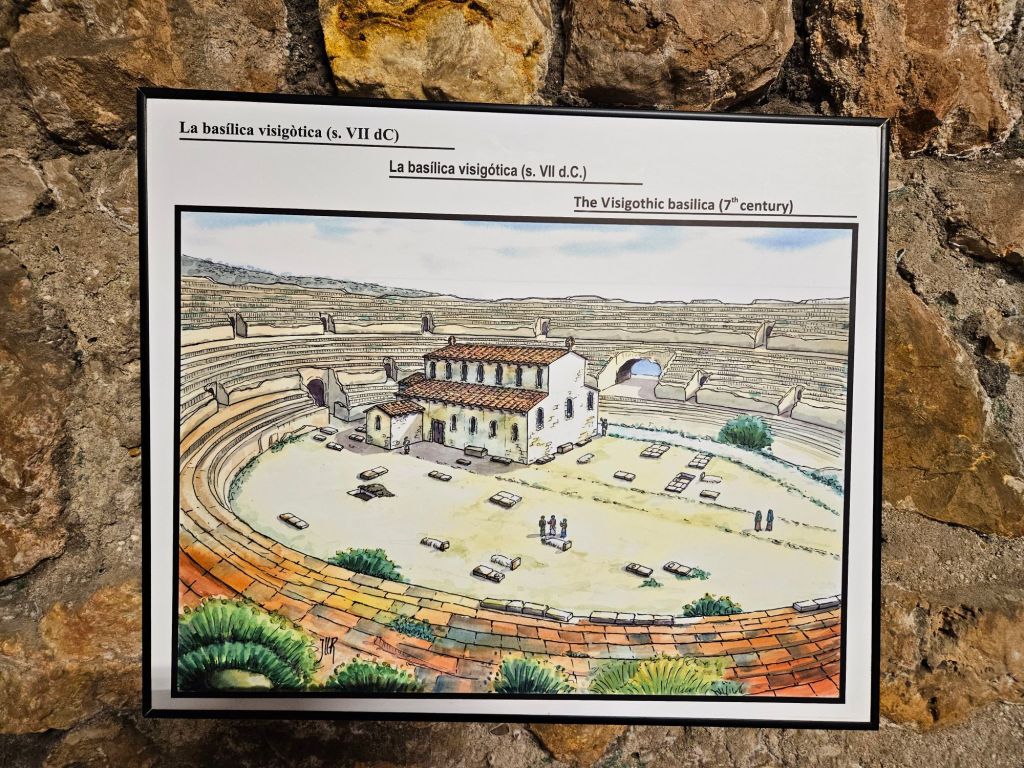
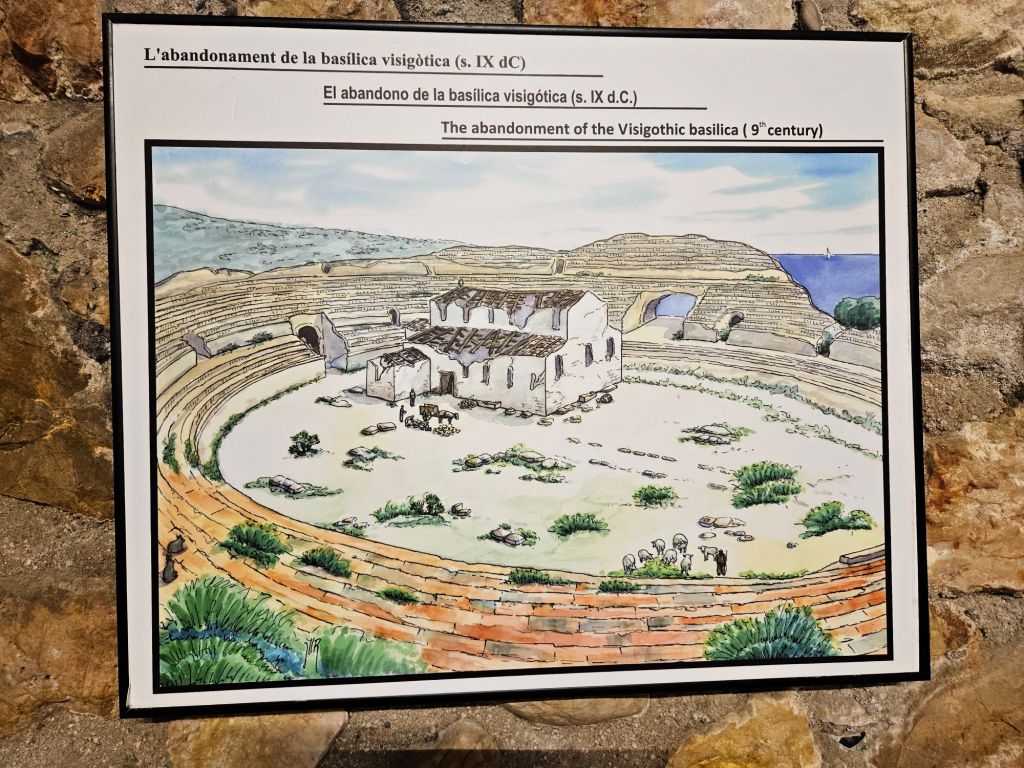
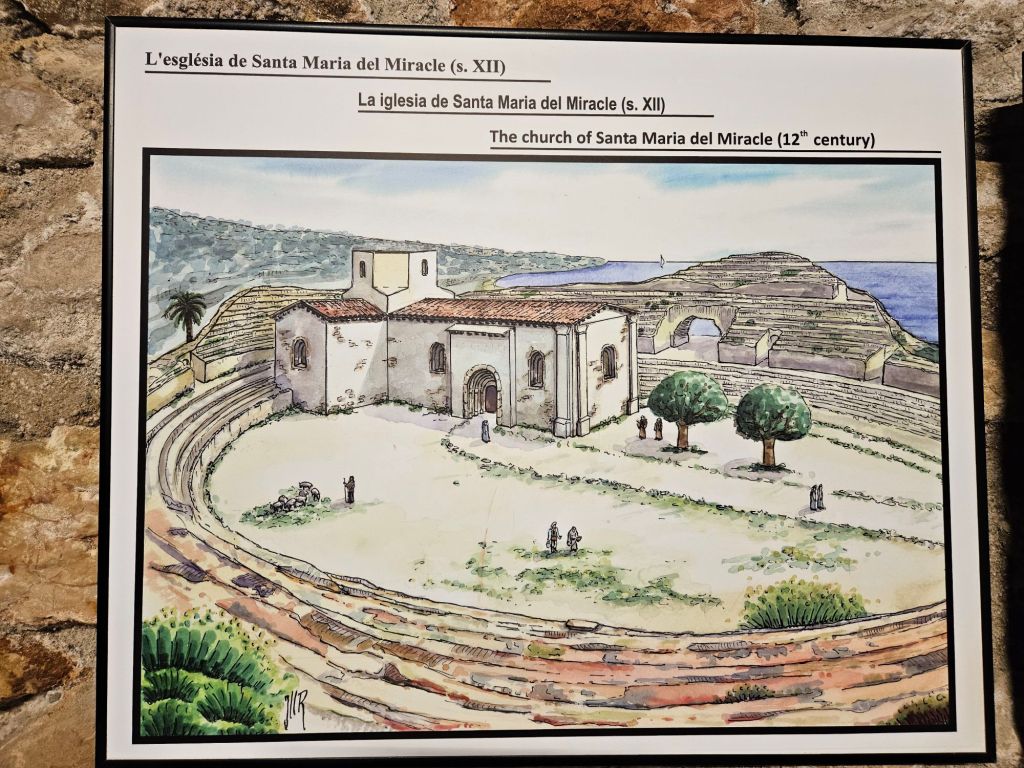
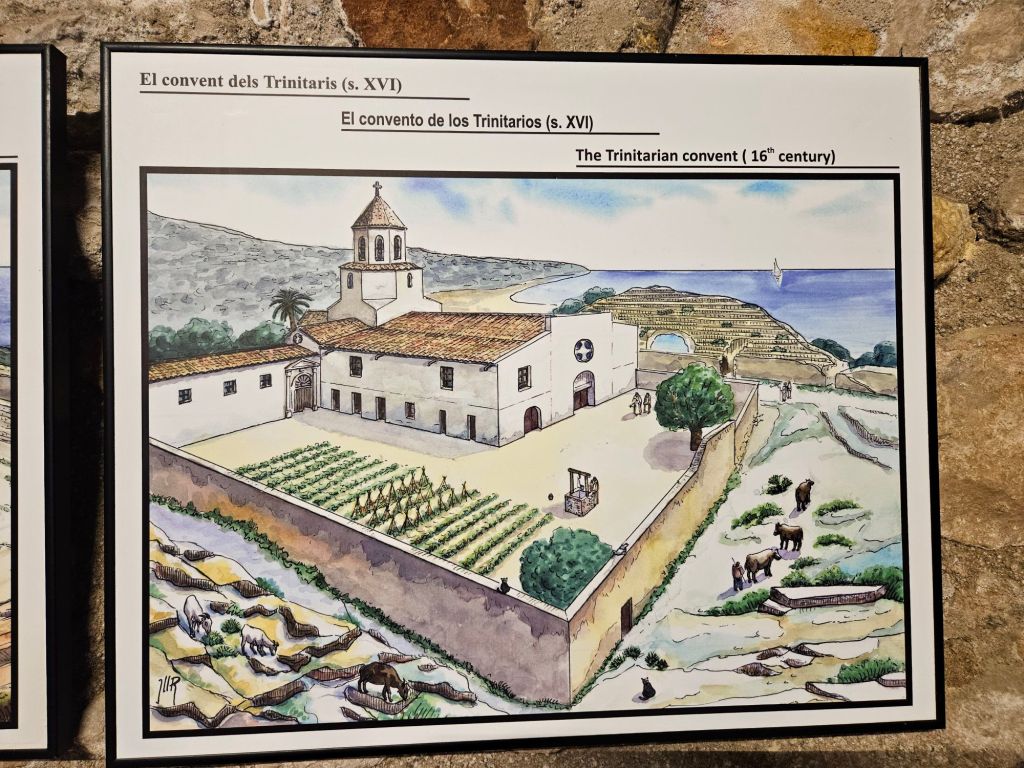
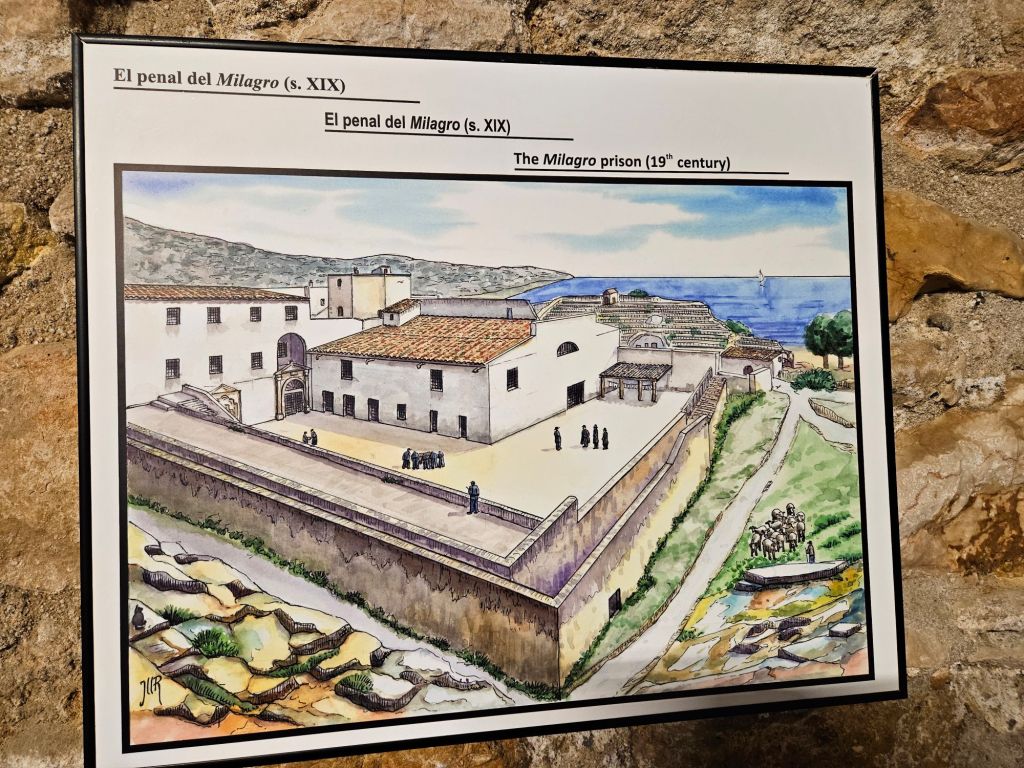
Visited the ruins of the Roman amphitheater (c.150 después de Cristo) in Tarragona today. Visible within are the remains of two separate churches built approximately 600 (the Visigoths, after the fall of the Empire) and 1300 (Christians rebuilding after the Reconquista). So many layers of history.
 Kerry & Richard in Spain (mostly) 2026