So much, so fast

Kerry and I have both noted that even in everyday life it’s easy to lose track of what you did / saw / ate even yesterday; speed-tourism in a foreign city only exacerbates the problem. So here, at 10 pm, are some very quick highlights in an attempt to pin down some of the past 48 hours or so.

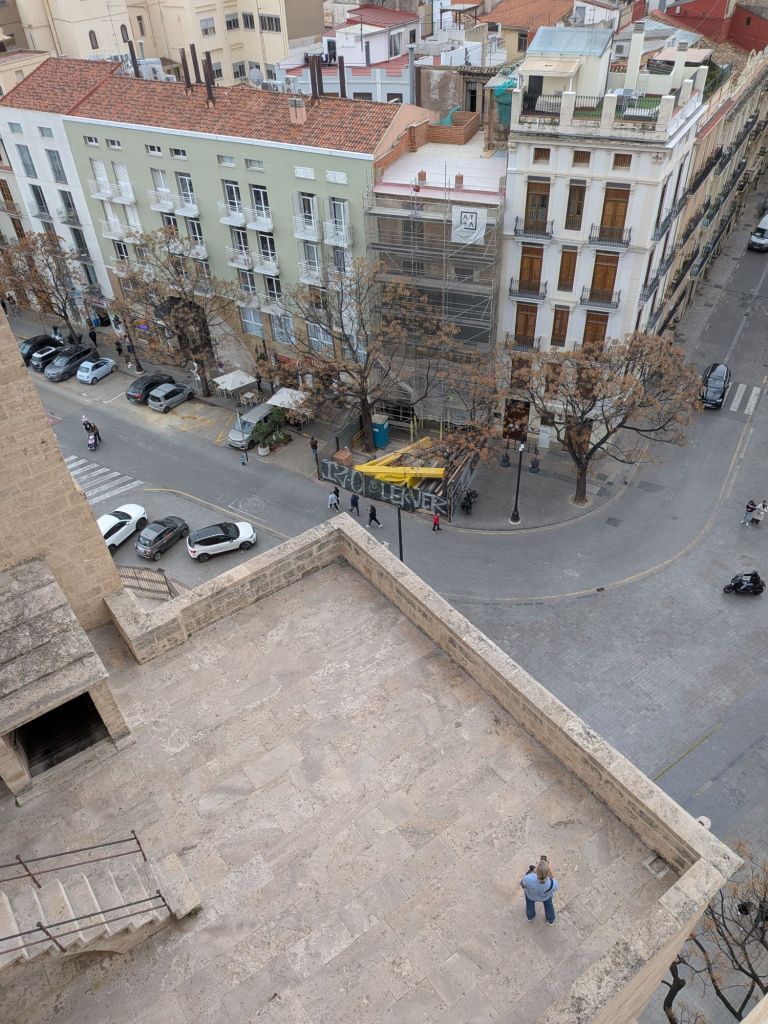
Going up the Torre Serrans (note K at bottom left):
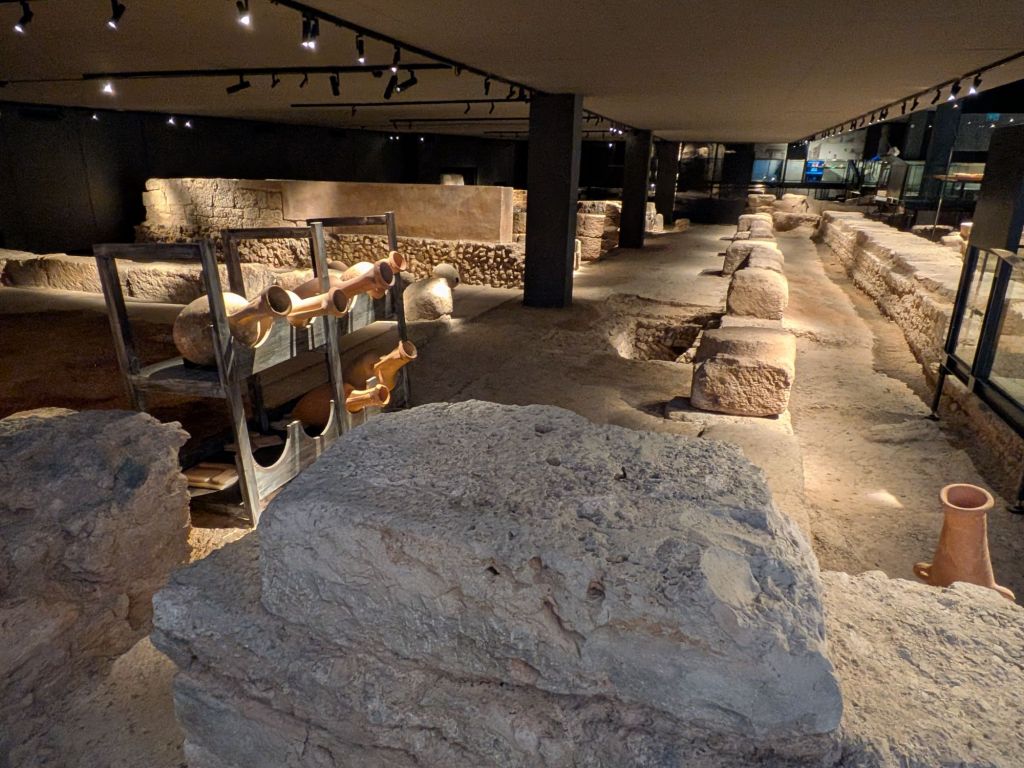
Visiting the labyrinthine ruins of Roman Valentia at the Almoina Archaeological Museum.
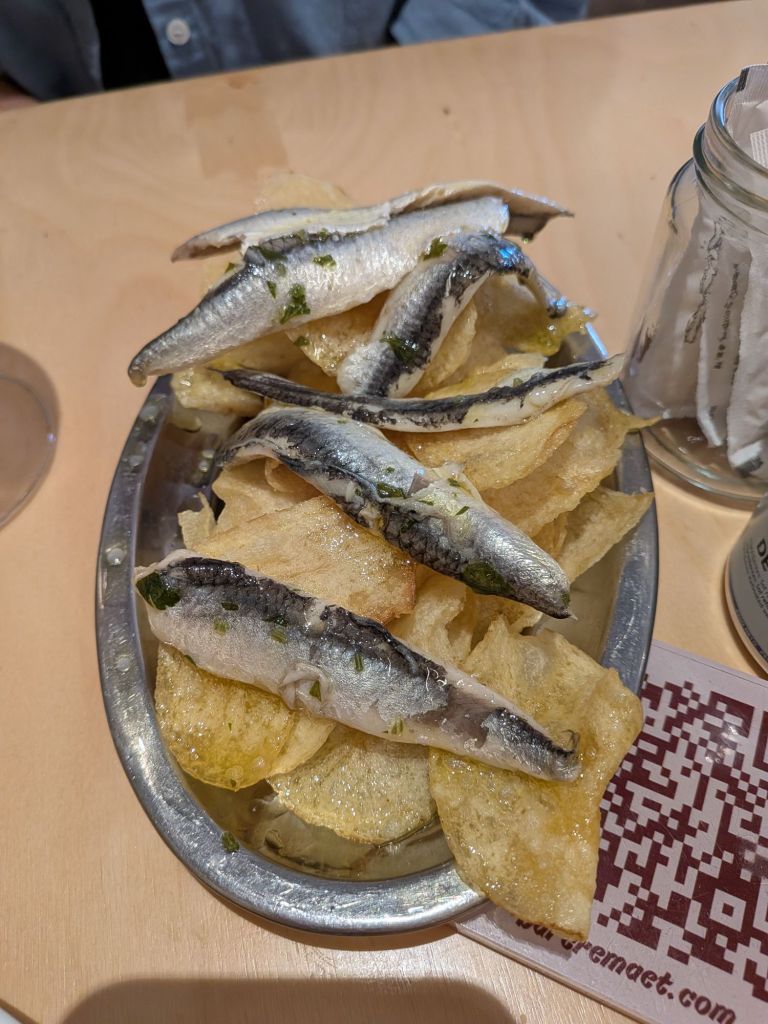
A very Spanish dinner around the corner involving boquerones (white anchovies in vinegar) served over potato chips:
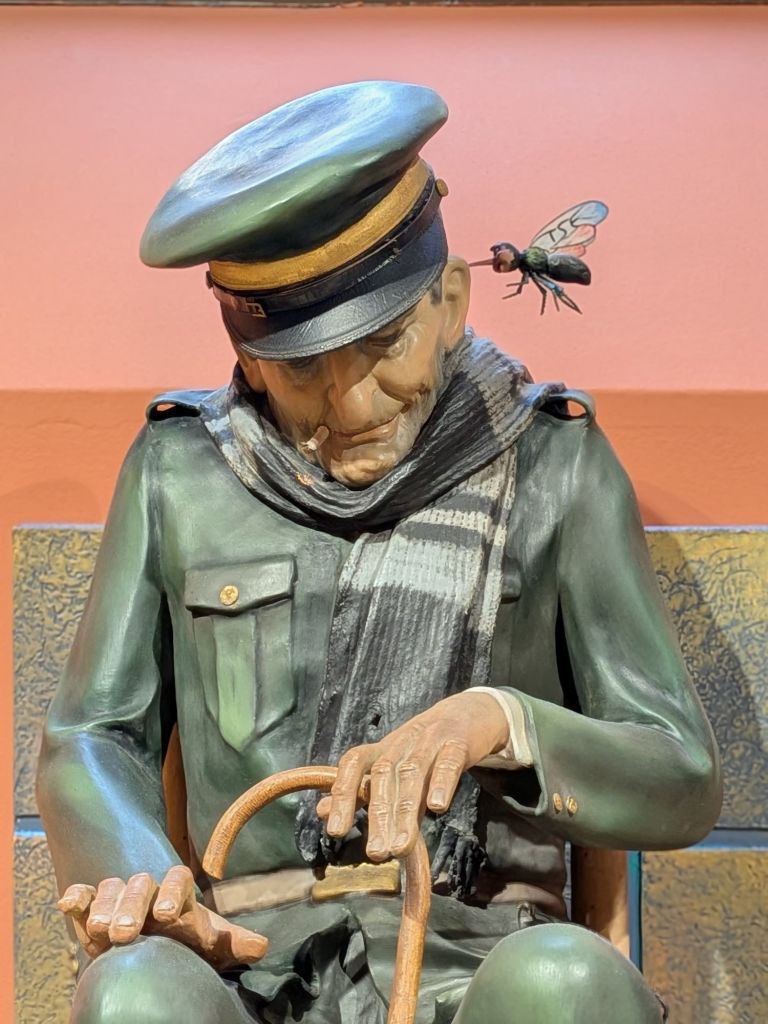
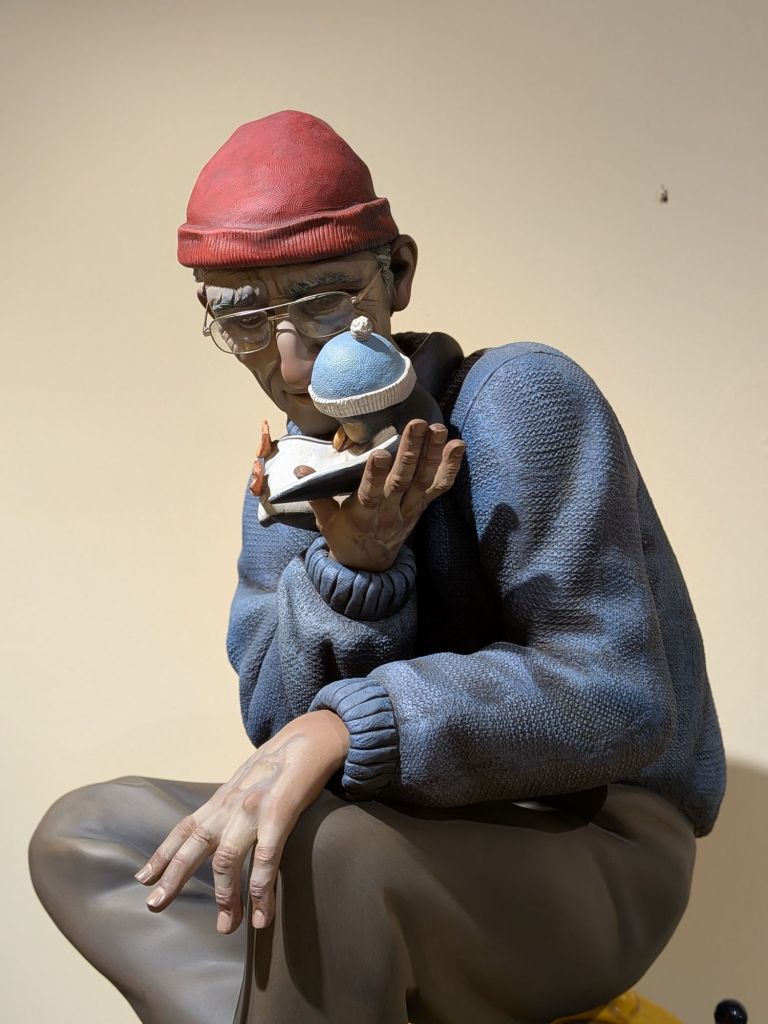
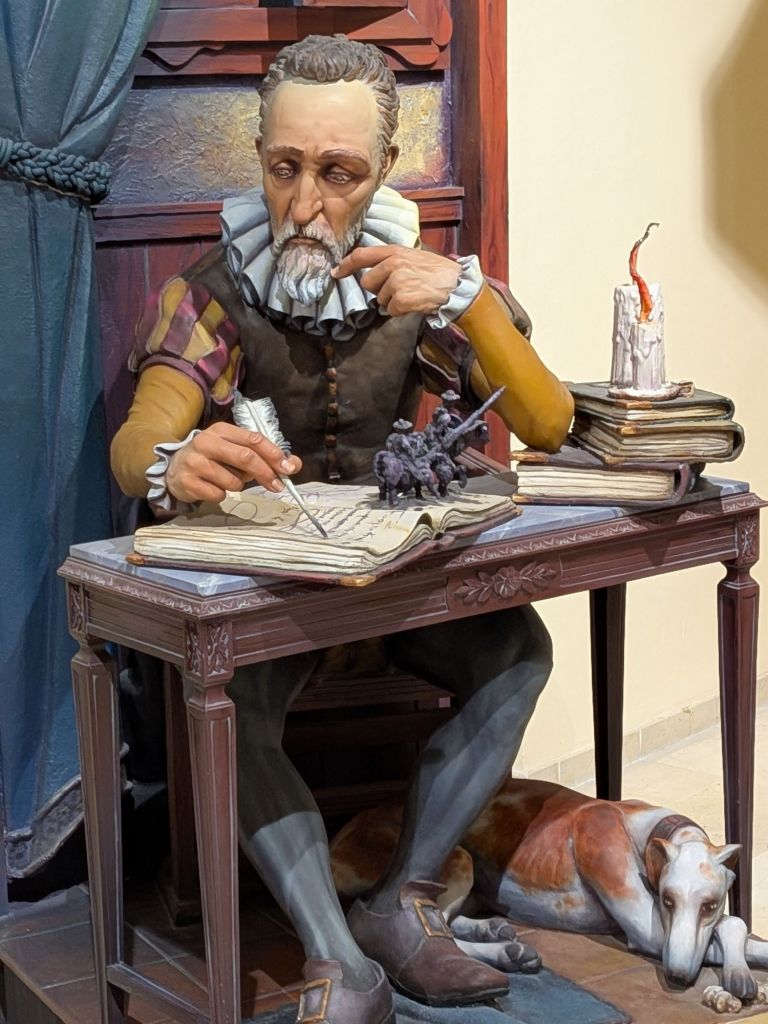
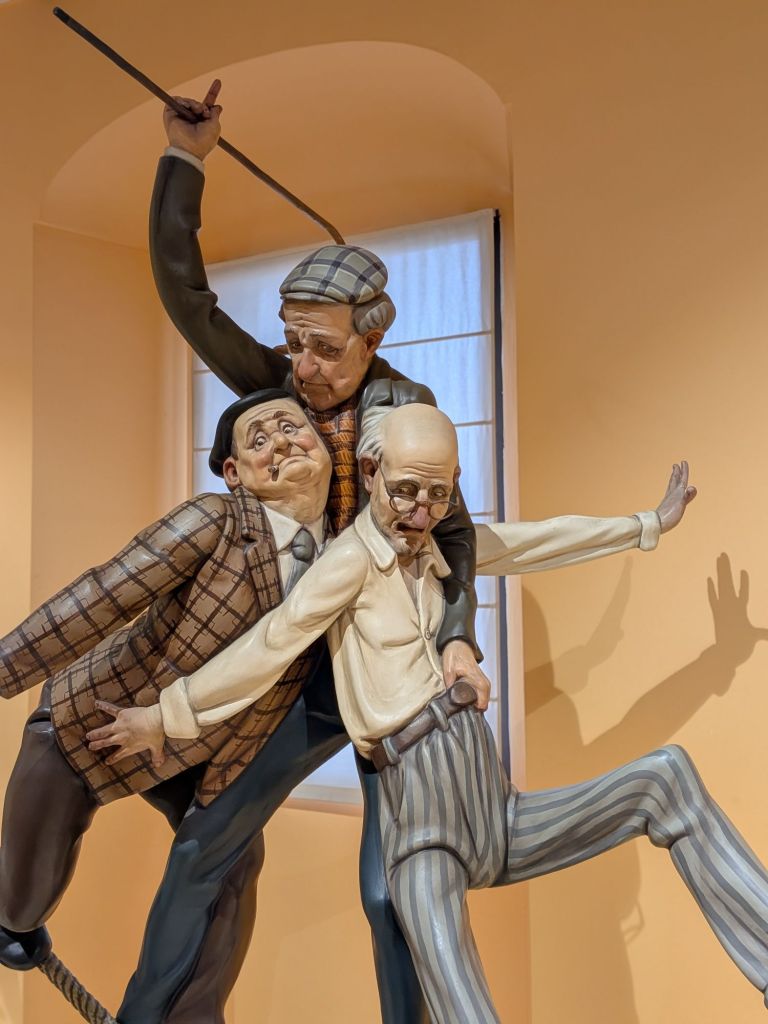
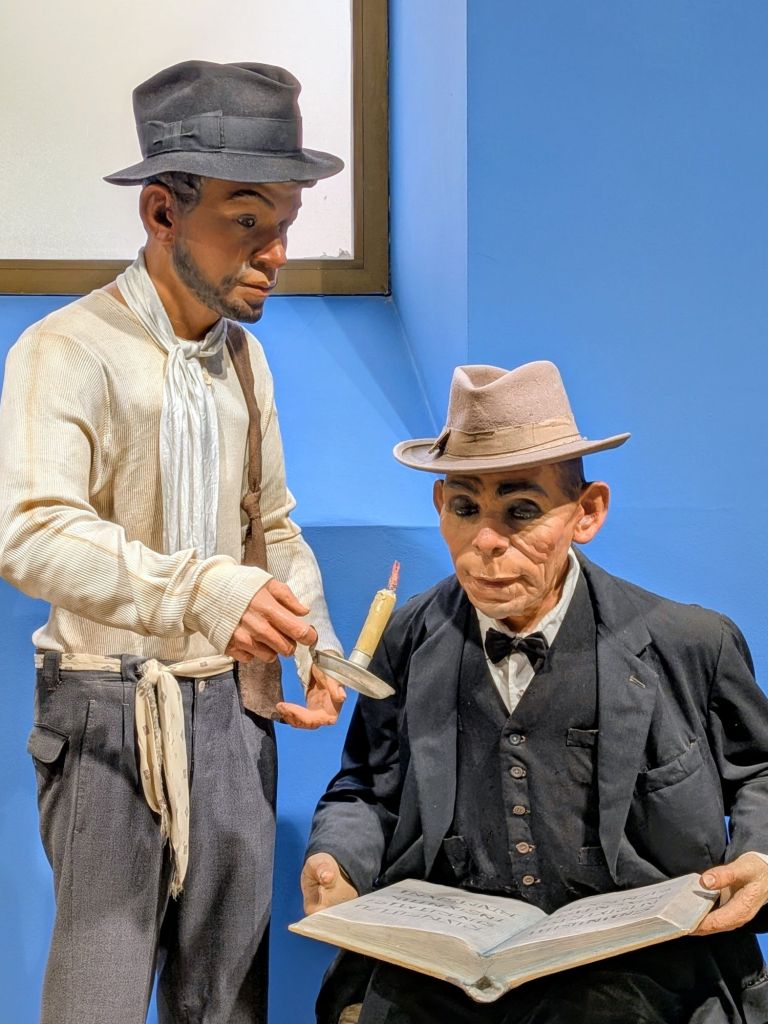
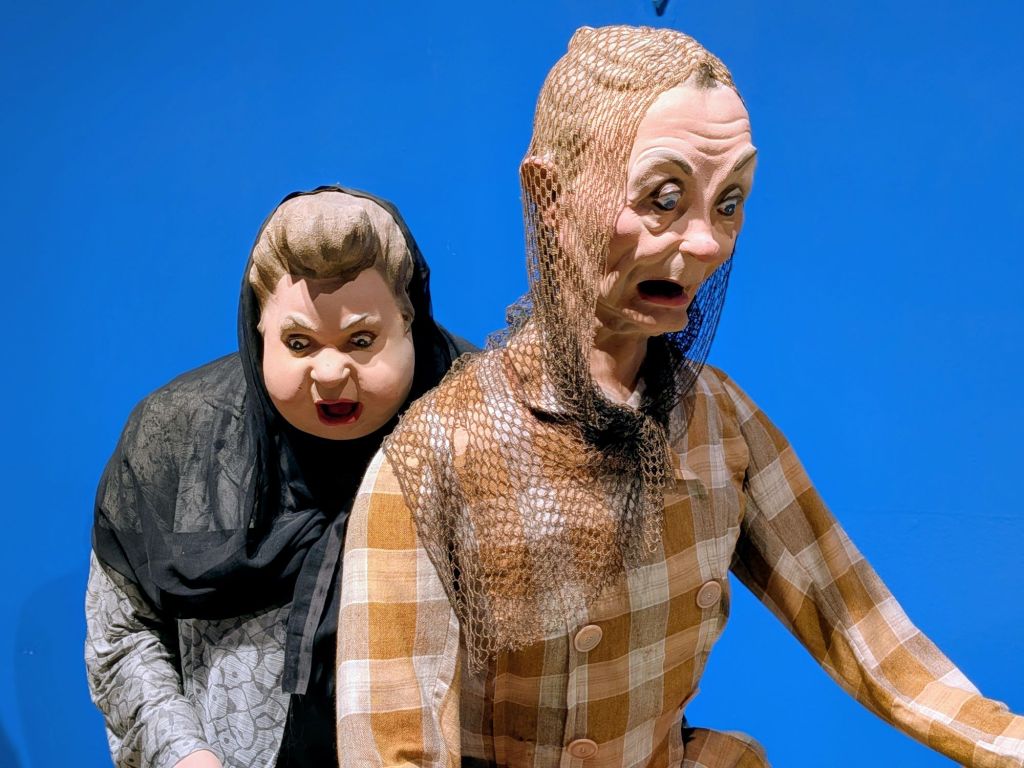
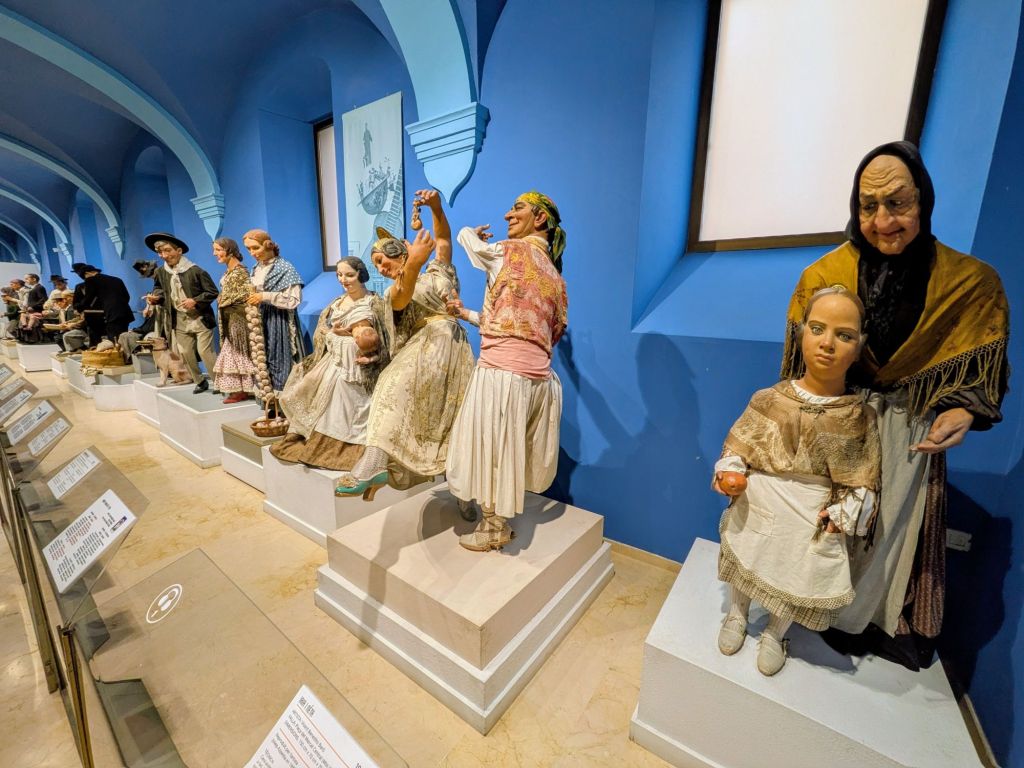
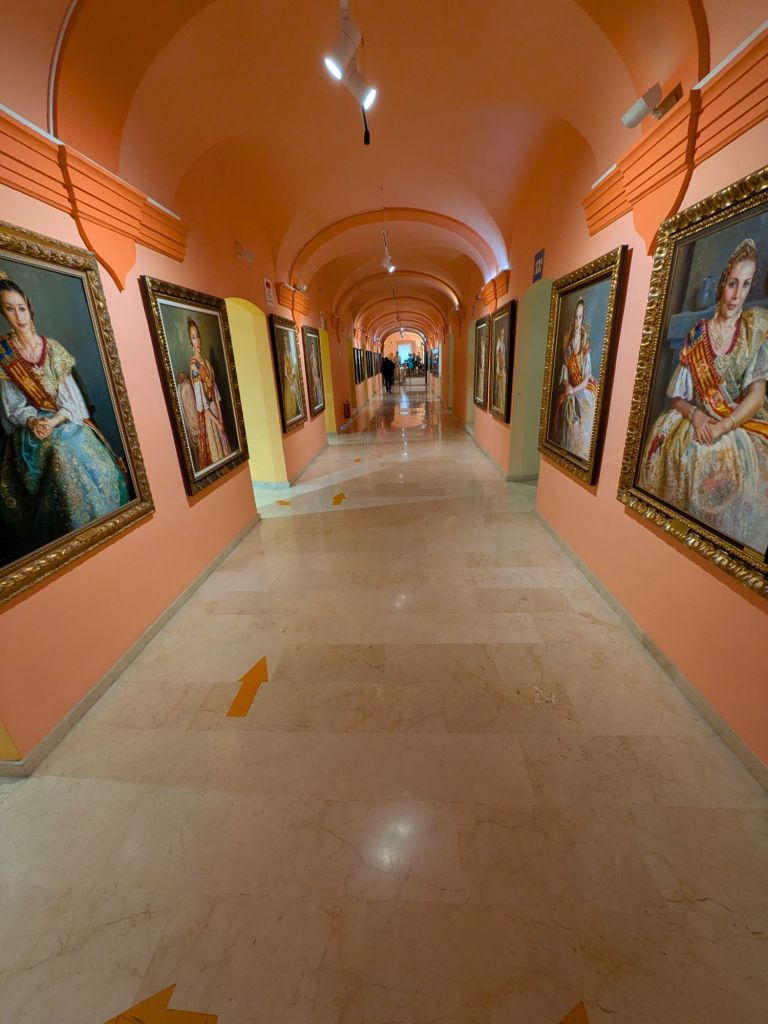
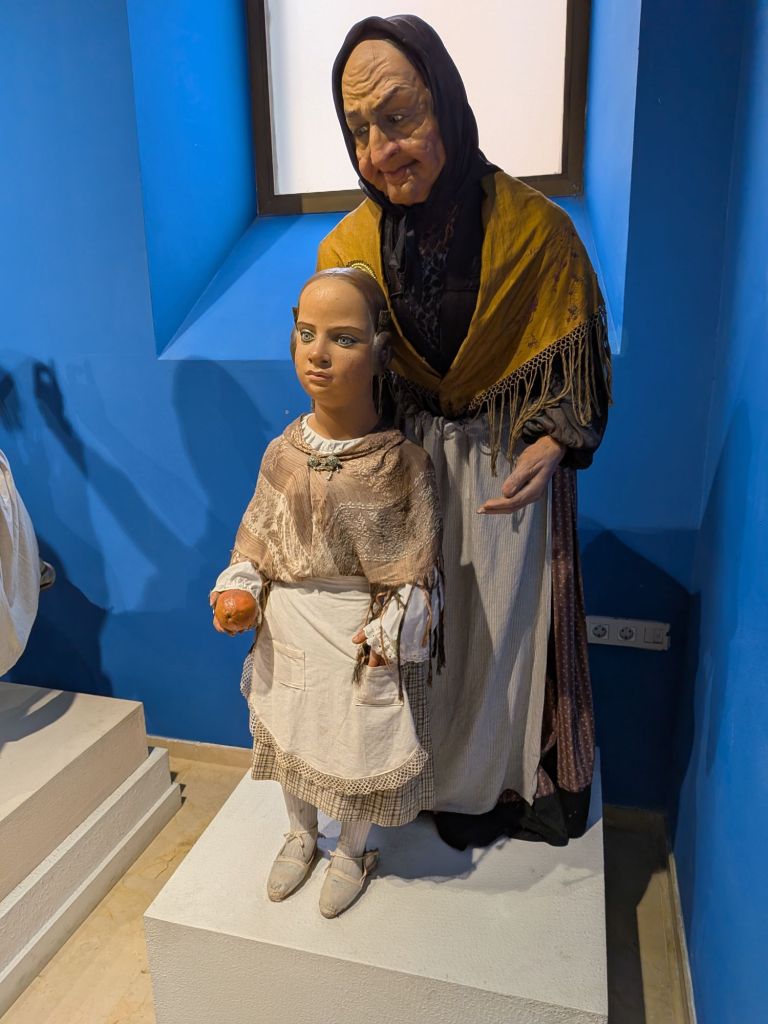
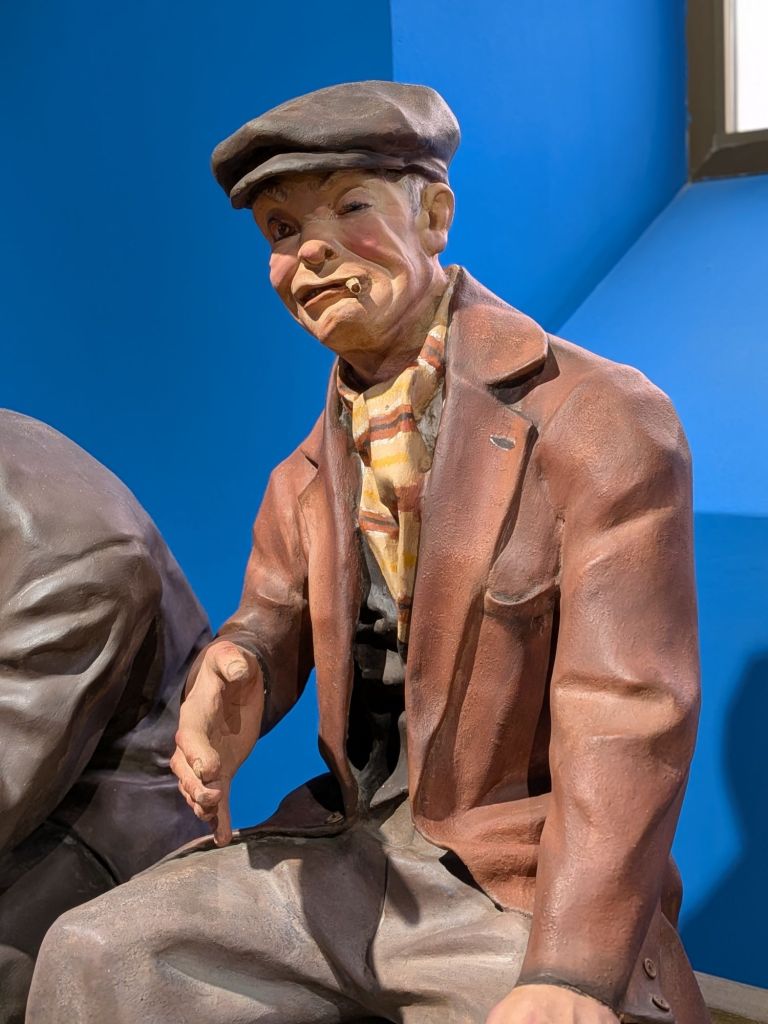
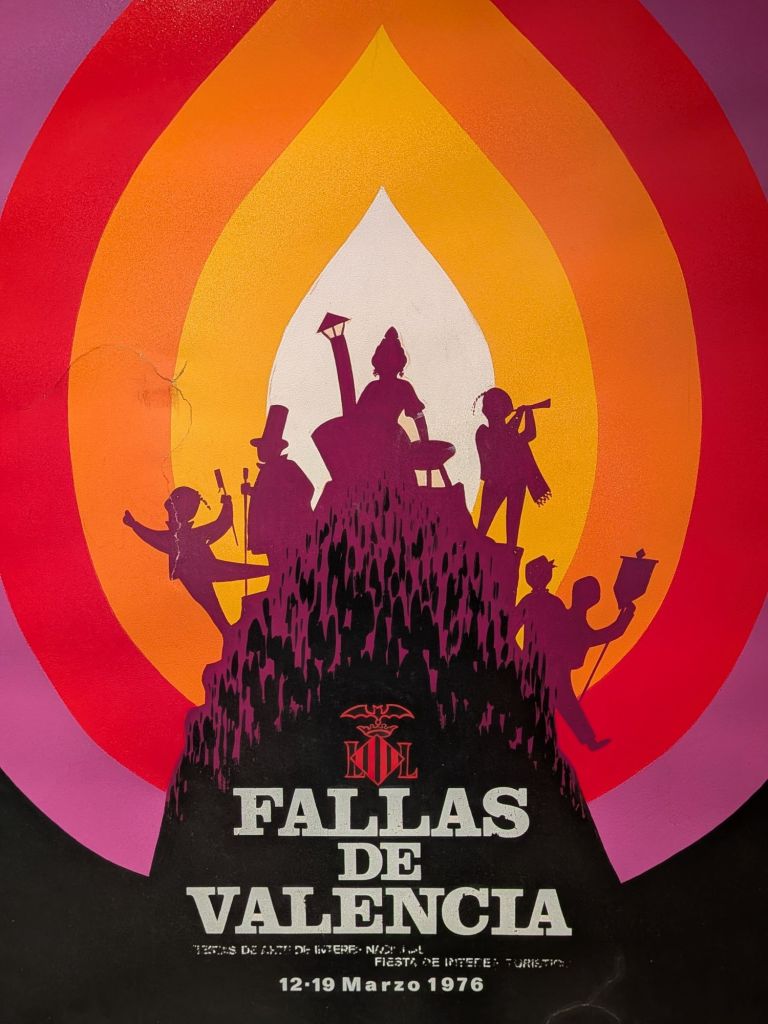
The Fallas Museum, containing every ninot saved from the flames each year since 1935 or so…
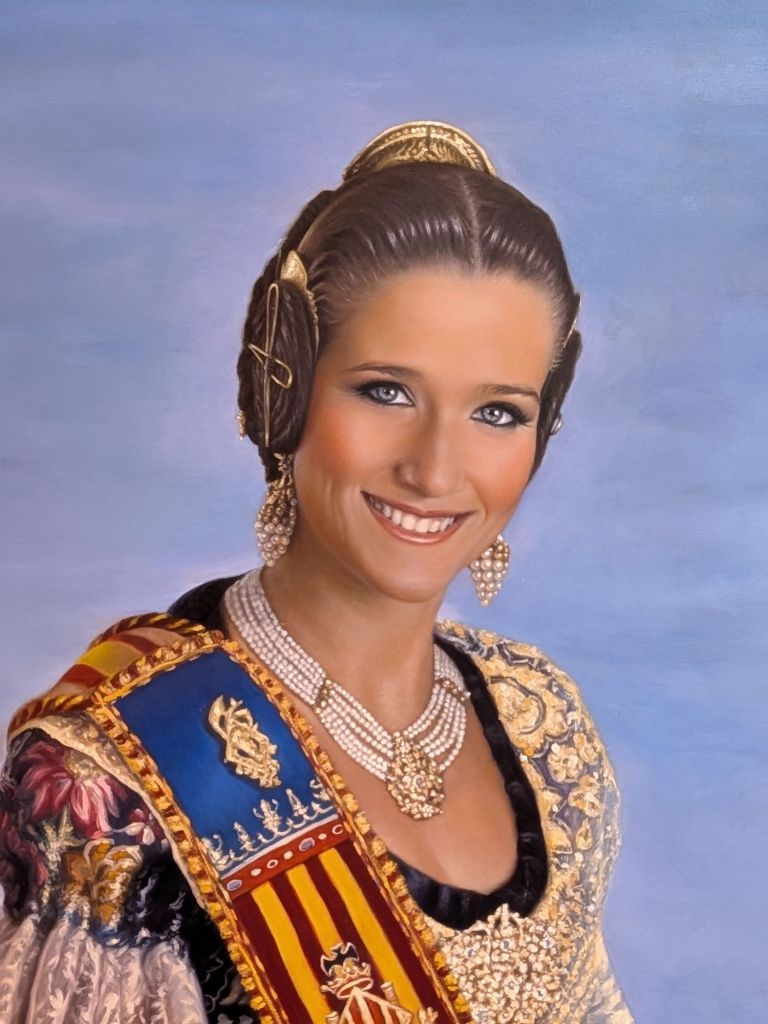
and oil portraits of every Fallera –
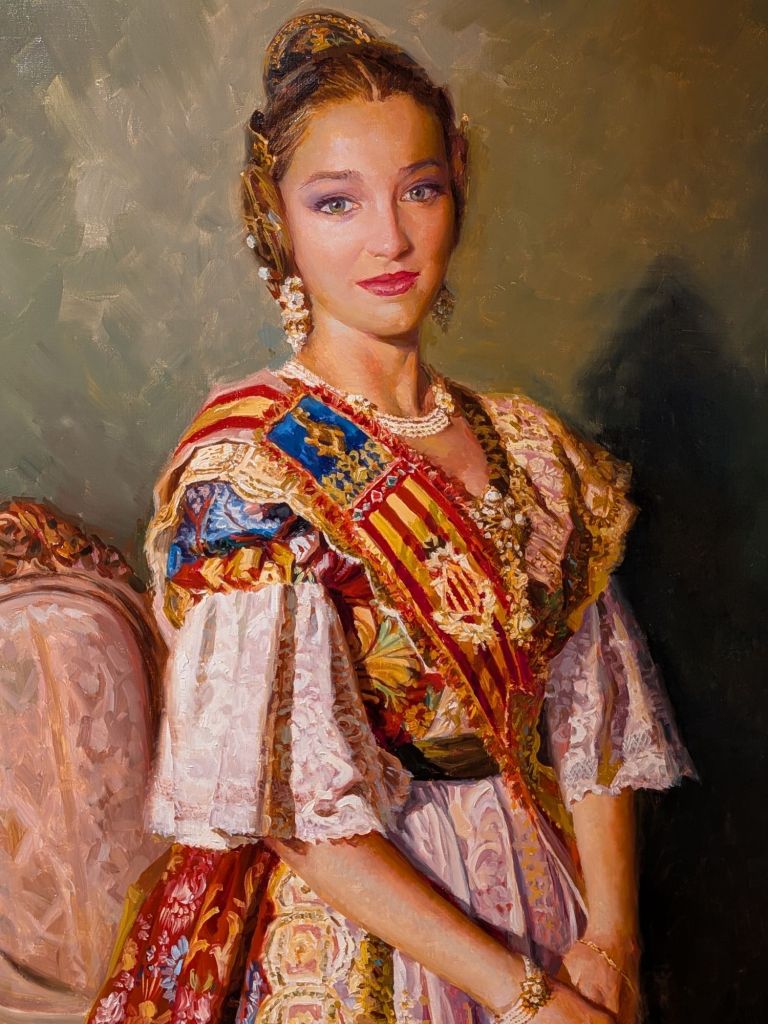
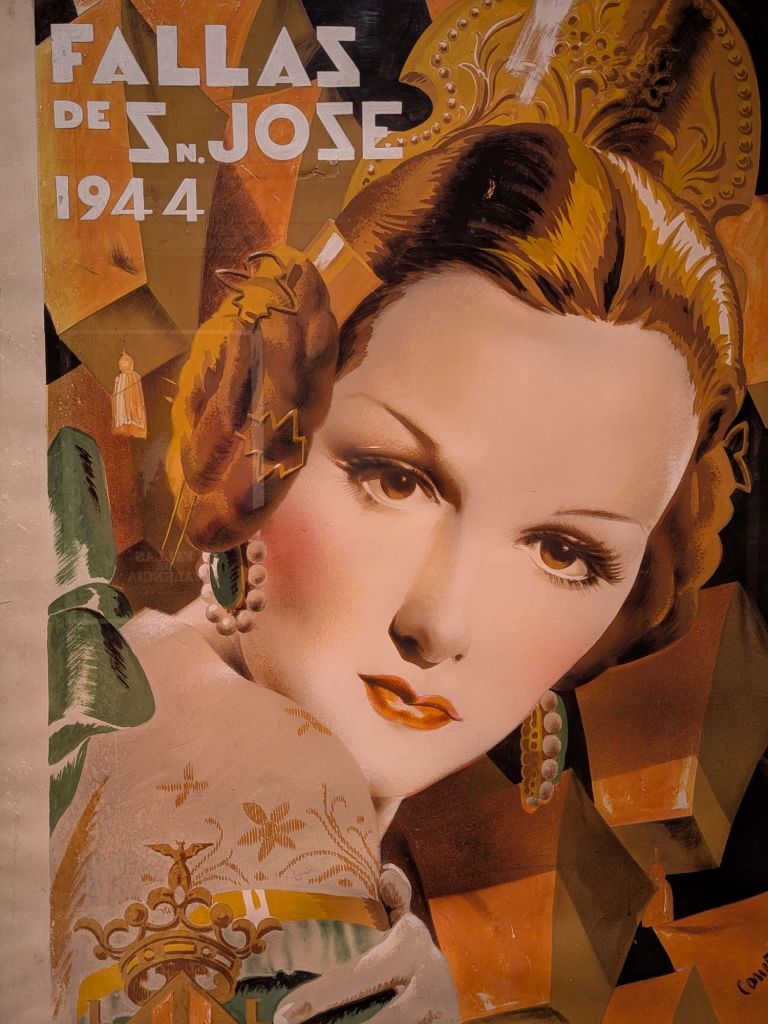
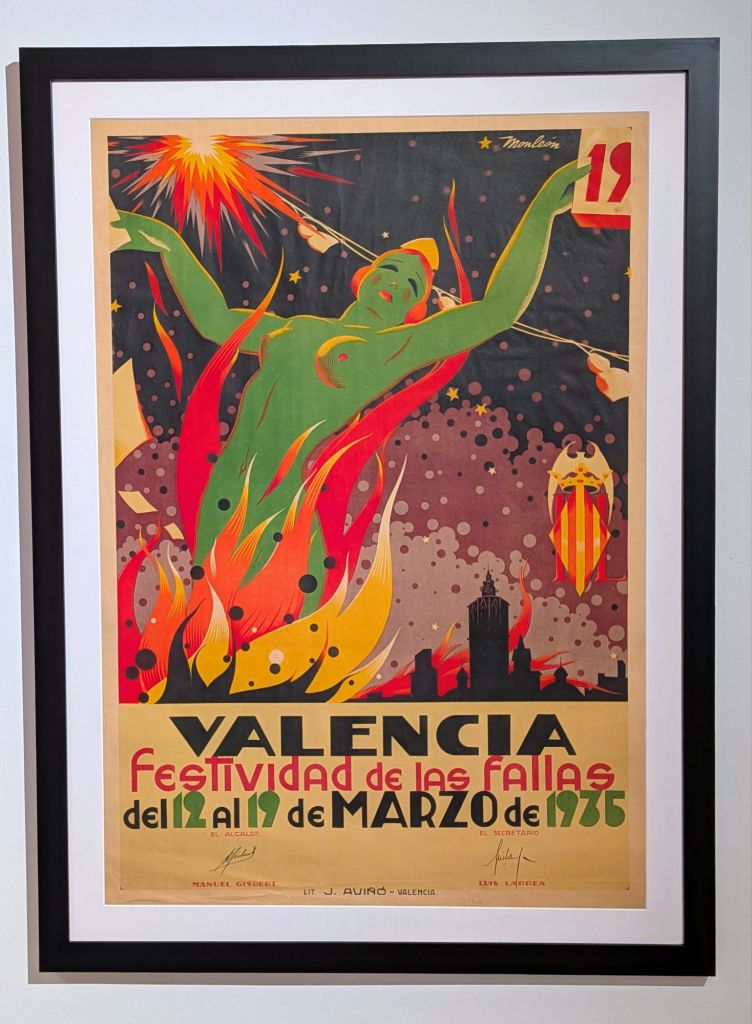
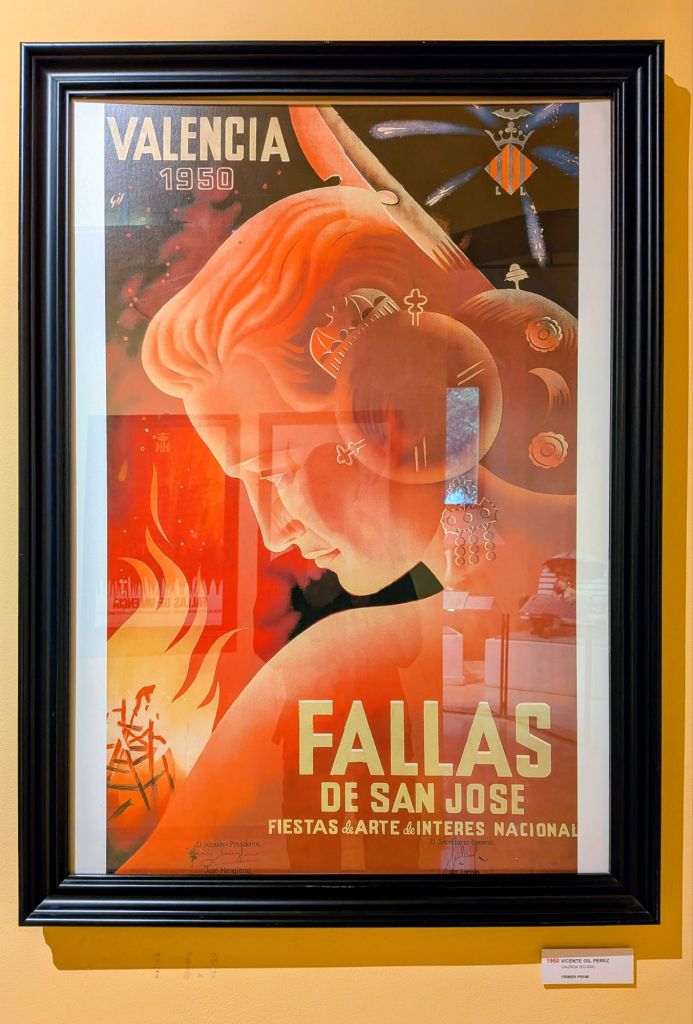
and the official poster for every year –
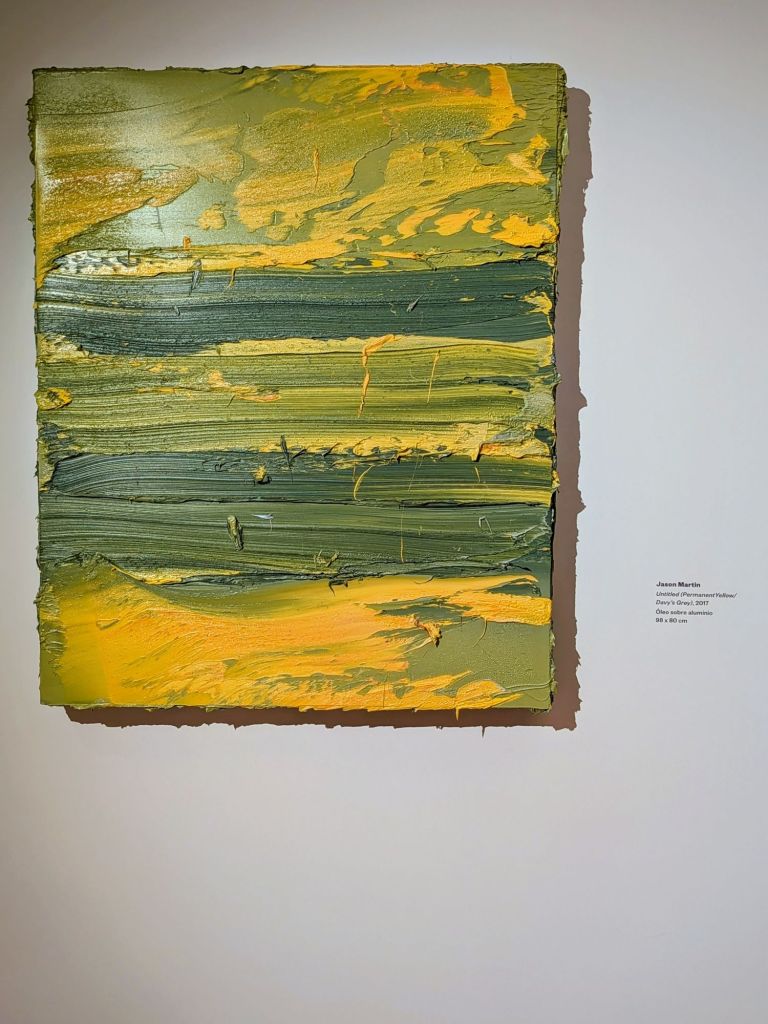
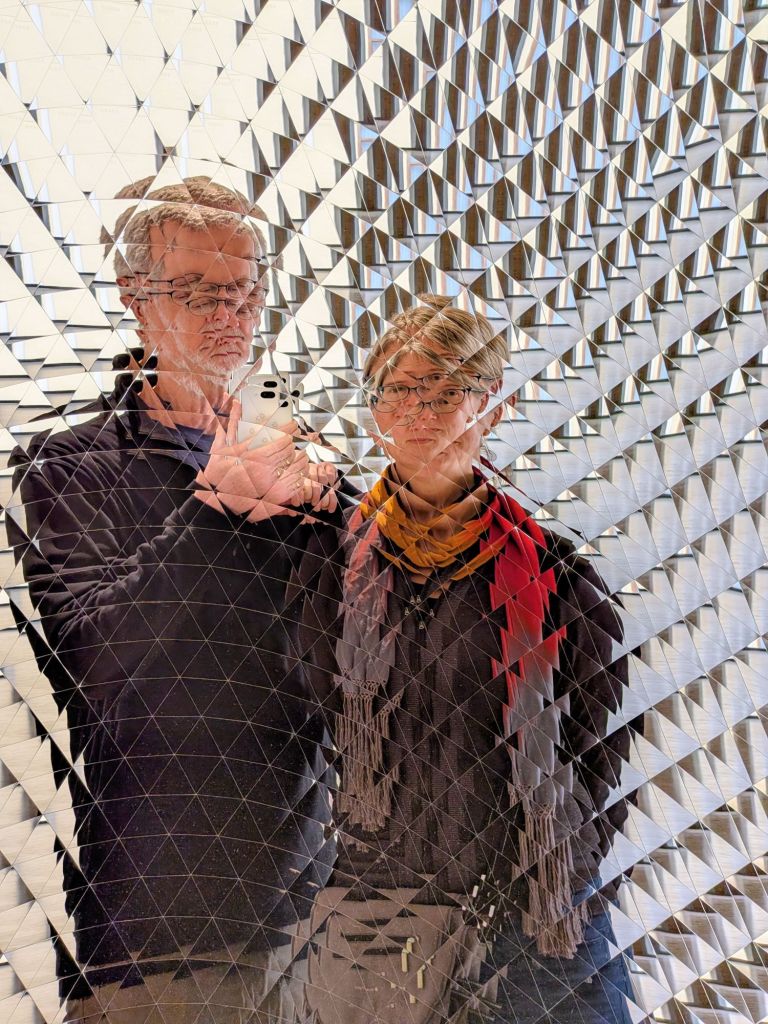
Next, one of Spain’s greatest personal art collections, in the Centro de Arte Hortensia Herrero:
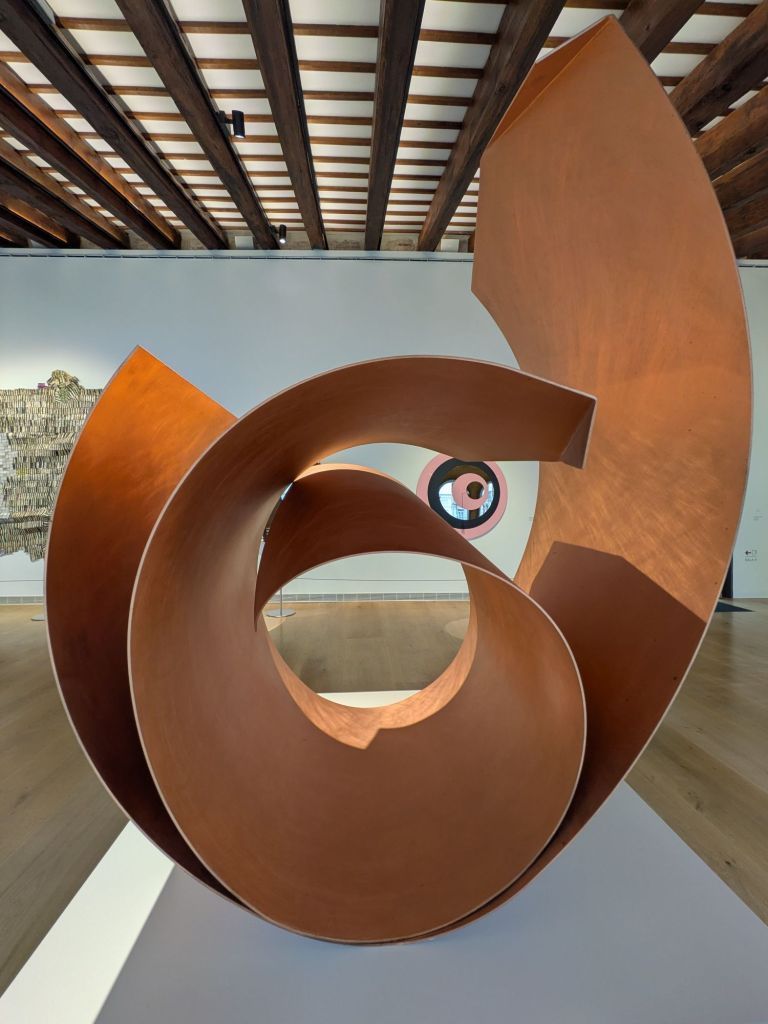
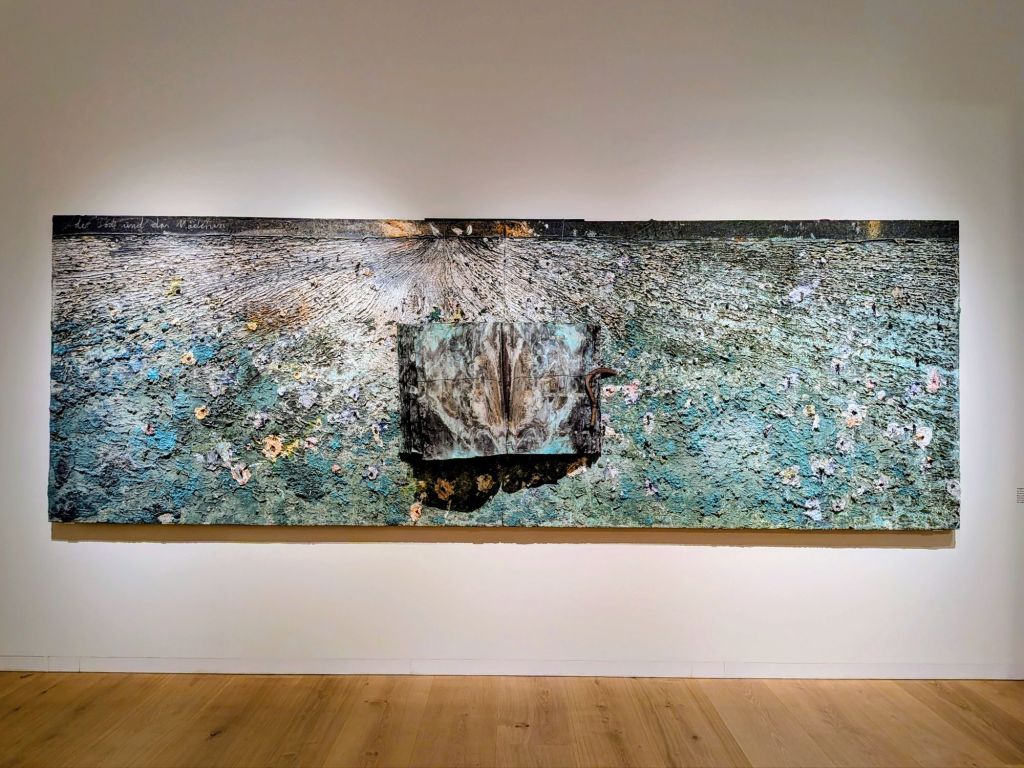
(Recipe: make $3 billion in the supermarket business; spend a lot of it on art; buy a ruined C.16 palazzo; spend $50 million just on the restoration; reinforce the walls because one of the Anselm Kiefer paintings is in fact mostly lead, and weighs 4 tons.)

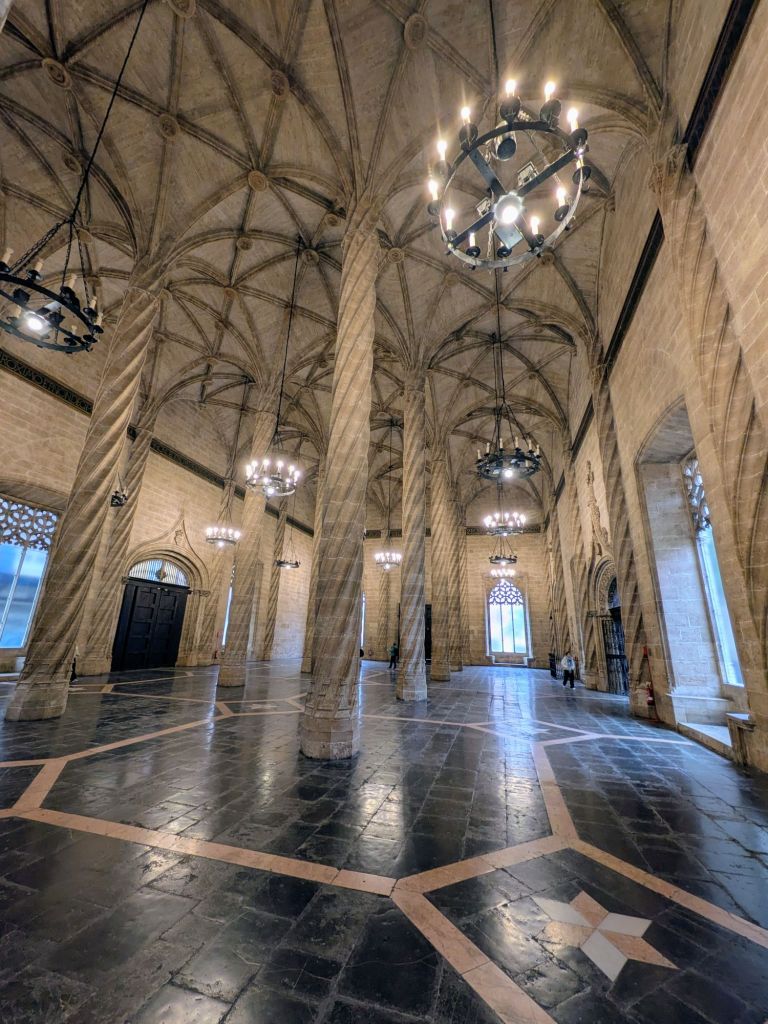
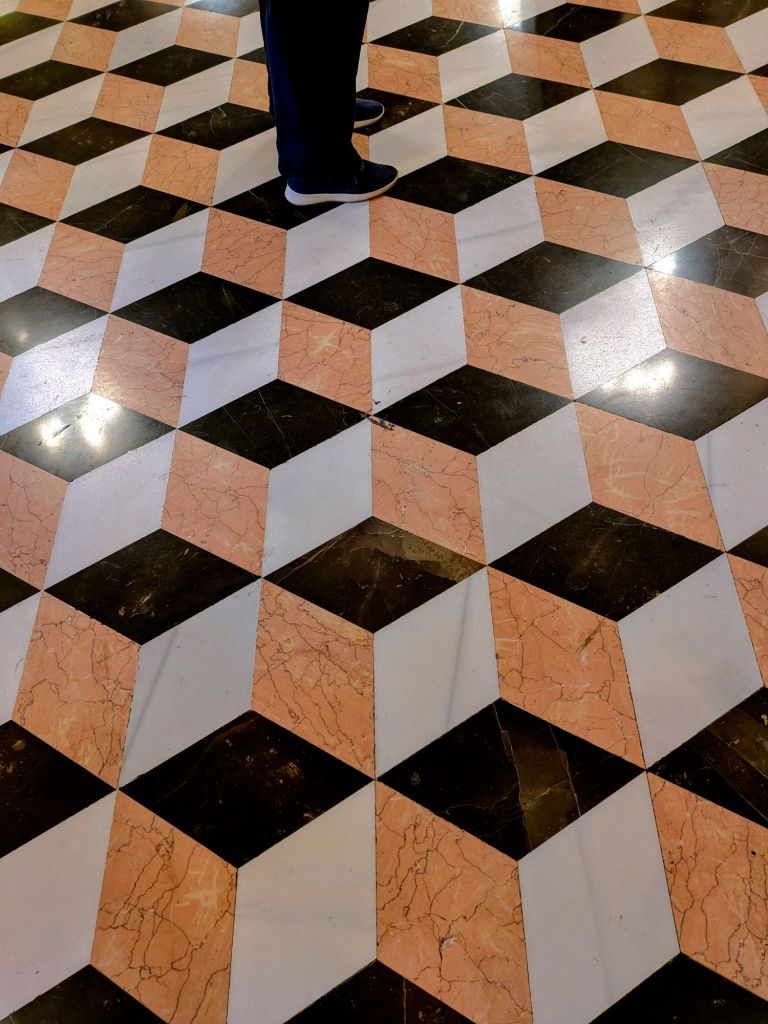
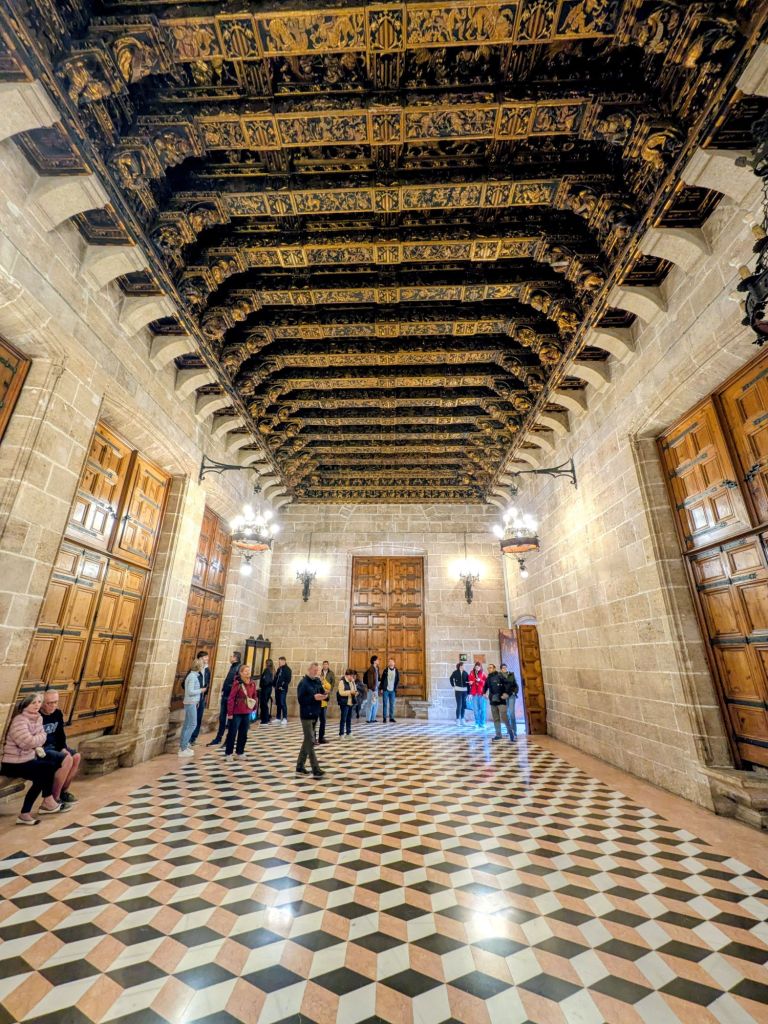
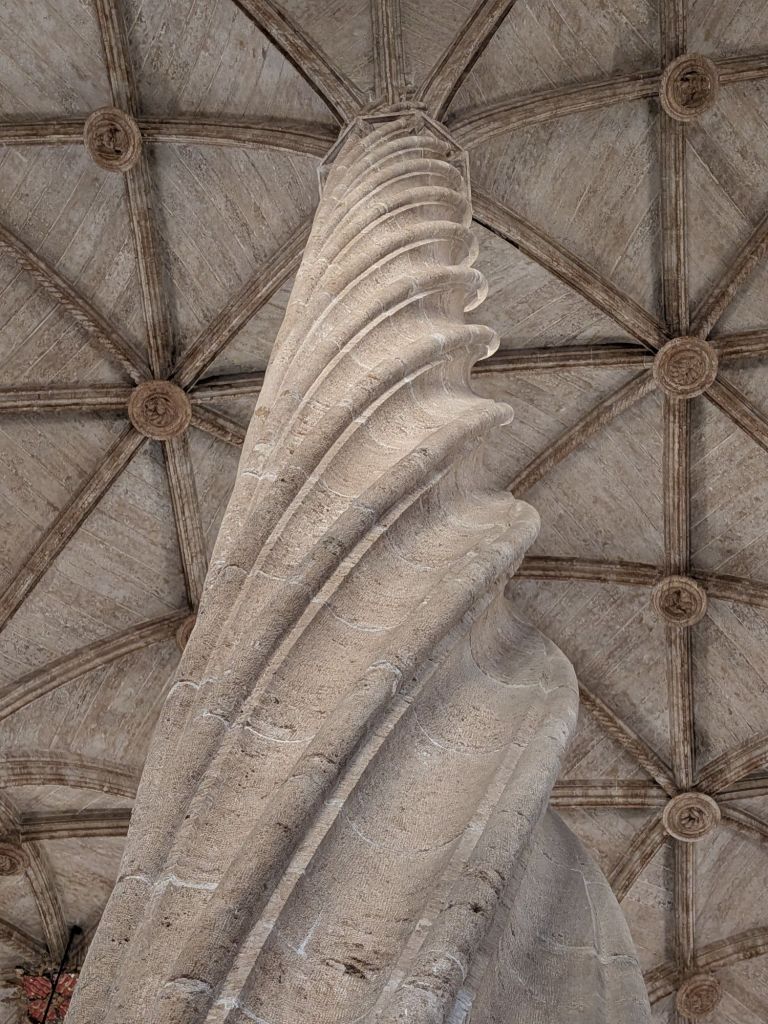
Next, built between 1490 and 1550, the spare, beautiful Lonja de la Seda or Silk Exchange:
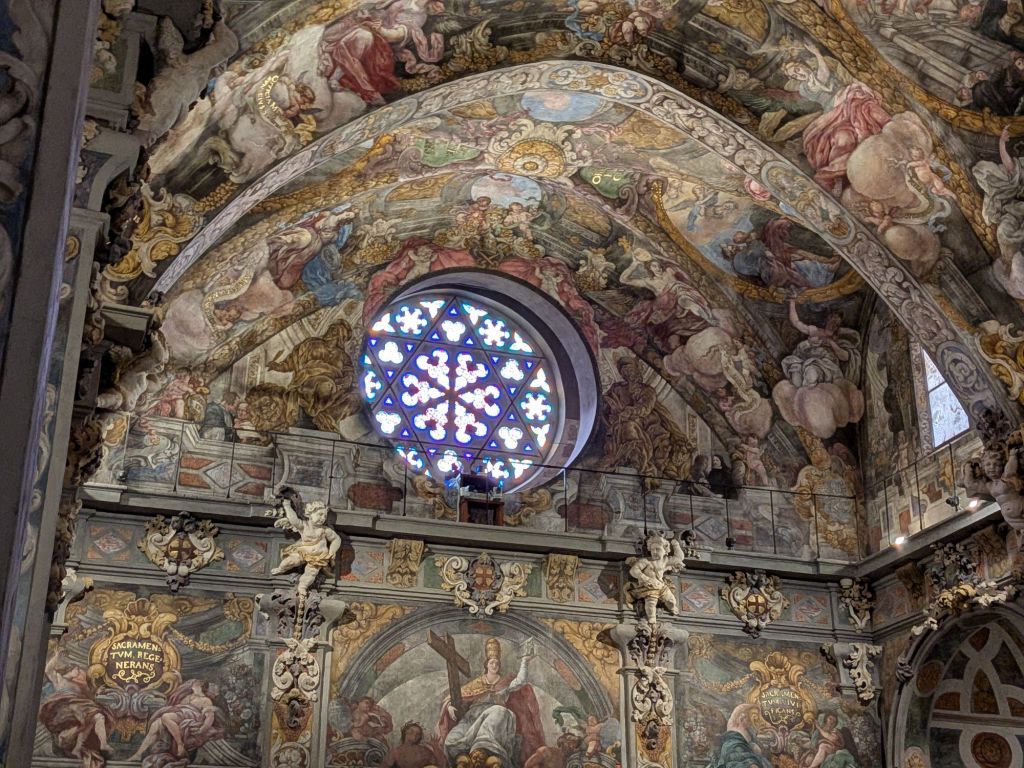
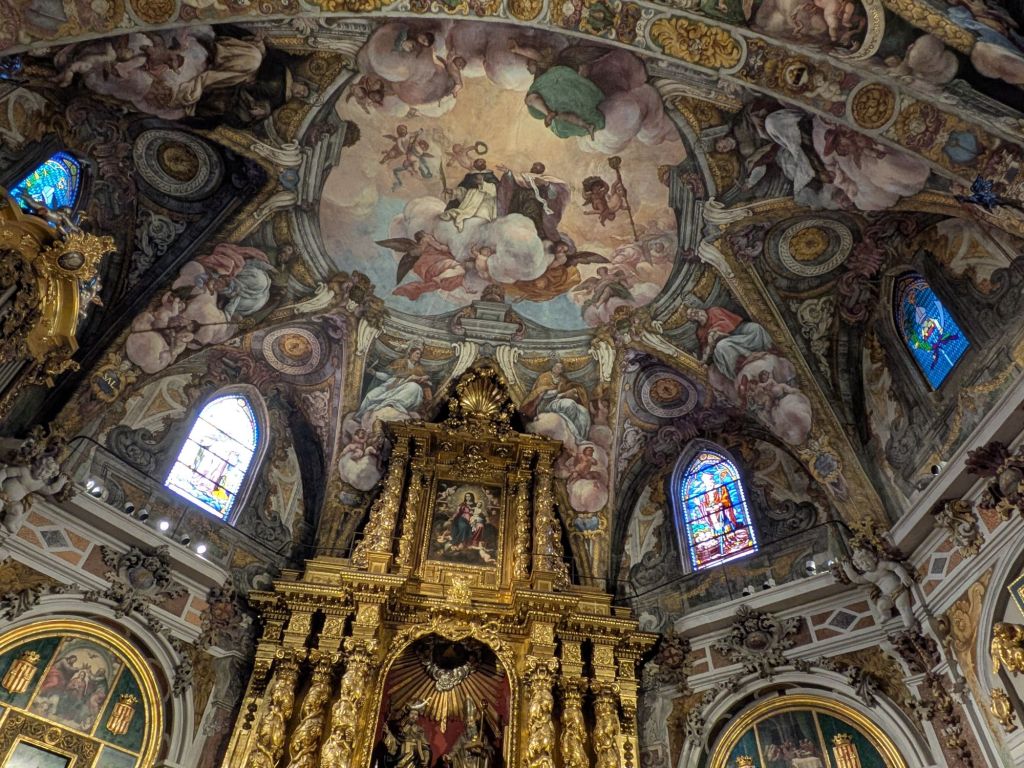
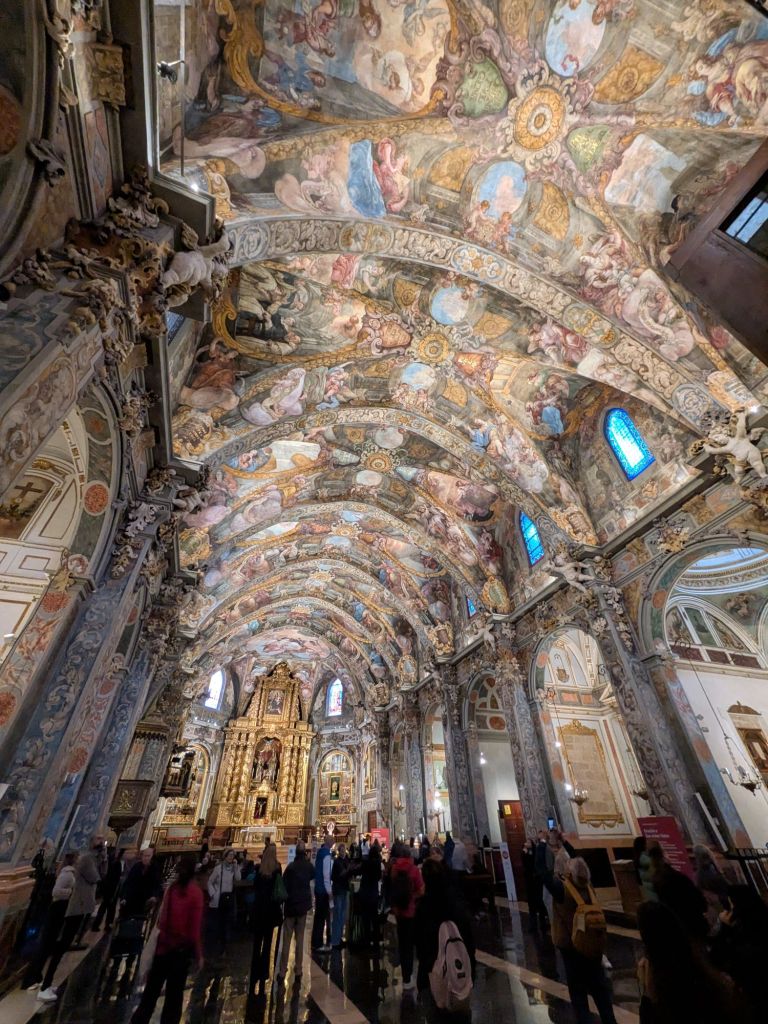
Next, the not at all spare (actually, Baroque on steroids) but even more beautiful Parroquia de San Nicolas de Bari – which the artist mainly responsible for restoring the Sistine Chapel described very reasonably as “the Sistine Chapel of Valencia”:
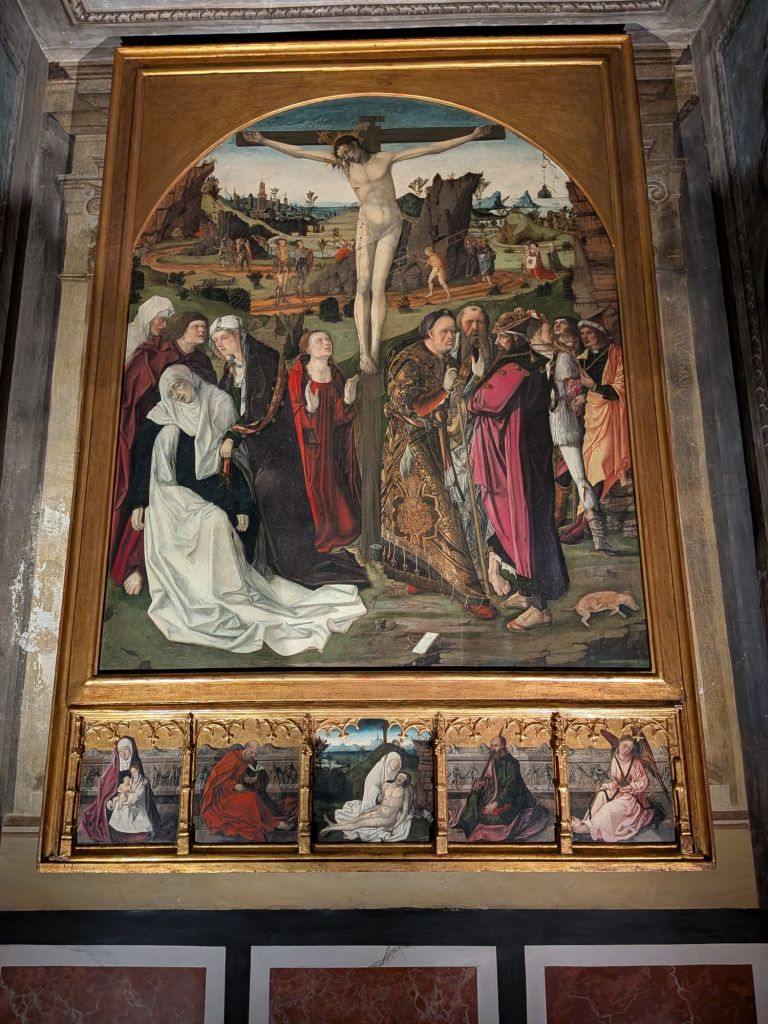
Next – OK, you can’t win every game – an hour at Centro Carmen, a modern at museum from which I don’t have a single picture because I felt that every single multimedia conceptual installation (or whatever) in there was achingly pretentious, self-regarding,  derivative, bordering on self-parody crap…

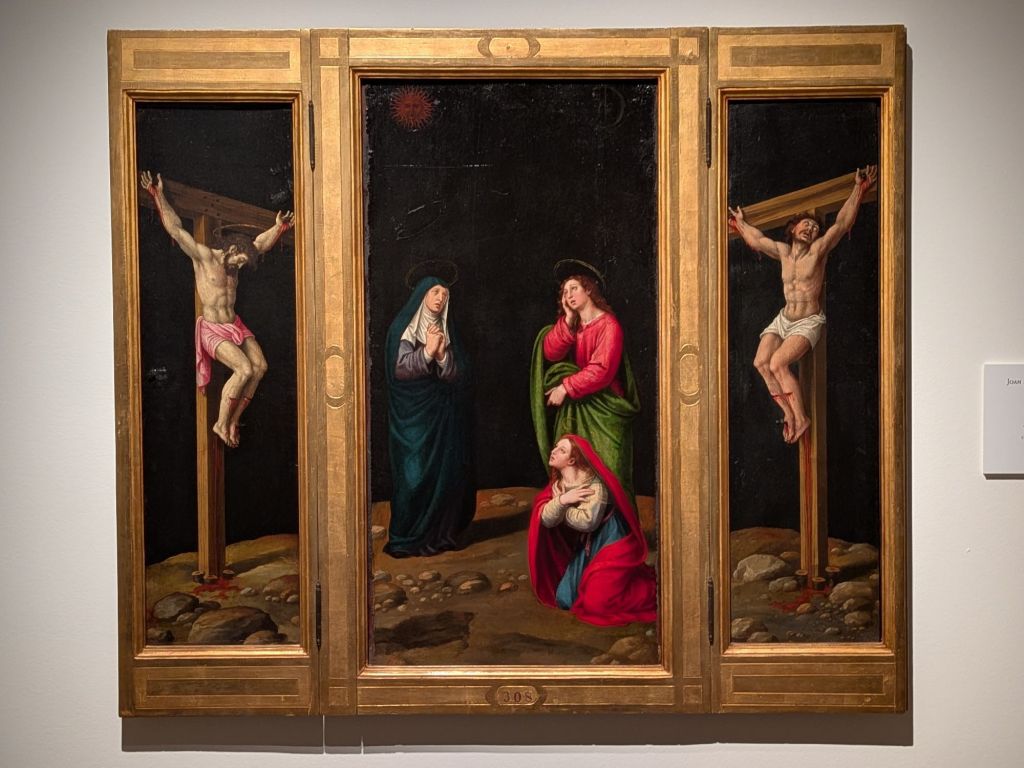
And finally a return to the Museo de Bellas Artes, where among many other things we saw this Crucification triptych with an absent Christ, c. 1570:
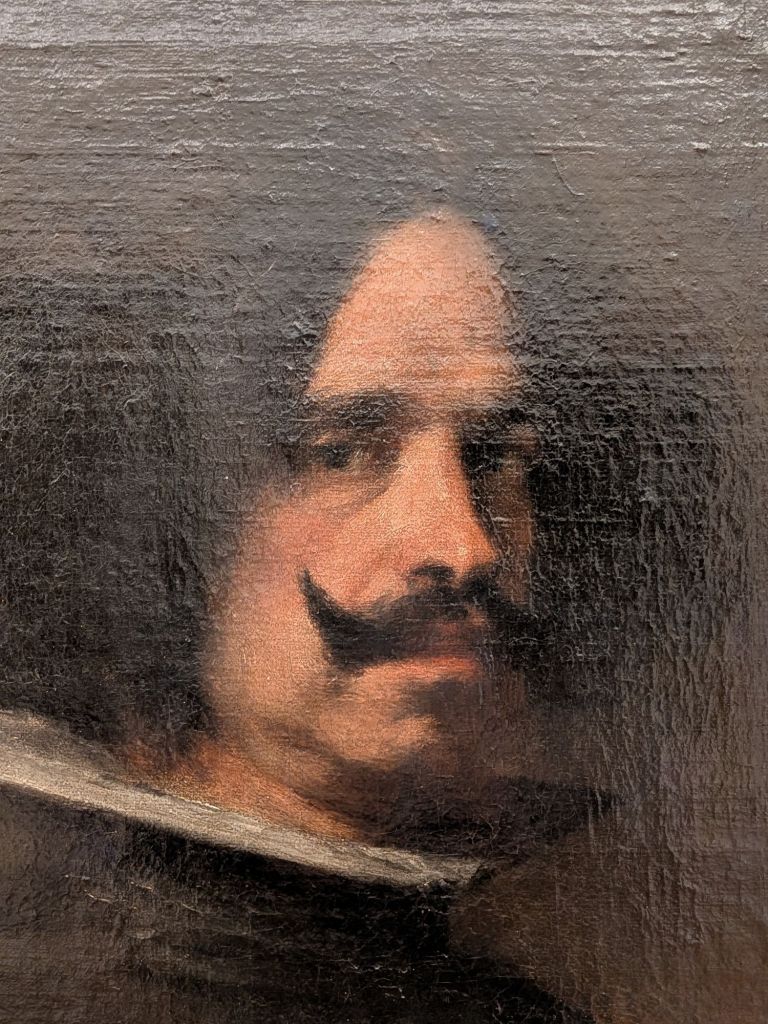
This Velasquez autorretrato:
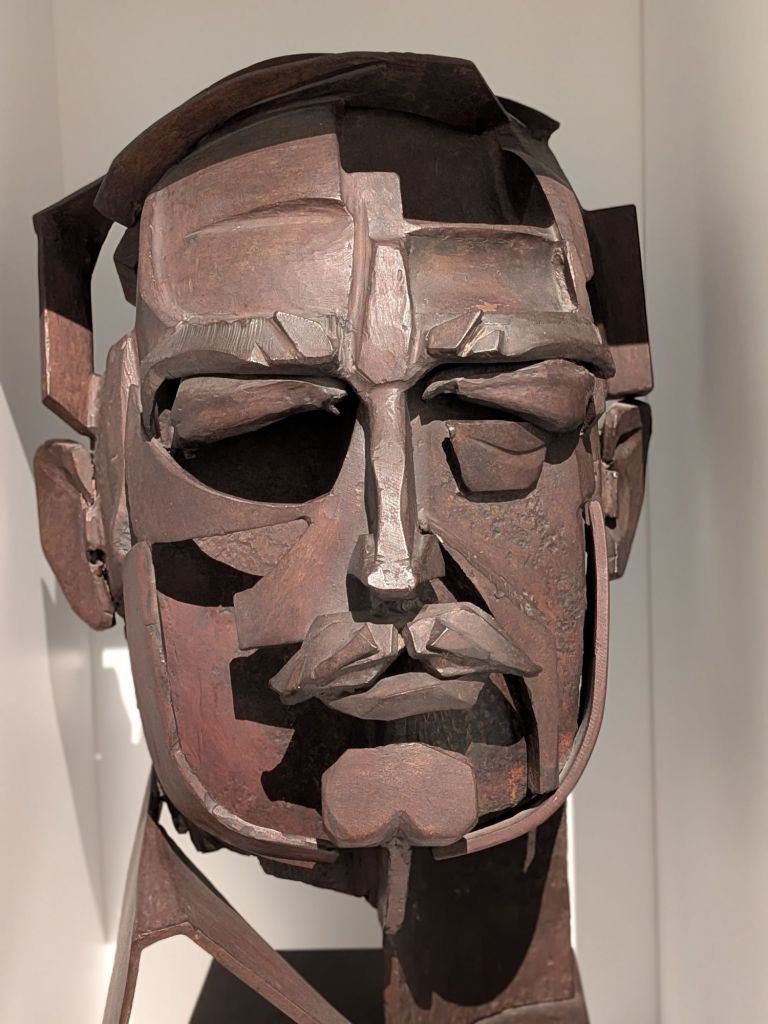
And this modernist head of the Spanish novelist Vincente Blasco Ibáñez:
A former river lives on as a park

The Roman colony that eventually became Valencia was built on a river island. By the Islamic era, it was ringed by large walls–with 7 gates–and the edge of the city followed the curve of the Turia river. A small moat around the walls helped protect against innundation.

(Note that there was an Iberian settlement here before the Romans, and no doubt someone else here before that–Wikipedia only takes me so far.)

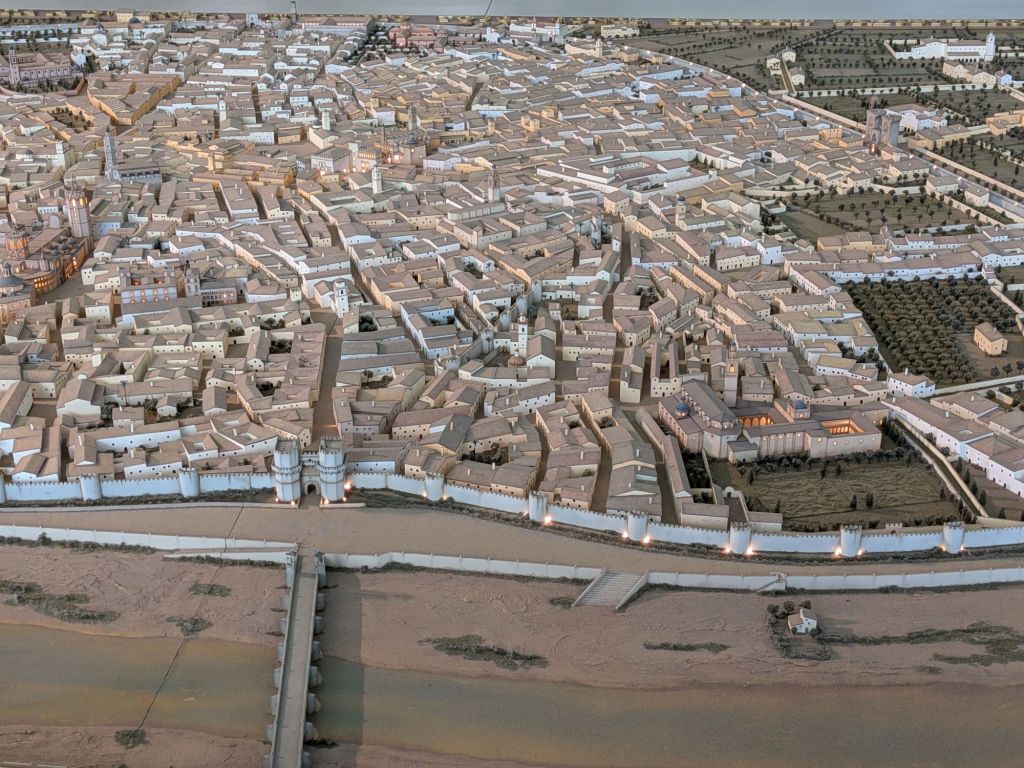
Not a 300 year old drone photo, but a beautiful and minutely accurate 3D model of the city, in one of the museums, recreating what it would have looked like down to the last building and alley, from a famous map of 1706. The Turia River, as it then was, is in the foreground, with the Torres del Serrans – the main gate – to the middle left.

Over the centuries, the proximity to the river was both a strategic benefit and a flooding risk. This came to a head in the mid-1900s when two devastating floods lead to the moving of the river to a new course going round the south side of the city.

The redirected river did its job of protecting the main city during the Valenican floods of 2024, but adjacent communities to the south were devastated in one of the worst natural disasters in recent years. More than 230 people died after an intense storm dropped nearly a year’s worth of rain in a day.

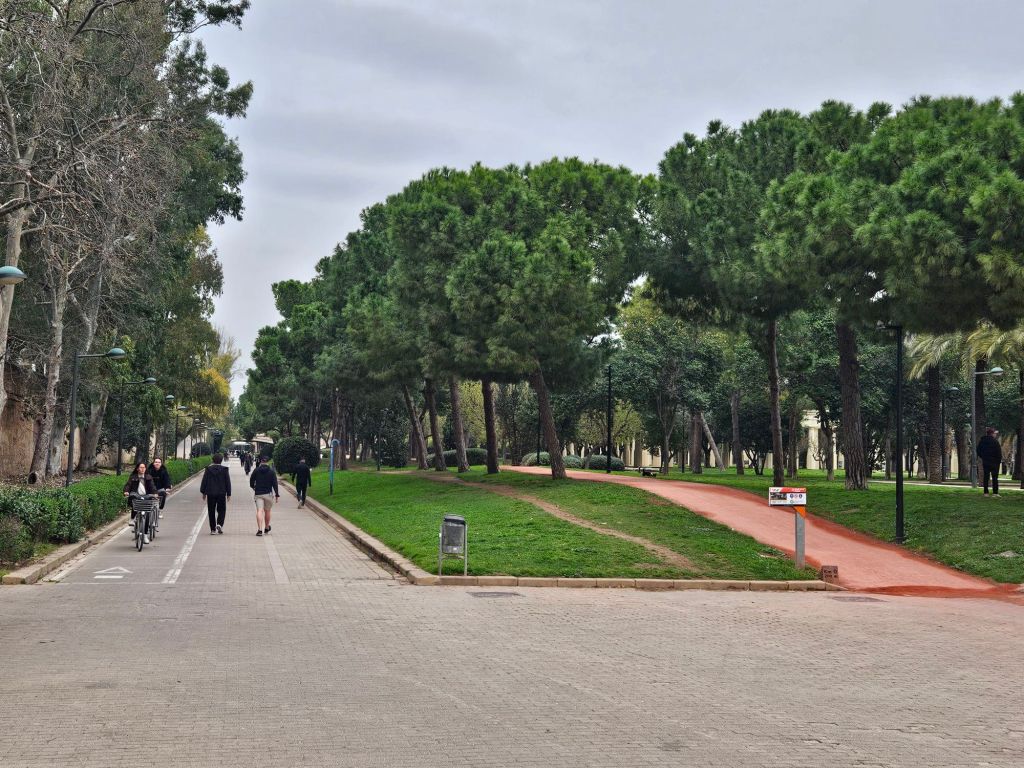
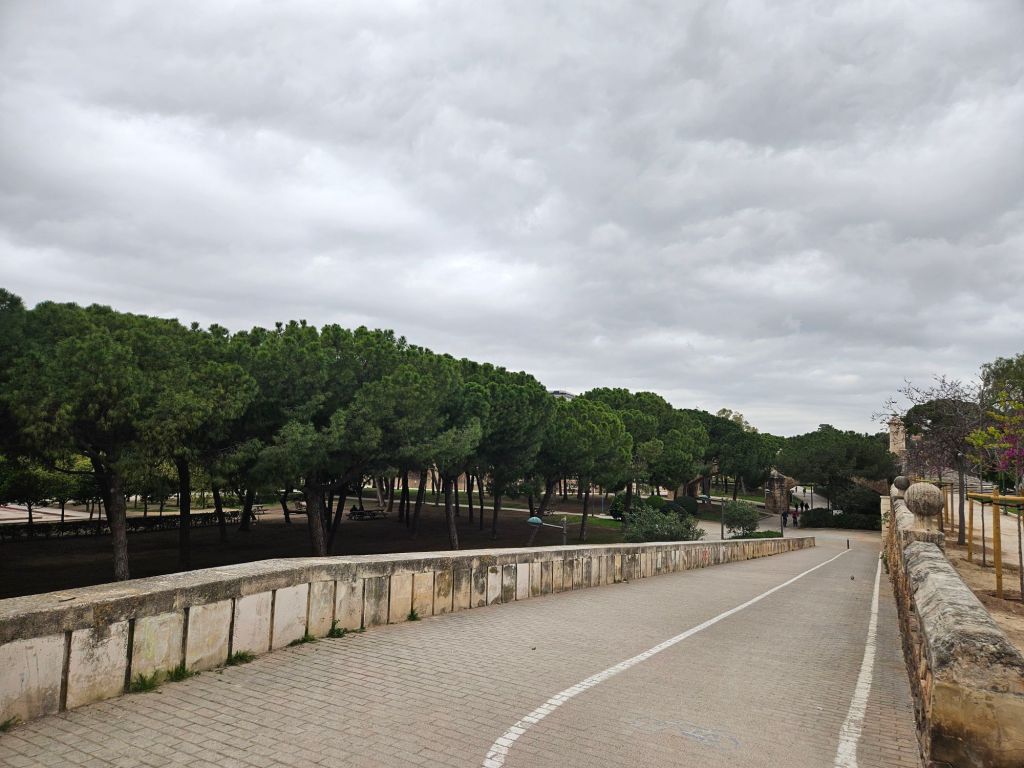
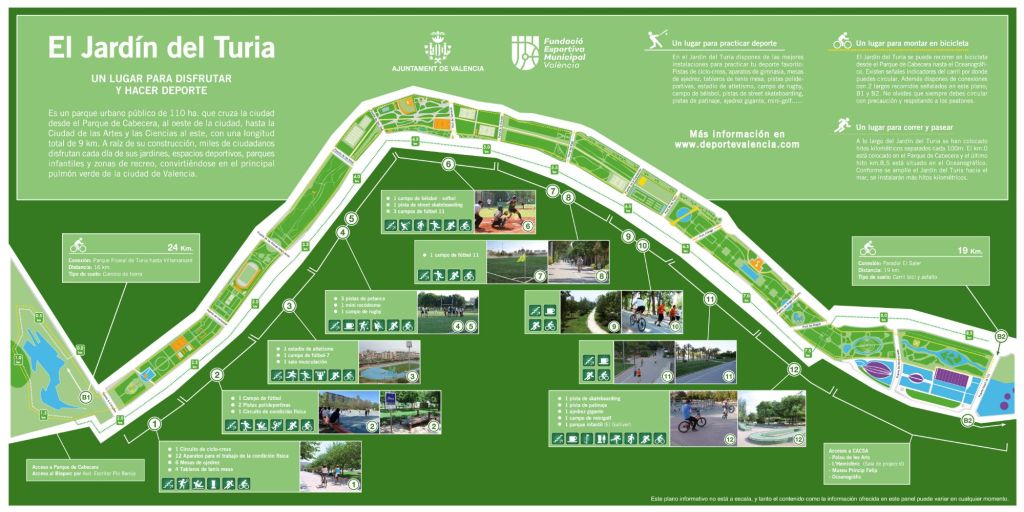
The old river bed was abandoned for years, with various mayors periodically surfacing a plan to turn it into a motorway better connecting the port and the airport. Thankfully, that idea never succeeded and instead, the river bed was converted into a long narrow park curving round the old town.

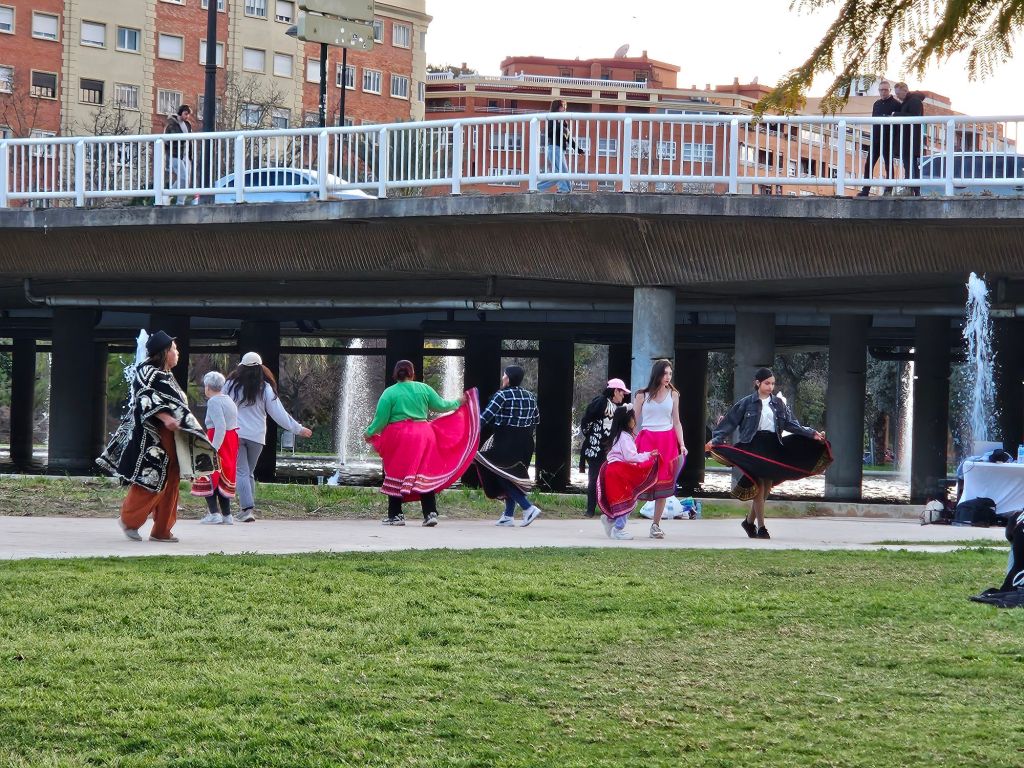
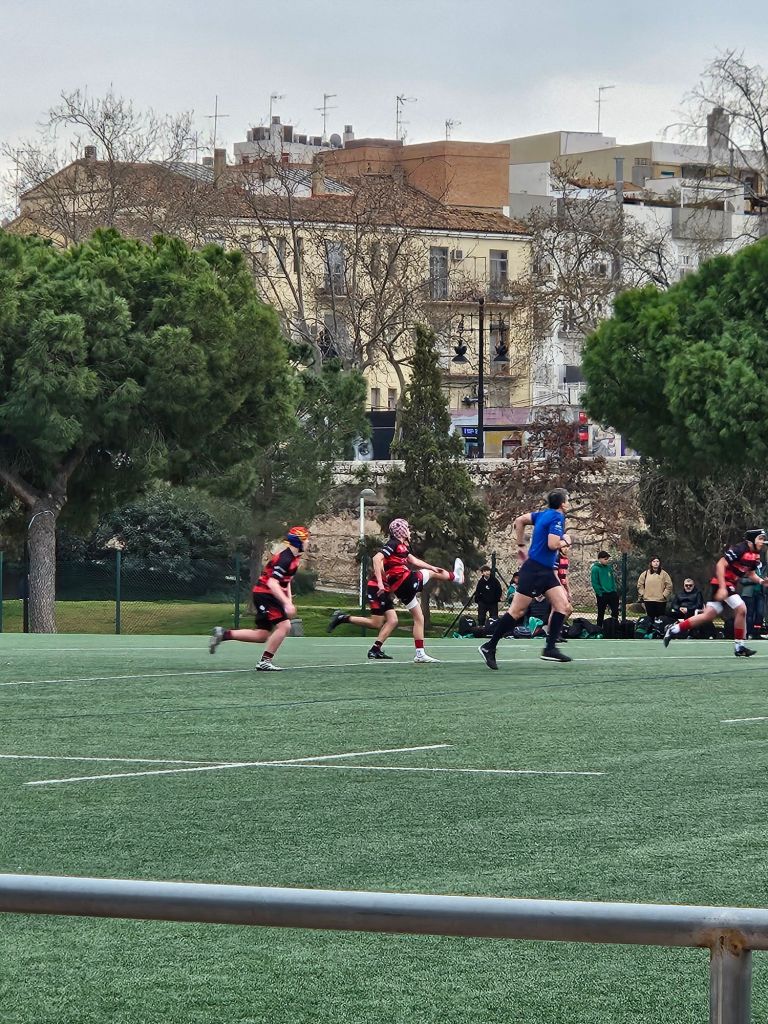
The park stretches more than 9km and features a series of green spaces. Gardens, soccer, baseball and rugby pitches, fountains, playgrounds and green spaces are criss-crossed with a series of walking, running, and biking paths. (Note to the tourist–make sure you’re walking on the right one. Those folks on their bikes and motorized scooters move fast, have the right of way, and don’t appreciate their commute being slowed by clueless wanderers.)(Guess how I know this?)

We have so enjoyed having this green corridor as a way of moving through the city and have delighted in all the ways the space is used. If you have to move a river, this is an excellent way to make use of the river bed.

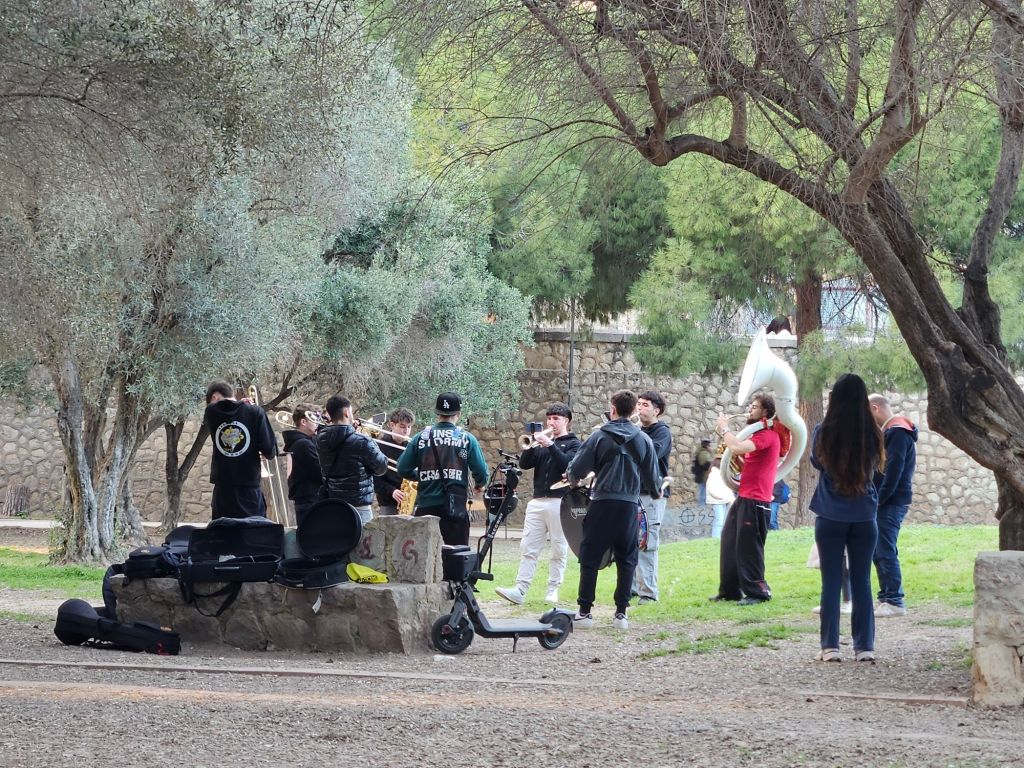
R here. Loads of music practice in the park too. Whether this is normal or preparation for Fallas we’re not sure, but we sat on a wall for 20 minutes listening to these guys:

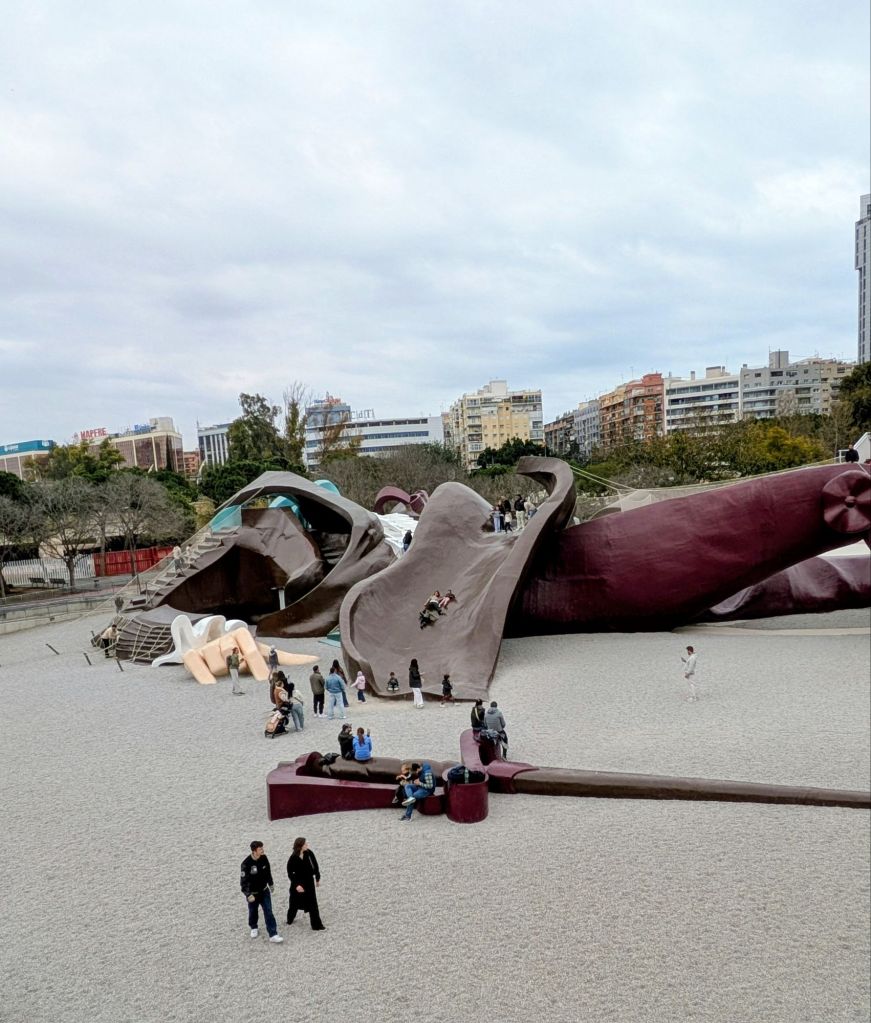
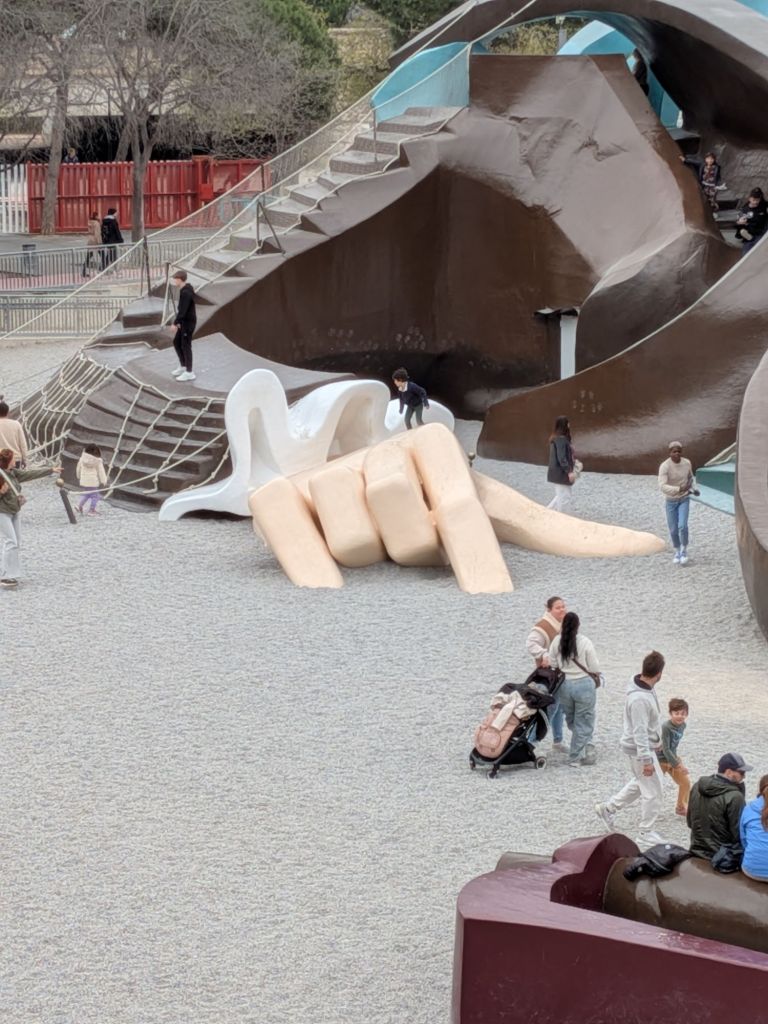
There’s a wonderful playground / play structure in the park called Parc Gulliver, consisting of a giant (40 meter?) tied-down Gulliver on which the city’s Lilliputians can play.

For you literature nerds out there: it’s Gulliver’s 300th birthday this year. Gracias a Sr Swift: one of the dozen or so greatest books ever written, IMVHO.